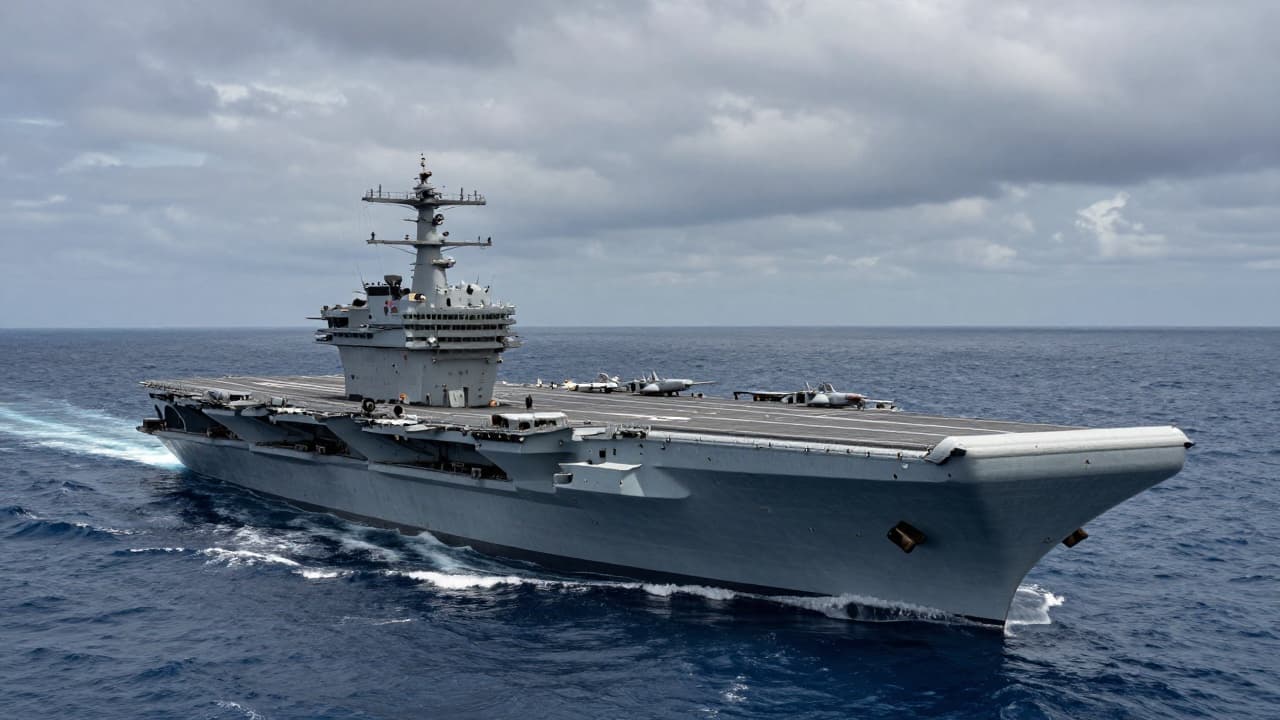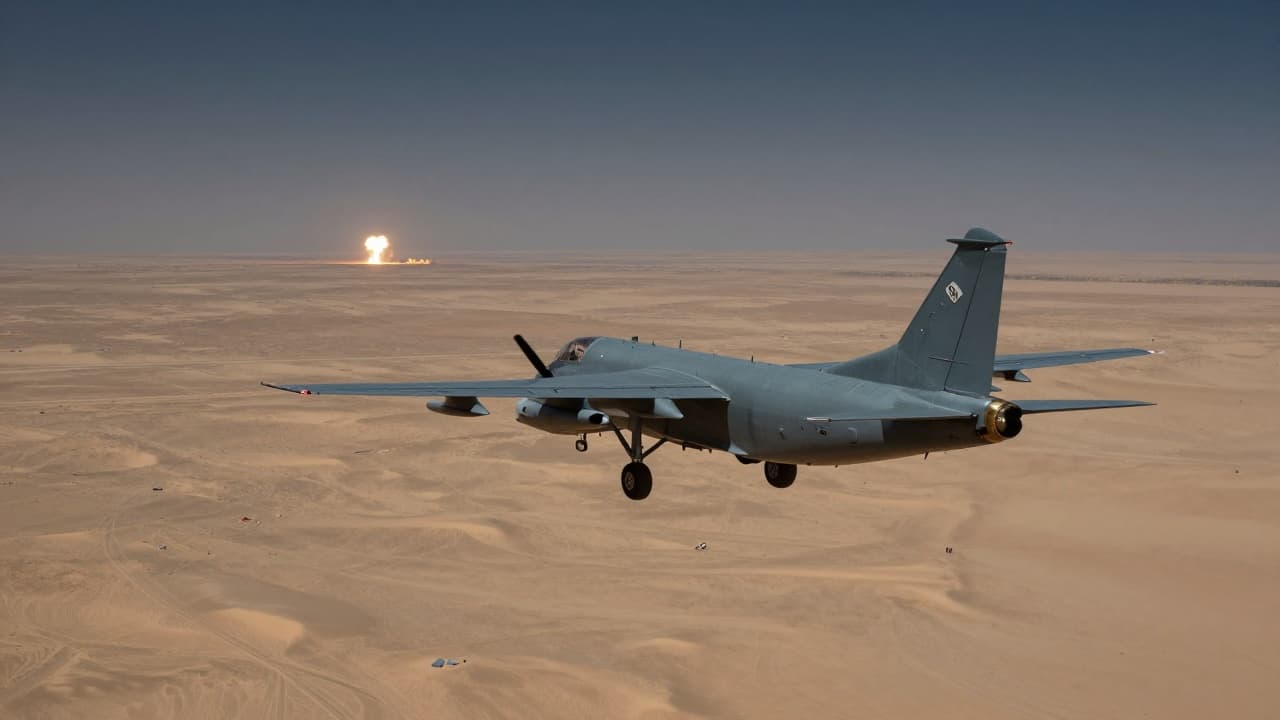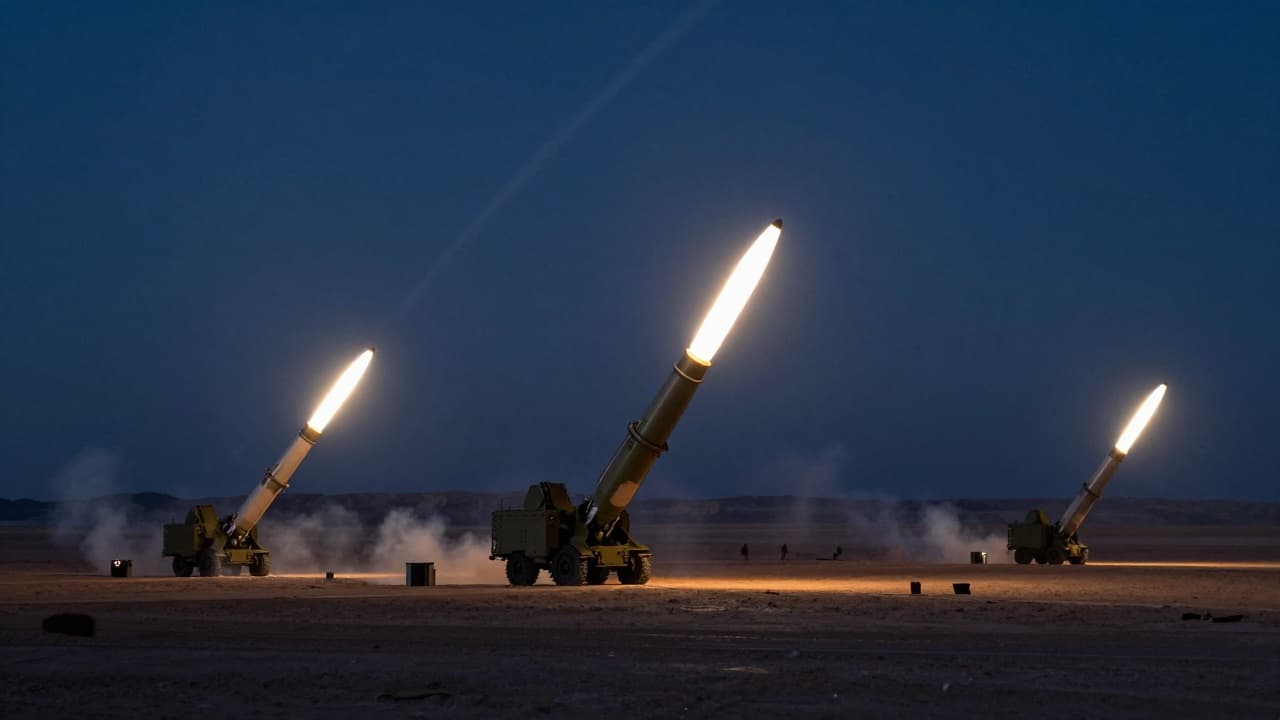
The US military is facing serious financial and operational challenges following the escalation of conflict with Iran. The war, which began on 28 February, has led to a critical situation in supply chains, with strategic reserves of ammunition significantly depleted. The Secretary of Defense has stated that the military is currently facing a critical shortage of resources, with the cost of the military operation estimated at $35.7 billion.
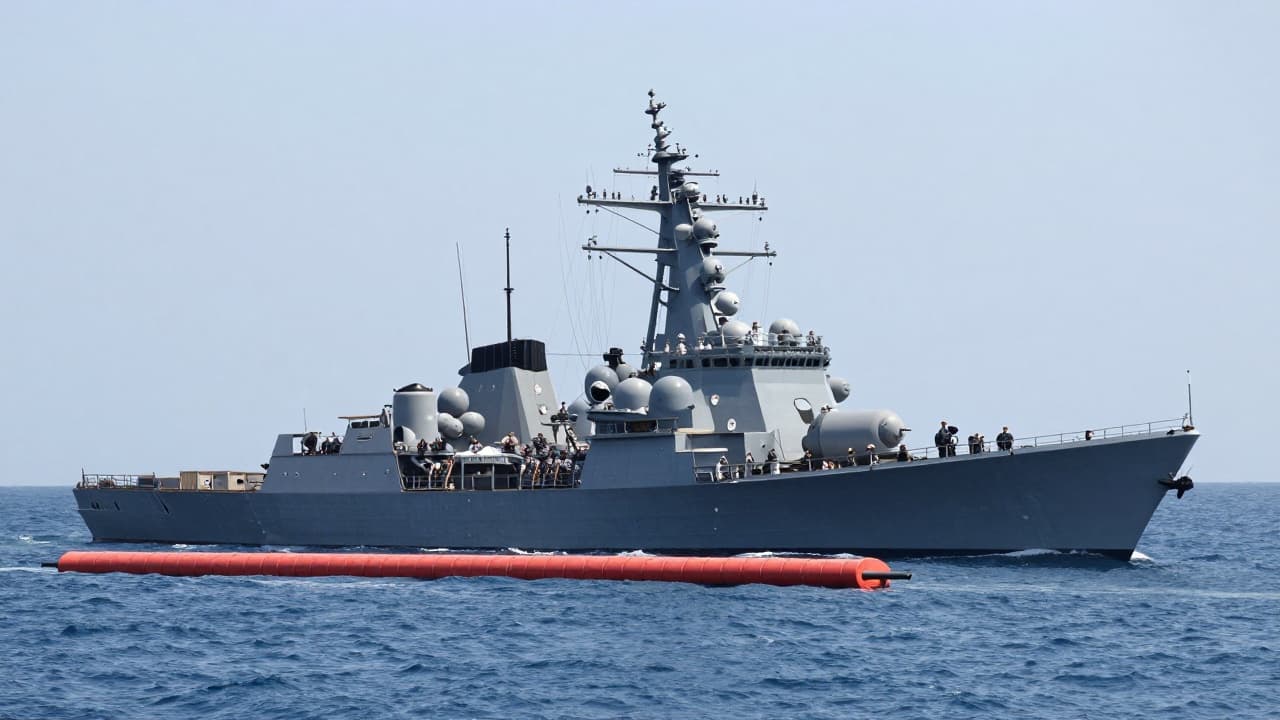
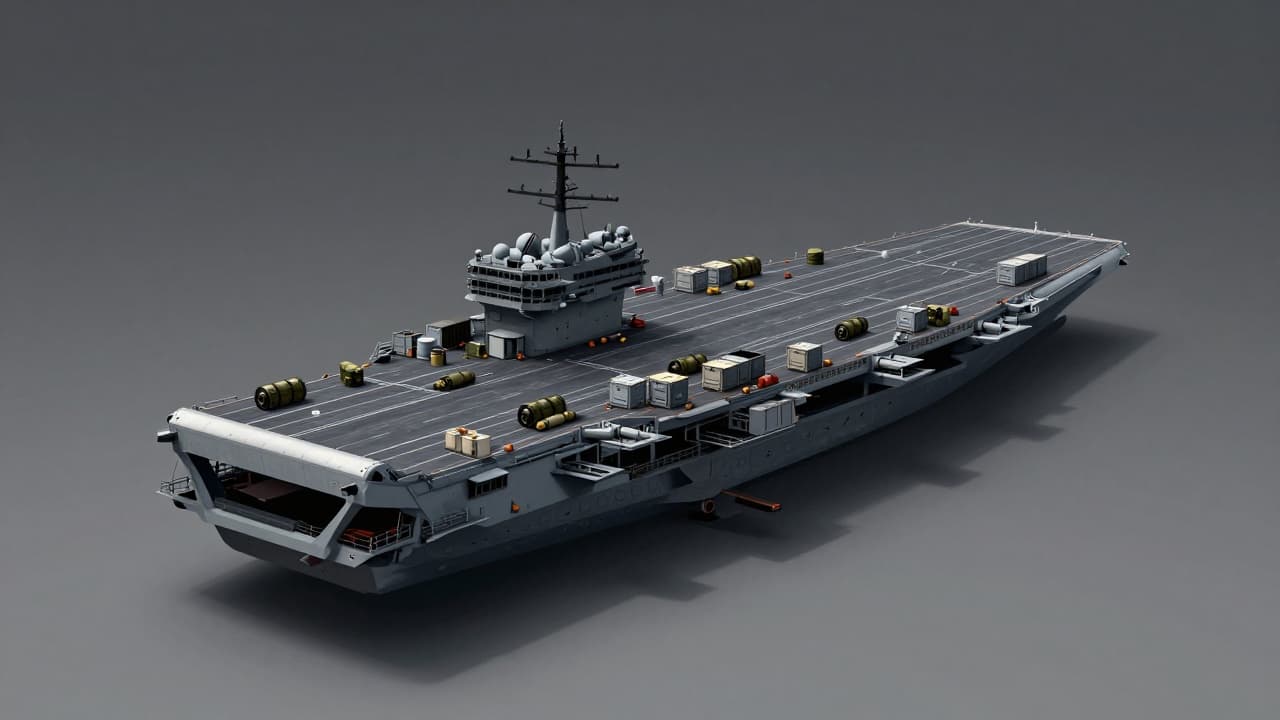
In an effort to cover the costs incurred, commanders have been forced to redirect funds intended for soldiers' pay and regular equipment maintenance. This measure, while necessary for current operations, further strains the already stretched resources of the US defence industry. The Trump administration, meanwhile, is seeking to stabilise the situation through new initiatives, including the introduction of the term 'golden fleet' as part of strategic planning, and has ordered technical modifications to warships, replacing existing electromagnetic systems with more traditional solutions.
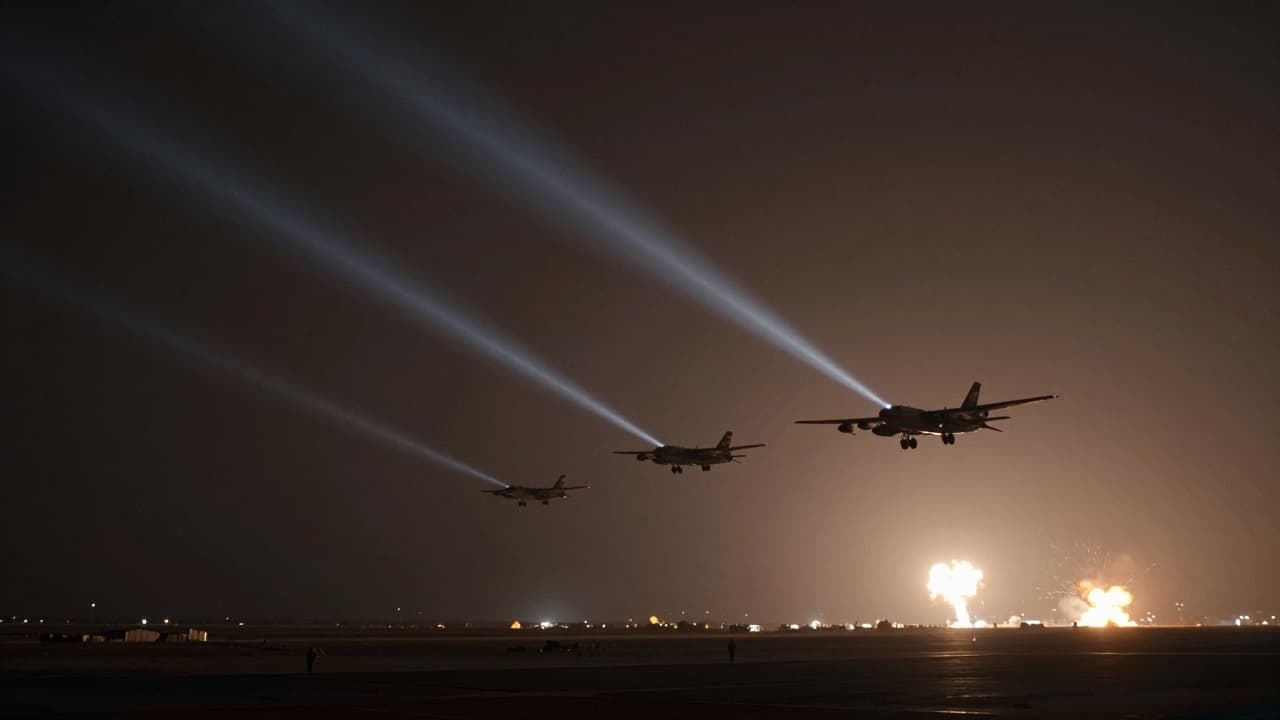
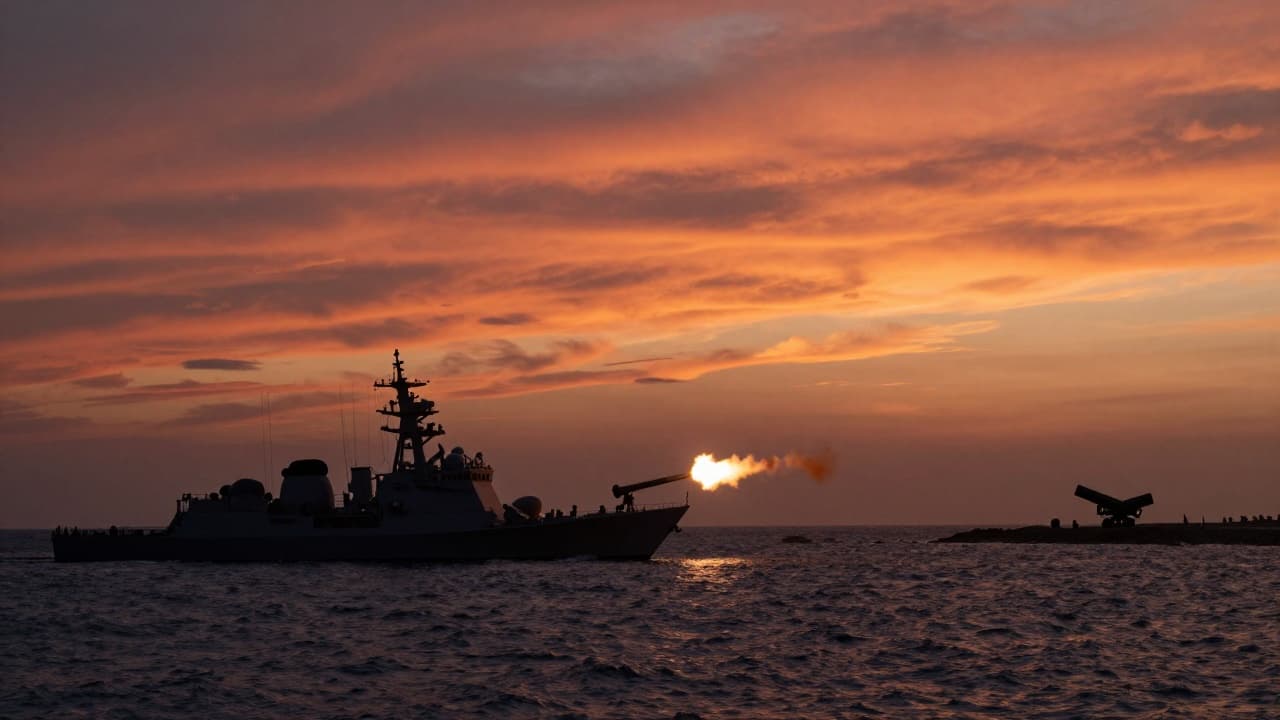
Given that Iranian forces have launched counter-attacks destroying strategic bases in the Middle East, the need for a rapid response is becoming increasingly urgent. In response to these challenges, the administration has requested approval from Congress for an additional $67 billion. Although the lower house has already approved a general defence budget of $1.15 trillion, current costs require an additional $73 billion specifically allocated for funding war operations in the region.
Risks associated with overloading infrastructure have been recognised at the highest level. Admiral Daryl Caudle, in mid-May, expressed concern regarding the sustainability of the current funding model, highlighting the need to reassess the 'Epic Fury' operation in the context of fiscal year 2026. These measures, while necessary for immediate stabilisation, point to deep structural challenges in ensuring the long-term viability of the US military presence in the region.