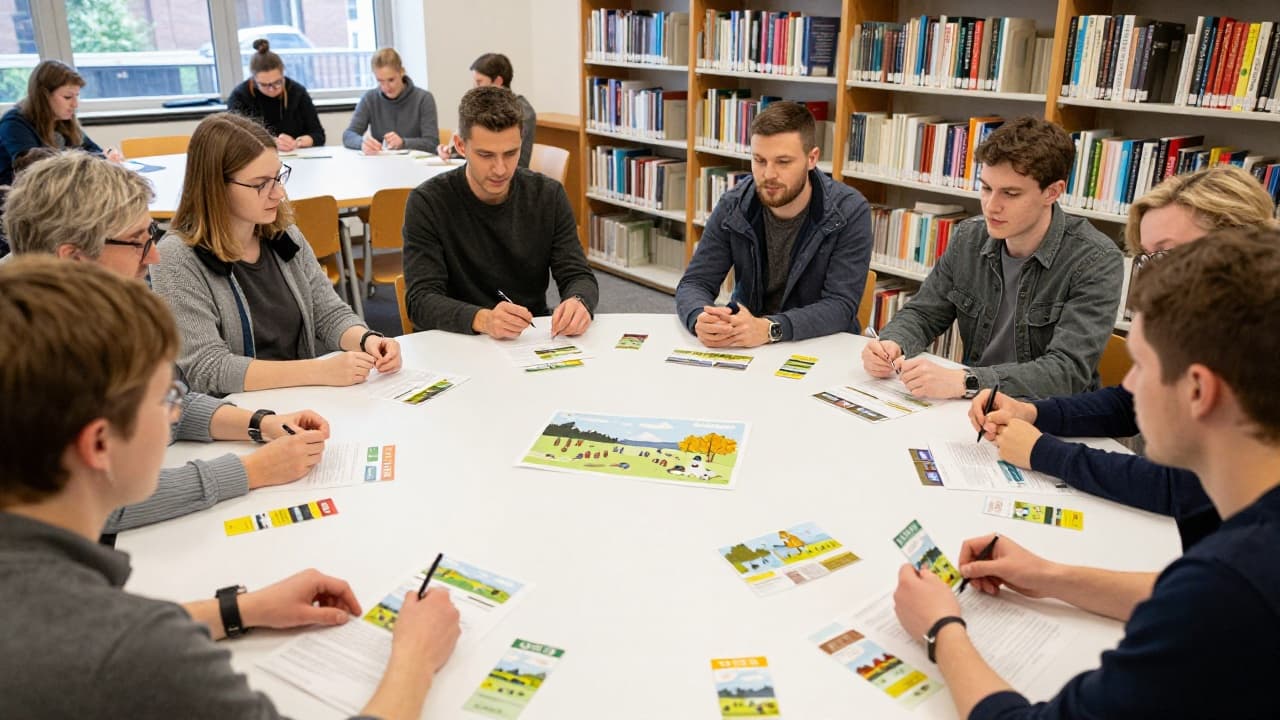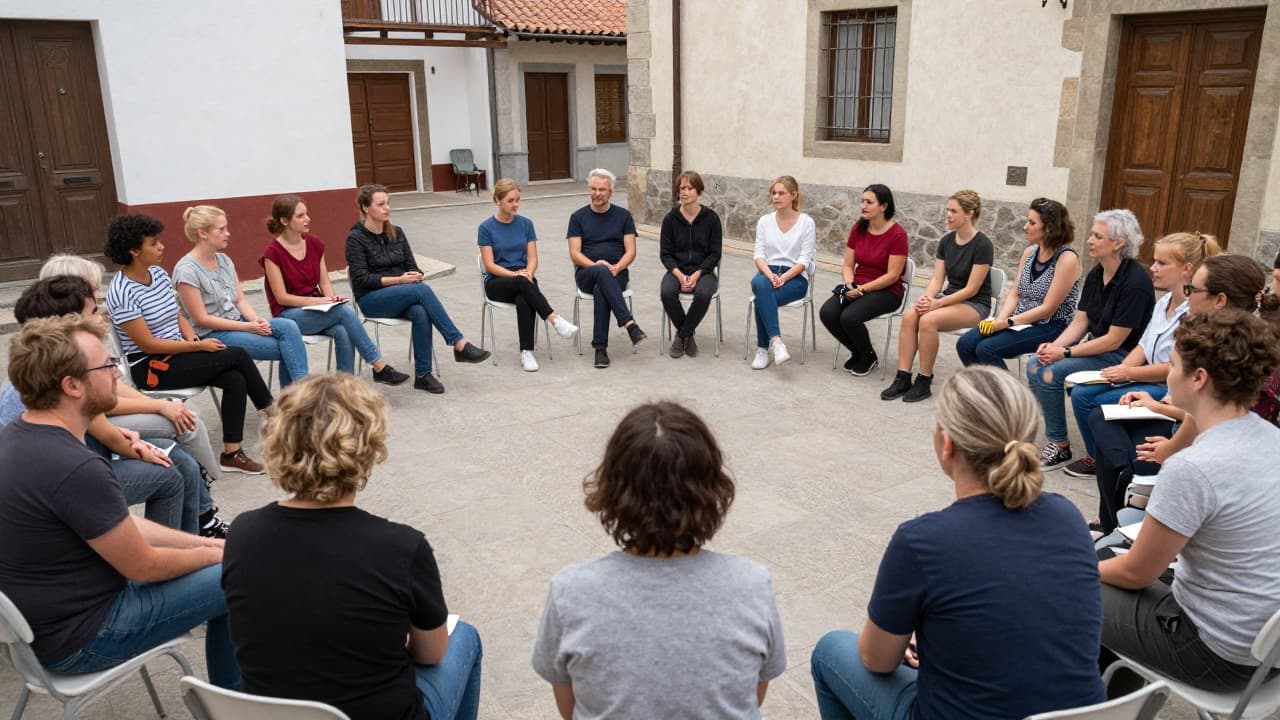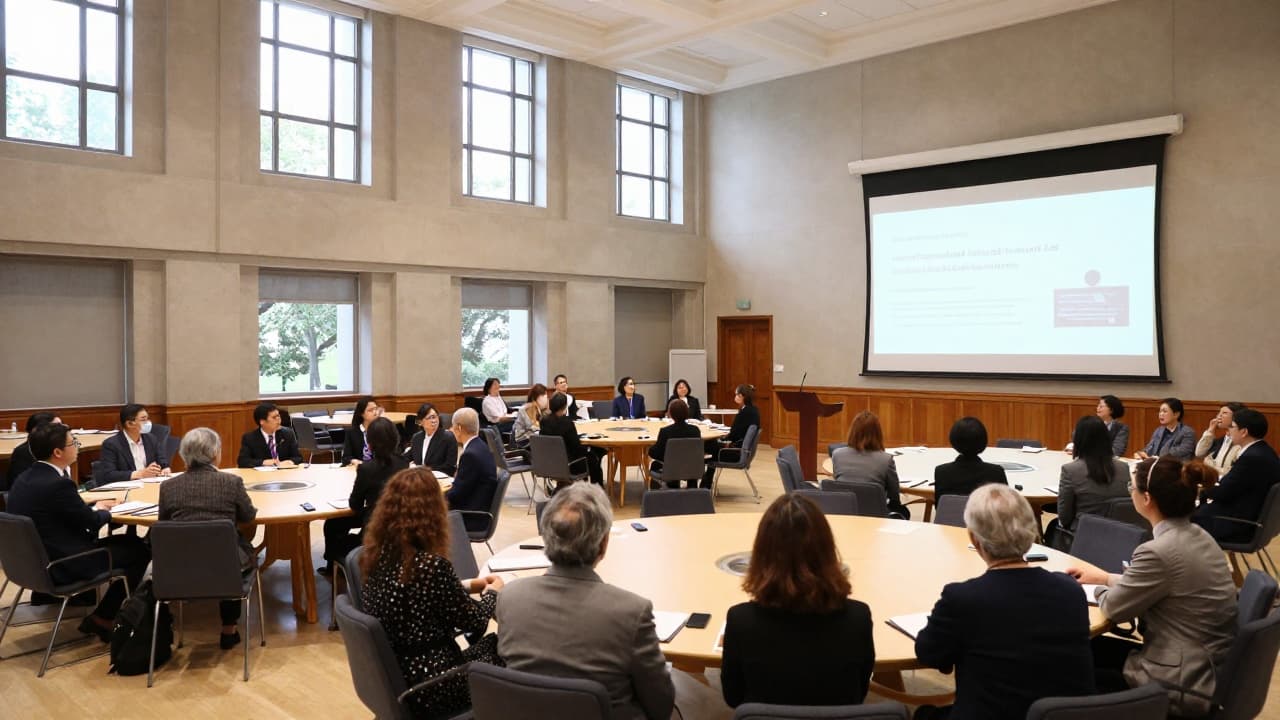
The Agency for Rural Development of Zadar County (Agencija za ruralni razvoj Zadarske županije, AGRRA) organised the third and fourth workshops of the ENRICH-US project on 5 November at the Benkovac City Library. Numerous representatives from the tourism and local sectors attended, including the Ravne Kotare Tourist Board, tourist boards from surrounding municipalities, the Laura Local Action Group (LAG), the Benkovac Public Open School, local trades, family farms and other stakeholders from the Ravne Kotare area.
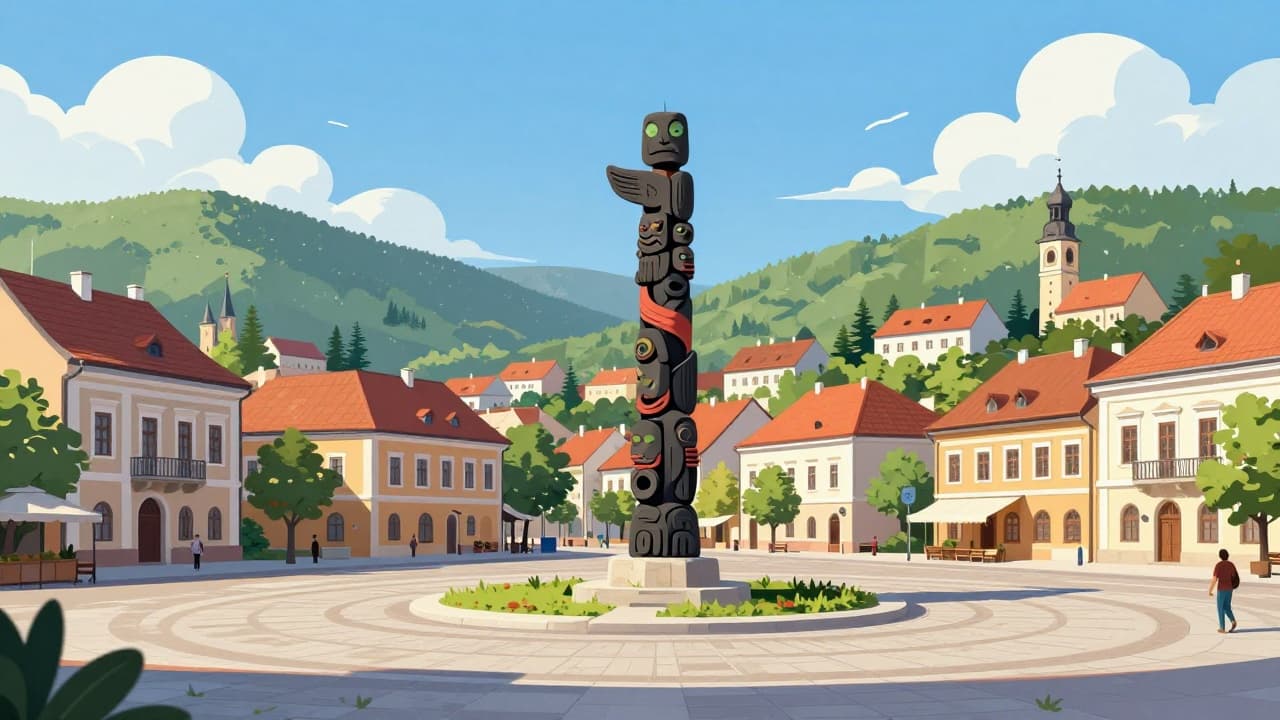
The main topic of the workshops was the pilot action for Ravne Kotare, specifically the introduction of a digital tourism totem in Benkovac. This initiative stemmed from previous workshops held on 19 October, with the aim of consolidating the local tourism offer in one place. Participants emphasised the need for a common space to present the entire offer of Ravne Kotare, as well as the importance of better coordination, with the Ravne Kotare Tourist Board set to take on the role of coordinator.
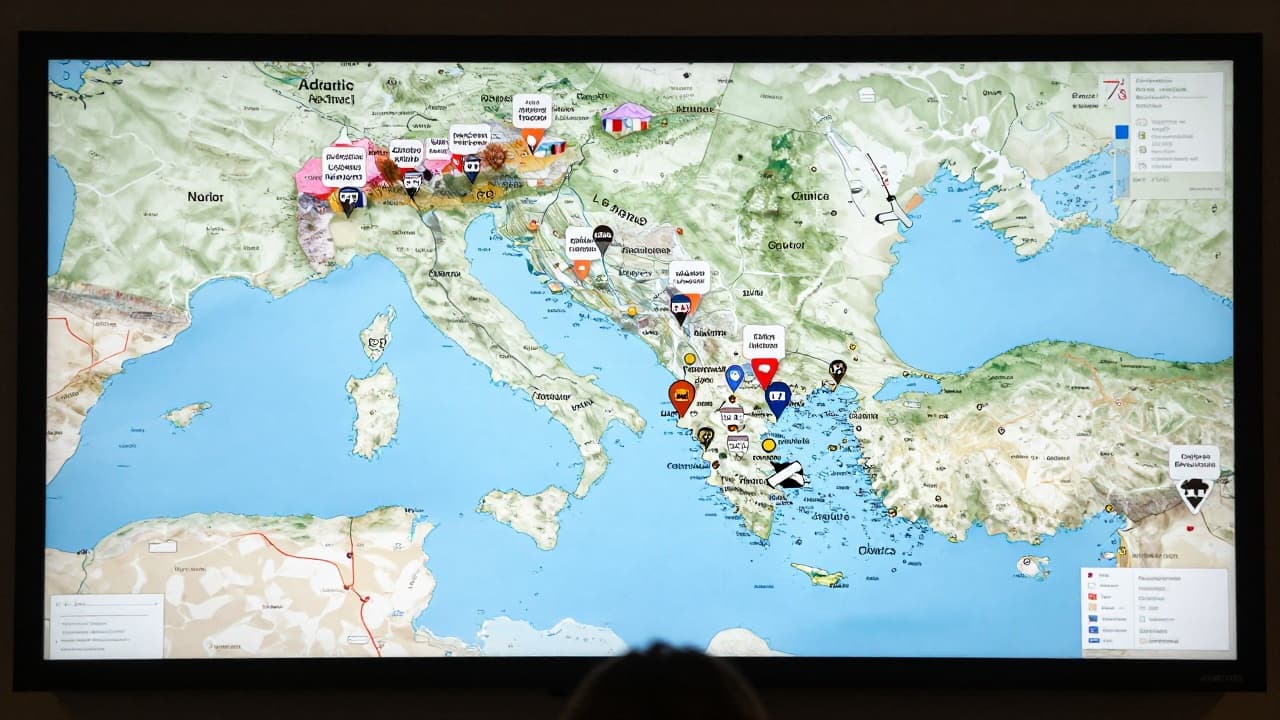
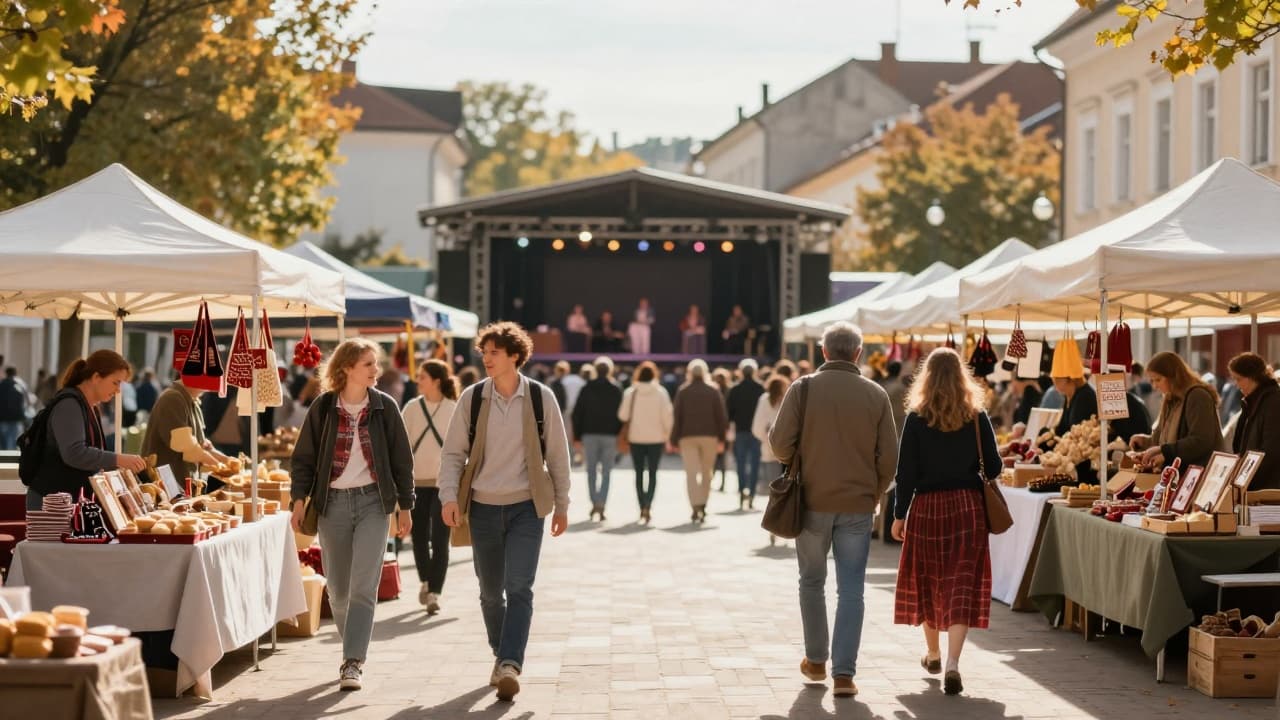
The digital tourism totem will be equipped with information on the tourism offer, cultural and historical heritage, family farms, wineries, routes and events in Ravne Kotare. Visitors will have the opportunity to take a photo in a digital traditional costume and send a digital postcard. AGRRA is financing the purchase of the totem through the project, while management will fall under the jurisdiction of the Ravne Kotare Tourist Board. The central town square in Benkovac has been proposed as the location for its installation.
During the workshops, discussions also took place on the establishment of a stakeholder coordination group to monitor the implementation of the pilot action and connect the public, private and civil sectors. The final workshop also assessed the eco-cultural tourism management model, which is planned to be tested during 2027. The ENRICH-US project, in which AGRRA participates as a partner, is co-financed by the European Union through the Interreg Central Europe programme, with the goal of developing and testing eco-cultural tourism management models in rural areas of Central Europe. For Croatia, the pilot area is precisely the Ravne Kotare region.