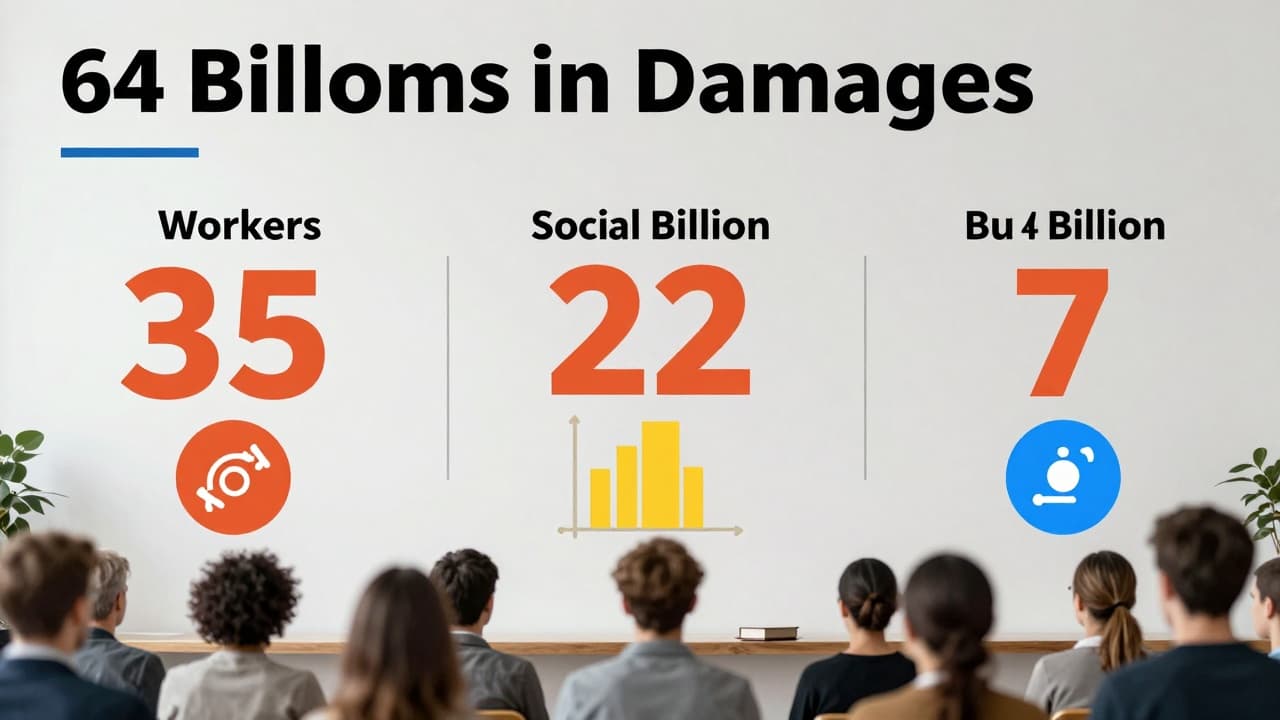
Sick leave costs the European Union up to €810bn a year, according to a new report. The average European misses work for nearly three weeks a year due to health problems.
According to the report by the Institute for Environment and Health, absences account for around six per cent of potential working time in the European Union, equating to approximately €540bn in lost labour costs annually. This amount corresponds to 2.9 per cent of the European Union's gross domestic product (GDP) last year. The calculation covers only absences due to illness among individuals who remain registered as full-time employees.
The report's authors estimated an additional annual cost of approximately €135bn to €270bn, bringing total annual costs to between €675bn and €810bn.
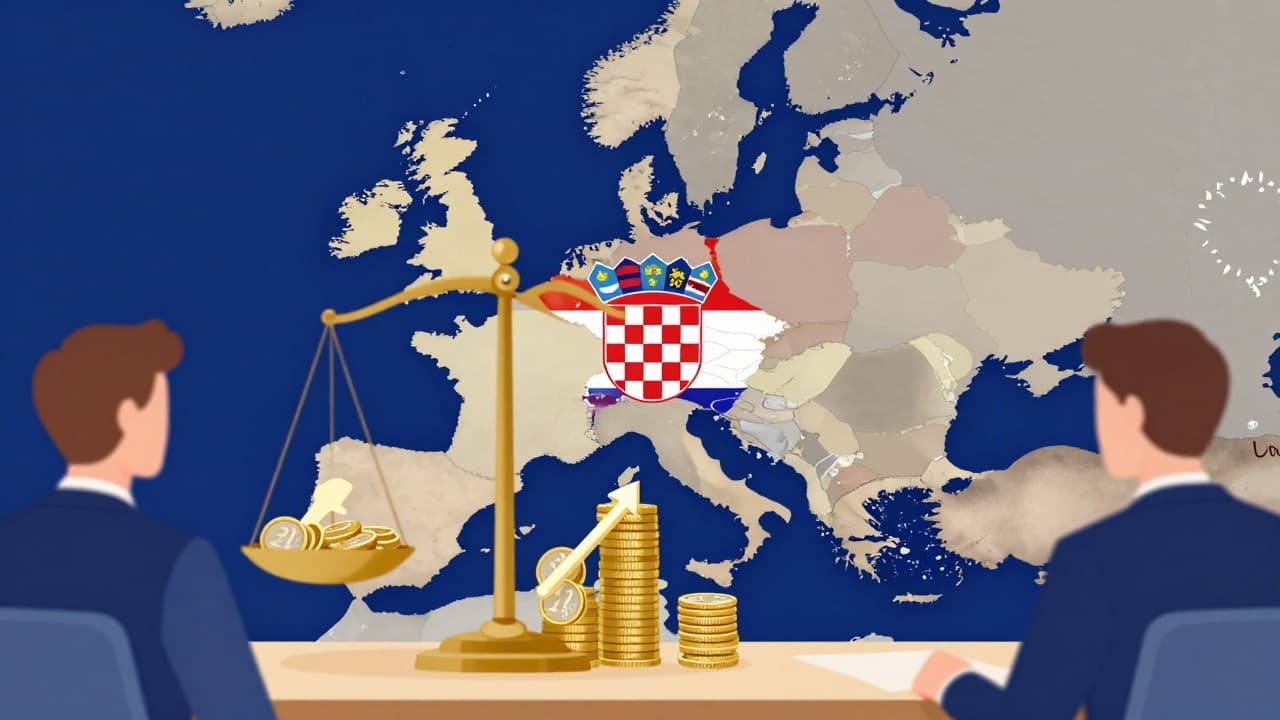
Adrian Mehic, the report's author, stated during the presentation at the European Parliament in Brussels that there are "dramatic differences" among European countries. According to data from the Organisation for Economic Co-operation and Development (OECD), Slovenia had the longest average duration of sick leave in 2025, at just over five weeks per employee. In Finland and Spain, workers were absent from work for an average of around five weeks due to illness.
In France, Sweden and Germany, the average duration of sick leave is slightly longer than three weeks. On the other hand, in Italy and Greece, full-time employees are absent for less than one week on average due to illness.
Mehic highlights improved ergonomic conditions in the workplace, earlier treatment of mental health issues, faster access to primary healthcare, physiotherapy and mental health services, and earlier identification of health risks as preventive measures. "Prevention itself has a cost, so none of this is free, but if implemented correctly, the benefits would outweigh the costs," Mehic added.