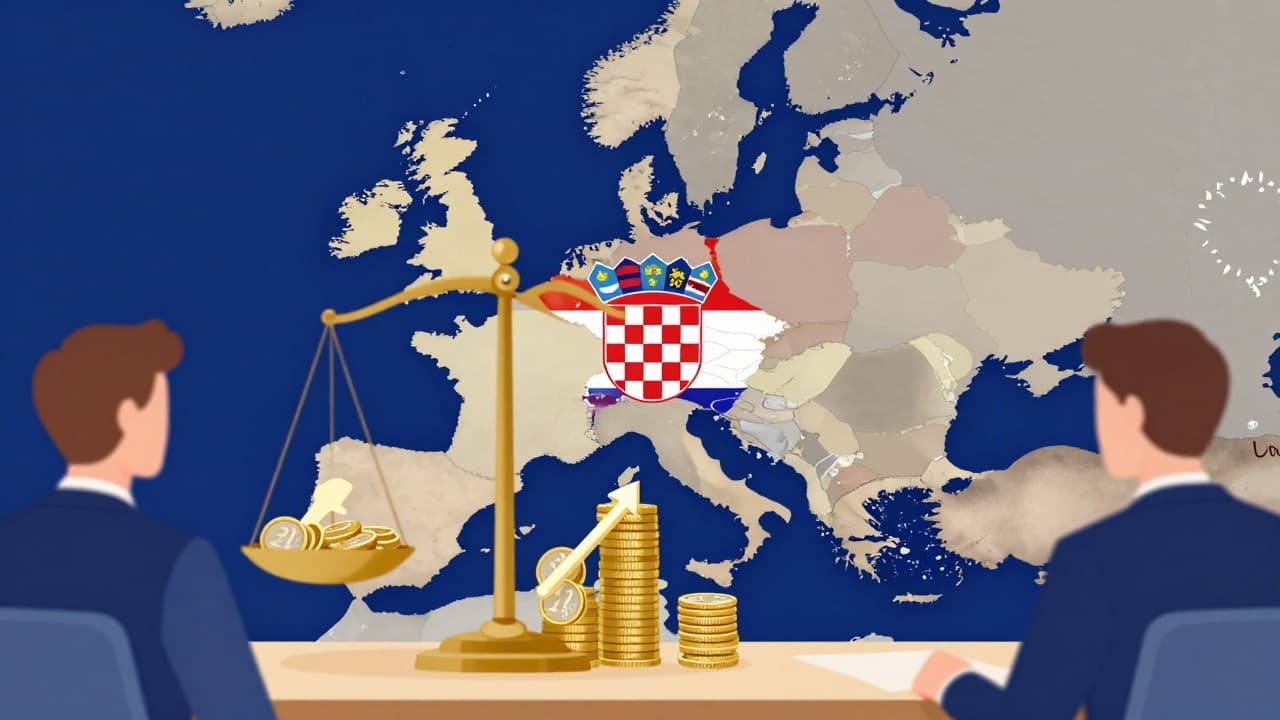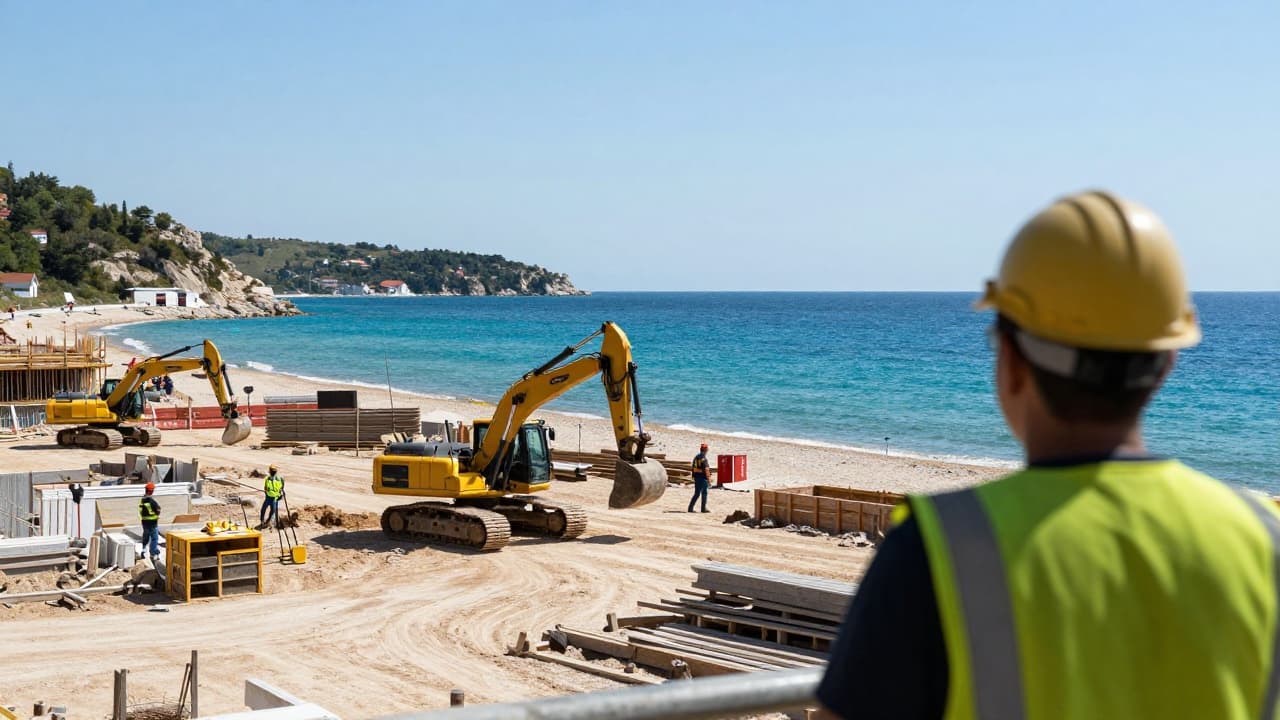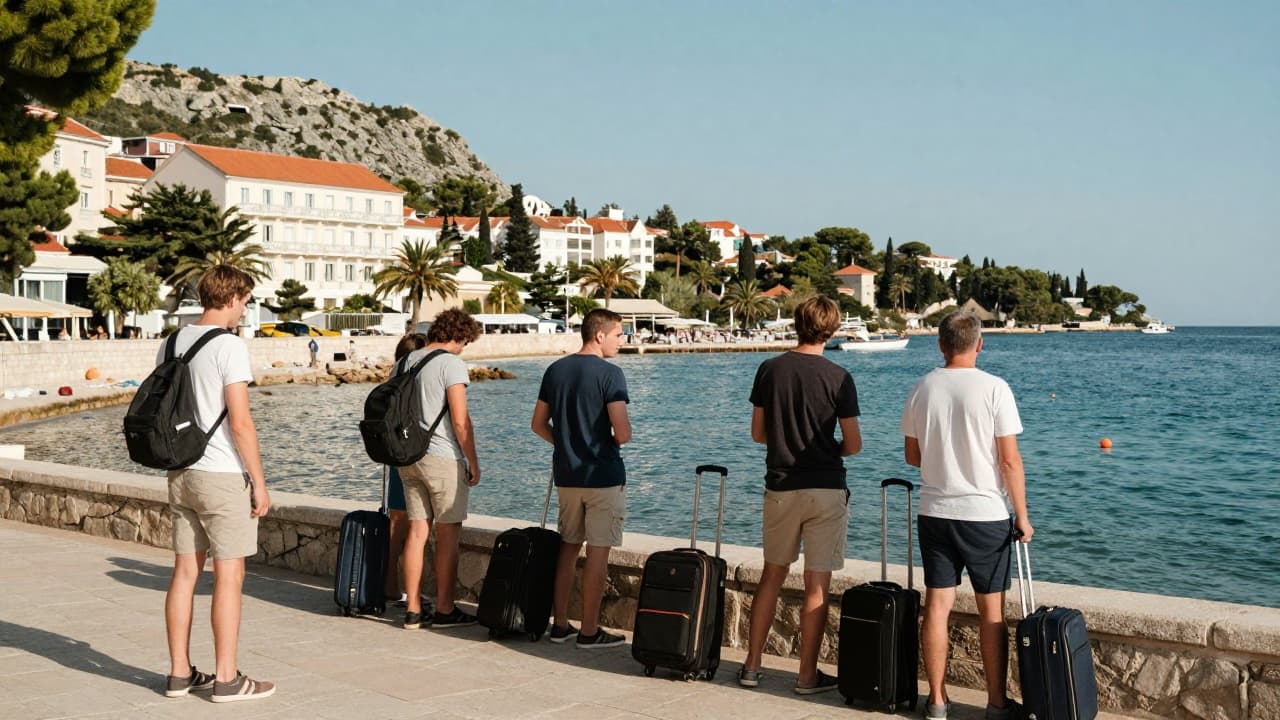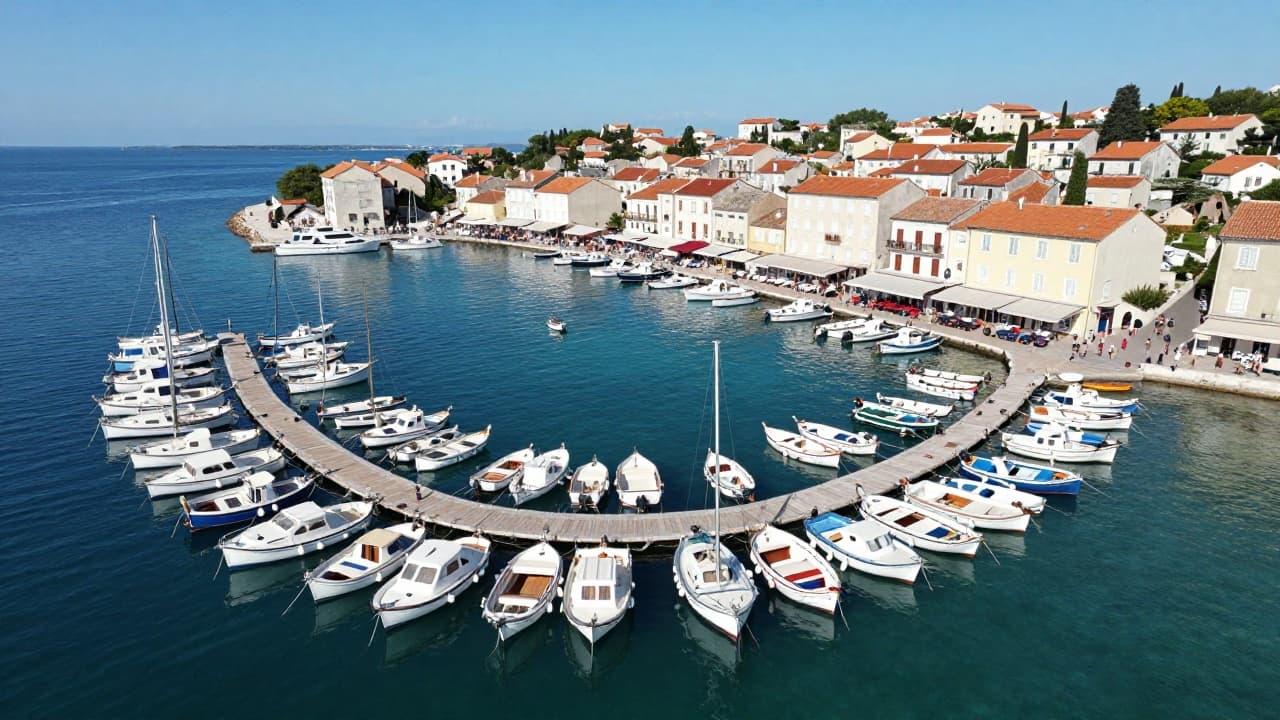
Prime Minister Andrej Plenković stated in a media address that the tourism season is expected to bring around 22 million tourists and approximately 110 million overnight stays, estimating that the 2026 year should end at roughly these figures. Revenue, he noted, should be approximately €15.9 billion.
Plenković thanked the organisers of the Council for the Management of Tourism Development meeting, as well as Mayor Peršurić, County Mayor Miletić, Minister Glavina, Croatian Tourist Board (HTZ) Director Staničić and their colleagues for their hospitality and excellent preparation of the meeting. He also referred to his visit to Buzet and the Young Olive Wine Days event in Vodnjan, congratulating Istria, the entire county and all tourism stakeholders on what he described as brilliant results.
Speaking on the structure of guests, the Prime Minister highlighted the growing number of Croatian tourists on the Croatian coast, noting that, regarding the Adriatic coast, Croatian tourists rank second, immediately after guests from Germany. He commented on the price-to-service ratio, stating that much has been said in recent years about this and that reasonable price formation has been pointed out. He assessed Italy, France, Spain, Greece, Malta and Cyprus as serious competitors and attractive destinations, noting that all these countries have the sea, sun, coastline, services, restaurants and everything else that Croatia has. He added that progress is not as significant as it was after the pandemic, when Croatia was the first to open up and achieved enormous growth, but that it is still growing.
Plenković also addressed the statement by Montenegrin Foreign Minister Ibrahimović regarding the demarcation between Croatia and Montenegro. He said that the land demarcation is being conducted based on the principles of the Badinter Commission, which proceeds from the premise that the republican borders of the former SFRY are to be established as borders between states, and reminded of the interim regime in force since 2002 and 2004, which precisely contains the land border. The draft agreement on the demarcation of the land border submitted by Croatia to Montenegro confirms exactly that, the Prime Minister said, emphasising that Croatia never seeks foreign territory, but will not give up its own, and that our position is clear, clean and will not change. He believes it is time to formalise what currently has a temporary status, noting that the demarcation with Croatia can be resolved on the same principle as Montenegro resolved its borders with Kosovo and Bosnia and Herzegovina.
He also commented on today’s youth strike, stating that it is part of European events initiated by certain youth organisations that have a specific ideological slant. He emphasised that he believes the Croatian Government has invested heavily in youth policy, educational infrastructure, reducing youth unemployment, increasing the number of permanent contracts and reducing the number of fixed-term contracts. He also conveyed that the entire purpose of the affordable housing policy is directed at young people and young families, reminding of the subsidisation of student meals, which cost €0.86 in 25 restaurants in cities where student centres exist.