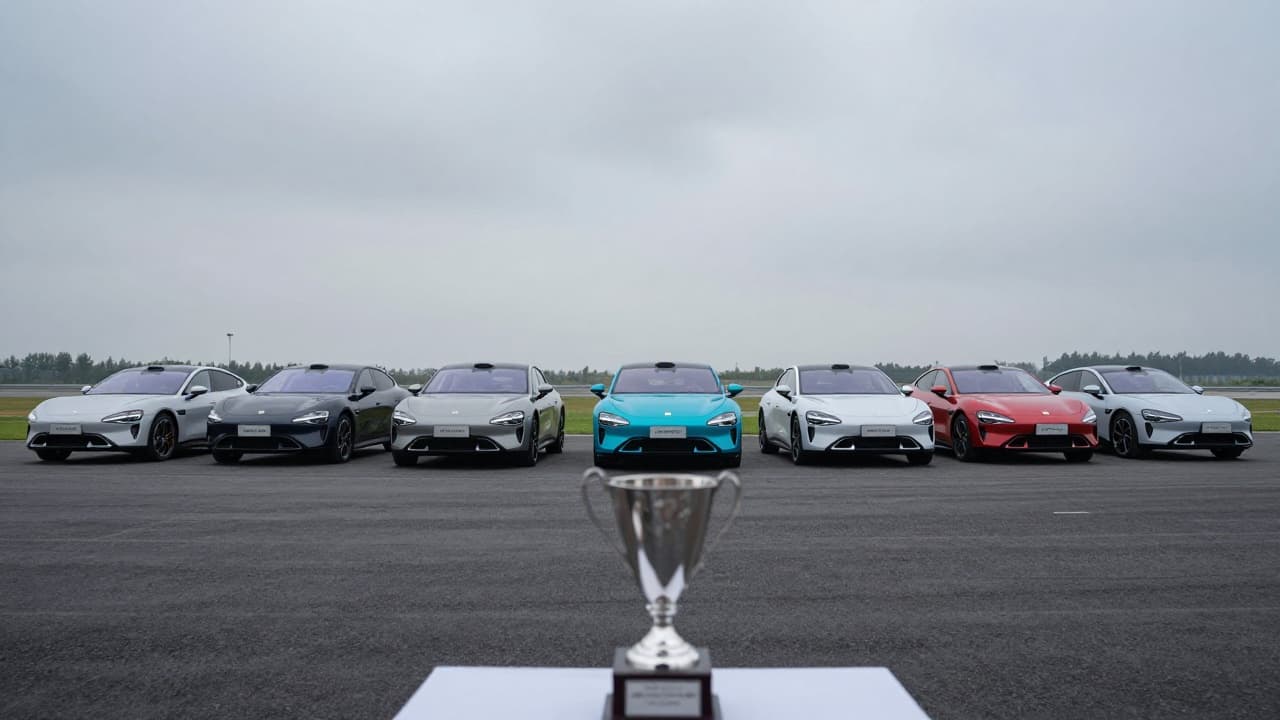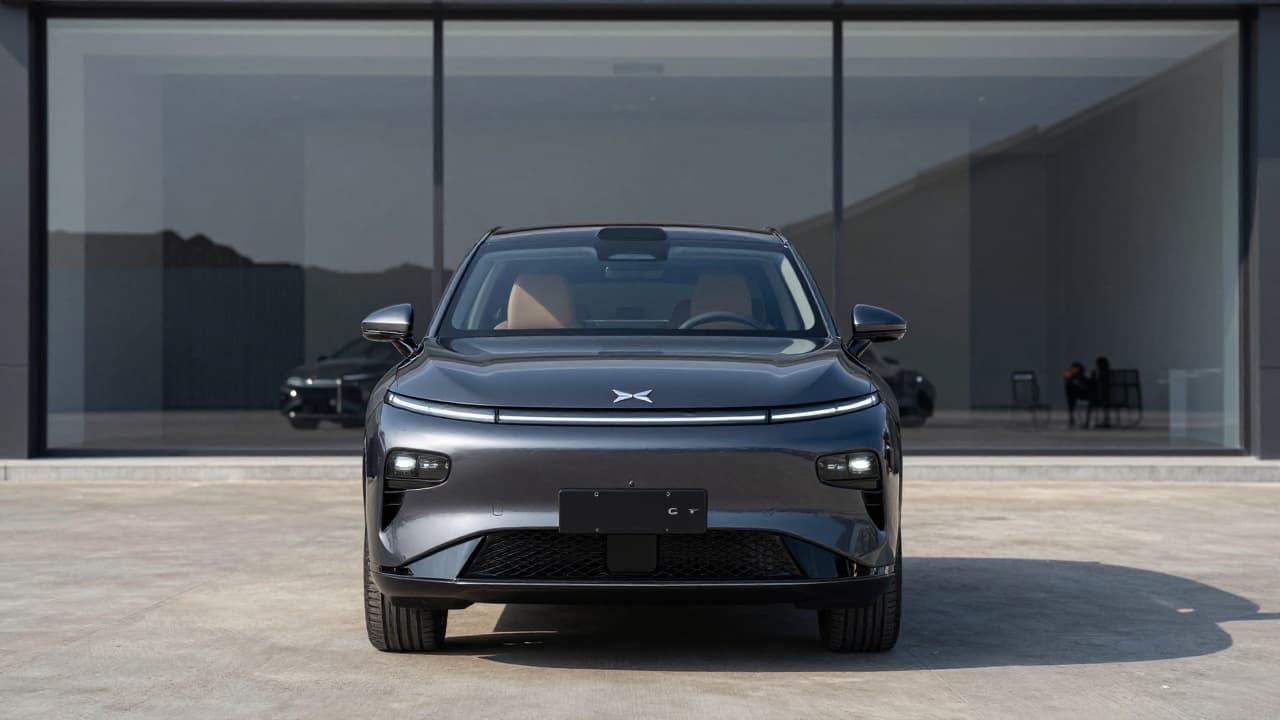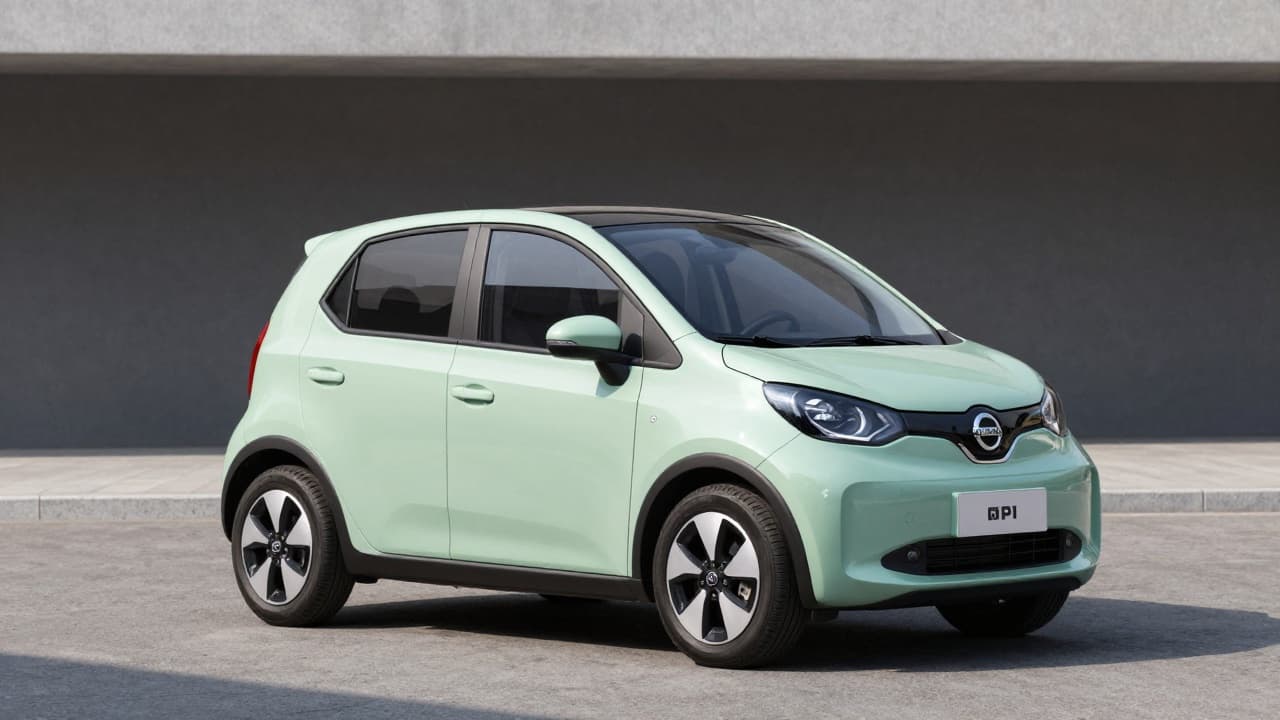
The organisation Euro NCAP published ratings on 18 November for ten new models, mostly SUVs. Nine of them were awarded five stars, with only the Nissan Leaf failing to achieve the top rating.
Euro NCAP has used a completely new system since January, announced back in November 2025. Instead of the previous categories, a car now receives four percentages. The first measures how much the car assists the driver in everyday driving, the second how successfully it prevents an accident on its own, the third how it protects people in a crash, and the fourth what happens afterwards, from extracting passengers to assisting rescuers. Points are now also awarded for things that were not previously considered, such as physical buttons instead of on-screen menus or warnings for a child left in the car.
Alongside Škoda, five stars were awarded to two German premium SUVs (Mercedes-Benz GLE and BMW X5), the Kia Seltos and five models from Chinese brands GWM and Lepas. A rating was also published for the Denza BAO 5, which is not directly comparable with the others.
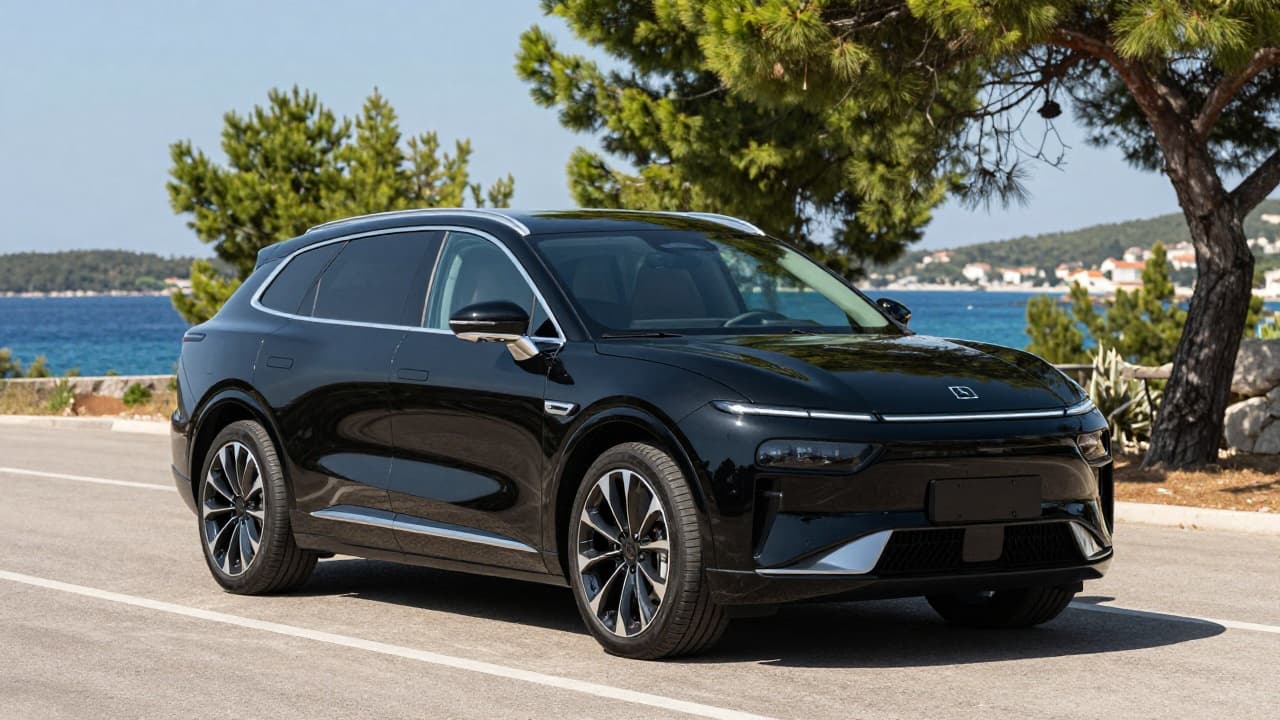
Peaq is Škoda’s new electric seven-seat SUV from the factory in Mladá Boleslav, tested in the Selection 90 version with a left-hand drive. For crash protection, it received 94 per cent, the highest under the 2026 rules. In no crash test, frontal, side or rear, did it lose points for driver and passenger protection. The airbag between the front seats is included in standard equipment. According to the Euro NCAP report, Peaq is missing up to 100 per cent primarily due to pedestrian pelvis protection, where it scores 73 per cent. In safe driving, it has 65 per cent, the lowest of the three European cars in the group. The safe driving category includes cabin controls and monitoring of the driver and passengers. Peaq received full marks for controls, with Škoda citing haptic buttons and voice control as reasons why the driver less often needs to touch the screen. It lost points for equipment it lacks: it does not recognise a child left in the car and does not monitor passengers sitting in an incorrect position.
In accident prevention, the diesel GLE and X5 lead. Mercedes is the best in the group in both active safety categories, with 74 per cent for safe driving and 87 per cent for crash avoidance. According to Euro NCAP, the Mercedes-Benz GLE would retain five stars even under the 2027 requirements. BMW also passed a separate on-road check. On a route across Spain, Italy and France, it correctly read the speed limit in nine out of ten cases (91 per cent), and measured by kilometres, the speed limit data was correct 97 per cent of the time. Euro NCAP concludes from this that speed limit assistance, a system with a poor reputation among drivers, does not have to be a nuisance if well implemented.
Chinese manufacturers have five of the nine five-star cars. Three of the five-star cars are Lepas, a brand that the Chery group is developing as design-oriented. The Lepas L4 has the best Chinese result in crash avoidance (84 per cent). The Lepas L6 and L8 PHEV have equal ratings and, with 95 per cent, the highest in the group for post-crash safety. The Lepas L8 PHEV was rated mainly based on tests of the L6 model, with which it shares its structure. None of the three Lepas models recognise an incorrectly fastened seatbelt, and the L4 and L6 do not recognise passengers in an incorrect position or their build. Of the two GWMs, the ORA 5, tested as an electric car (the rating applies to petrol and hybrid versions as well), is second in the group for crash protection (91 per cent). The GWM ORA 5 has maximum points for pedestrian protection in the pelvis and leg area, while its weak point is automatic braking when another vehicle approaches from the side. The hybrid GWM H7 did not fall below 69 per cent in any area.
The Kia Seltos received full marks in passenger monitoring: for seatbelt warning, for recognising passenger height and for a passenger in an incorrect position. It lost points in crash tests, due to chest protection for the front passenger in an offset frontal impact and pedestrian pelvis protection, so it has 84 per cent in that category.
The Nissan Leaf has the weakest results in the group in all four areas. It lags most in crash avoidance, with 58 per cent. Euro NCAP sees the reason for the poor result in the equipment: the Leaf does not have radars on the front corners as standard, so it does not receive points in most tests where another vehicle approaches from the side at an intersection. The airbag between the front seats exists only as optional equipment, so it was not tested. The Leaf does not warn about an incorrectly fastened seatbelt. Nevertheless, it received full marks for physical controls, for how much drivers accept the lane-keeping system and for assistance to rescuers in extracting passengers. The first Leaf was in 2011 the first electric car with five stars, and the second generation was in 2018 the first car rated under the then-introduced rules, also with five stars.
The Denza BAO 5, a plug-in hybrid SUV from BYD’s premium brand, received five stars. It was rated mainly under the 2025 rules of the Australian ANCAP, and not under the Euro NCAP framework for 2026, because it first launched on the Australian market. Euro NCAP does not publish percentages for the new areas for the Denza BAO 5, so it is not in the table.
Škoda Peaq has 5 stars, 65 per cent for safe driving, 78 per cent for crash avoidance, 94 per cent for crash protection and 92 per cent post-crash. GWM ORA 5 has 5 stars, 70 per cent for safe driving, 71 per cent for crash avoidance, 91 per cent for crash protection and 92 per cent post-crash. Mercedes-Benz GLE has 5 stars, 74 per cent for safe driving, 87 per cent for crash avoidance and 90 per cent for crash protection.