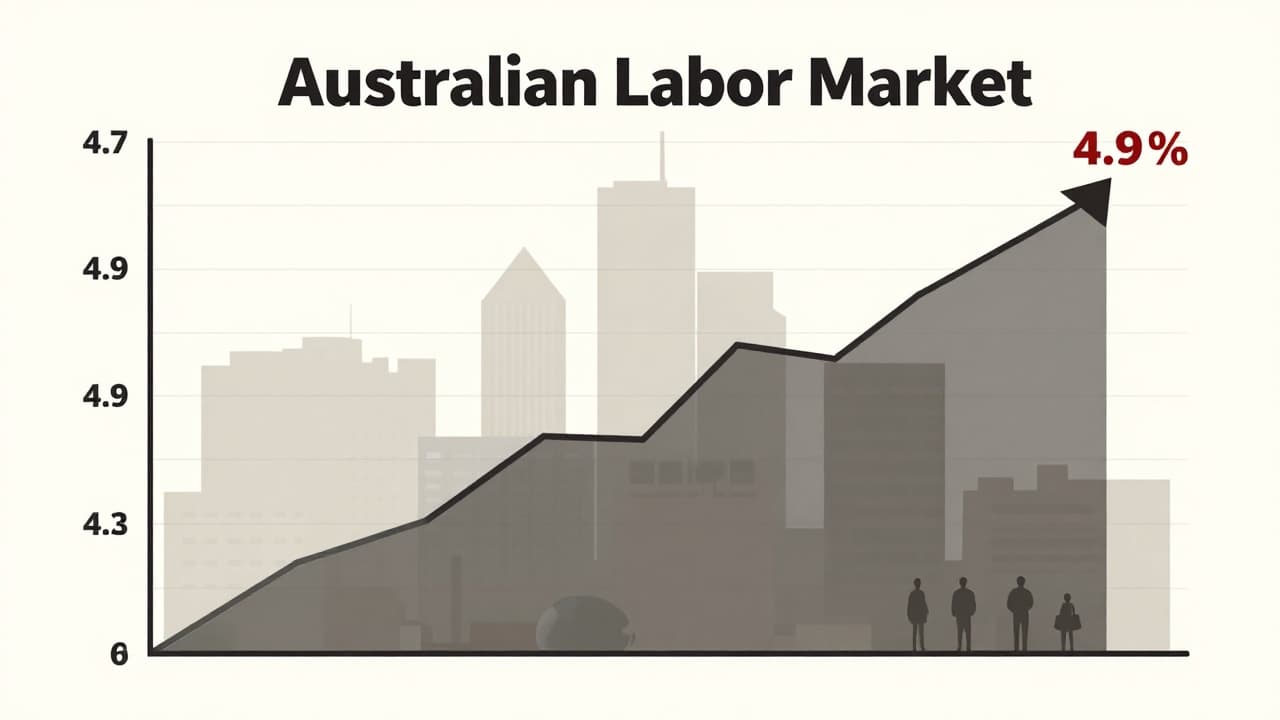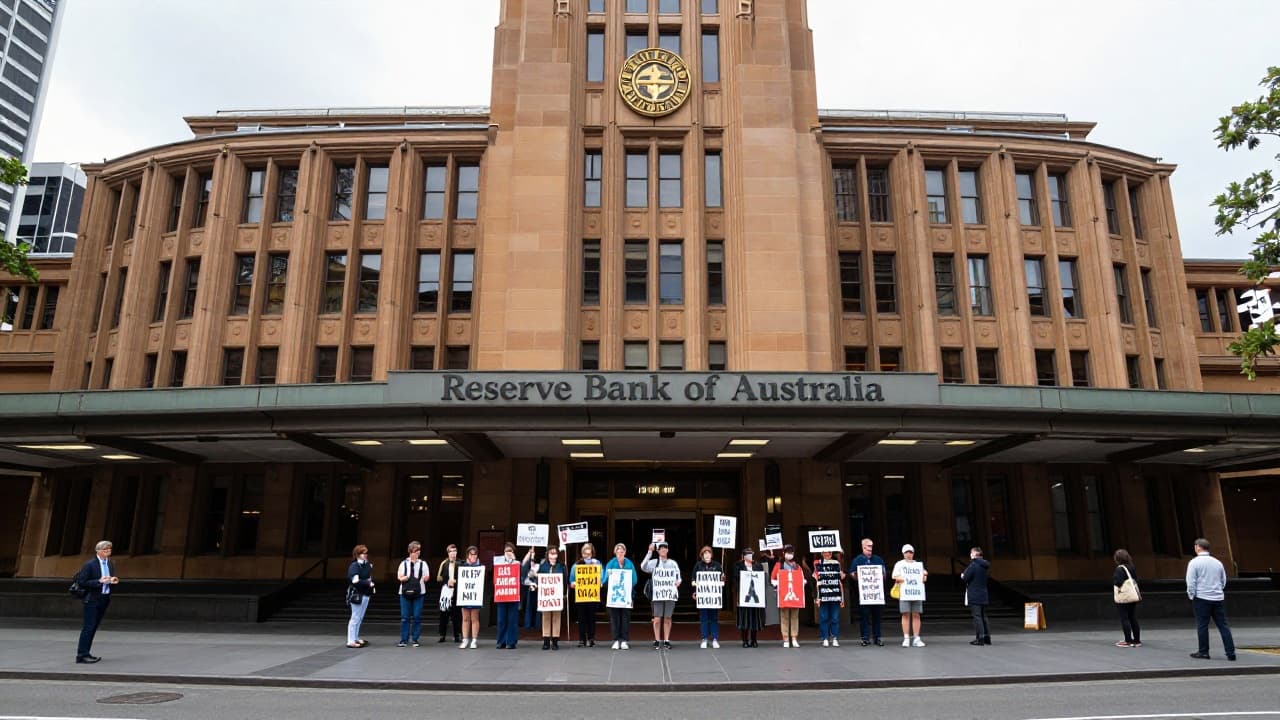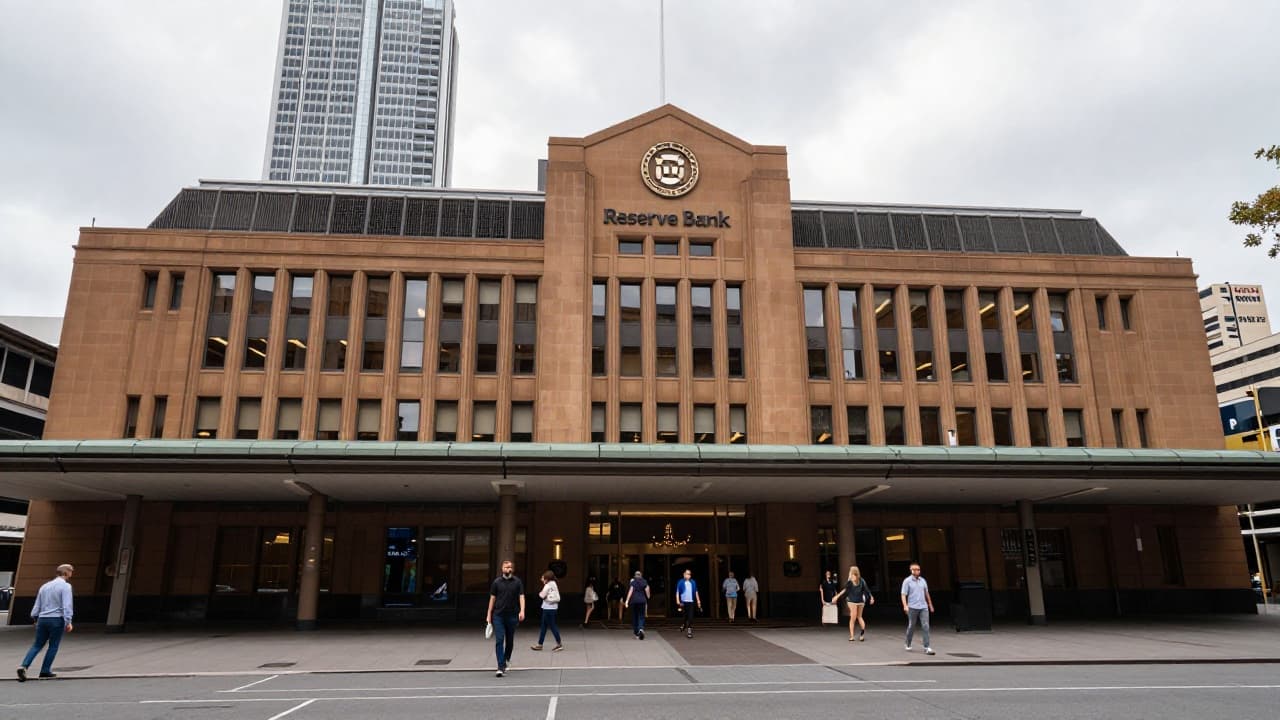
Inflation in Australia rose to 4.9 per cent in the year to October, the Australian Bureau of Statistics announced on Wednesday. This marked a jump from the previous 4.3 per cent and a level that is nearly double the central bank’s official target of 2.5 per cent.
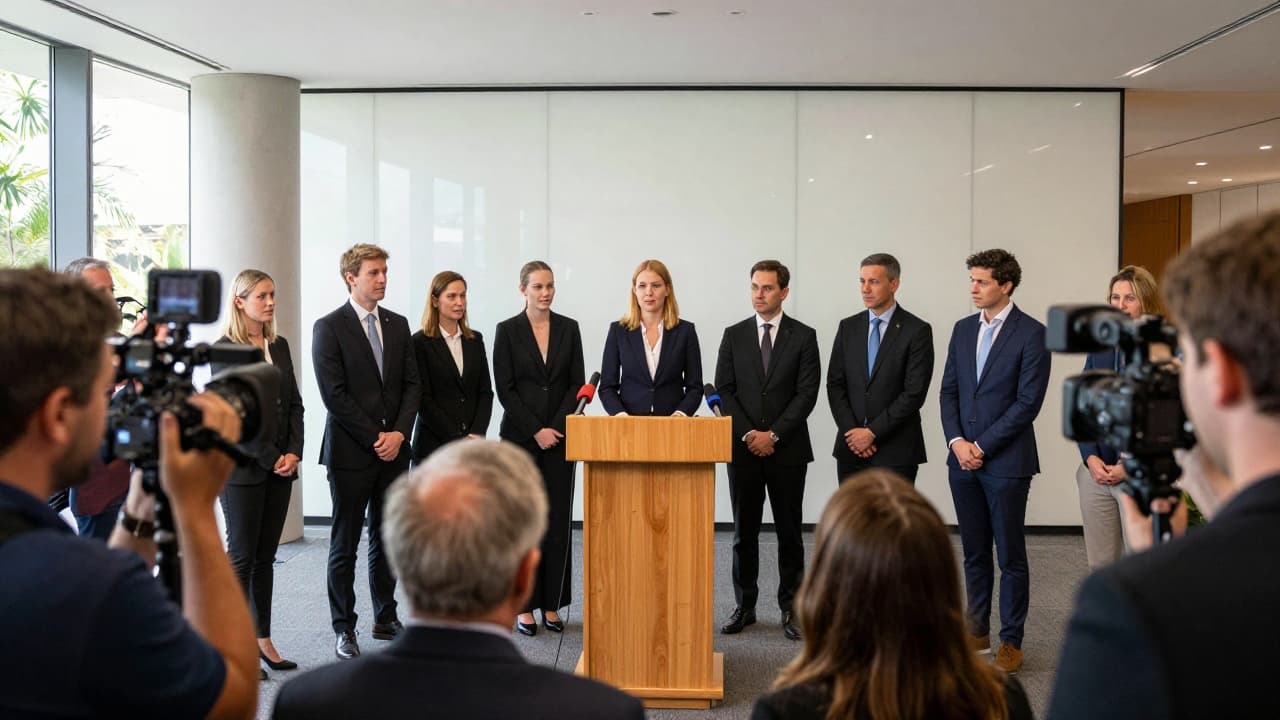
Treasurer Jim Chalmers stated that it was a "very serious moment for our economy". He also noted that 2026 "had been an exceptionally difficult year for people". Chalmers is preparing to present a mid-year budget revision in three weeks and promised "significant savings" that would help ease inflationary pressures. "There is no amount of responsible cost-of-living assistance or budget savings that will eliminate this inflationary challenge overnight," he said.
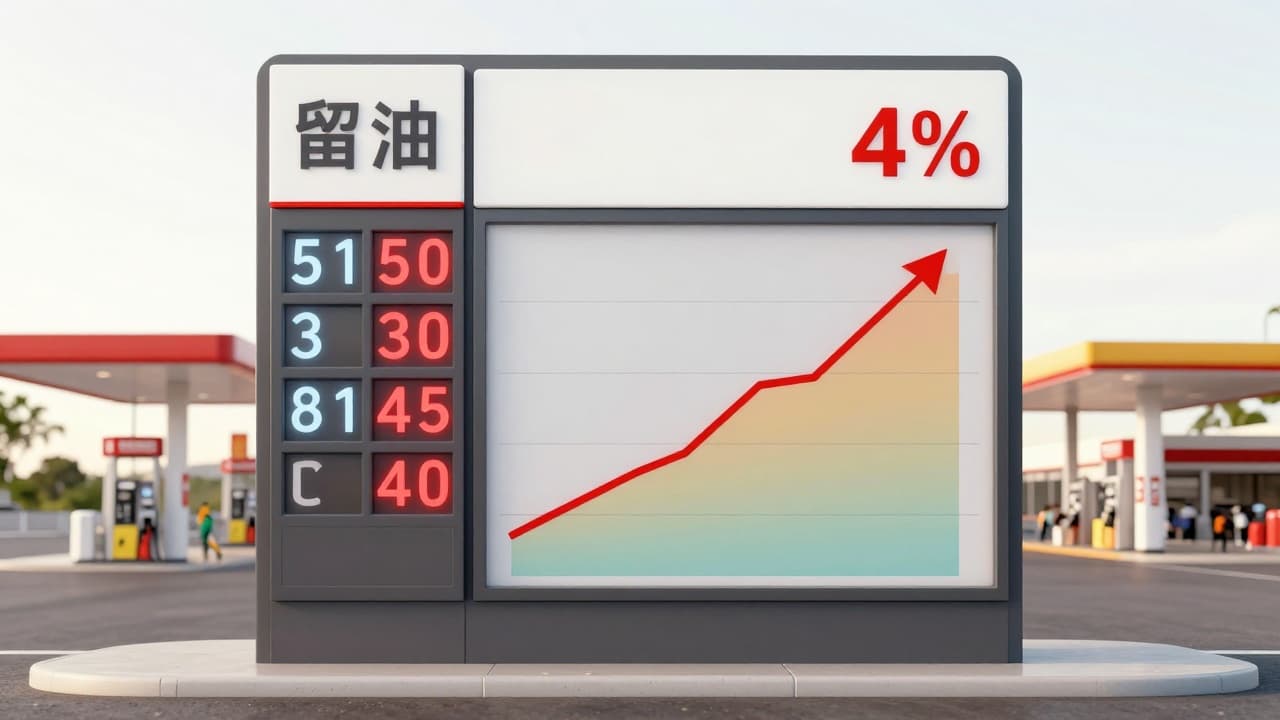
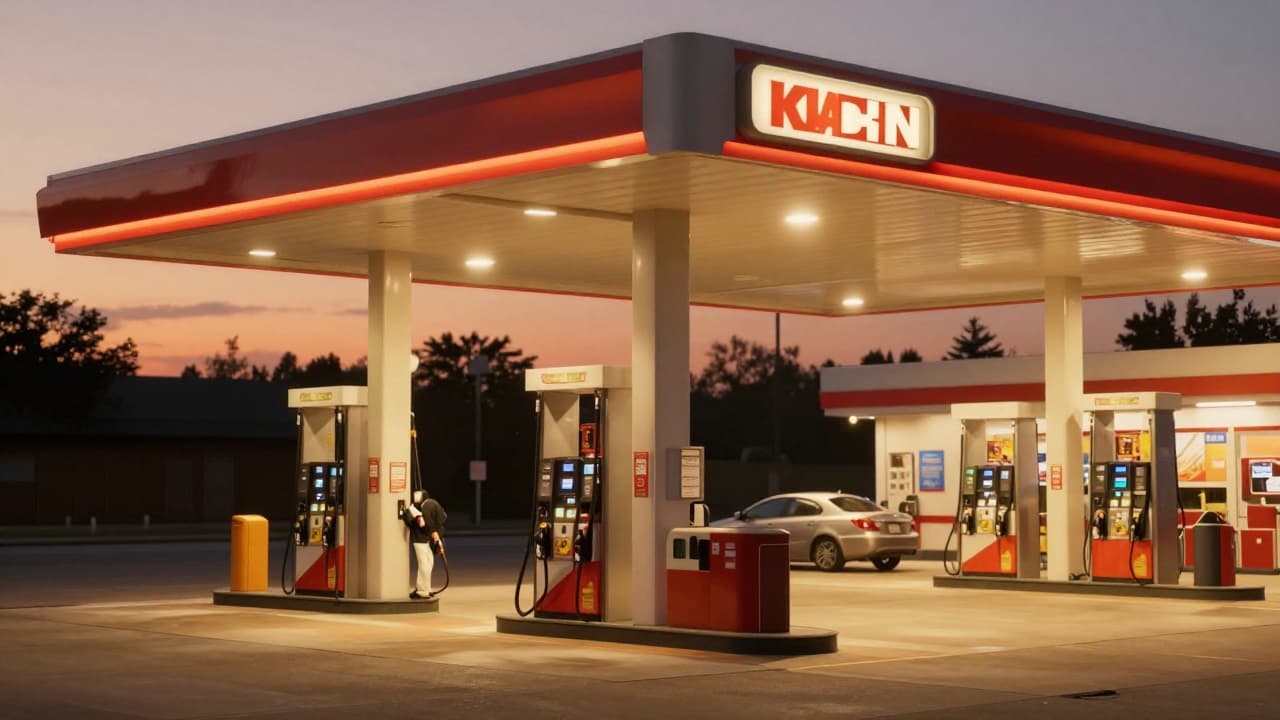
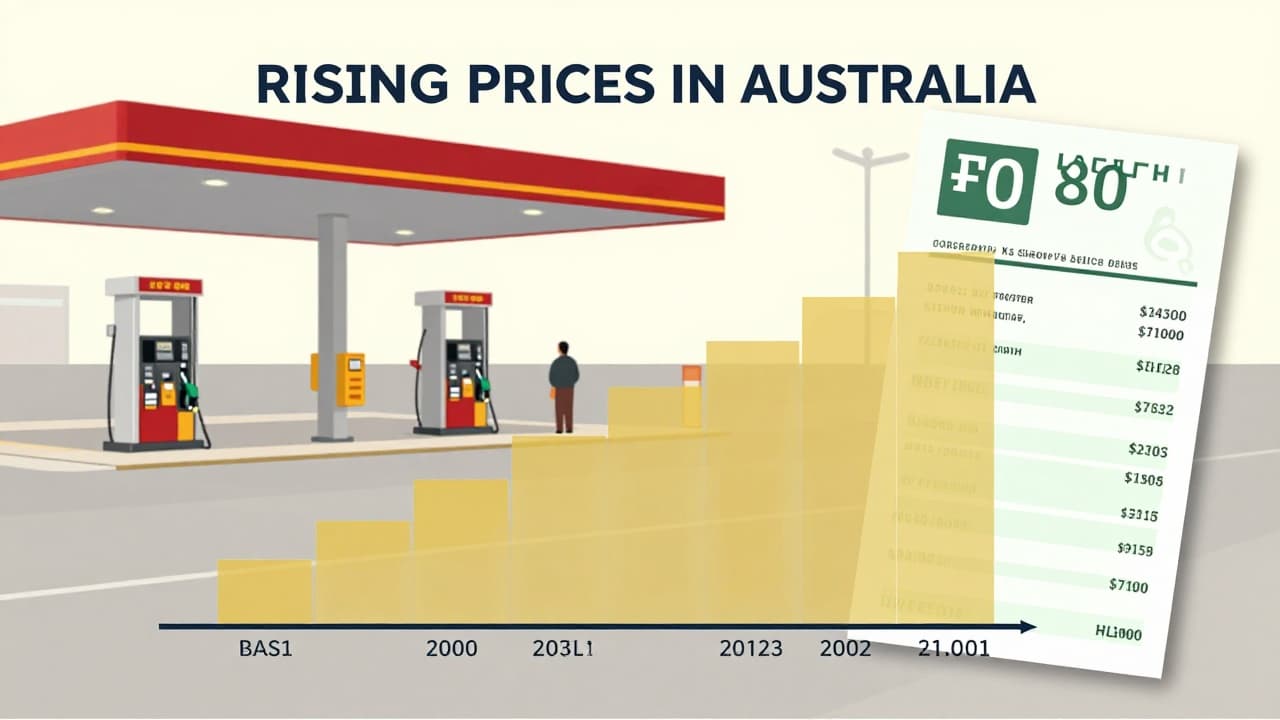
According to the statistics bureau, the rise in consumer prices was driven by "temporary shocks" — a sharp increase in fuel costs and the cessation of electricity bill subsidies. Fuel prices in October rose 6.3 per cent, and were around 33 per cent higher over the year. Electricity prices were 25 per cent higher than a year earlier, reflecting the removal of government subsidies.
Rachael McCririck, head of the price statistics bureau, said that removing the impact of "temporary shocks" to fuel and electricity provides a better picture of underlying price pressures in the economy. The central bank prefers the "trimmed mean" measure, which rose to 3.8 per cent, while economists had expected it to remain at 3.6 per cent. Construction cost inflation accelerated to 5.1 per cent from 4.7 per cent, as builders passed higher labour and material costs on to buyers. Prices for childcare, hairdressing services and insurance rose by more than 5 per cent over the year.
Analysts believe the central bank will not resort to a sixth rate hike at its meeting on 7 and 8 December. Brendan Rynne, chief economist at KPMG, said that "today’s inflation jump is not the kind of jump the central bank wants to see, but it still probably will not lead to a further rate increase this year". He expects the bank to wait until February. Taylor Nugent, senior economist at NAB, stated that "our view remains that the central bank has finished raising rates" and expects two cuts next year, starting in August, and possibly three during 2027 if the labour market worsens.
Stephen Smith of Deloitte Access Economics assessed that the figures "highlight the difficult balance the federal government faces". "The Treasurer must try to present a budget revision that cuts enough to reduce pressure on inflation, but avoids wrecking an economy on the brink of a downturn," he said. Unemployment has reached a five-year high, cost-of-living pressures are peaking ahead of Christmas, and there is fear that Australia could fall into recession next year. Economists are nevertheless confident that price pressures have peaked and will decline during 2027.