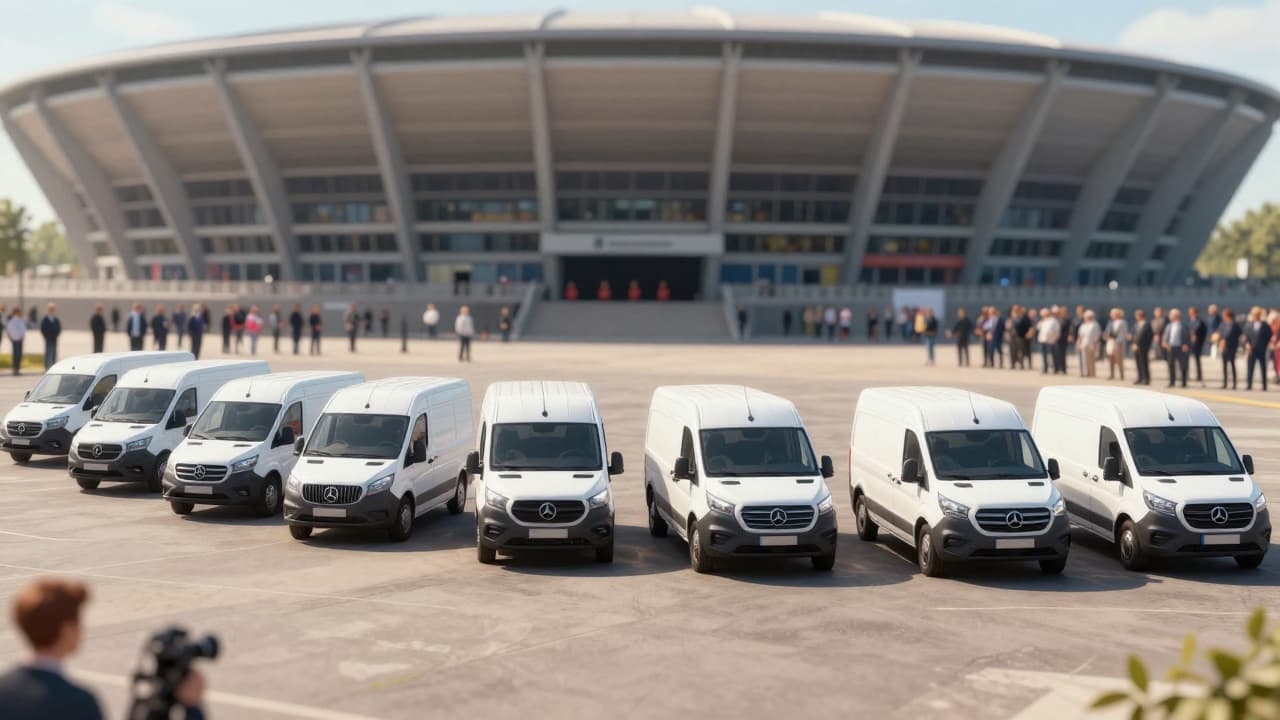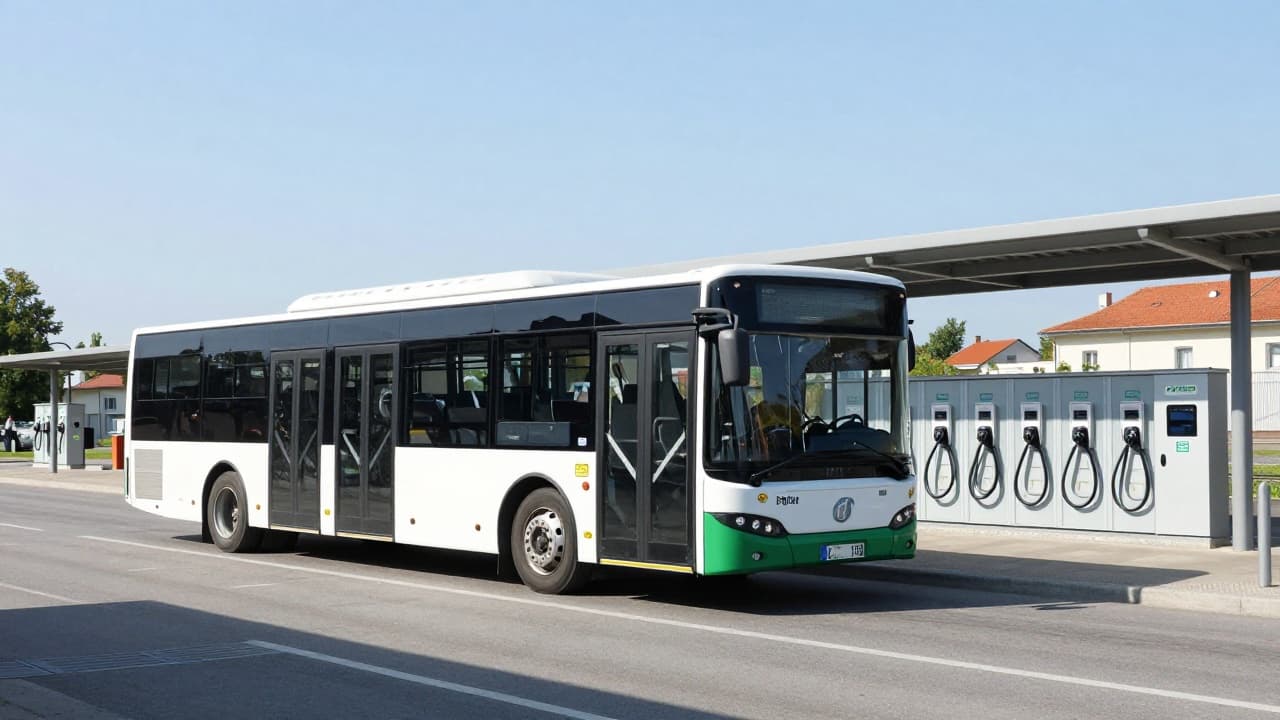
Electric buses have yet to reach the streets of Šibenik, despite the delivery of 12 vehicles being due significantly earlier. Gradski parking (City Parking) signed contracts for the procurement and delivery of eight large, two mid-sized and two mini Higer brand buses with Labinska Novatec on 26 January 2026. The contracts are worth a total of 4.84 million euros excluding VAT, and the tender stipulated a contract duration of 120 days.
The 120-day deadline expired at the end of May. Gradski parking director Goiran Bulat stated in January that the bus delivery was expected during the summer, and according to him, the buses were to begin operating at the start of September or the beginning of the school year. The first contract addendum was signed on 13 August for all three bus groups. Notices regarding the contract amendments published on 14 September state that the new deadline for the delivery of the 12 electric buses is 20 October, with the reason for the first addendum cited as force majeure.
The buses were not delivered by 20 October either. A new contract addendum was signed on that very day, when the first extended deadline expired. The reason for the second contract addendum is again force majeure, and it does not state until what date it is now valid. According to unofficial information from Šibenik’s Gradski parking, other Croatian cities such as Rijeka, Osijek, Zadar and Sisak are in the same situation. The Gradski parking director asked for patience and announced that he would speak on the topic at a press conference next week.
Rijeka’s Autotrolej signed contract addenda with Novatec on 20 October for 12 buses of the same brand. Autotrolej’s announcement states that the final delivery deadline for the buses for Rijeka is 20 December 2026. If the supplier fails to meet the deadline, Autotrolej can terminate the contracts without adverse consequences and claim the performance bond. Autotrolej cites a lack of shipping space for transporting vehicles from China and navigation around the Cape of Good Hope instead of through the Suez Canal as the reason for the delivery delay. The same statement notes that delivery has also been postponed for Osijek, Šibenik, Sisak and Zadar, totalling 60 vehicles. The Ministry of the Sea, Transport and Infrastructure and the agency SAFU agreed to the deadline shift and extended the duration of the European project.
At the bus station in Šibenik, the construction of a charging station, specifically 12 charging points and a new substation, was completed at the end of August. This work was worth 1.66 million euros. The biggest novelty is the introduction of two new bus lines. The first new line would connect the Vrulje wharf and Rokiće, while the second would operate along the Šibenik promenade, from Doc to the Vrulje wharf. The arrival of the new buses would further relieve the existing 12 hybrid buses and enable a greater number of departures on existing lines. With the new electric buses, Gradski parking would also take over lines currently covered by subcontractors in its name and on its behalf.
Šibenik mayor Željko Burić said at a City Council session held in June that the new 12 buses would be sought through new millions of euros in subsidies. 2.1 million euros is allocated from the city budget for public transport. Gradski parking responded at the end of July that no changes to ticket prices are currently planned. Šibenik already has one of the lowest prices for urban public transport in Croatia, and the goal is to maintain affordable prices while simultaneously raising the quality of service.