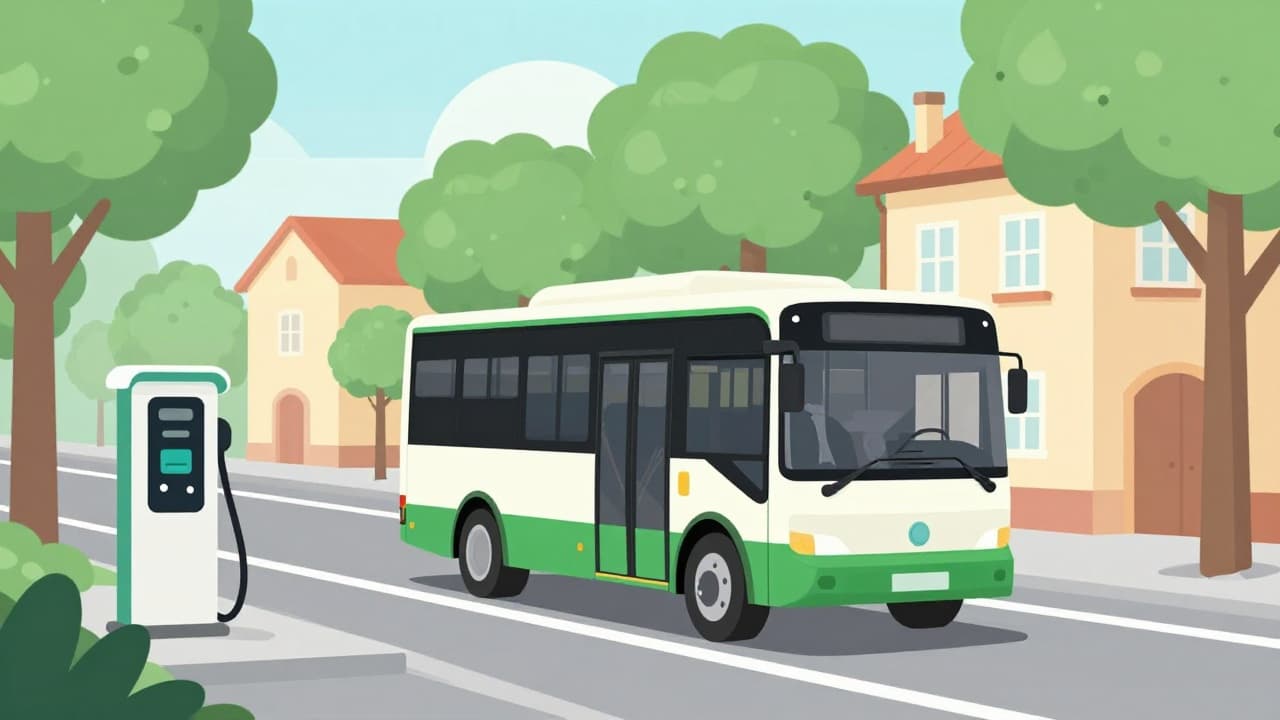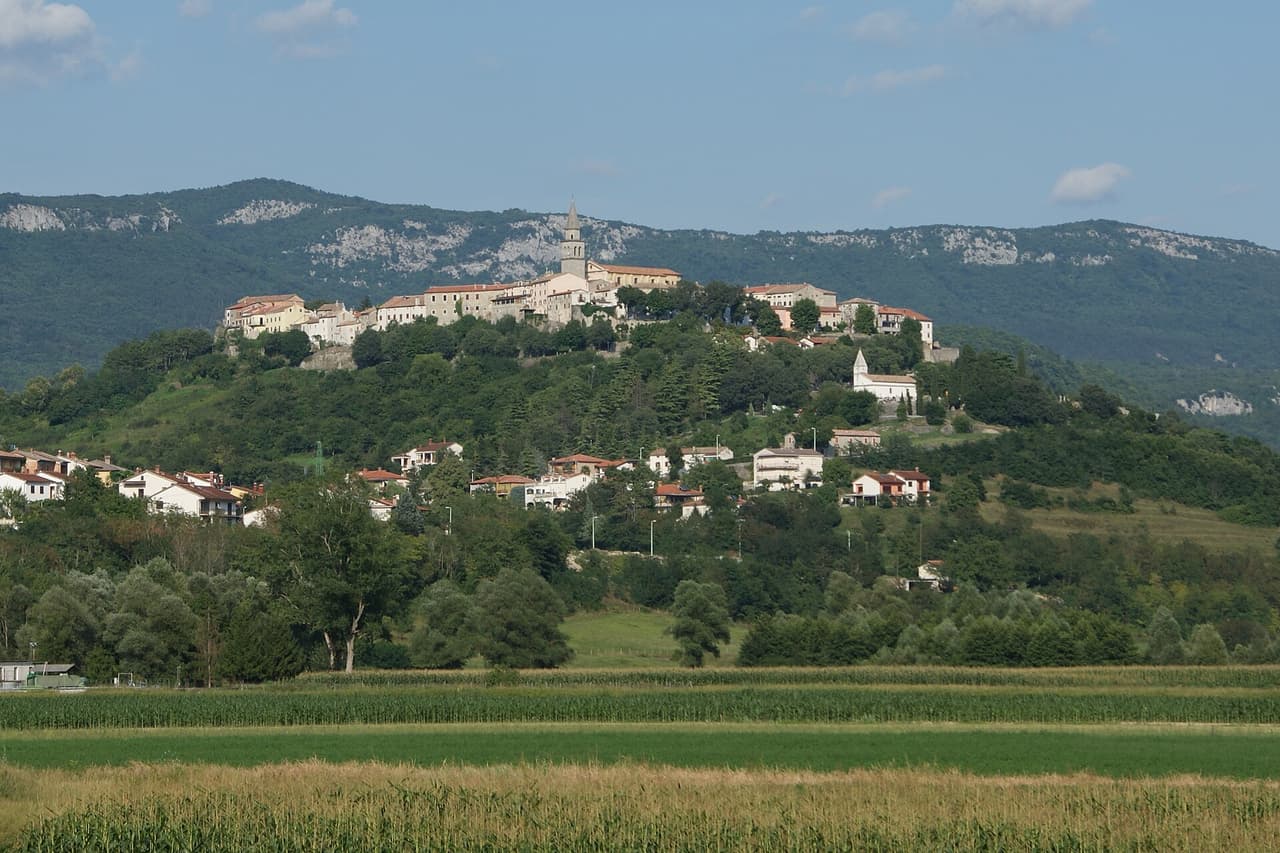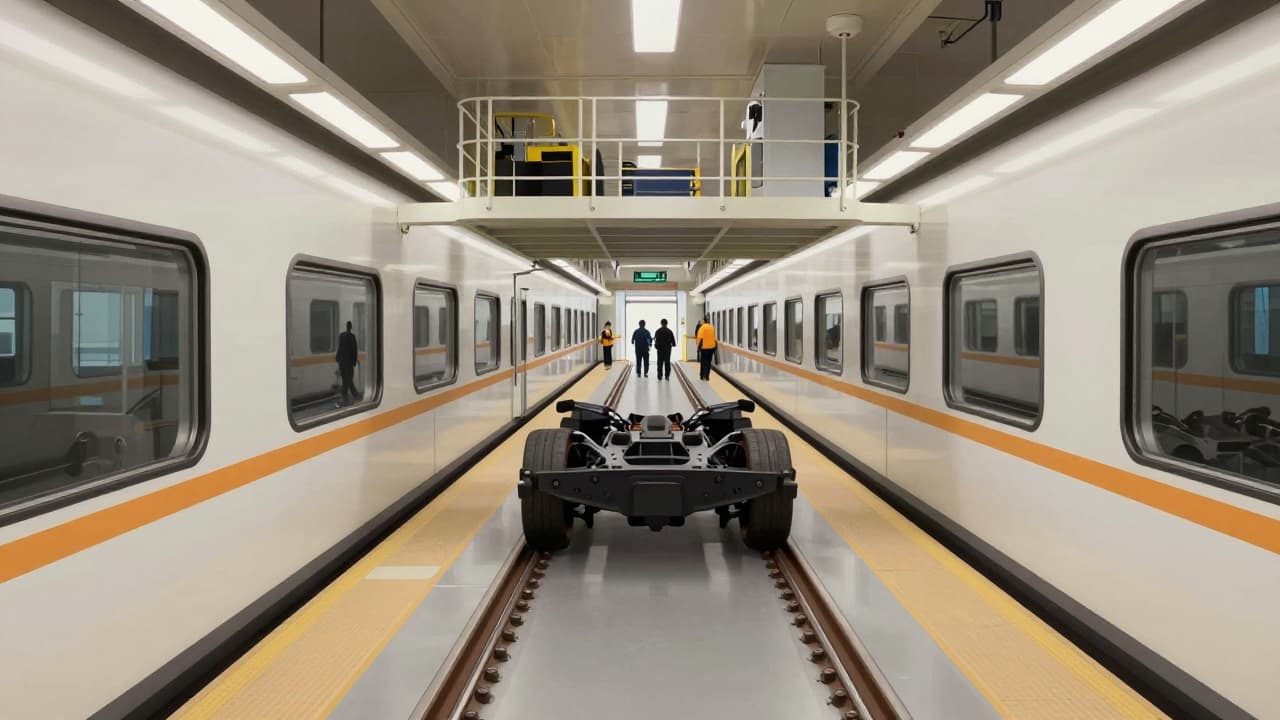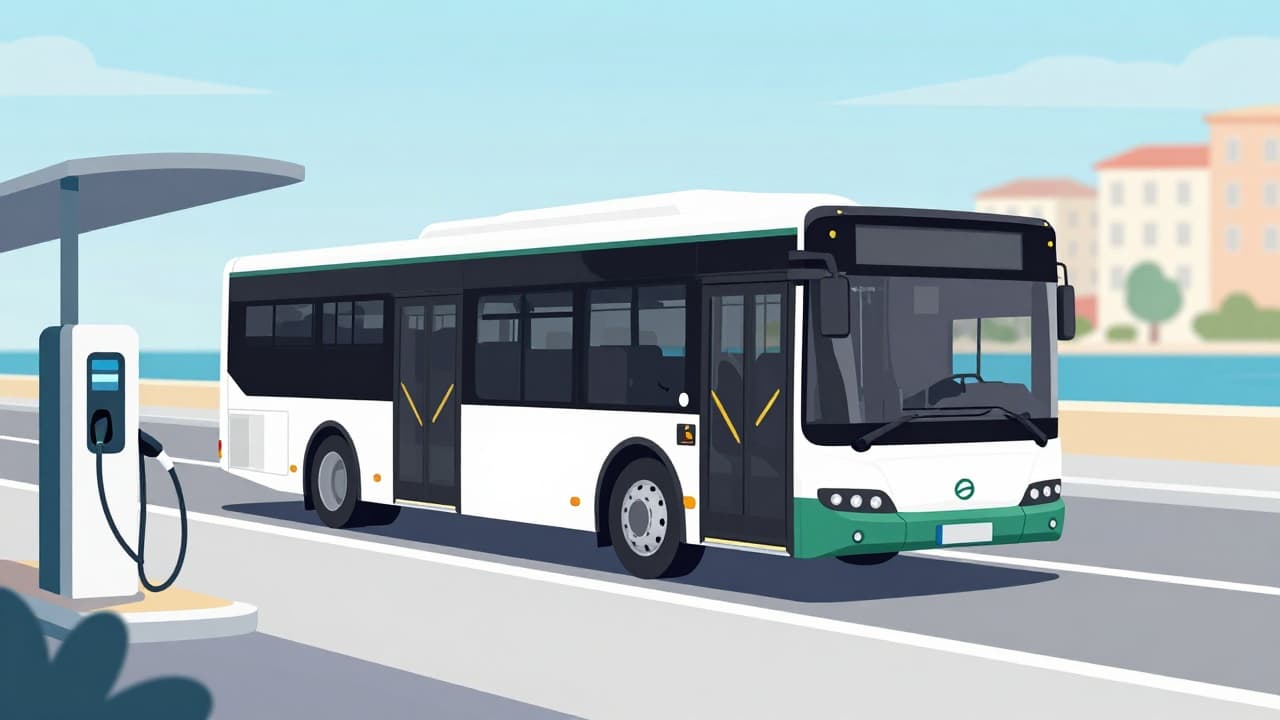
Public transport in Pula has, from this week, started running on electricity. Pulapromet has completed the construction of a charging station for electric buses and, on 9 July, presented six new vehicles, with a further six due to arrive by the end of August.
The new charging station has 14 charging points. According to Tomislav Josipović, director of Pulapromet, the project, with the exception of part of the construction works, was fully funded by European funds through the Recovery and Resilience Plan, with seven million euros allocated for the buses and two million euros for the charging station.
The mayor, Peđa Grbin, said that after the delivery of all the vehicles, the fleet would have 13 electric buses, while the remaining buses would run on gas. "There will be no more diesel buses after this," Grbin said. The total value of the investment was estimated at around two million euros for the charging station and 6.5 million euros for the buses, including VAT.
Grbin announced the next step: solar panels will be installed on the roof of the canopy at the depot, producing electricity for charging the buses. Pulapromet adds that it is already preparing to build a photovoltaic power plant.
Josipović described the introduction of electric buses as a historic moment for the city. He recalled that Pula had received an electric tram in 1904, which ceased operation between the two world wars.
The electric buses do not emit CO₂ or other greenhouse gases, and are cheaper to operate than diesel buses, as electricity is cheaper than diesel, the company highlighted.