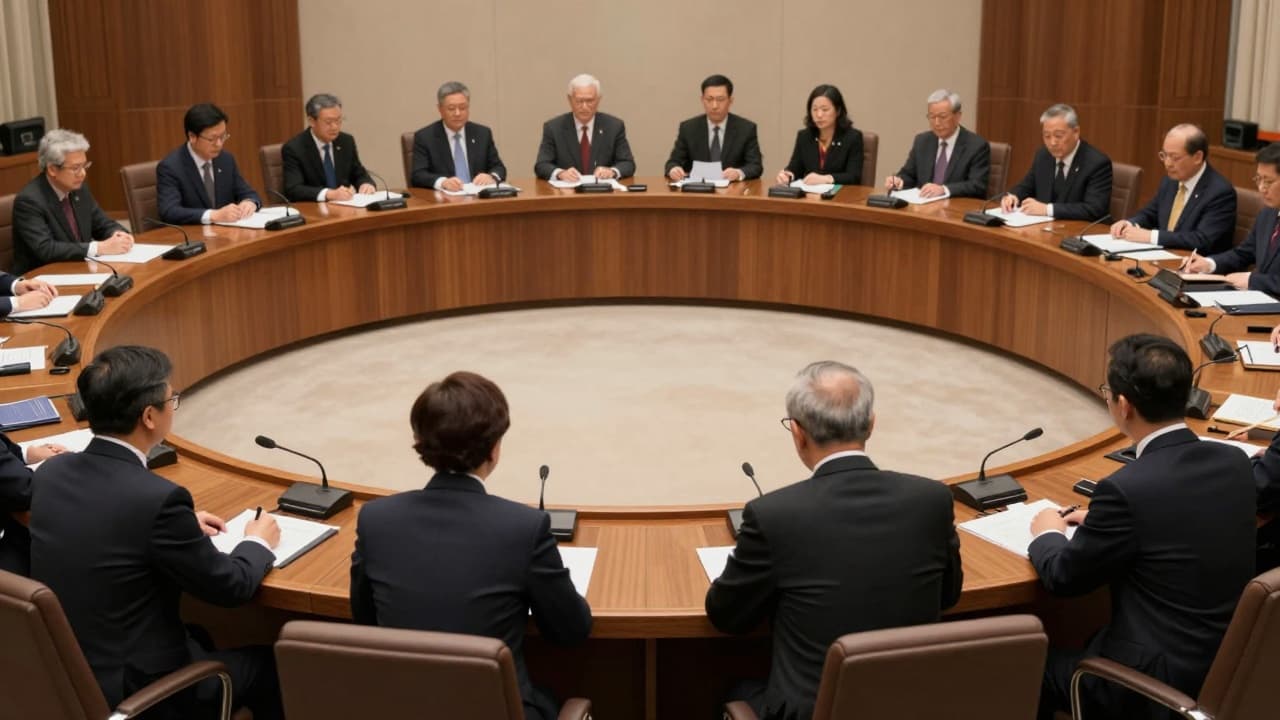
The Dubrovnik City Council approved the second budget rebalance for 2026 by a majority vote today, increasing the budget by €11.1 million to a total of €220.8 million. The rebalance was supported by 13 councillors from the ruling coalition comprising HDZ, DDS, DUSTRA, HSU and Croatian Sovereigntists, while five opposition councillors from SDP, Centar and the Srđ je Grad party voted against it.
Mayor Mato Franković highlighted support for young families in resolving housing issues as one of the key items, for which an additional €450,000 has been secured, bringing total allocations to €1.35 million. He warned that young people across Europe are finding it increasingly difficult to secure their own homes because capital is increasingly taking precedence over demographics, and pointed to the problem of a large number of apartments in Dubrovnik being used for short-term tourist rentals.
Franković stated that the so-called association 'Save Small Family Landlords' is not an association of small family landlords, but of those who have dozens and dozens of apartments converted into holiday lets. He said that this is why young people are on the streets and that there will be more of them, as a tent is the only remaining option for them to live in.
An additional €2.3 million has been secured for early and pre-school education, funds needed due to a 10 per cent increase in salary coefficients for employees, the hiring of new staff and higher subsidies for private kindergartens. Additional funds have also been secured for the 'Ragusa' Centre for the Elderly. Franković said that the centre has entered the state network of retirement homes for groups 3 and 4, but that the City of Dubrovnik will allocate €3.5 million annually to ensure the price remains affordable for users in groups 1 or 2.
An additional €1.4 million has been secured to subsidise city public transport, bringing the total annual expenditure for public transport to €3.4 million. Franković stated that the company Libertas, despite all its commercial activities, cannot financially keep up with wages, costs and rising fuel prices, and that savings will be achieved when buses switch to electric power.
The City of Dubrovnik decided to exercise its right of first refusal and allocate €4.1 million to purchase the Bonda-Majstorović summerhouse, whose space would be used for the accommodation of people with special needs. According to Franković, the state should finance the renovation and equipping of the summerhouse.
Expenditure on municipal services has been increased by €2.2 million. An additional €250,000 has been secured for the maintenance of public green areas, €298,000 for the maintenance of traffic surfaces, and €500,000 has been allocated for the purchase of land needed for the construction of a road to the Nunciature. An additional €246,000 has been secured for professional firefighters, an additional €250,000 is planned for the 'Advent in the City' programme, and €566,000 for festive lighting.
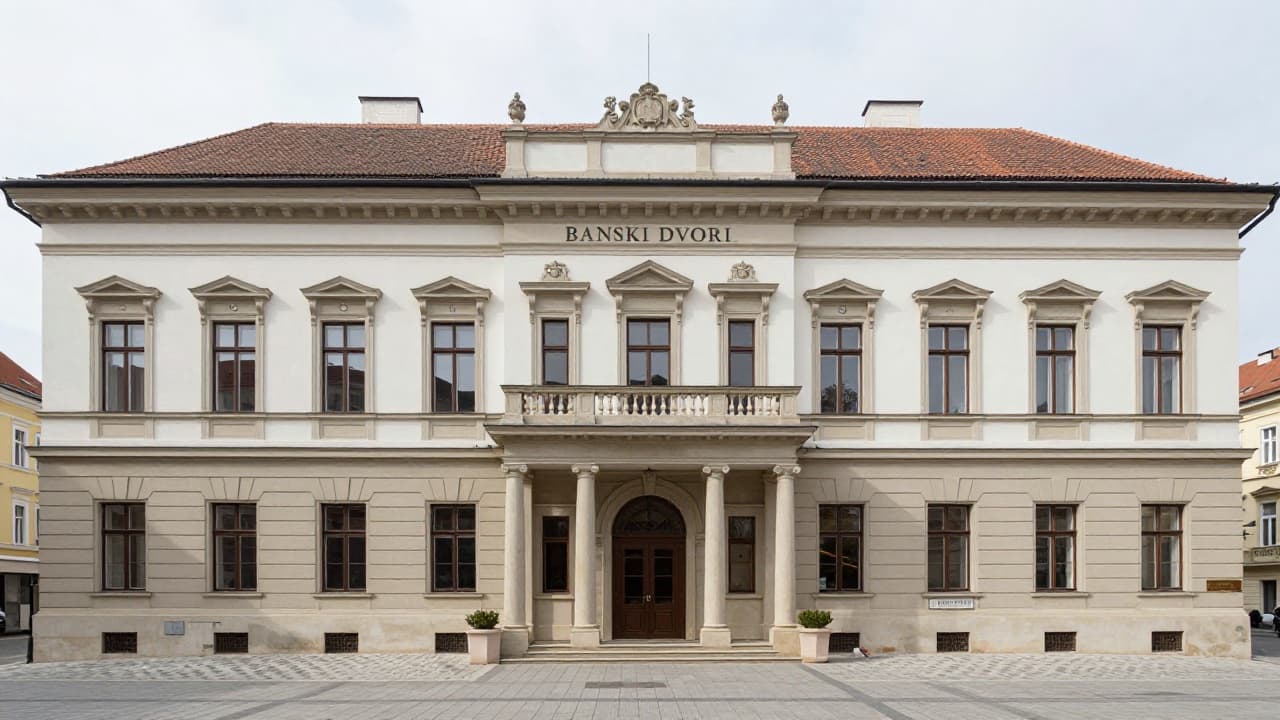
SDP councillor Anita Bonačić Obradović asked why the city had not exercised its right of first refusal for a property worth €1.4 million which previously housed a kindergarten. She warned that the city is investing €2.6 million in the renovation of the Bishop's Palace for kindergarten needs, even though the property is not in city ownership, and that after renovation the city will only be able to use the space for eight years. She also asked who had prepared the analysis on which these decisions were based.
Franković replied that the offered property was actually a ruin and an empty space accessible only by passing through a neighbour's residential space. He stated that there had not been a kindergarten there, but only one group temporarily in inadequate space, and that they had obtained building rights for the Bishop's Palace.
The Dubrovnik Democratic Assembly (DDS) supported the rebalance. DDS councillor Jasmin Deraković praised the additional investments in kindergartens and schools as well as Christmas bonuses for elderly citizens. Councillor Petra Marčinko from the Srđ je Grad party warned that the city transport operator Libertas must improve its operations, highlighting that the digitalisation of the company's system is still at a very low level. She also stated that the new electric buses have a smaller capacity and that it happens that guests from cruise ships use public transport instead of their own buses. According to her, public transport should be encouraged, but the quality of service must not be to the detriment of citizens.