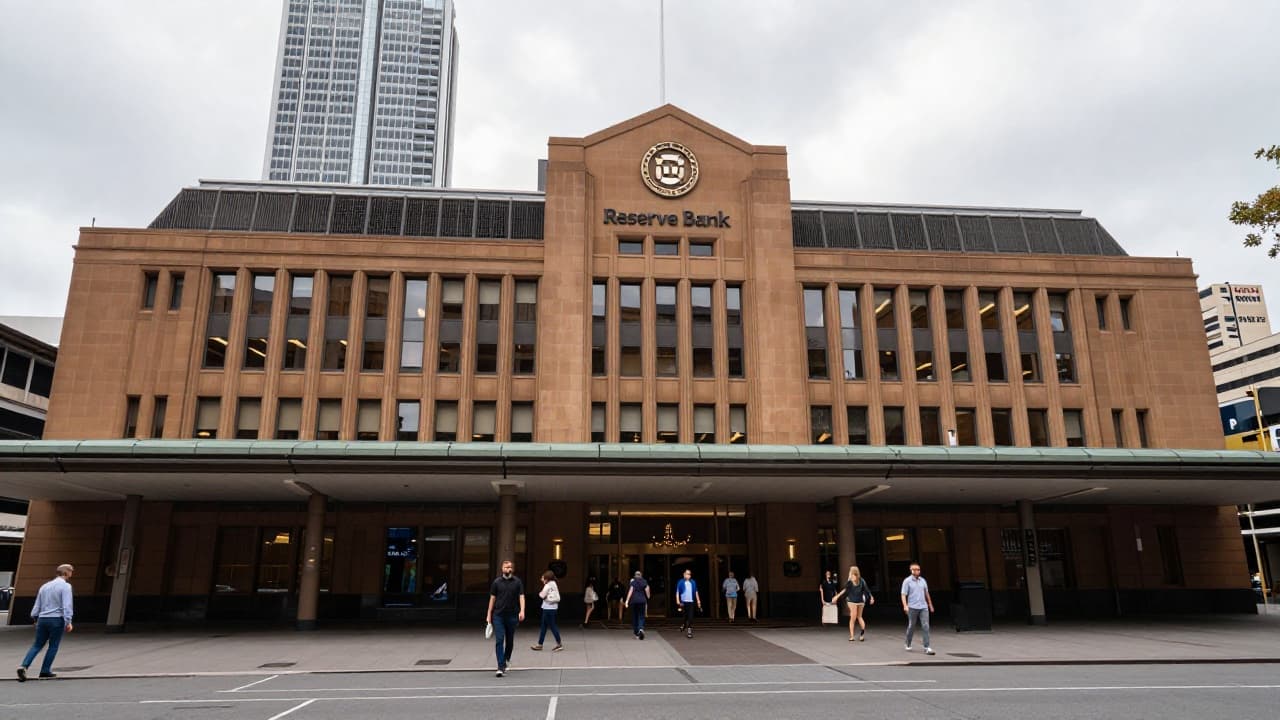
Ante Žigman, Governor of the Croatian National Bank (Hrvatska narodna banka), expects inflation in Croatia to fall to approximately three per cent during 2027, but warns that much will depend on geopolitical circumstances and energy prices. Appearing on HRT’s central Dnevnik programme, he discussed inflation, interest rates, the growth of household lending and economic risks.
According to Žigman, energy price inflation has reached around 20 per cent, and without geopolitical shocks, total inflation would be between two and three per cent. The price of oil was around 60 dollars per barrel a year ago, while it reached 110 dollars two weeks ago. Service prices have risen by 7.5 per cent. "We expect easing in 2027, although we face pressure on service price increases every year. Food prices may be higher due to certain climatic conditions, but we currently have no indicators that should cause concern," Žigman said. He also emphasised that government measures have contributed to mitigating inflationary pressures.
Inflation in Croatia currently stands at 4.4 per cent, measured by the harmonised index of consumer prices, while it is around four per cent at the eurozone level. "In these circumstances, it is truly very difficult to maintain inflation at the low rates we would like, namely around two per cent," the Governor said. He explained that without geopolitical shocks and energy inflation, they would have a moderate, usual inflation rate between two and three per cent, adding that measures by European governments and the European Central Bank have helped mitigate price increases. "Inflation for 2027 would be somewhere around three per cent, for now," he said, noting that this is an expectation dependent on the further development of the geopolitical situation.
The European Central Bank has raised interest rates twice this year, primarily due to inflation driven by rising energy prices. Žigman believes that the rate hikes have not yet had a significant impact on Croatian citizens because the majority of their loans have fixed interest rates. "As far as our citizens are concerned, this does not significantly affect them, primarily because interest rates for citizens are mostly fixed," he explained. He added that a stronger pass-through of the ECB’s increased interest rates to financing costs is not yet visible among businesses either. The reason is the high liquidity of Croatian banks, which have significant funds and still pay relatively low interest rates on citizen deposits. "Our banks are very liquid. They have plenty of room and are able to offer favourable interest rates," Žigman highlighted, adding that banks have room to continue lending to citizens and businesses on relatively favourable terms.
He also commented on the announced departure of ECB President Christine Lagarde, assessing that a change in leadership should not affect monetary policy. "The ECB has a clear goal, which is two per cent inflation in the medium term," he stated.
The HNB tightened lending conditions mid-year due to high household debt levels, which remain double-digit. "We want to ensure that citizens borrow sustainably and that in the event of a crisis they can still repay their loans," Žigman said. The growth of debt has already begun to slow down, and new changes are expected from 20 November, when additional consumer protection rules in lending come into force. According to HNB data, total household credit at the end of September stood at 29.6 billion euros, or 11 per cent higher than a year earlier. Asked what growth rate of lending would be desirable, Žigman did not want to specify a concrete figure, but emphasised that the most important thing is to ensure sustainable borrowing so that citizens can repay loans regularly even in the event of new economic difficulties.
The Governor did not want to assess the Ministry of Finance’s decisions on the draft state budget for 2027, but emphasised the importance of fiscal stability. According to him, the budget deficit needs to be kept at a level of three per cent of GDP, while continuing to reduce public debt. "Public debt in Croatia is below 60 per cent, heading towards 55 per cent of GDP, and is one of the lowest in the eurozone," Žigman said. He concluded that responsible management of public finances is particularly important due to international uncertainties, as it allows the state to react promptly in the event of new geopolitical and inflationary shocks. Stable public finances, he added, give the state room to introduce measures to mitigate energy costs and limit additional inflationary pressures if geopolitical tensions continue.