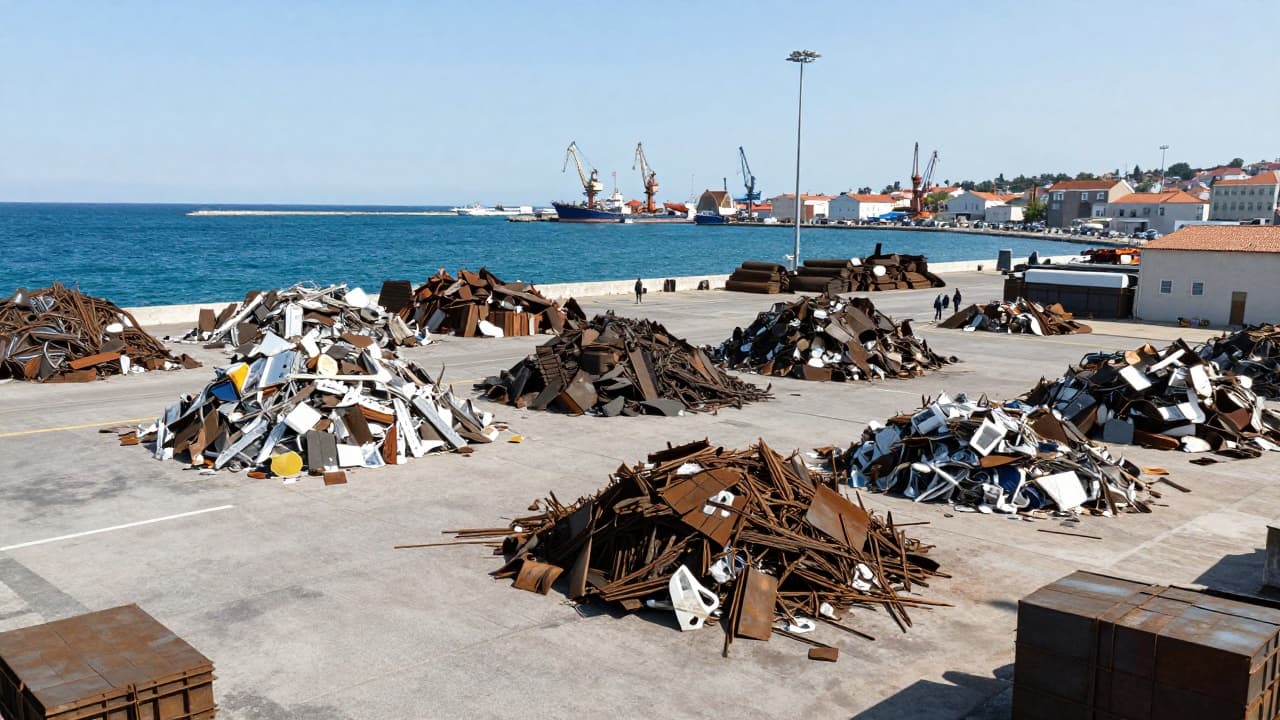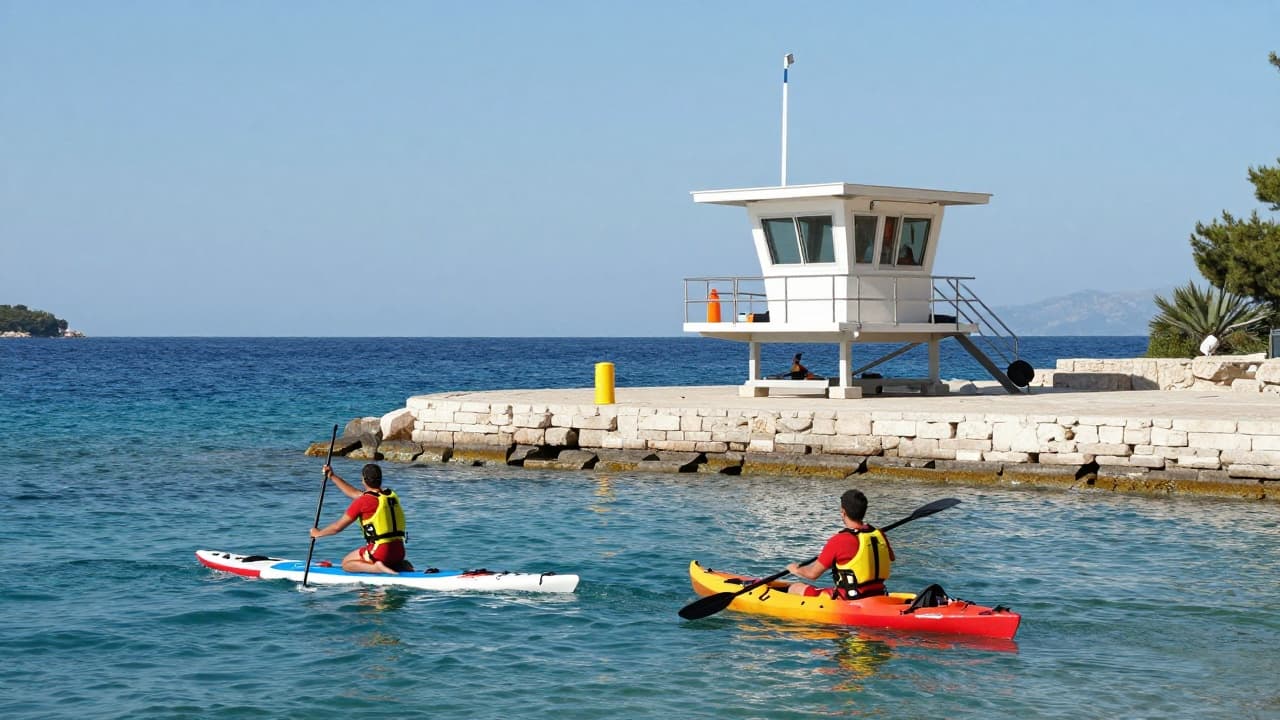

In the harbour at Zenta in Split, the sea turned brown after heavy rain, and the air was filled with an unpleasant odour. Residents and visitors have warned of the unpleasant conditions in the area, where children often play.
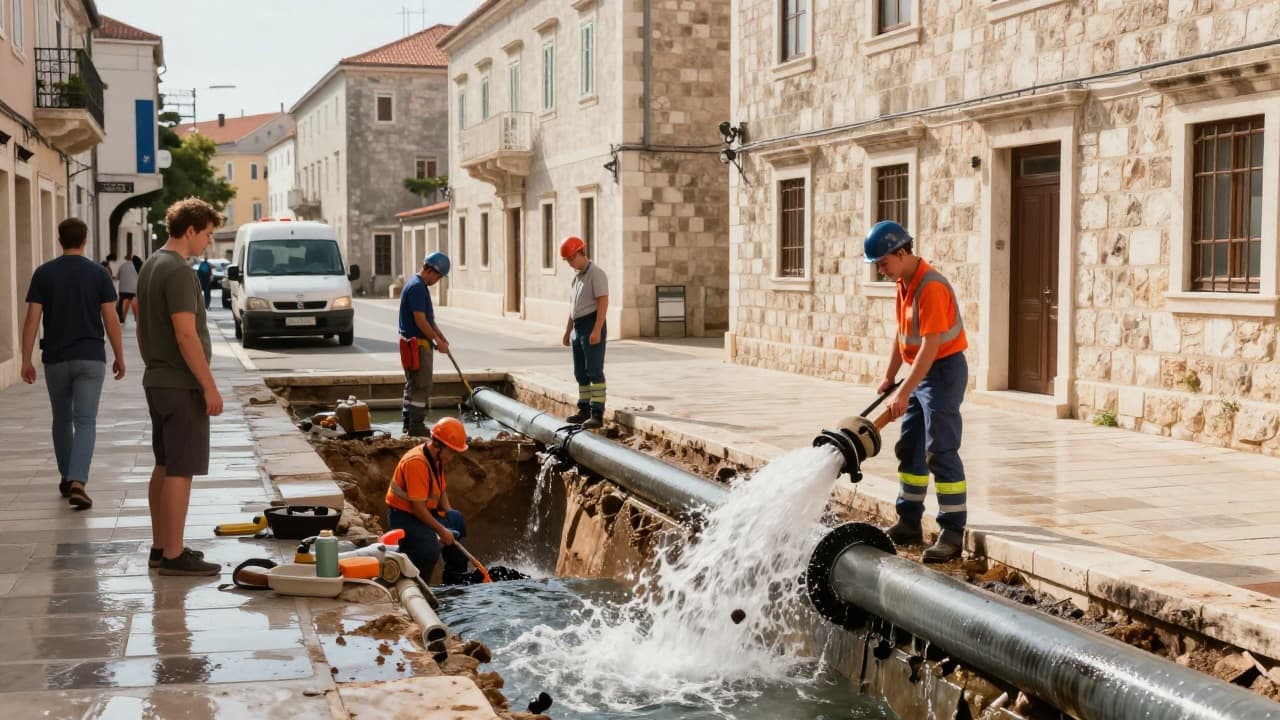
There are suspicions of sewage water overflowing into the stormwater drainage system. Sewage is emerging from pipes in the harbour, and a geyser recently appeared, indicating problems in the drainage system. The harbour is the point where the sewage from Dubrovačka Street flows into the sea, which is causing concern among residents.
The manager of Luka Zenta confirmed that a diver refused to enter the sea due to the stench and the changed colour of the water. Reports have been sent to Vodovod i kanalizacija (Water and Sewage) and the sanitary inspection service. The director of Vodovod i kanalizacija Split explained that incidental overflows in the drainage system were recorded during heavy rainfall, which is a known phenomenon during periods of heavy rain. The drainage system in Split has operated in the same way for years, even before the construction of the UPOV Katalinića brig mechanical treatment plant.
According to information from ViK, there is no reason for concern regarding human health in the Zenta harbour, and the water turbidity quickly subsides after the overflow is activated. The probability of risk is lower outside the tourist season. Field teams from Vodovod i kanalizacija went to the site and resolved the situation, and at the time of the inspection after the last rain, the overflow was not active. Currently, a camera is being used to film the sewage channel in the area of Spinčićeva and Peričićeva Street to determine the condition, and if any obstructions or anomalies are found, repairs will be undertaken.
An infrastructure project in the Split area and surroundings is underway, which includes the construction and reconstruction of 153 kilometres of sewage network, 32 pumping stations and seven retention basins. The Stupe wastewater treatment plant is also being expanded, and its capacity after the upgrade will be 275,000 equivalent inhabitants. Stupe will become the central second-stage biological treatment plant for the wastewater of the Split Agglomeration. The retention basins serve to reduce flooding and mitigate the impact of heavy rainfall, and they discharge the most diluted part of the mixture of stormwater and wastewater deeper into the sea. The construction of these basins reduces the load on the sewage network and the frequency of overflows during intense rainfall.
Work on infrastructure facilities is ongoing, and at the Poljud, Dujmovača and Trstenik sites, it has already been completed. The commissioning of the Solinska retention basin is expected in a few days, while the completion of the Pujanke and Zajčeva retention basins is planned for the coming months. These measures should mitigate drainage problems and prevent the recurrence of similar incidents.