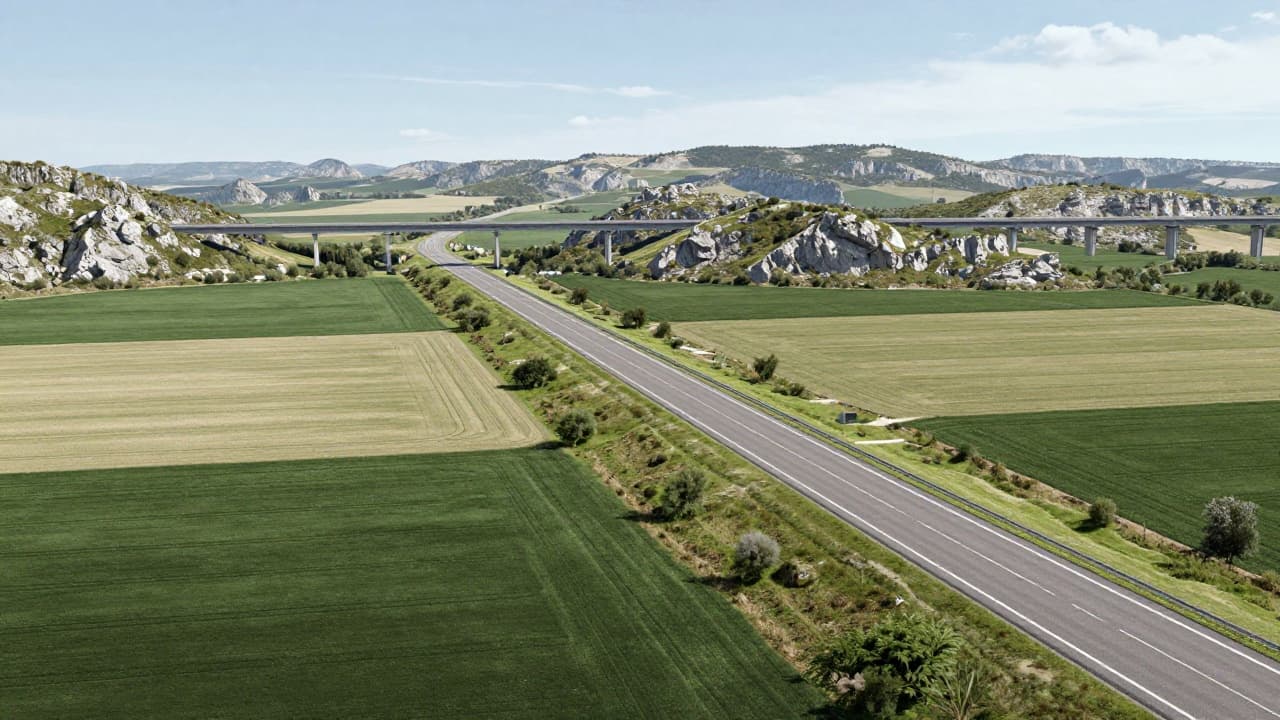
The Ministry of Environmental Protection and Green Transition issued a decision on 19 November 2026 stating that the planned impact of the Sinj western bypass is acceptable for the ecological network. The ministry determined that significant negative impacts on the ecological network can be excluded, meaning that a full assessment of the impact's acceptability is not required. The ministry clearly emphasised that the decision for the Sinj western bypass is not a construction permit.
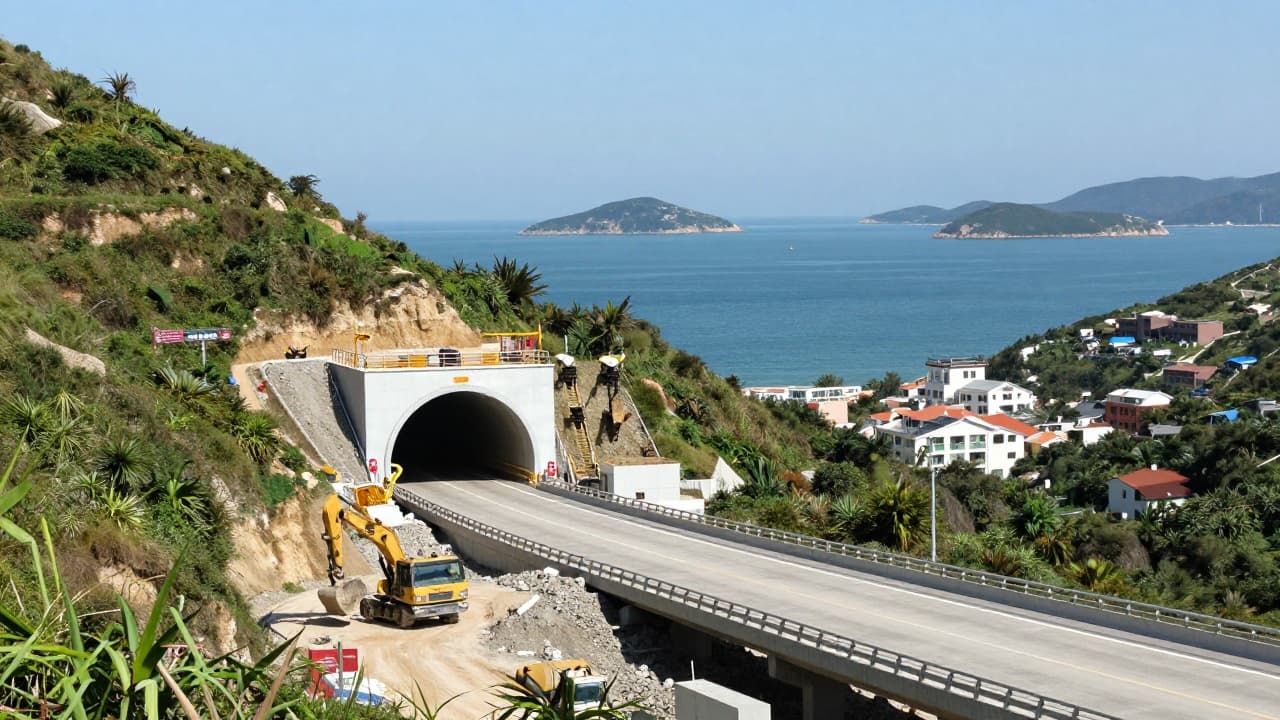
The future Sinj western bypass is approximately 5.6 kilometres long and would connect state roads DC219 and DC1. It is designed as a two-lane road with a design speed of 80 kilometres per hour. The route includes eight at-grade intersections, and a 210-metre viaduct is planned near Radošić, which would span an existing local road and agricultural land. Additional access points for residents of surrounding hamlets and replacement field roads are also planned.
A series of infrastructure projects are being prepared in the areas of Sinj, Trilj and Dicmo, with at least five major roads in various stages of preparation. Location permits have already been obtained for some roads, and main projects are being developed, while others are still undergoing environmental impact assessment procedures. Some projects require additional archaeological research, and precise start and completion dates for most projects are not yet known. The estimated construction cost and implementation timeline for the Sinj western bypass have also not yet been publicly confirmed.
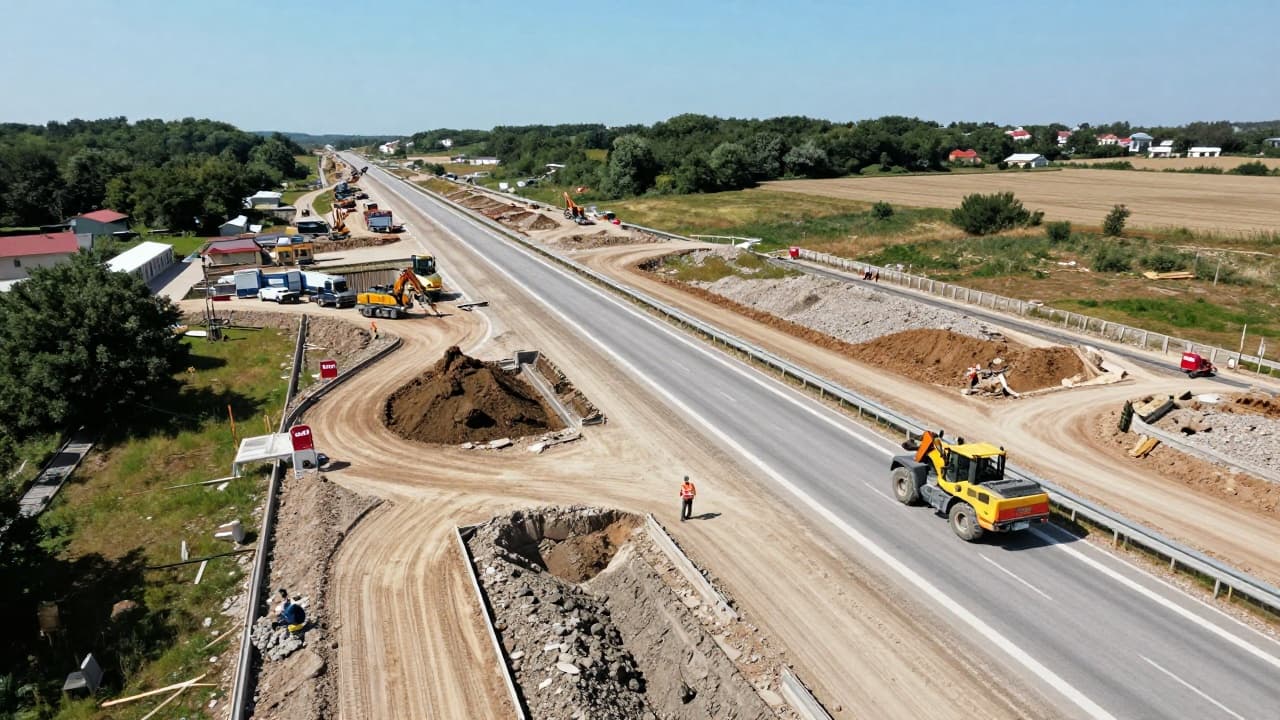
The project to relocate state road DC220 on the Čaporice – Velić section is the future Trilj bypass, approximately ten kilometres long. It would divert transit traffic towards the Kamensko border crossing away from the town centre. Hrvatske ceste (Croatian Roads) confirmed that the location permit for the Trilj bypass was issued on 14 October 2026, while the decision on the acceptability of the impact on the environment was issued in February 2023. The preparation of main projects has also been contracted.
Minister of the Sea, Transport and Infrastructure Oleg Butković spoke about the Trilj bypass project on 11 November in the Croatian Parliament. He expects that a permit for the first part of the project could be obtained during 2027, after which the procurement of works would follow, depending on the capabilities of Hrvatske ceste. A specific start date for the construction of the Trilj bypass is not yet guaranteed, and the minister announced the possibility of tendering for two roads as early as 2027.
The Ministry of Culture and Media confirmed that research conducted from 2022 to 2024 revealed remains of late antique buildings and a Roman road. There is a possibility of a significantly larger archaeological complex in the Osoja area. Hrvatske ceste confirmed that part of the planned route had to be corrected due to archaeological finds, and competent conservators prescribed additional research and protection procedures. These include archaeological supervision, detailed site inspection, non-destructive research methods such as LiDAR scanning, and trial archaeological excavations.