
The director of the Croatian Institute of Public Health (CIP) stated that there is no threat to the water in Lika, thereby refuting public concerns regarding the quality of drinking water in that part of Croatia. He provided this information during an interview in the studio of RTL Danas, where he explained the results of the tests in detail.
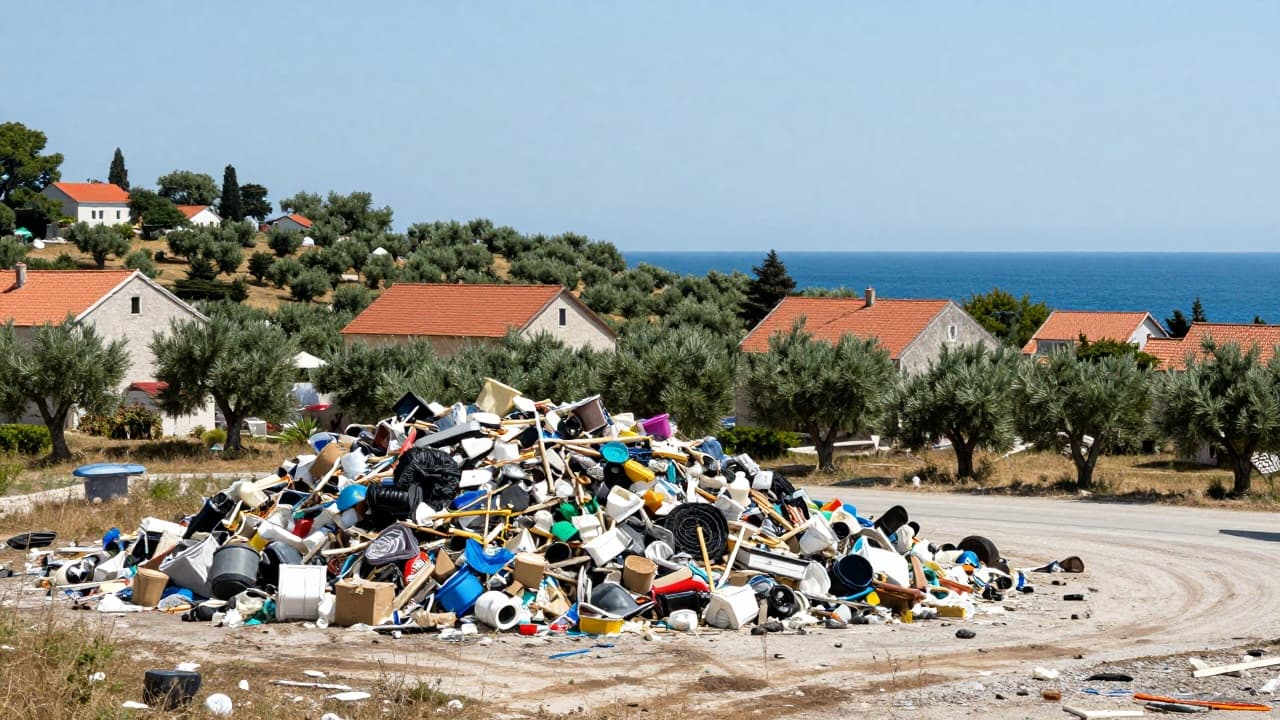
In support of his claims, Capak noted that the sample of cabbage was taken 30 metres from the waste, and the results of the analysis by the State Attorney’s Office (DORH) regarding the water located below that waste were also published. All previous results indicate that the drinking water in the Lika-Senj County is safe, and the director of the CIP personally stated that he would drink water from that system.
The monitoring of drinking water in Croatia consists of three levels. The first level is conducted by the water supplier, i.e., the water utility, based on a risk assessment, and the results are publicly available on the website of the local water utility. The second level consists of state monitoring, which is prescribed by the Ministry of Health and the CIP, and has shown that the water is completely safe.
The water meets all the parameters of the Water Act for human consumption and the regulations determining the concentrations of various substances present in the water. The third level of control is conducted by the State Inspectorate through official inspections. The monitoring defines the locations where samples are taken, including springs, locations on the network, outlet points, and the homes of citizens.
In the current year, 159 small-scale analyses were conducted, and water was sampled 13 times at all seven spring locations. These data further confirm the stability of the water quality in the region and its compliance with the prescribed standards.