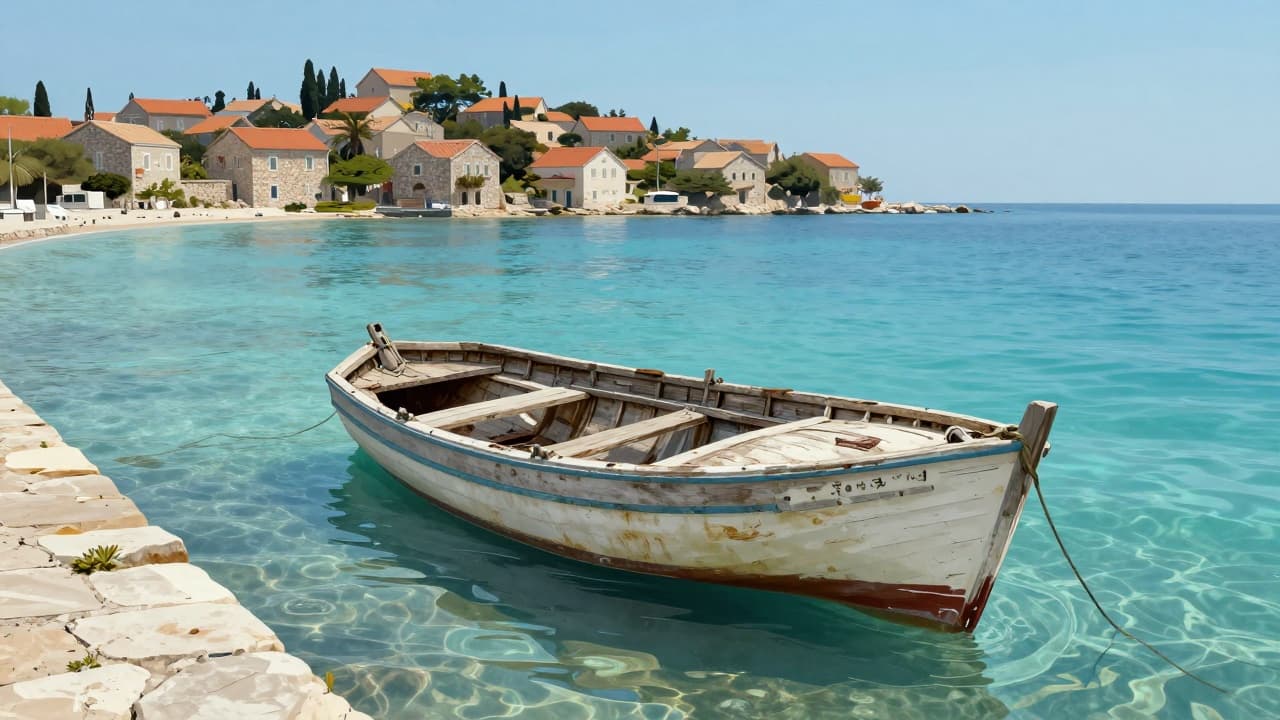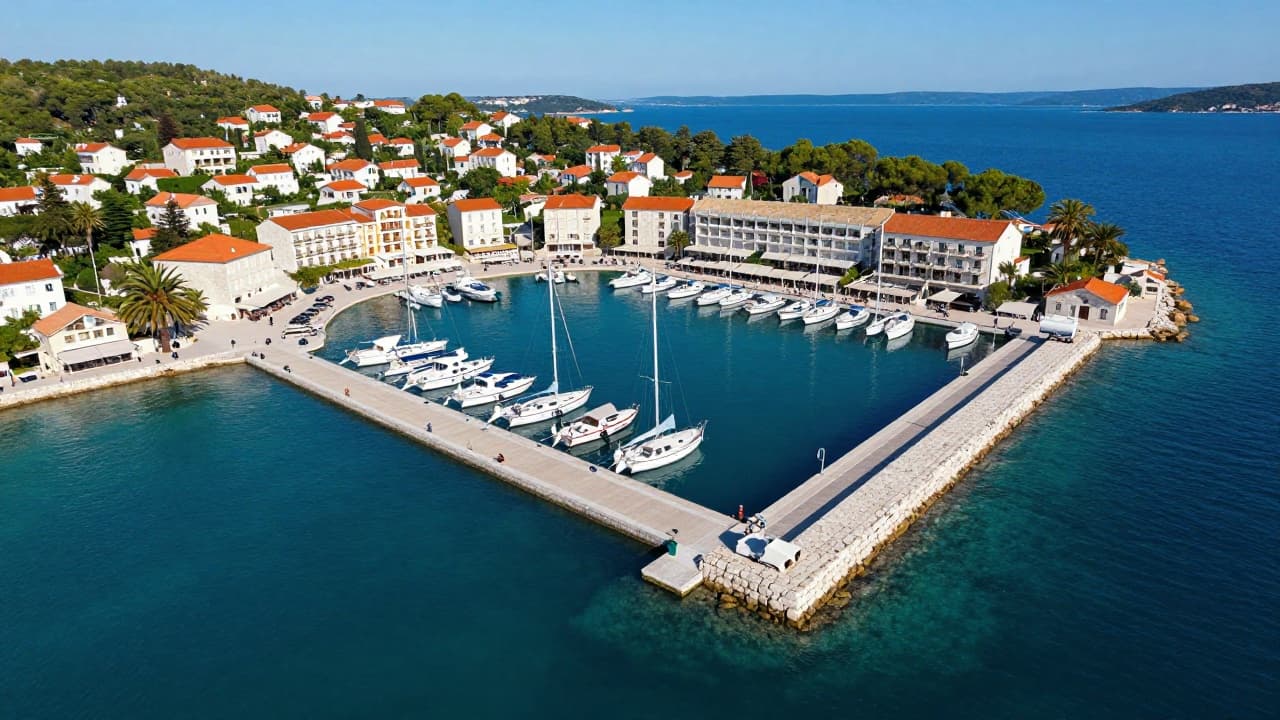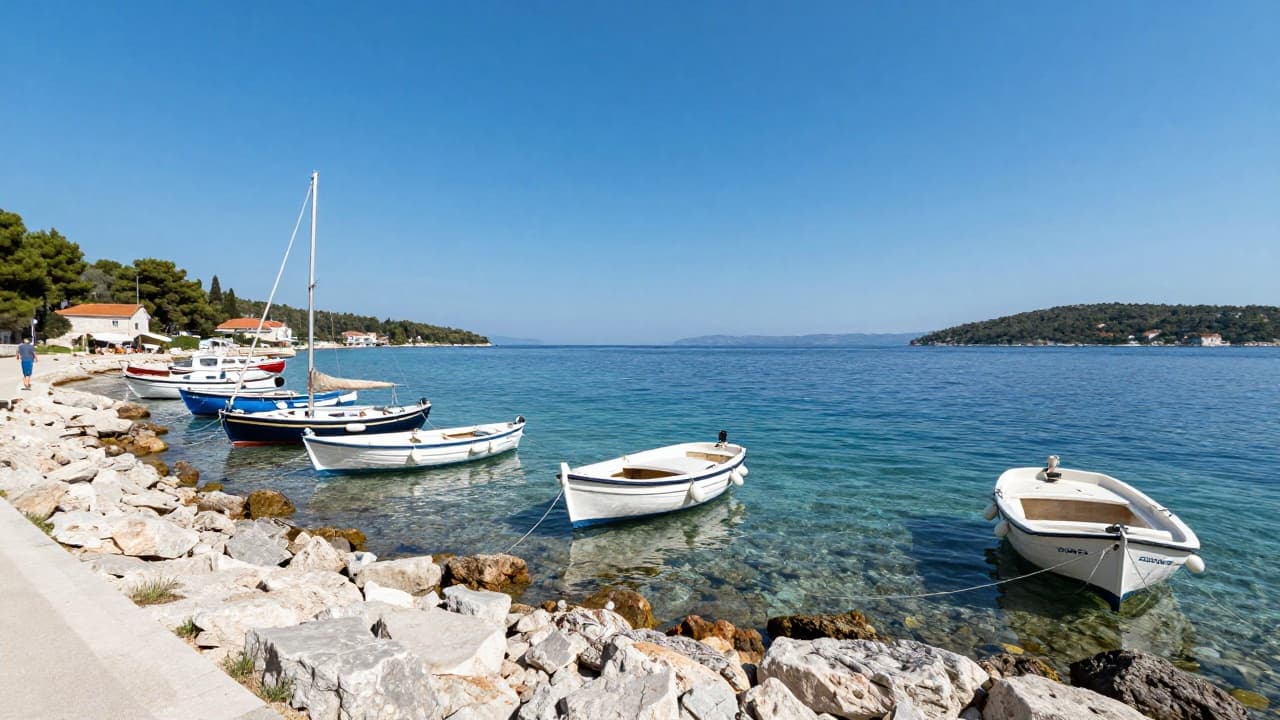
The planned removal of buoys on the island of Vir has sparked fierce reactions among citizens in recent days. While some view this move as an unjustified suppression of the little man and an attack on their traditional way of life, others welcome it as a long-awaited measure to bring order to the sea.
The core of the conflict lies in the understanding of the legal status of maritime property, which according to the law includes the coast, beaches, coves, seabed and sea. It is crucial to emphasise that maritime property is never private property of an individual, but is a public good that must be accessible to all on equal terms.
The availability of this good is strictly regulated by law and rules that apply to all citizens without exception. The fact that a certain place of maritime property has been used for years does not automatically confer permanent rights to it. Therefore, a buoy placed by an individual in the sea does not constitute their private property with the right to permanently occupy part of the sea.
The legal system clearly defines that illegal moorings cannot be qualified as acquired rights, regardless of the length of use. This approach is necessary to ensure equal access to the coast and sea for all users, not just those who have previously established private interests.
Experts and laws emphasise the need for comprehensive regulation of the sea from Umag to Dubrovnik. The aim is to establish clear and fair conditions for the use of maritime property, thereby preventing future similar controversies and ensuring that the sea remains a public good for all.