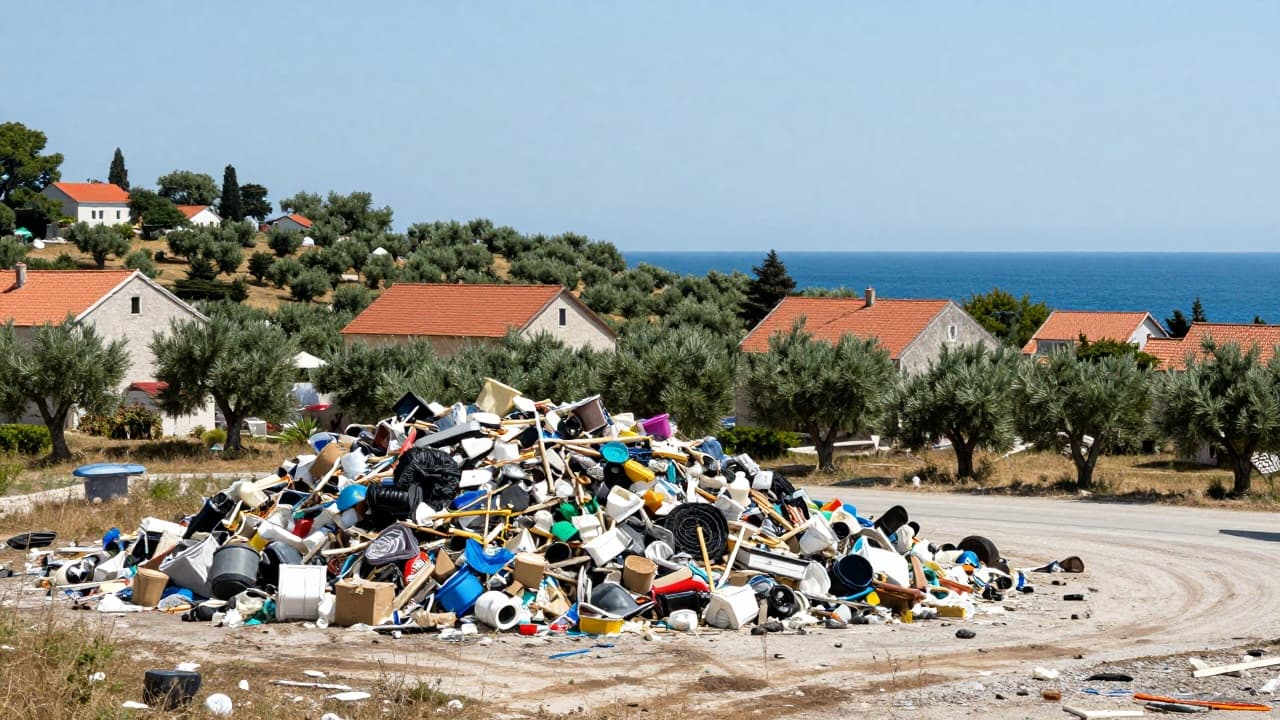
The chief state attorney, Ivan Turdić, and the chair of the parliamentary Committee on Justice, Nikola Grmoja, continued their sharp dispute on Tuesday over the waste case in Lika. Turdić accused Grmoja of steering the committee for his own political interests, while Grmoja responded that there is no greater issue than the poisoning of Lika.
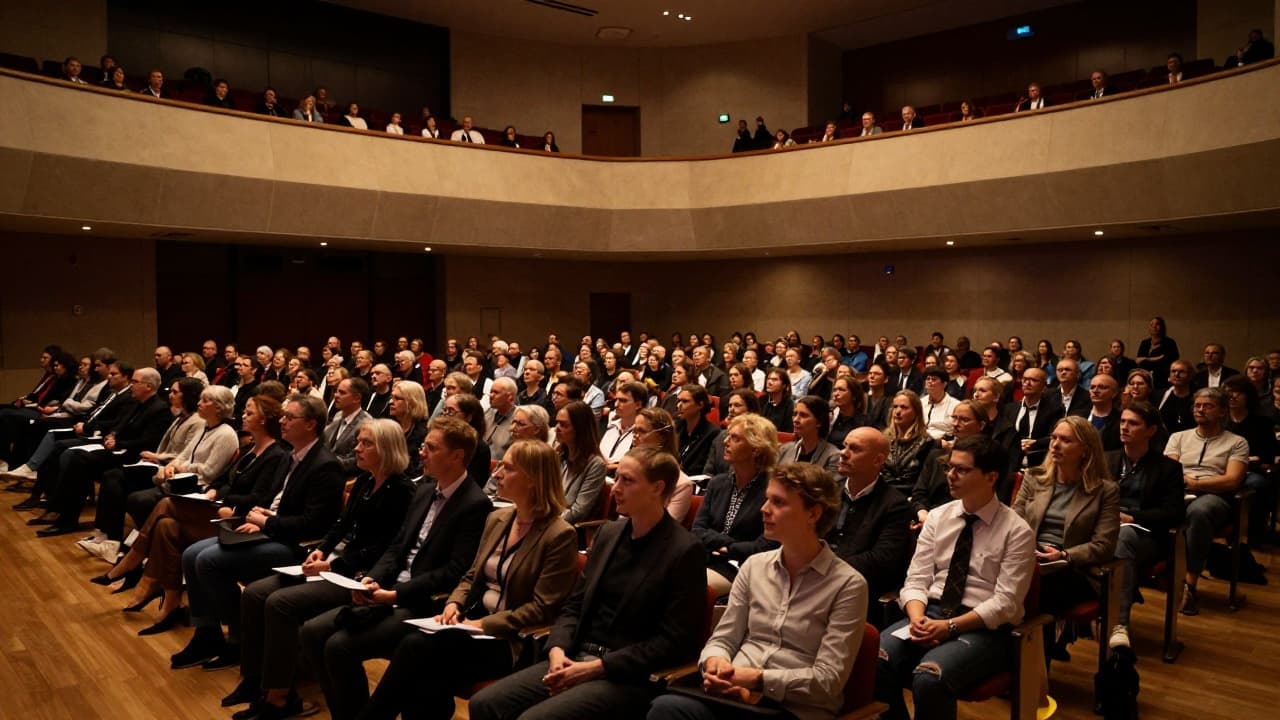
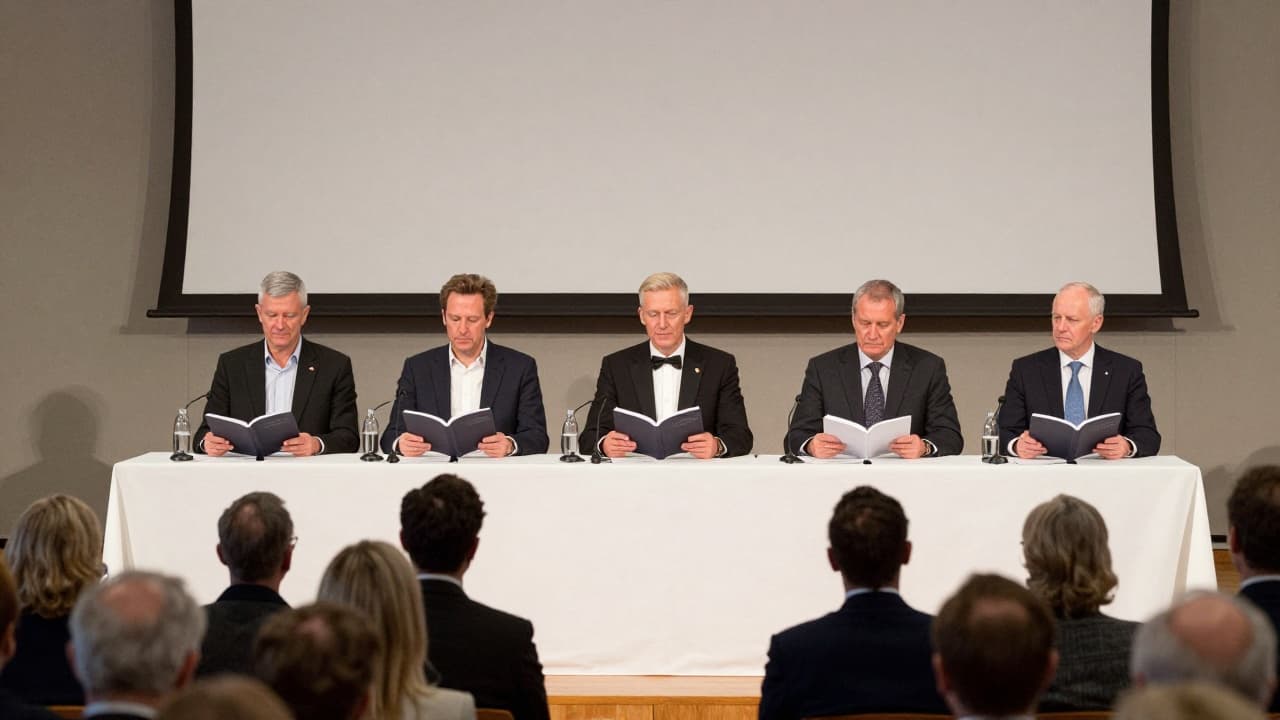
Turdić presented the 2025 annual report of the State Attorney's Office (DORH), but much of the debate centred on the illegal dumping of waste in Lika. The chief state attorney stated that much depends on the person chairing the committee, who presents the committee as their own personal property and who chairs for personal and political interests. He added that the chair was not leading the committee to discuss the report, but rather to promote themselves.
Grmoja is to be replaced at the head of the committee by his party colleague, Zvonimir Trosko. Grmoja responded that Turbić had been nervous during the session and stated that after hearing what he had, he had no confidence that the investigation into the waste in Lika would encompass all the people he believed should be held accountable. 'We will not allow poisoning of the people and of Lika to be swept under the carpet without the major players answering for it,' said Grmoja.
The decision on which individuals will face charges is made by the relevant state prosecutor's office based on the results of the investigation and the evidence collected. Turbić stated that the procedure is still ongoing and that one expert opinion is not yet complete, which is why it is not possible to specify the date of the indictment. 'We are working flat out and it will happen as soon as it is possible,' said Turbić, adding that the investigation would be expanded if necessary.
During the session, Turbić presented data indicating that 108 witnesses had been questioned, 57 mobile devices and computers analysed, and numerous expert opinions conducted and thousands of data points collected. The committee accepted the annual report of the State Attorney's Office by a vote of the ruling majority, while the opposition was against it.