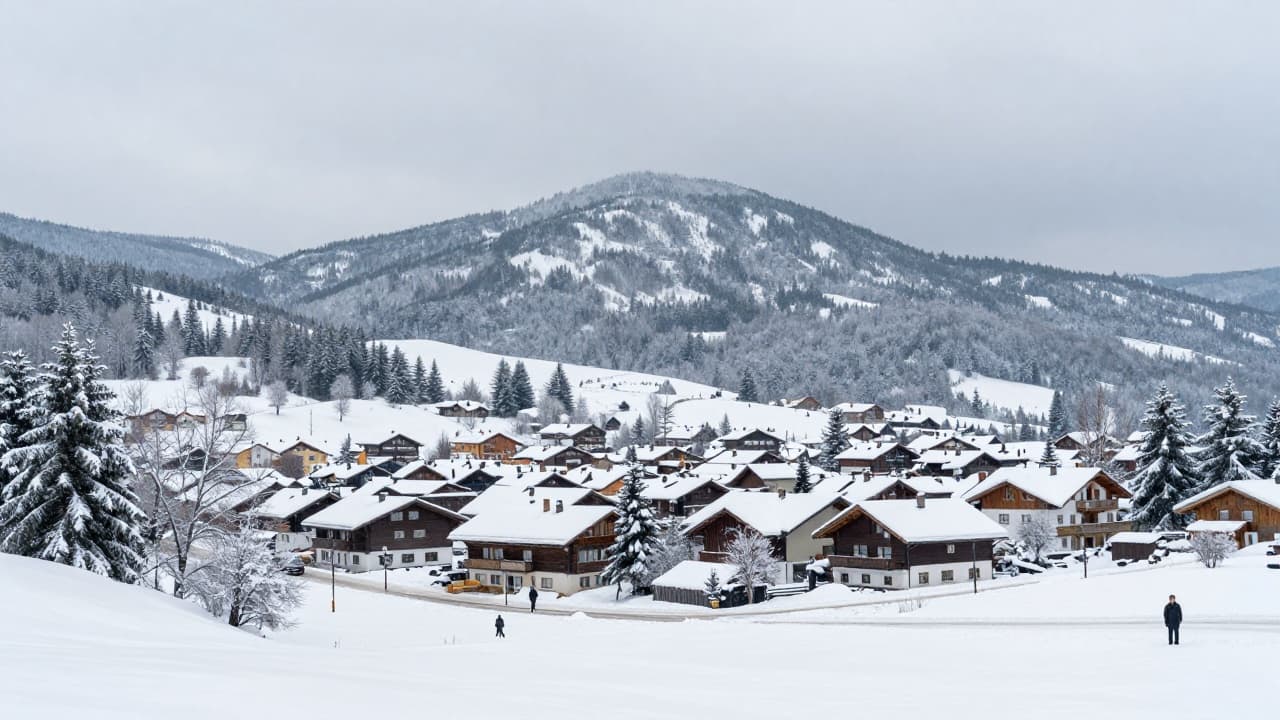
The first significant winter front of the season blanketed much of Austria overnight, causing major problems in traffic and electricity supply. Mediterranean cyclone Xela brought heavy snow to almost all the main provincial capitals.
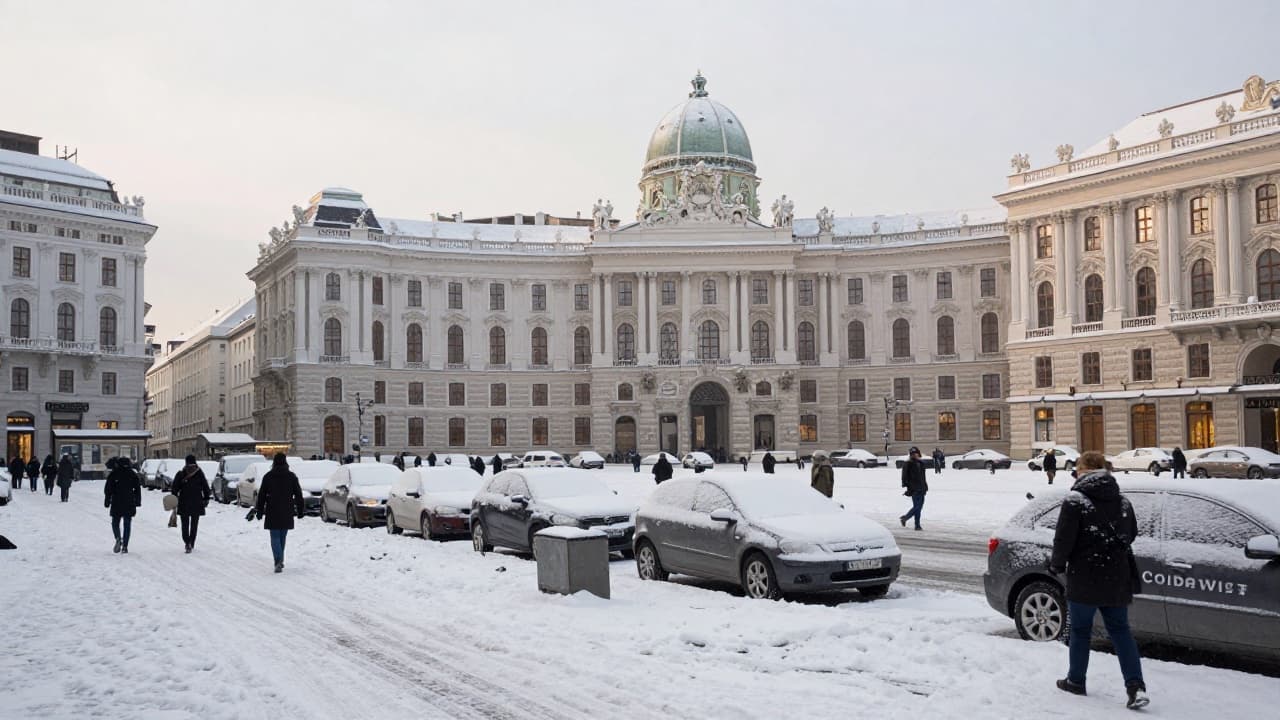
Vienna woke up on Thursday morning under a blanket of snow, with 11 centimetres having fallen by that time. It is expected that up to 15 centimetres could fall in the capital by the evening. Around 10 centimetres of fresh snow were measured in Graz, Klagenfurt and Innsbruck, while eight centimetres were recorded in St. Pölten. In some parts of the country, the snow depth could reach between 20 and 30 centimetres by the evening. Otherwise, the first snow in Vienna fell on 23 November last year, while the climatological average for lowlands is around 6 December.
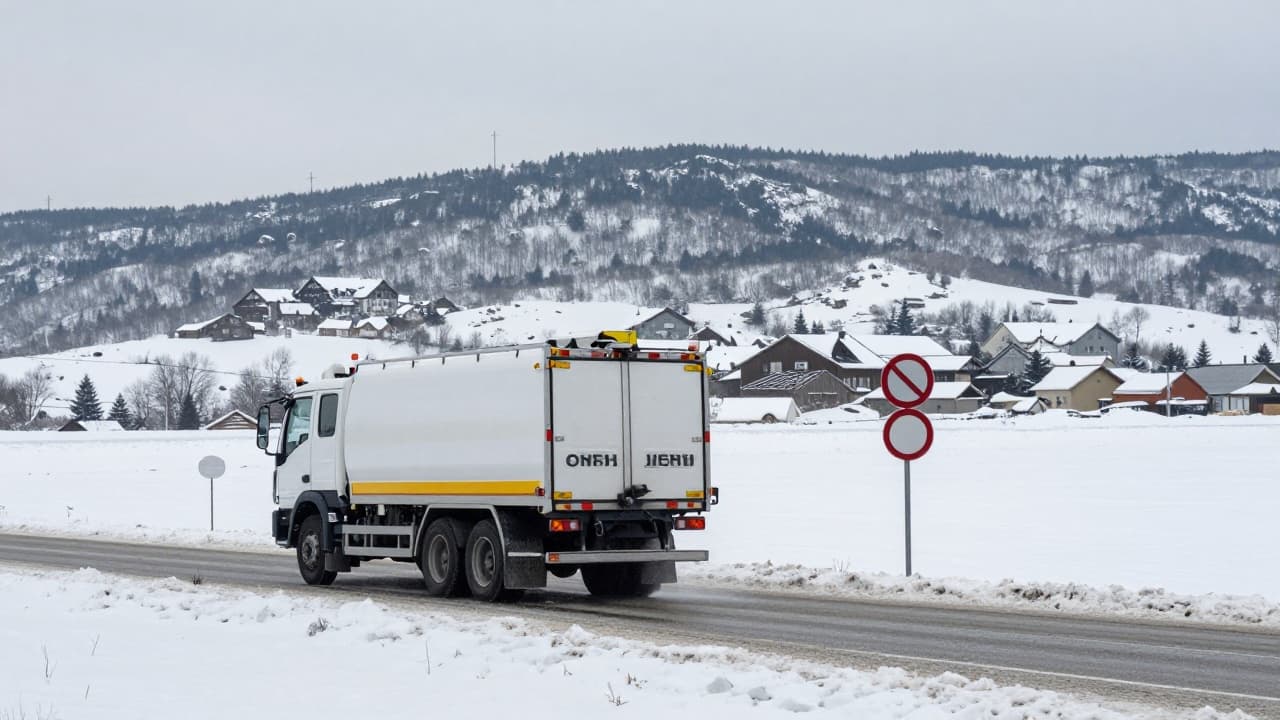
Due to snow, ice and numerous traffic accidents across the country, major delays are being recorded. The Vienna outer ring road A21 had to be completely closed in both directions between the Steinhäusl and Brunna am Gebirge junctions on Thursday morning, with traffic normalisation expected only in the afternoon. Due to severe weather conditions, the Karawanken tunnel on the A11 motorway in Carinthia was closed, while the Oswaldiberg tunnel near Villach on the A10 motorway towards Salzburg was also temporarily closed. Major difficulties were recorded on the A2 and A9 motorways in Styria, as well as on the approaches to Vienna and roads in Lower Austria.
In Vienna, snow disrupted public city transport. A line 501 bus was recorded slipping off the road; the driver was moving slowly and was not under the influence of alcohol, but the bus slid into a ditch due to the slippery road surface, in which several passengers were lightly injured. Vienna firefighters have been fully occupied since 6 am with extracting stranded cars, trucks and city buses, particularly in western and south-western districts such as Ottakring, Hernals, Währing, Döbling and Liesing, but also in the city centre. Authorities are appealing to citizens to use garages and car parks or to park on only one side of the street.
Heavy snow also caused major faults in the electricity grid in Carinthia, where broken branches and fallen trees snapped power lines. Around 10 am, approximately 8,000 households were without electricity, and all available teams from the energy company Kärnten Netz immediately went out to the scene. By midday, they had managed to repair most of the faults, but around 2,500 households, mostly in the St. Veit area, were still without power.
Due to chaos on the roads and public transport delays, the Austrian Trade Union Federation (ÖGB) issued a statement. Labour law expert Martin Müller clarified that extreme weather conditions are a valid reason for lateness or absence from work, but employees are obliged to do everything in their power to reach their workplace and to inform their employer of any problems or delays without delay. Snow warnings are in effect until the evening, and pedestrians must be careful due to slippery and locally still uncleared pavements.