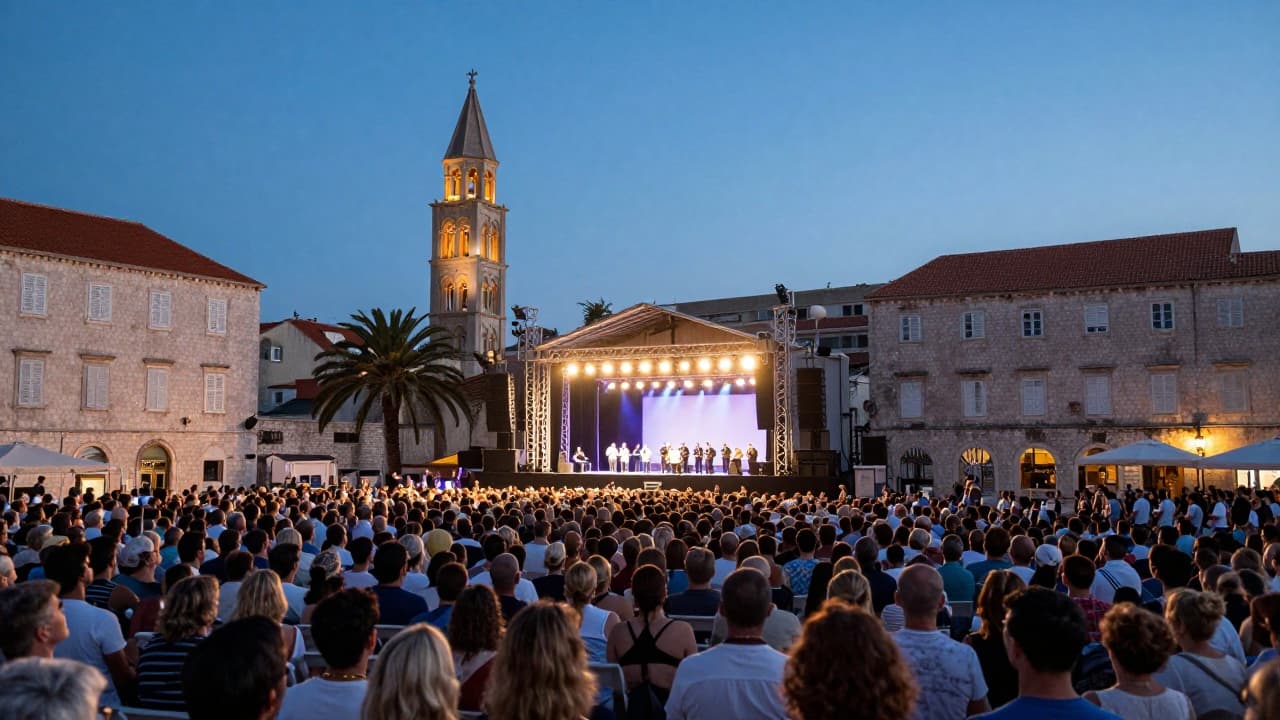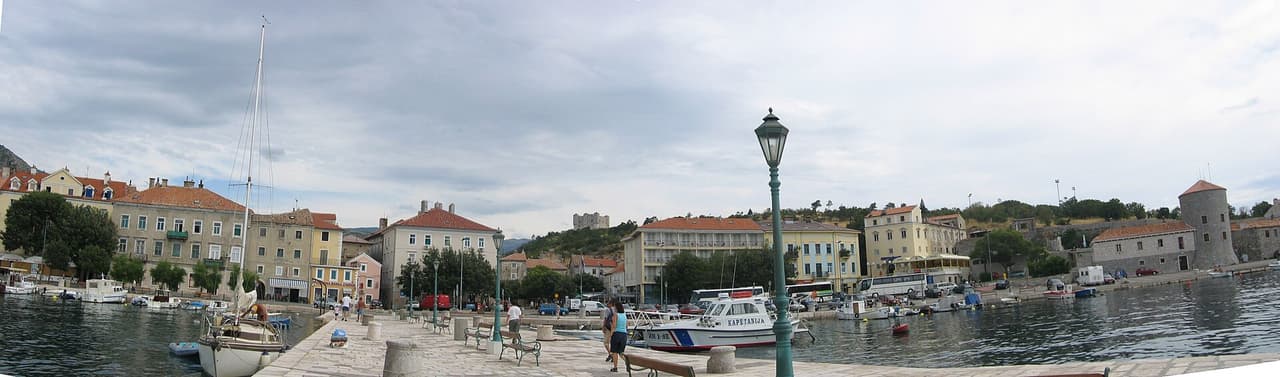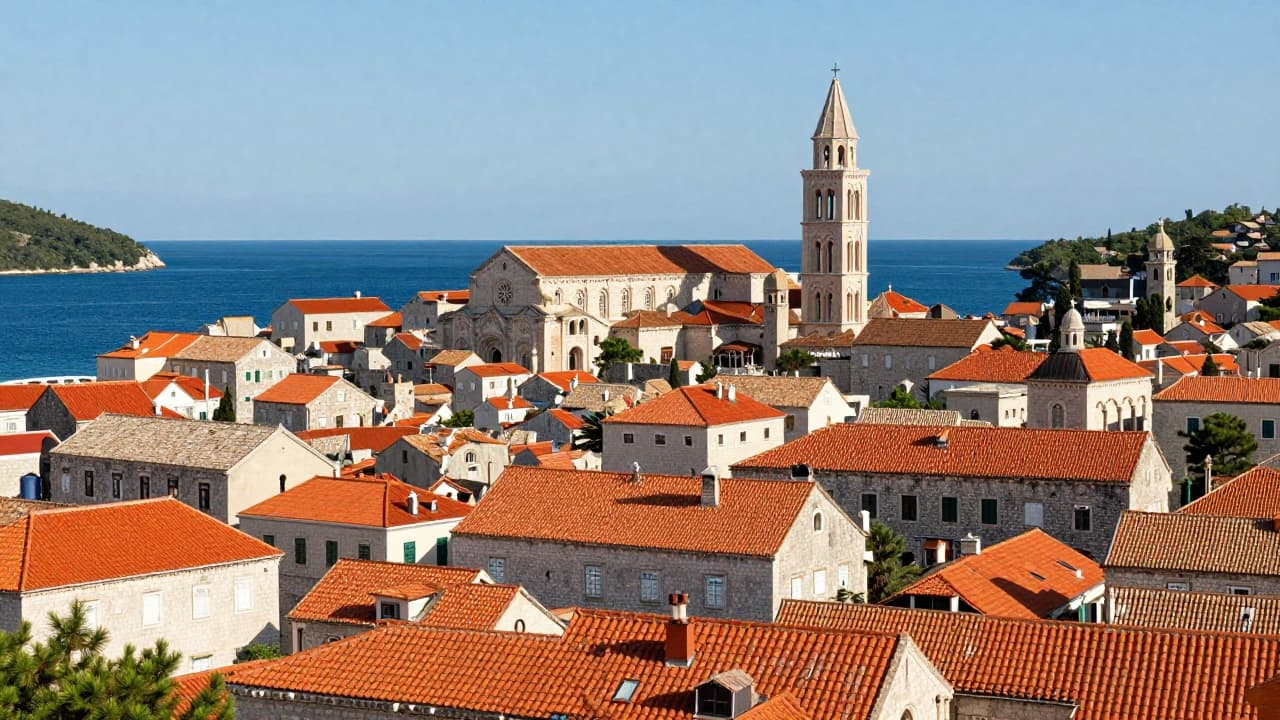
The city of Trogir has launched a public call for the funding of cultural, artistic, educational and research programmes to be implemented during the coming year. Individual projects can receive between 300 and 5,000 euros, with approximately ten programmes expected to be funded.
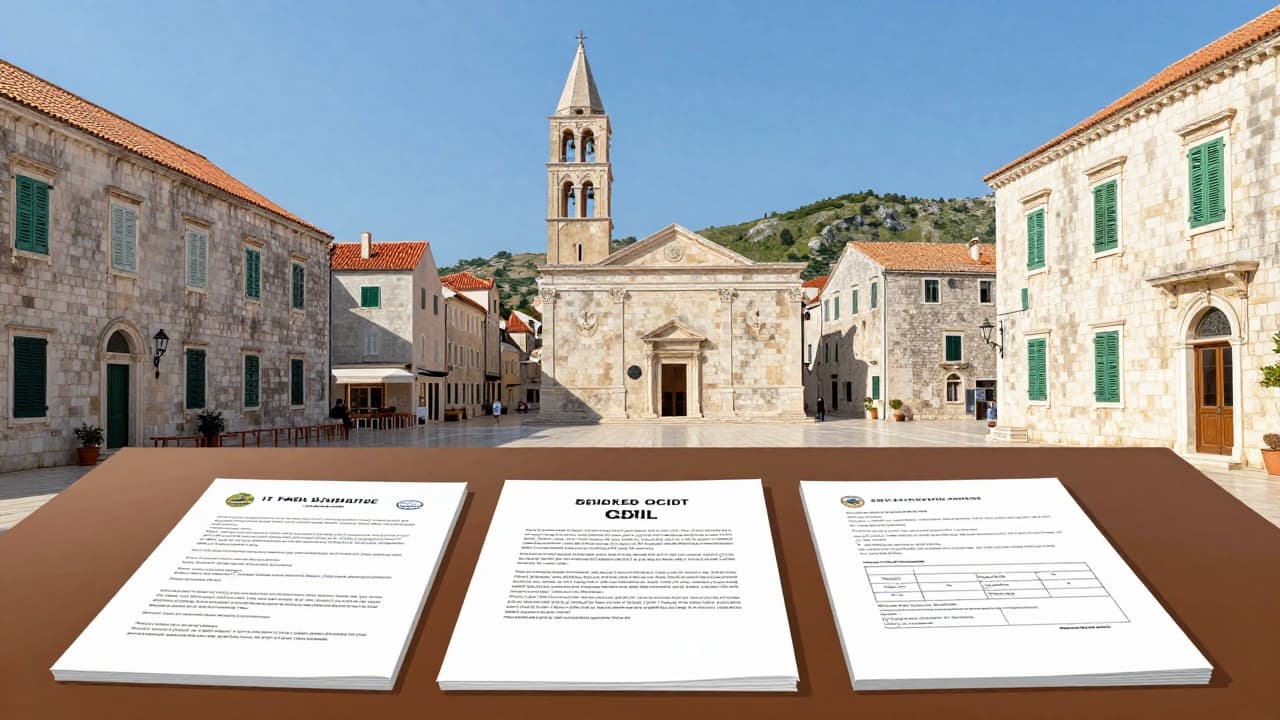
Applications are open from 9 November to 9 December 2026. Cultural and educational institutions, associations, artistic organisations, independent artists, researchers and other natural and legal persons meeting the prescribed conditions may apply. Applicants must have been active for at least one year prior to the publication of the call, be appropriately registered for their activities, and have settled all obligations to the state and the City of Trogir. Each eligible applicant may submit only one application, with a minimum request of 300 euros and a maximum of 5,000 euros per programme or project.
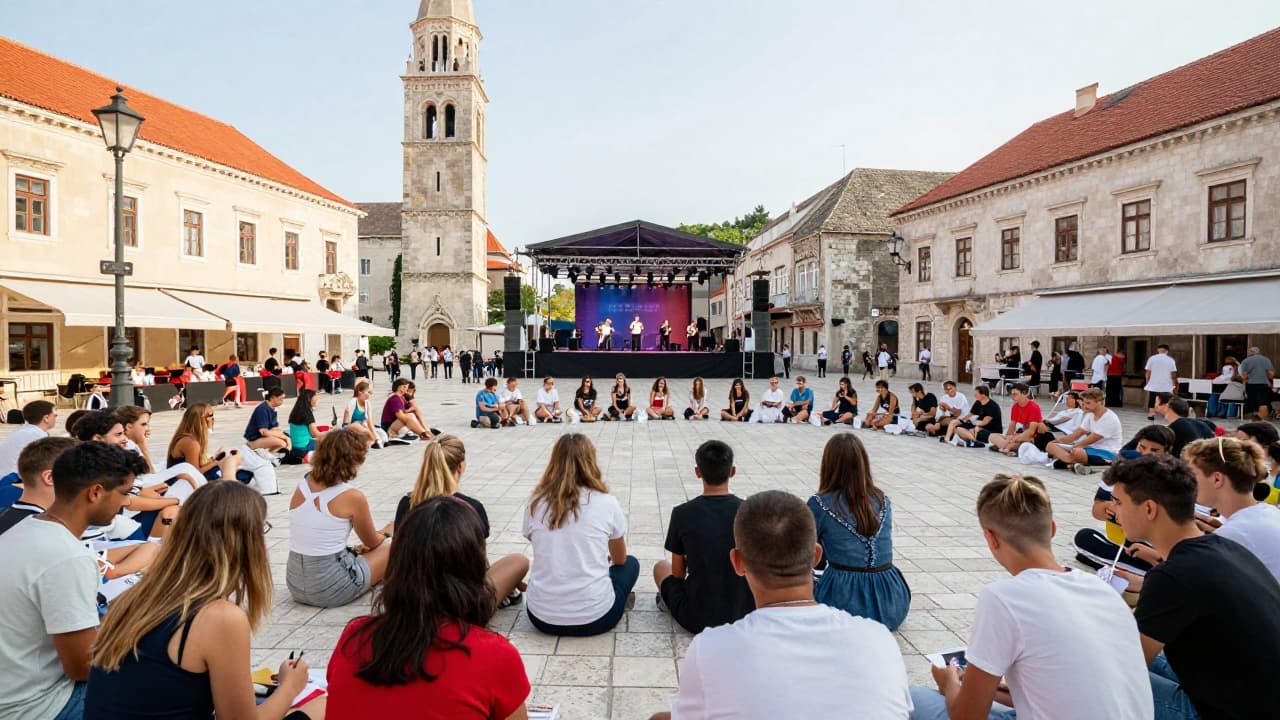
Funding will cover exhibitions, concerts, theatre and dance performances, lectures, workshops, professional conferences and educational activities. Projects involving multimedia content, publications, digital platforms, urban culture, youth culture and international cultural cooperation are also acceptable. Funds may be used for the organisation and implementation of events as well as promotional activities, including the design and printing of materials. Regular salaries, utilities, administrative costs, technical equipment and other costs not acceptable under the call’s conditions will not be funded.
The call is issued in a year in which Trogir marks a significant anniversary. In 2027, the city will celebrate 30 years since its historic core was inscribed on the UNESCO World Heritage List, having been added on 6 December 1997.
Trogir is one of the exceptional examples of urban continuity on the eastern Adriatic coast. Its history dates back to the ancient period, when Greek colonists established the settlement of Tragurion in this area, and traces of ancient urbanism can still be recognised in the current layout of the city’s streets. UNESCO highlights that the historic core has preserved a unique spatial structure over the centuries, in which Hellenistic, Roman, medieval, Renaissance and Baroque layers are discernible.
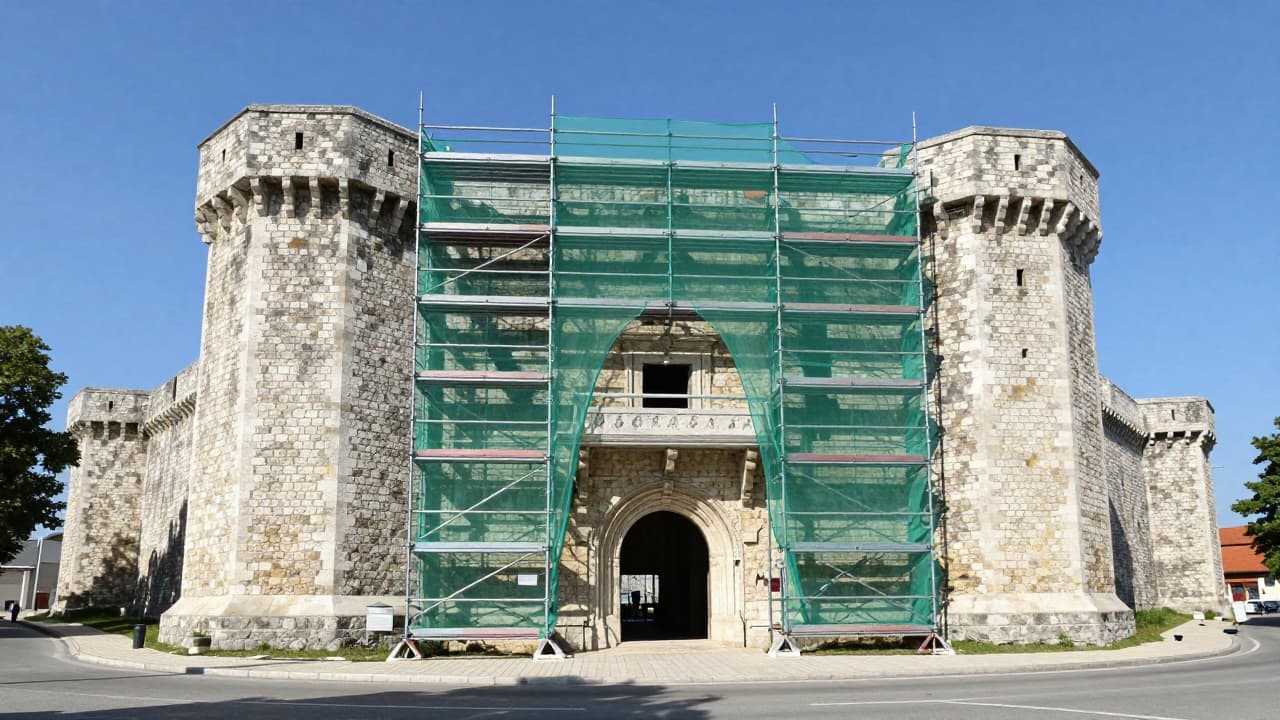
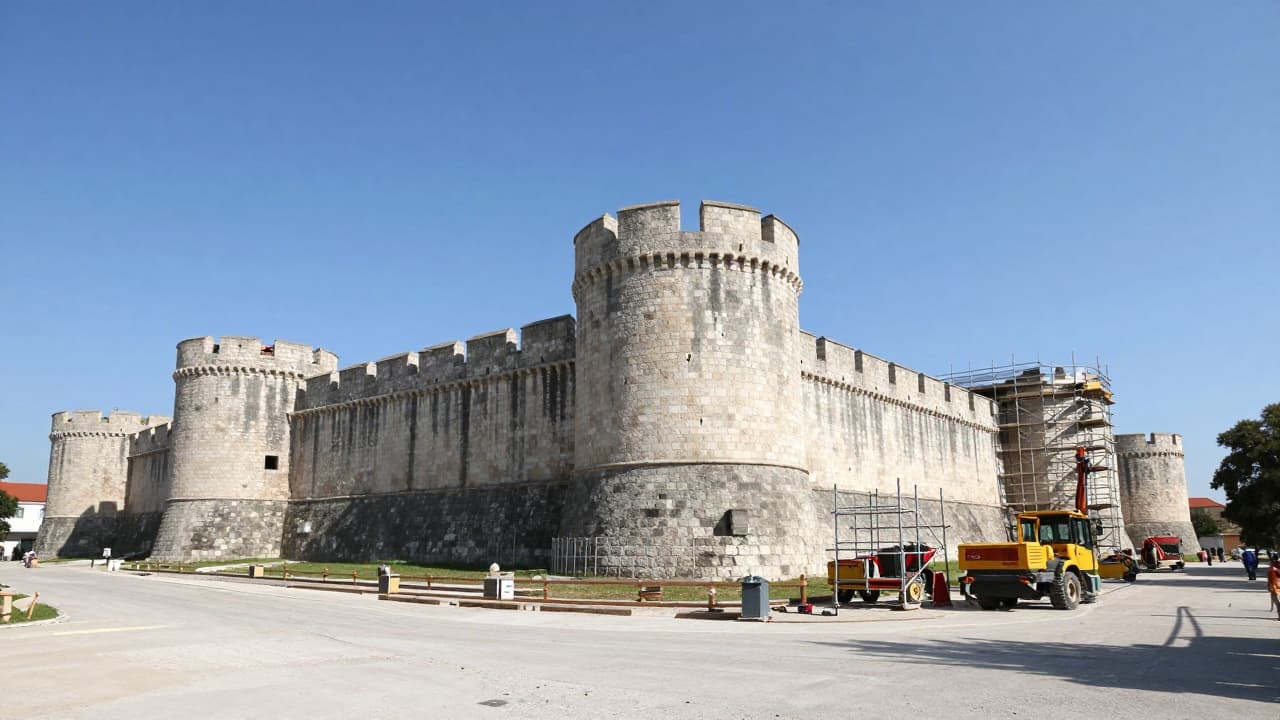
The Cathedral of St Lawrence is one of the most valuable monuments of Dalmatian sacred architecture, known for the masterpiece by Master Radovan. The city’s historical picture is shaped by palaces, churches, squares, city fortifications and Kamerlengo Tower, with protection covering a historic urban core of approximately 6.4 hectares. The official description of the site emphasises the very high authenticity of the historic core, but also warns of several long-term challenges, including tourism pressure, depopulation and rising sea levels.