The majority of people in Europe who sought emergency medical help due to drug overdose or acute poisoning had taken multiple different substances simultaneously or combined them with alcohol, according to the latest analysis by the European Union Drugs Agency (EUDA). Data for 2025, collected in selected hospitals across Europe, shows that nearly 14,700 people ended up in emergency rooms due to the consequences of illegal drug consumption or prescription drug misuse.
A more detailed analysis covered approximately 7,400 cases in 45 hospitals across 18 EU member states and Norway. Cocaine was involved in as many as 32 per cent of all emergency arrivals, making it by far the most common cause of drug-related emergency interventions. This was followed by cannabis at 24 per cent and amphetamines at 11 per cent.
According to the data, 39 per cent of cases involved the use of a single drug, while 38 per cent involved the simultaneous use of multiple different drugs. A further 23 per cent involved a combination of drugs and alcohol. As many as 72 per cent of patients who ended up in the emergency room due to ketamine had previously consumed alcohol or taken another drug. The most commonly recorded combination was a mix of cannabis, cocaine and alcohol.
"Mixing multiple substances has become the rule rather than the exception," warned Isabelle Giraudon, EUDA’s lead scientist on the health consequences of drug use, in a statement to Euronews. Giraudon emphasised that the interaction between different substances creates additional complications and significantly increases the risk of severe outcomes. The use of opioids or GHB/GBL substances, also known as "liquid ecstasy", in combination with alcohol, benzodiazepines or other central nervous system depressants is particularly risky, as it can lead to dangerous respiratory depression and death.
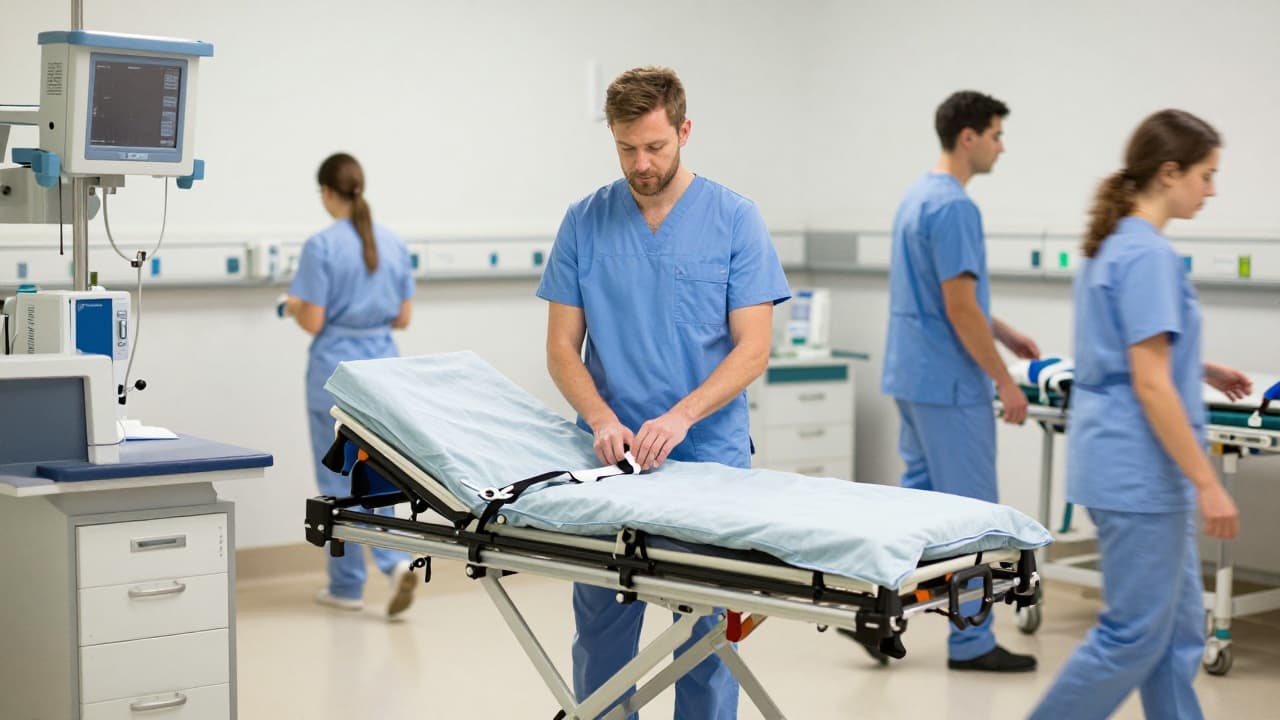
Patients who had taken only one drug or one drug and alcohol spent an average of five hours in hospital, while those who combined at least two drugs stayed for seven hours. A total of 66 per cent of patients were discharged directly from the emergency room after treatment. Patients who had taken methamphetamine or amphetamines were more often referred to psychiatric departments, while those under the influence of heroin or GHB/GBL more frequently ended up in intensive care units.
Younger people more frequently sought help due to ecstasy and nitrous oxide, so-called "laughing gas", while the median age for emergency admissions related to heroin was 38, and for crack cocaine 36 years. As many as 72 per cent of all patients were men, and the number of arrivals rose sharply during the weekend. Two-thirds of patients were brought to hospital by ambulance.
The analysis covered only people who reached a hospital emergency room, meaning that those who died from overdoses outside of hospital, as well as those who were treated on the scene without the need for hospitalisation, were not included in the statistics. Long-term complications such as infections at injection sites or hepatitis B were also not tracked. "These data represent only a fraction of the harm associated with drugs," Giraudon concluded, adding that such research nevertheless helps local health systems to better prepare and adapt to real needs on the ground.