Social psychologist Leanne ten Brinke has been studying the cues people rely on when assessing psychopathic traits in others. Her research shows that even short snippets of conversation can provide a certain insight into a person's character.
In the study, participants watched recordings of offenders lasting five, ten, or 20 seconds. It was found that the assessments of those who viewed only five seconds aligned, to a certain extent, with those of psychologists. Ten Brinkle stated that a glimpse of the truth about a person's character can be obtained in approximately five seconds.
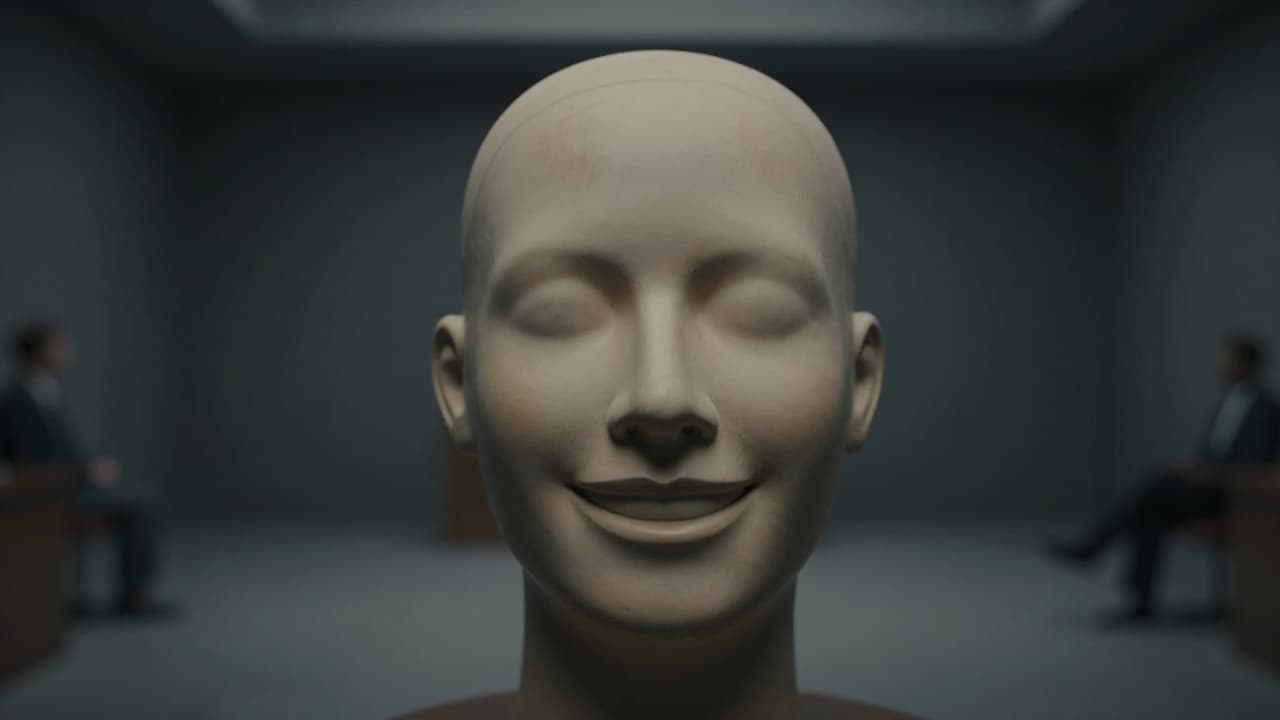
Ten Brinkle and her colleagues subsequently analysed the verbal and non-verbal behaviour of people in the recordings. They discovered that individuals with more pronounced psychopathic traits were more likely to display a broad, so-called Duchenne smile, while simultaneously using angry or hostile language. Ten Brinkle explained that they had a cheerful facial expression but spoke in a hostile manner, which is an unusual combination of emotions. One of the observed signs was precisely the incongruity between the smile and the words spoken.
However, such a smile does not necessarily indicate that a person has psychopathic traits. Ten Brinkle emphasises that an assessment based on a few seconds is not perfect and can change over time. The study was conducted on short recordings of interviews with prisoners, and the results do not represent a simple method for diagnosing people encountered in everyday life.
The researcher notes other patterns that may be associated with psychopathic traits, such as frequently interrupting others while simultaneously refusing to be interrupted, and ignoring personal and professional boundaries. A person may continue to insist on a topic even after the other party has clearly stated that they do not wish to discuss it. Such behaviours can provide an initial impression, but are not in themselves sufficient to conclude that someone is a psychopath.