Patrice Motsepe, president of the Confederation of African Football (Caf), has called for an 'urgent sense of urgency' from Kenya, Tanzania and Uganda, the hosts of the 2027 Africa Cup of Nations. The tournament is set to return to East Africa for the first time in 51 years, with the opening match on 19 June and the final scheduled for 17 July.
Motsepe, speaking after an inspection tour in Kenya on Friday, told BBC Sport Africa that while there was 'good progress', certain facilities were still below the required standard. 'We have nine months, but we must start using the stadiums in January next year to test them and see what further improvements are needed,' he said. He stressed that Caf has high standards in terms of infrastructure, facilities, stadiums, hotels, roads and training pitches. 'We require world-class standards,' he added.
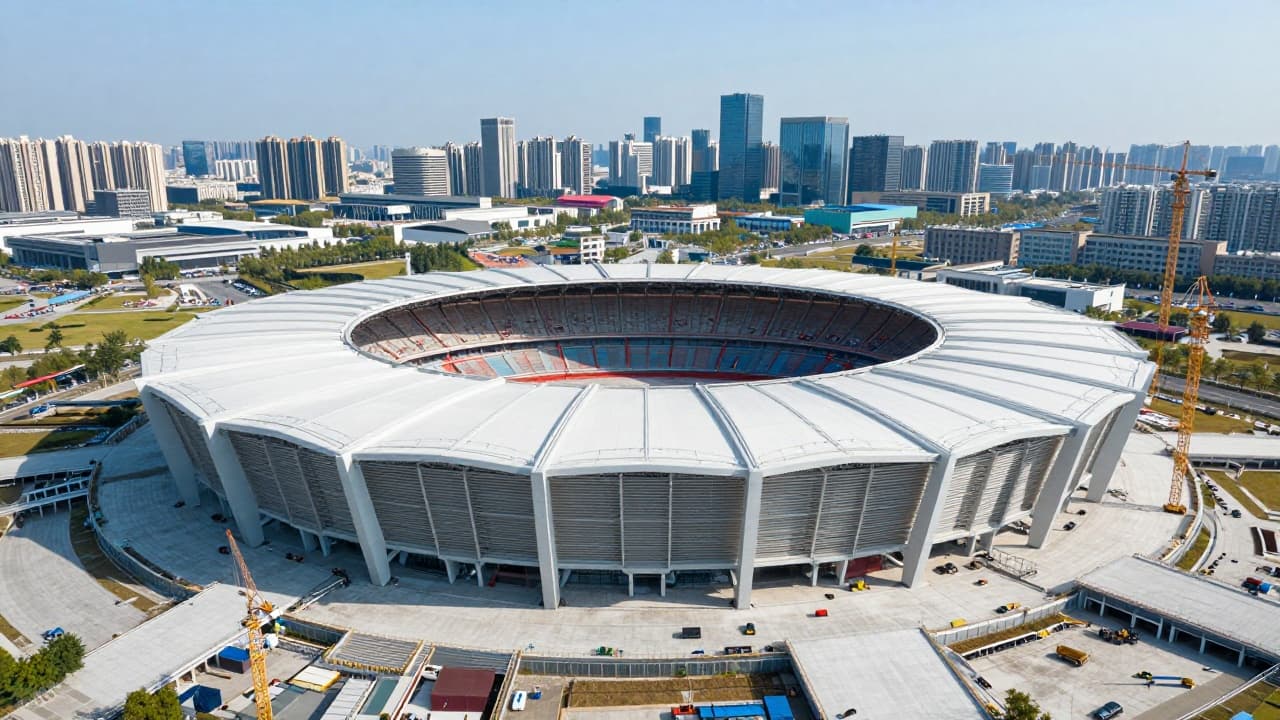
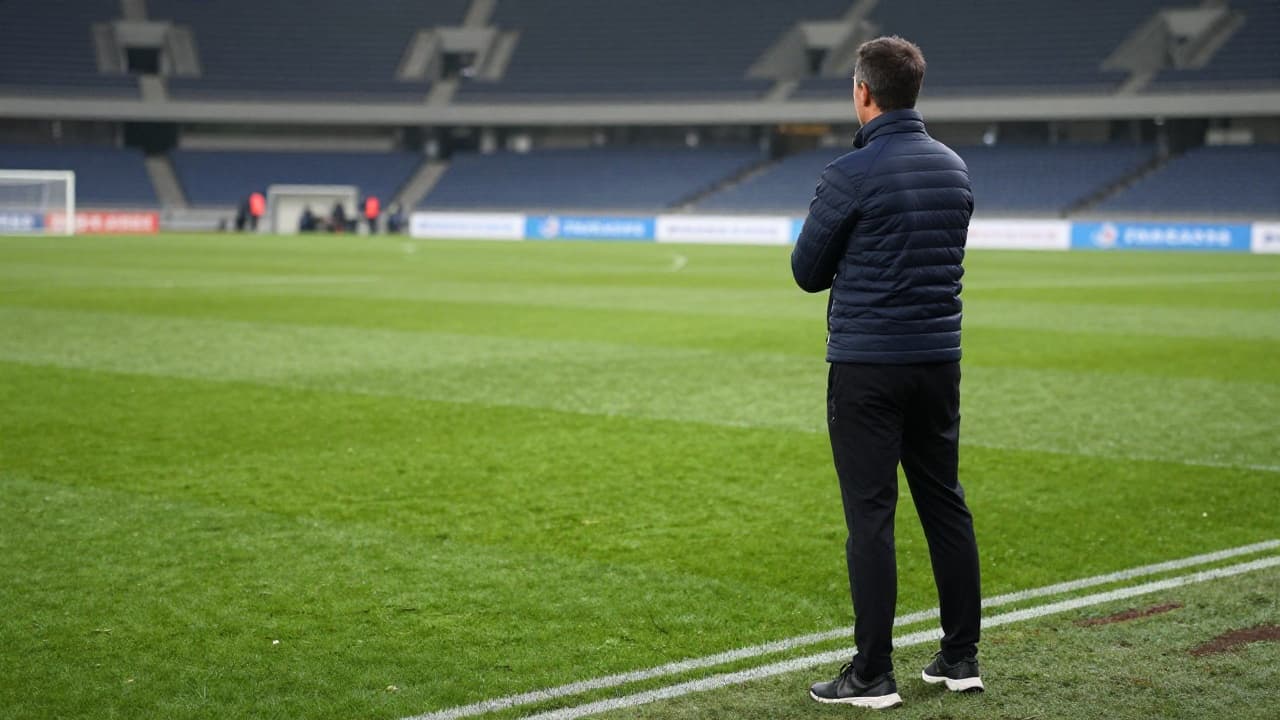
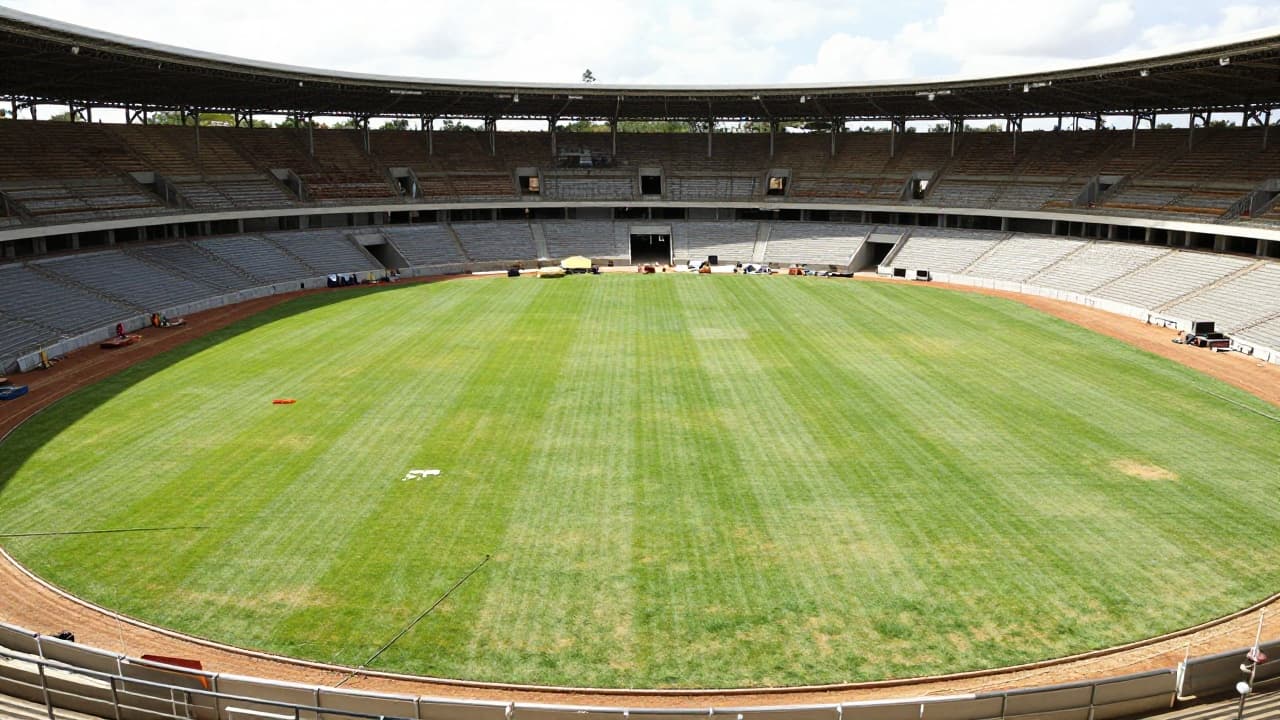
The inspection tour began in Tanzania and continued in Kenya, where Motsepe visited the Kasarani stadium and the newly built 60,000-capacity Talanta stadium. According to BBC Sport Africa, one of the main areas of concern in Kenya is Kasarani and its associated facilities. Kasarani is set to host the 2029 World Athletics Championships, with Nairobi awarded the hosting rights on Tuesday over London and Rome.
During the previous Caf inspection in mid-February, local organisers were told that stadiums and associated training facilities should be 80 per cent ready by August. However, Kasarani has seen limited progress over the past seven months, with several areas still requiring attention. Among the biggest challenges is the turf, which has not yet been laid, as well as work on cable wiring for broadcast and television operations, lighting and the stadium's sky boxes.
Motsepe highlighted the demands placed by hosting hundreds of VIPs and heads of state, meaning that some stadium designs will need to be reconfigured. 'Security issues regarding where special guests will sit, particularly heads of state, require a revision of the original plans,' he said. Despite the challenges, he made it clear that the schedule for Afcon 2027 would not be revised. 'There is no plan B, no plan C,' he stated, adding that 'there is no consideration of postponement' and that 'there is no need to delay' given the deep level of commitment.
The Kenyan minister, Salim Mvuary, stated that preparations would be completed on time. 'We assure Caf and the Kenyans that we will accelerate preparations for the 2027 Afcon,' he said, adding that 'all will be completed by December to ensure we can have test matches on various facilities' at the time. Motse is due to return to the region for a final inspection visit in January.
The history of delays has followed African tournaments: this year's Women's African Cup was played in July after its planned start in March was delayed with only 12 days' notice. The 2024 African Cup of Nations, held in Kenya, Tanzania and Uganda, was postponed from its original dates in February 2025 to August 2025 to ensure infrastructure and facilities were 'at the required levels', a decision made 18 days before the tournament was due to begin. The 2023 Afcon in Ivory Coast was moved to the early months of 2024 due to concerns over the rainy season. Two years ago, Motse's predecessor, Veron Moskene, acknowledged that Caf was facing a 'schedule nightmare' in trying to fit its biennial tournaments into the crowded football calendar, with some experts claiming this was part of the reason for the decision to hold the men's Afcon every four years after 2028.
Mvuary highlighted the wider significance of the tournament. 'One of the reasons why Kenya was awarded the bid for the 2029 World Athletics Championships is that we are hosting the Afcon. So this is a legacy,' he said. 'Sport is not just entertainment, it is a source of income, it is economic transformation. So we are aware that the opportunity to host the Afcon will be key to our economic inspiration. Our tourism will benefit greatly,' he added, stating that the government was confident it would be a successful host. The next three months are likely to be particularly crucial in delivering on that promise.