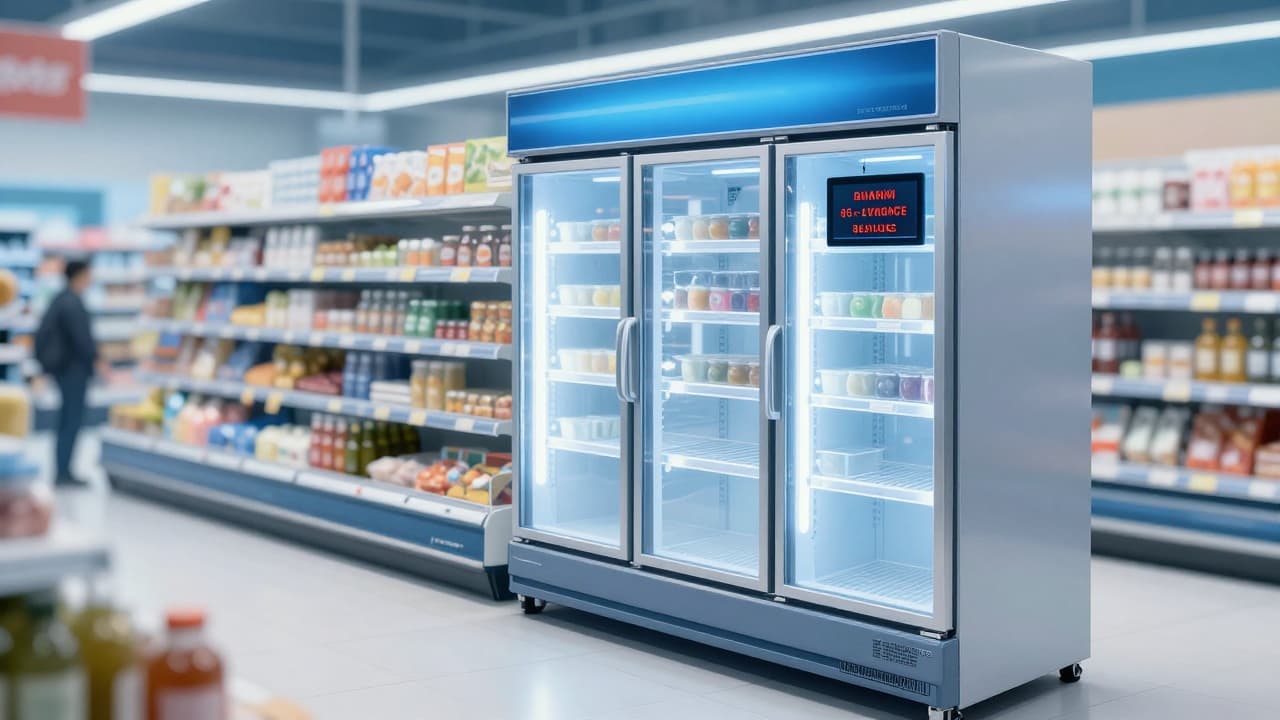
Unknown attackers infiltrated the cooling systems of a Slovenian meat processing manufacturer and set temperatures of 100 °C in several freezers and cold rooms, reports the 24ur.com portal. The company in question is Alpi (Alpi d.o.o.), a Tolmin-based producer operating as part of the Kmetijska zadruga Tolmin (Tolmin Agricultural Cooperative).
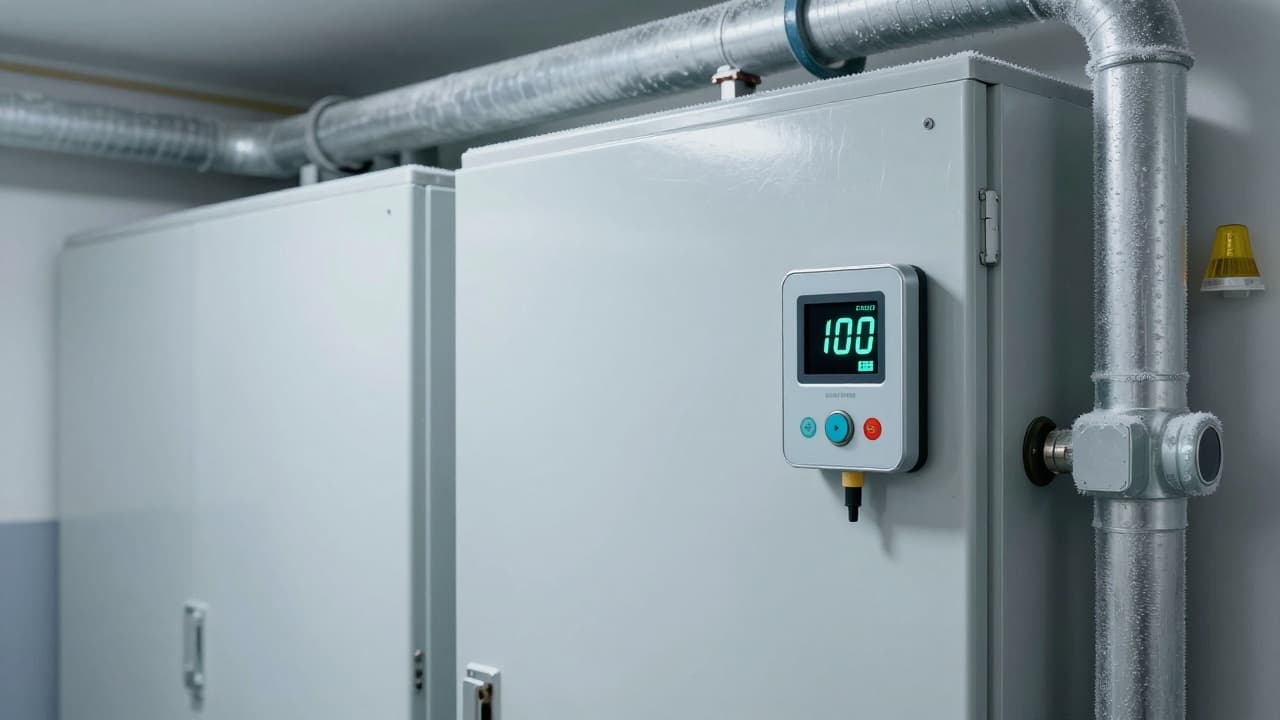
The attack was accidentally spotted around midday on Thursday by an employee during a routine check. He noticed that the freezing room was set to 100 °C, and given recent incidents across Europe, the plant immediately suspected a cyberattack and checked the other units. Altered settings were also found in the slaughterhouse and in the cold room of one of the shops, where the temperature had been set to 20 °C instead of the normal two to three degrees.
Cooperative director Nikola Šavle told the 24ur.com portal that the service provider's access to the system had been blocked when he tried to log in. As he described, a photograph of Italian Transport Minister Matteo Salvini appeared on the screen, with a caption in Italian reading: "Thank you, Uncle Matteo." Who is behind the attack and what the message was meant to signify is not yet known.
The cooperative monitors freezer temperatures through an internet-connected system. Following the attack, all cooling systems were disconnected from the network, and temperatures are now adjusted manually. Physical surveillance has also been introduced, with employees checking the settings every few hours.
Because the change was detected in time, the meat products were not spoiled. The value of the threatened goods is estimated at around €250,000. The cooperative will report the incident to the Slovenian national cyber security centre, SI-CERT (Slovenian Computer Emergency Response Team), and has also informed the Zadružni savez Slovenije (Slovenian Cooperative Union) in order to alert other traders.
A wave of hacker attacks on cooling systems has been hitting European shops since October. At that time, hackers took control of cooling devices in hundreds of supermarkets in France and raised temperatures by up to 50 °C, causing fires and food spoilage. On the night of 2 November, the same happened in Belgium, Luxembourg, Sweden, Estonia, Finland, Ireland and the Netherlands. Around forty Delhaize chain shops were affected in Belgium and Luxembourg alone, and Carrefour confirmed problems in 15 of its 700 Belgian stores. Further attacks were then recorded in Italy.