Hacker attacks on cooling systems in European shops have caused refrigerators and freezers to warm up, forcing retailers to discard spoiled food. The European Union Agency for Cybersecurity (ENISA) and the European Commission have called on companies to immediately protect exposed systems.
According to a joint statement dated 4 November, incidents in commercial cooling systems across several EU member states have been recorded since 11 October, with a new wave noted on 1 and 2 November. European authorities warned of the need for rapid information sharing and a coordinated response.
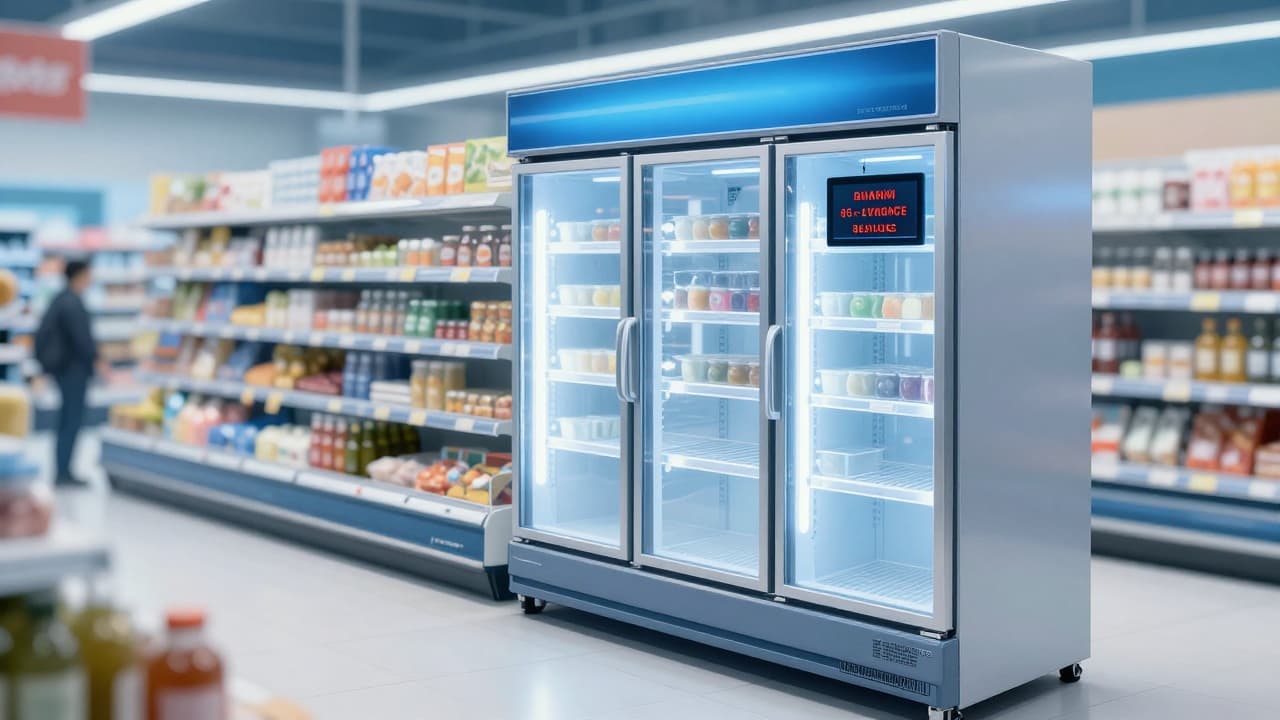
The attacks targeted systems used to remotely manage cooling equipment. Belgian manufacturer Sabcobel explained to the BBC that a defrost mode had been activated on some of the affected devices. As a result, temperatures rose, and some retailers had to throw away food that had spoiled.
The BBC reports that the latest wave affected around 40 Delhaize supermarkets in total across Belgium and Luxembourg. A smaller number of shops were affected in Sweden, Ireland, the Netherlands, Estonia and Finland, while earlier attacks in October also hit French stores.
Richard Horne, Director of the UK’s National Cyber Security Centre, warned in a BBC interview about the risks posed by outdated equipment, missing security updates and insufficiently protected systems connected to the internet. He highlighted the need to invest in renewing the technology on which companies rely for daily operations.
Europol’s European Cybercrime Centre and national computer incident response teams are involved in coordinating the European response. Investigations are ongoing in the affected countries, and ENISA’s statement does not specify whether any shops in Croatia were among those hit.