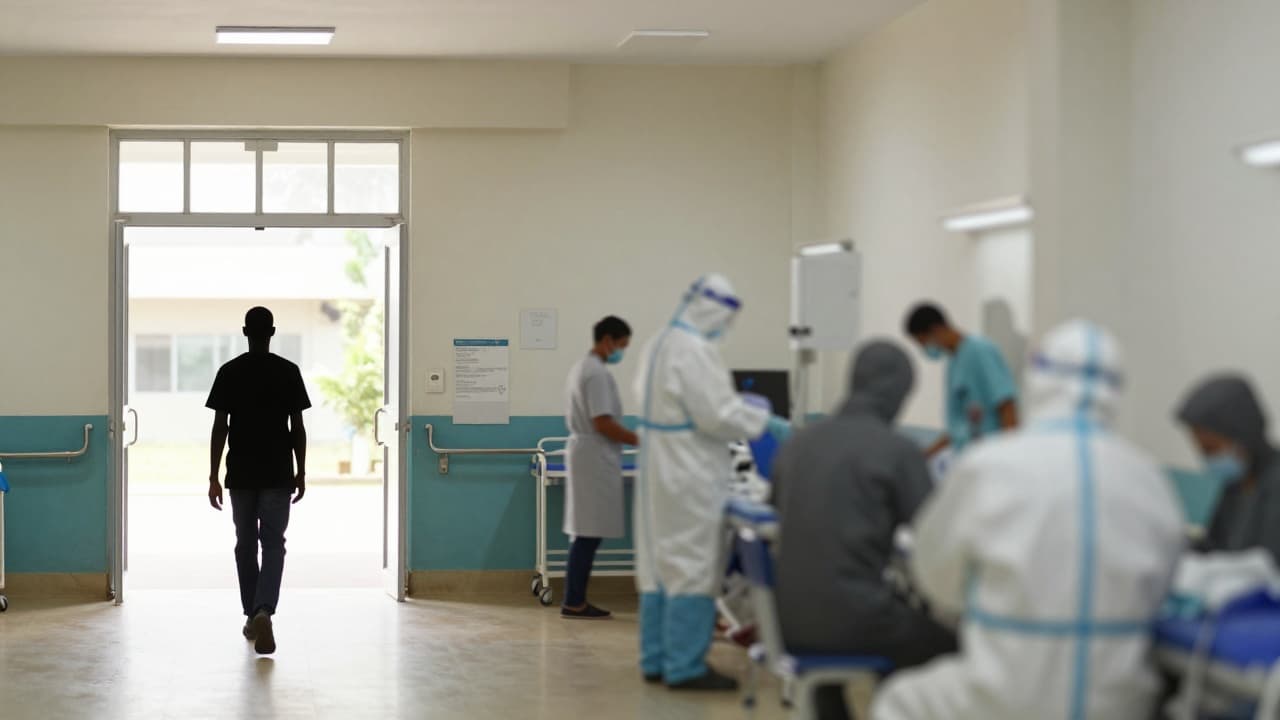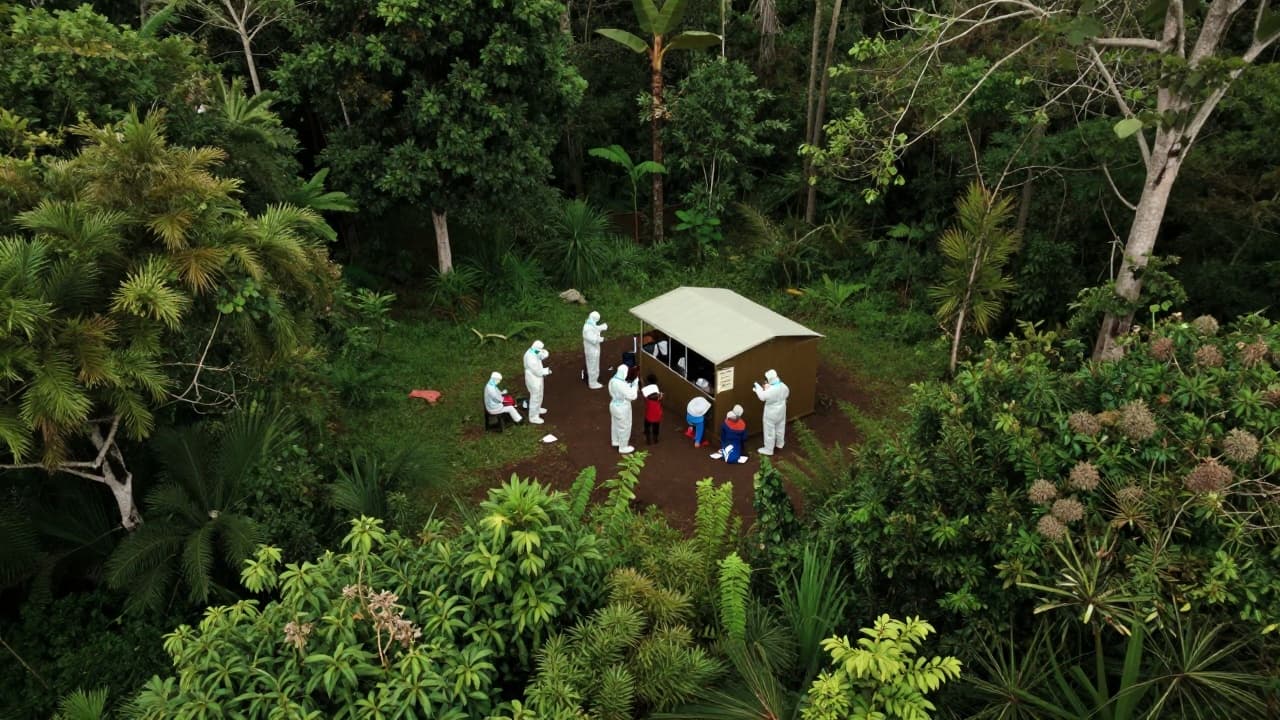
Dr Raymond Kasereka Kamwanga, a doctor at Katwa Hospital in Butembo in the east of the Democratic Republic of Congo, suspected he had contracted Ebola and headed to a specialised treatment centre. His family considered the centre a "house of death", and his 50-year-old mother, Masika Ndungo, tearfully begged him not to go, asking: "Why do you choose death in the Ebola treatment centre?"
In July, two months after the World Health Organization declared the Ebola outbreak in the DR Congo a public health emergency of international concern, Kamwanga told his family he suspected he had Ebola. Since that declaration, 5,400 people have died and 11,000 have been infected, making it the second deadliest Ebola outbreak ever recorded. Butembo is located in North Kivu province, the epicentre of the crisis with the highest number of reported cases, according to data from the Congolese Ministry of Health. Kamwanga is one of 3,031 survivors.
Kamwanga believes he contracted the virus through contact with a patient in an environment where protective measures were not always adequate. The first symptoms appeared gradually: a bitter taste in the mouth, a headache and general weakness. He contacted the Ebola response team, and after an initial examination and tests, he returned home, but his condition did not improve. Butembo lacks equipment for rapid Ebola testing – samples must be sent to the city of Beni, 54 kilometres to the north. Due to the state of the roads in this war-torn and underdeveloped part of the DR Congo, the journey can take between 48 and 72 hours.
After three days at home, Kamwanga felt extreme weakness and muscle pain. On the fourth day, he began to vomit and suffered from diarrhoea. At around 18:00, he walked towards the nearby Ebola treatment centre, but refused to use the main entrance. He called colleagues and asked them to put on protective equipment before approaching him to isolate him. The virus spreads from person to person through contact with infected bodily fluids.
The current outbreak is caused by the Bundibugyo strain of the virus, for which there is no approved vaccine or treatment. Patient care is symptomatic – doctors treat the symptoms the patient exhibits. In Kamwanga’s case, these were severe vomiting and diarrhoea. In some patients, these symptoms can lead to organ failure, followed by internal and external bleeding. Kamwanga lost a lot of fluid and struggled to stay hydrated – he was terrified.
During the 13 days spent in a hospital bed, Kamwanga tried to keep his spirits up by watching films and series on his phone, reading and browsing TikTok. On the day he learned he had recovered, he felt immense relief and thanked the healthcare workers who had cared for him. However, confirmation that he was free of Ebola did not initially dispel the unease of his loved ones after he was discharged from the hospital.
His mother, Ndungo, said: "We welcomed him warmly. But out of fear, we did not get close to him again." During the 21 days that make up the virus’s incubation period, the doctor lived separately in another part of the family home. The house was crowded with at least 18 people at the time, including several children and people displaced by recent conflicts in the region. Kamwanga would only see them from a distance when he came for a meal, while other family members kept their distance.
Neighbour Kavugho Sifa said: "We were very scared, but we prayed to God to protect him in the treatment centre. With God’s help and the doctors’ efforts, we saw him return healthy." Ndungo says that witnessing Ebola firsthand helped break down some of the disinformation. After his recovery, Kamwanga dedicated himself to community work – sharing his story as a way to fight rumours and distrust.
"I started writing my book – The Price of Saving Lives – a week after I recovered and left the hospital," Kamwanga said. "But it is not yet finished. What I am currently using during awareness-raising activities is a draft, and it already has a significant impact." During these sessions, Kamwanga also shares photographs taken while he was ill to convince residents that Ebola is real. He explains that some people view awareness campaigns as a way for humanitarian organisations to profit from donor funds.