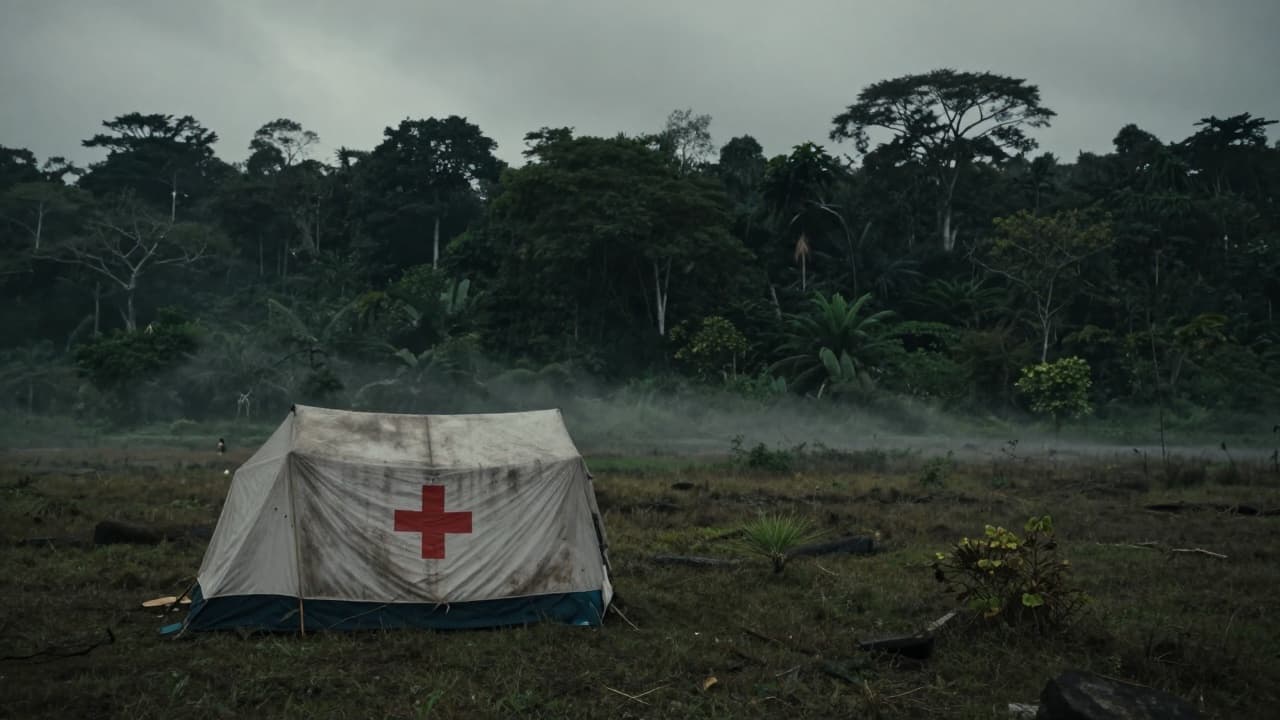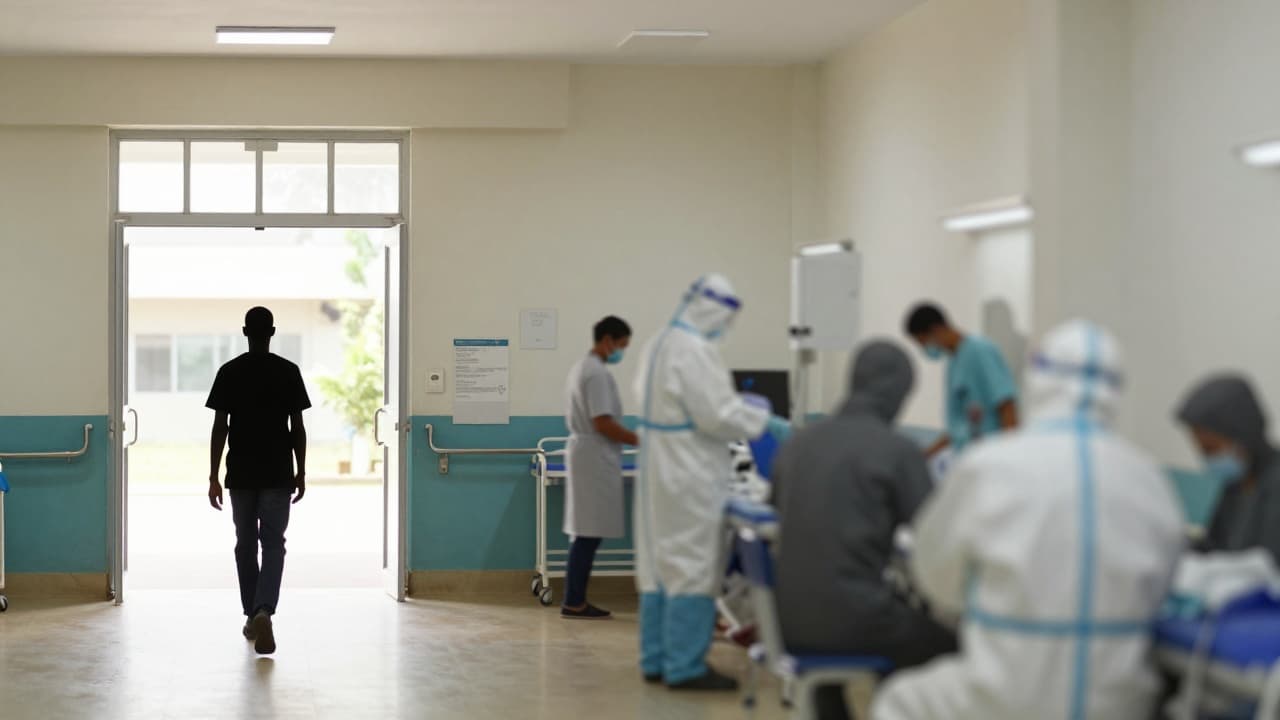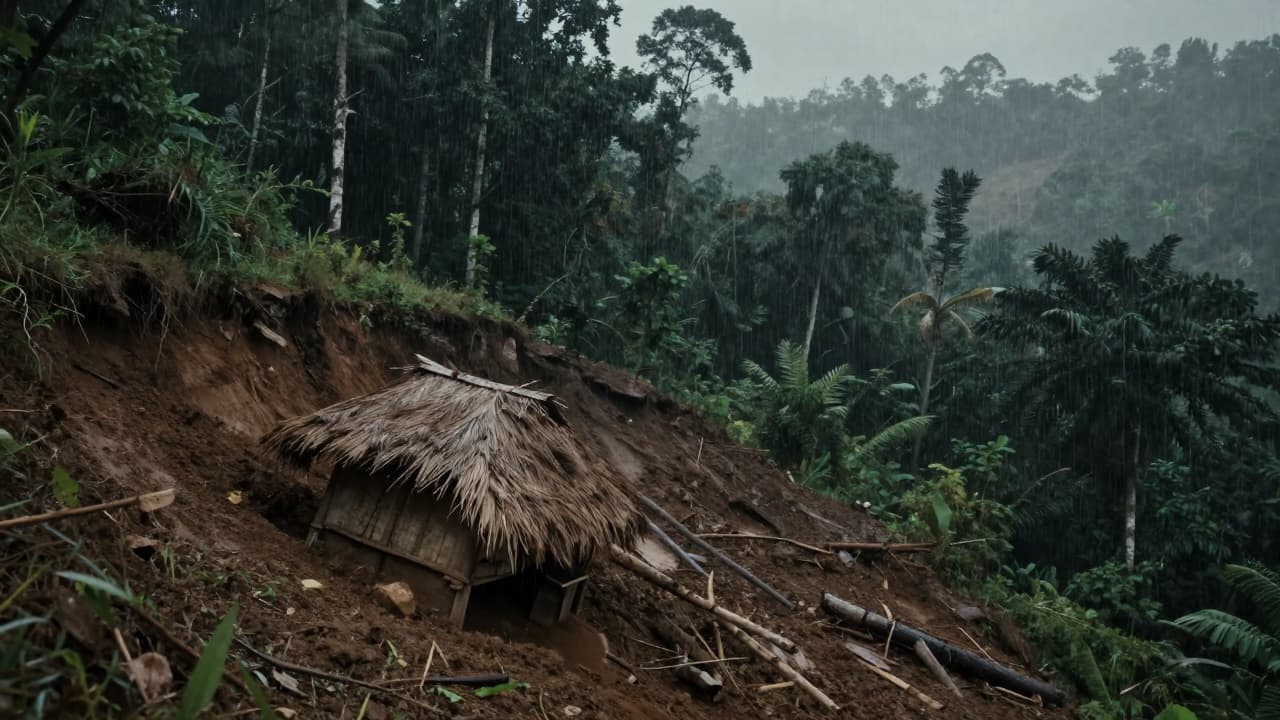
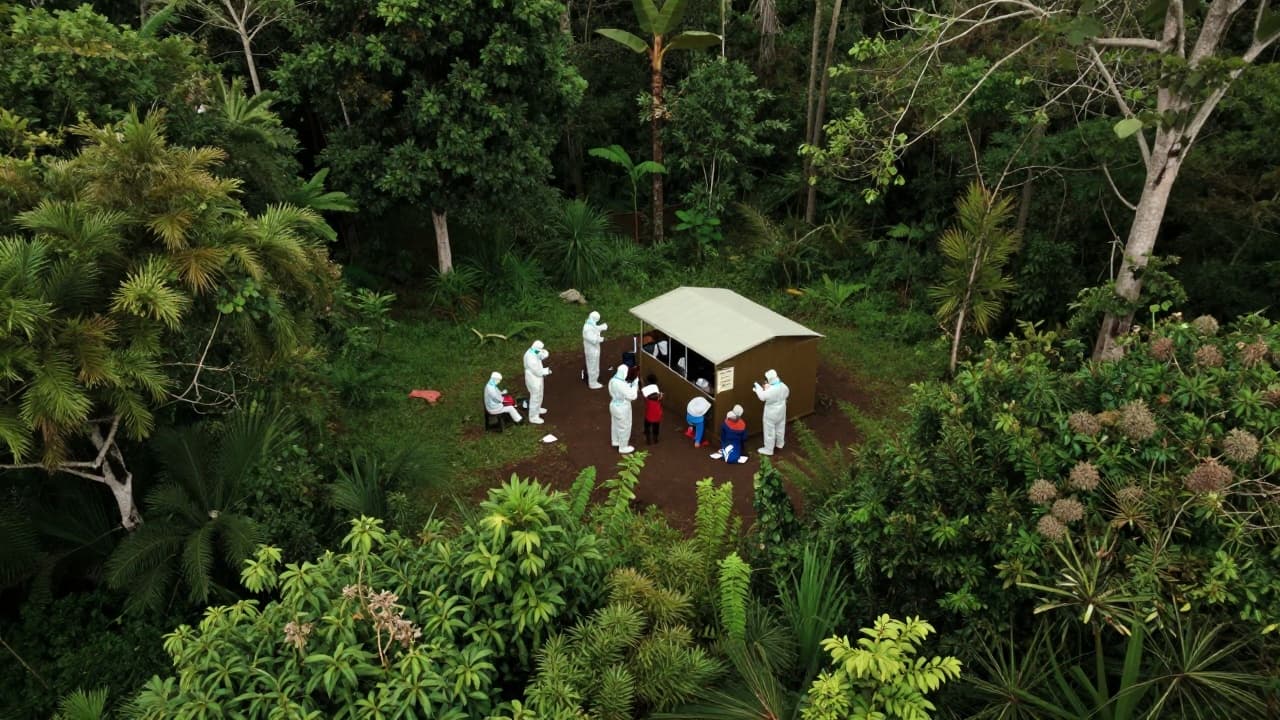
The World Health Organization (WHO) announced on Saturday that the Ebola outbreak in the Democratic Republic of the Congo is worsening, with the risk of the infection spreading to neighbouring countries increasing. This crisis is the worst the country has ever seen, surpassing all previous outbreaks in terms of the number of cases and fatalities.
According to the latest data, 567 new laboratory-confirmed cases were recorded in the past week, and 296 deaths. These figures are higher than in any previous week, indicating a rapid spread of the virus. The total number of confirmed cases in the current outbreak stands at 3,605, while the number of deaths has risen to 1,587. To date, 651 patients have recovered.
The current outbreak is caused by the Bundibugyo variant, for which there is no approved vaccine. Although clinical trials for a vaccine against this specific variant are ongoing, the availability of protection for the population is limited. By comparison, the worst outbreak in the DRC occurred between 2018 and 2020, when 3,317 cases were recorded.
Medical staff on the ground are facing extremely difficult security conditions. Armed conflict between rebel groups is present in areas affected by the outbreak, complicating access to affected communities and the implementation of health measures. A further problem is the presence of hundreds of thousands of displaced persons living in unstable conditions.
In addition to security threats, health workers are battling deep-seated distrust among the local population towards health institutions and interventions. This distrust presents a significant obstacle in controlling the spread of the infection and preventing further escalation of the epidemic in the region.