Spanish transport minister Óscar Puente stated on Friday that he would not resign following the high-speed train collision that killed at least 69 people. Speaking at a press conference in Madrid, he said he had nothing to hide and that many questions about the accident still needed to be answered.
"My duty now is not to talk about whether I should stay in my position, but to solve the problem," Puente said. He added that he would not use any workers as a shield and that if the investigation revealed human error, he would act accordingly. "It would be easy for me to leave, but that does not fit my character nor is it what the prime minister has asked of me," he said.
Calls for his resignation came from political opponents, a trade union and protesters who demonstrated outside the transport ministry on Wednesday evening. The conservative People's Party joined the demands after the CSIF union had made the same request earlier in the week. Puente reiterated the government's promise to get to the bottom of the catastrophe.
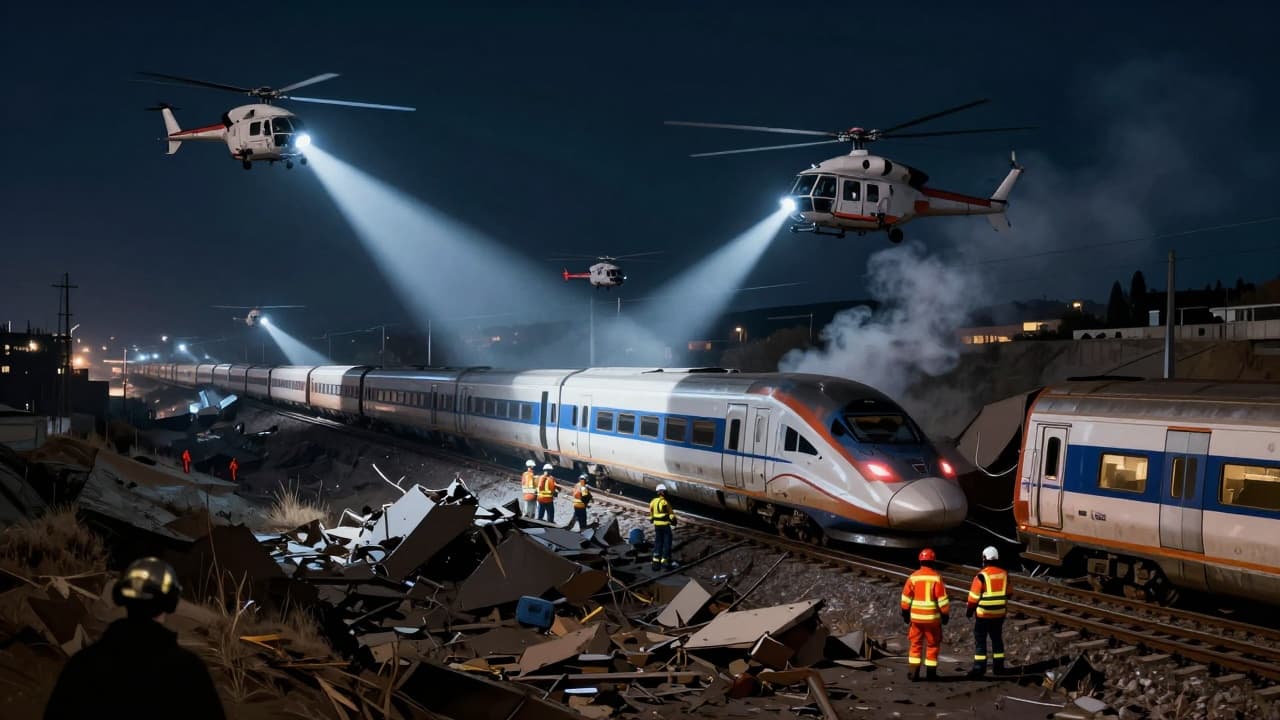
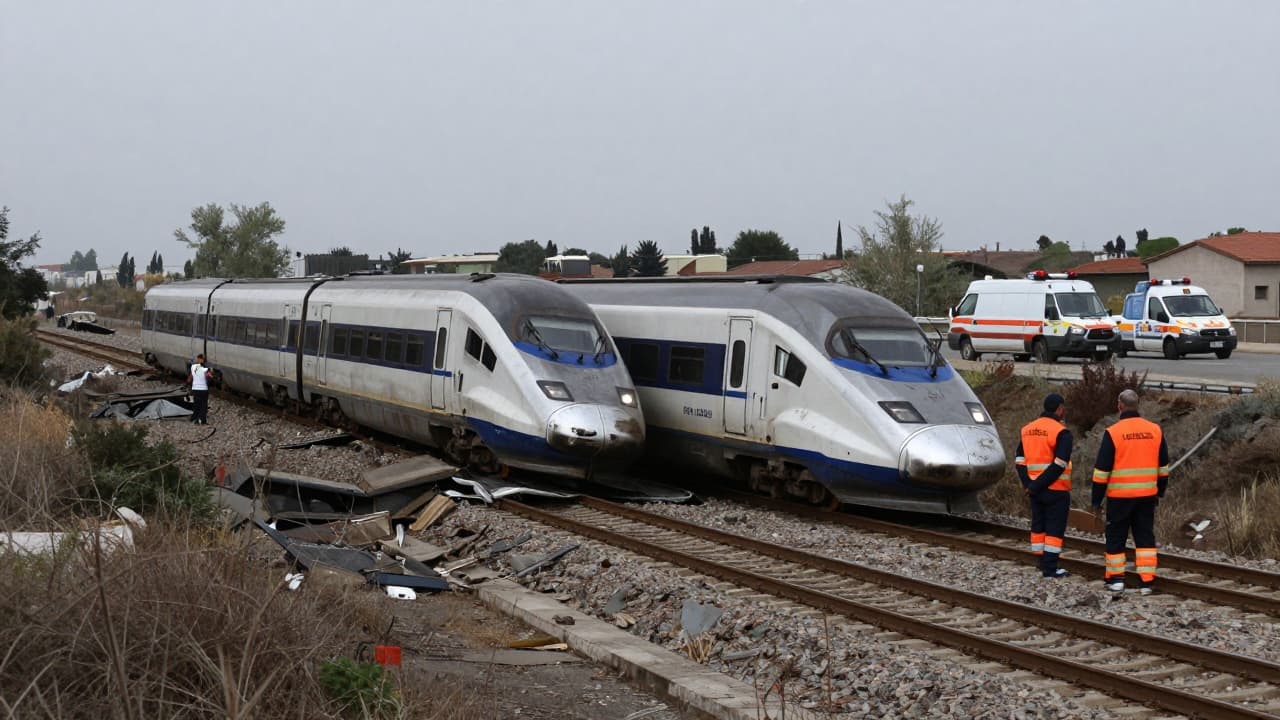
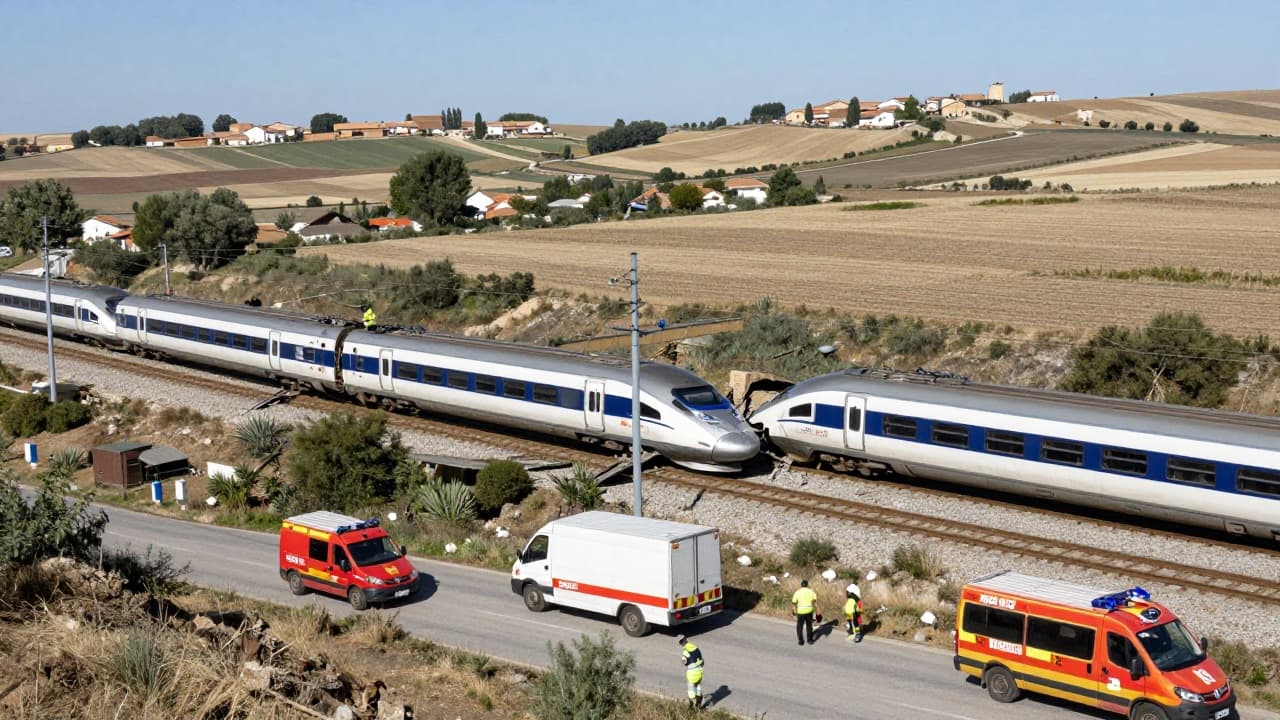
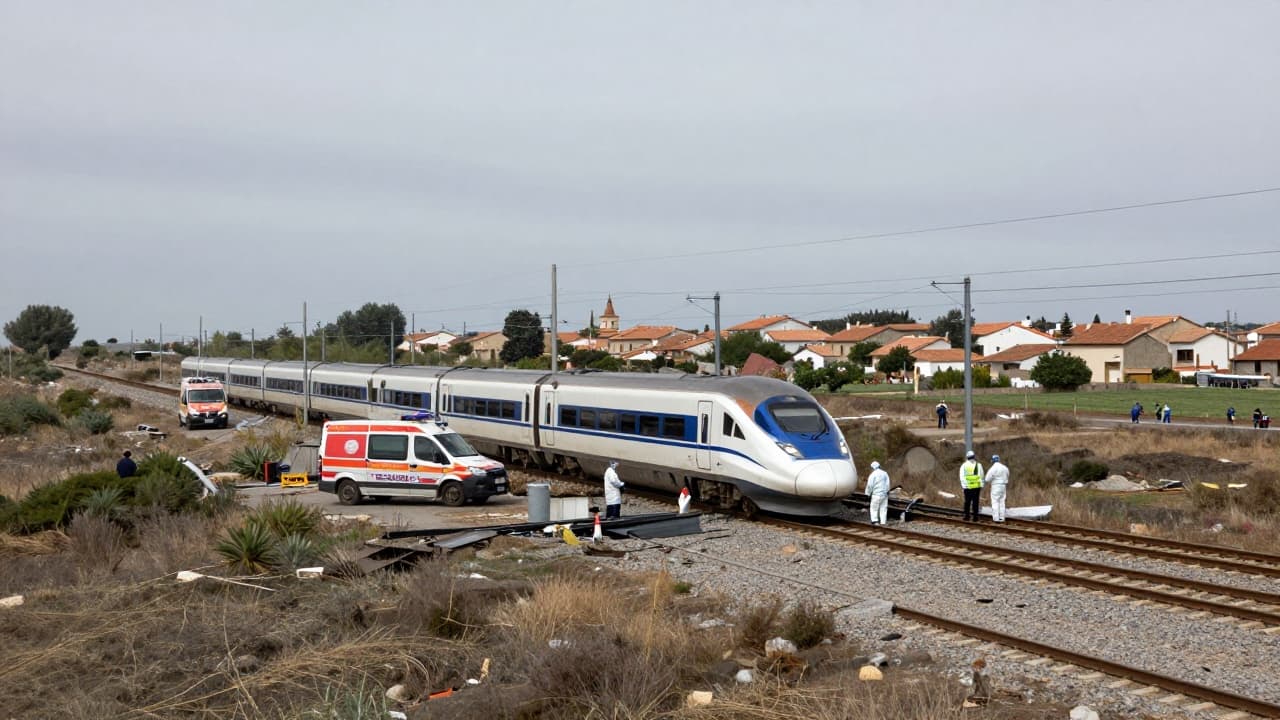
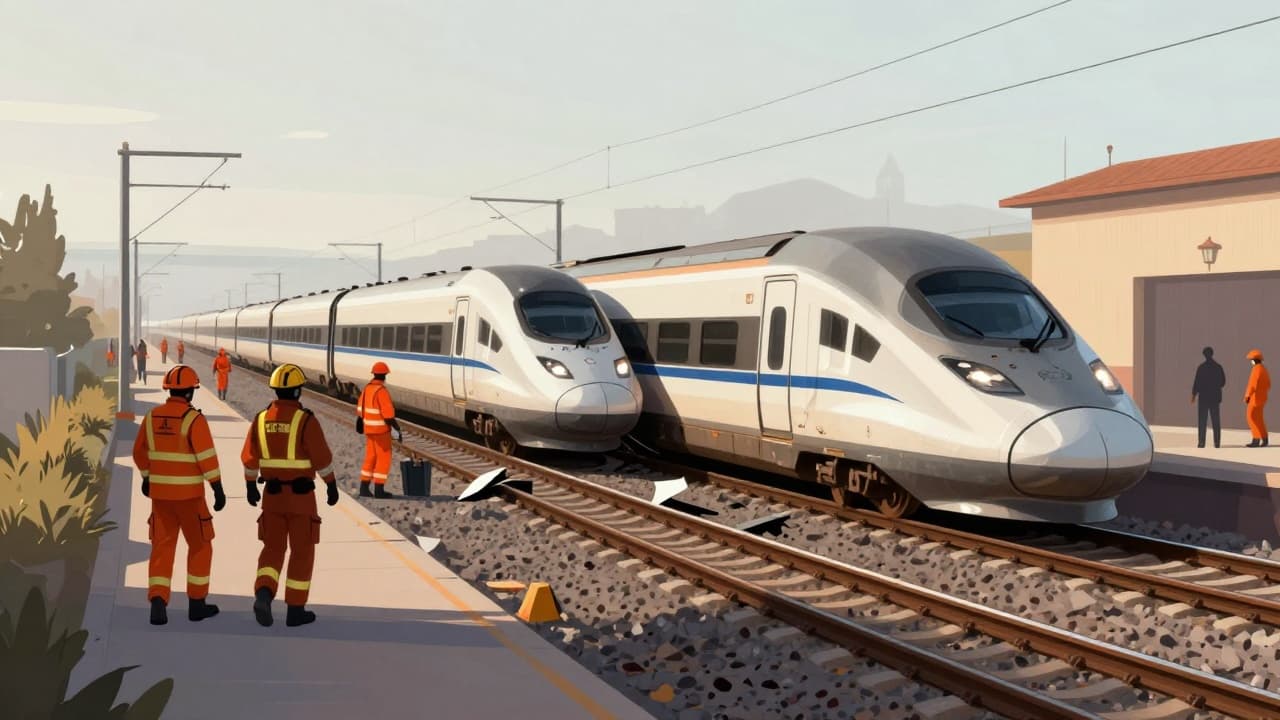
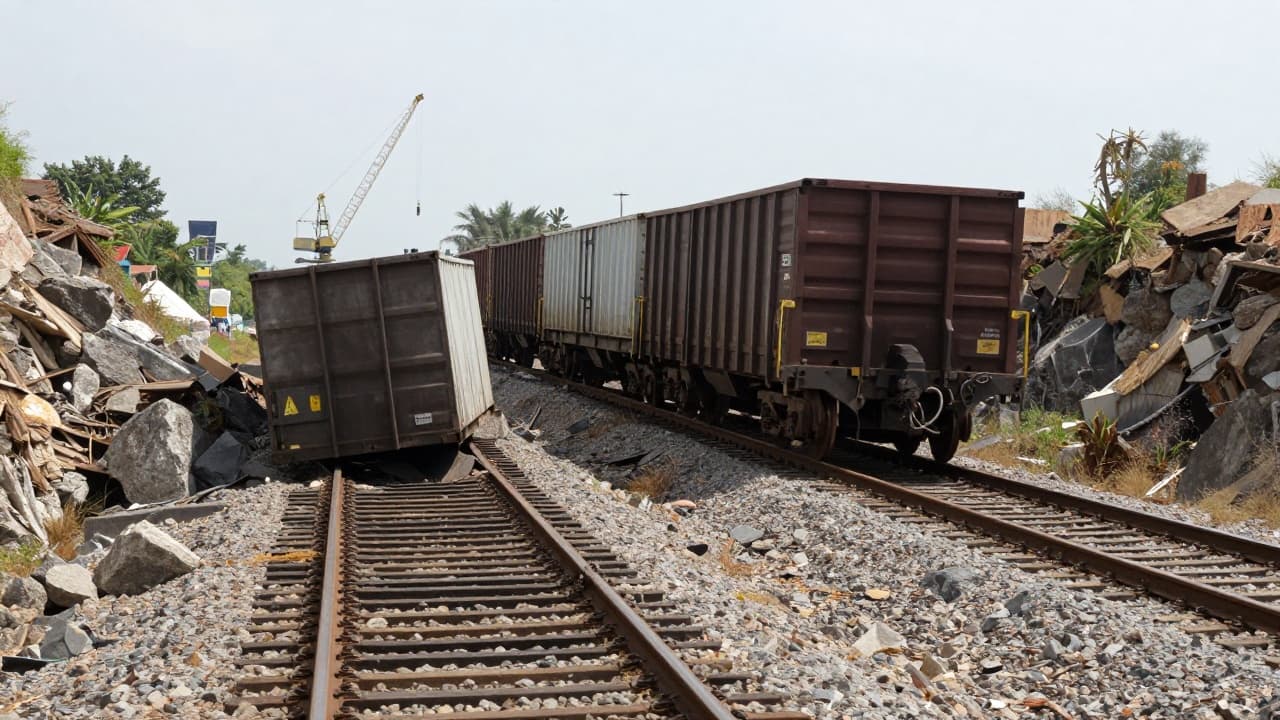
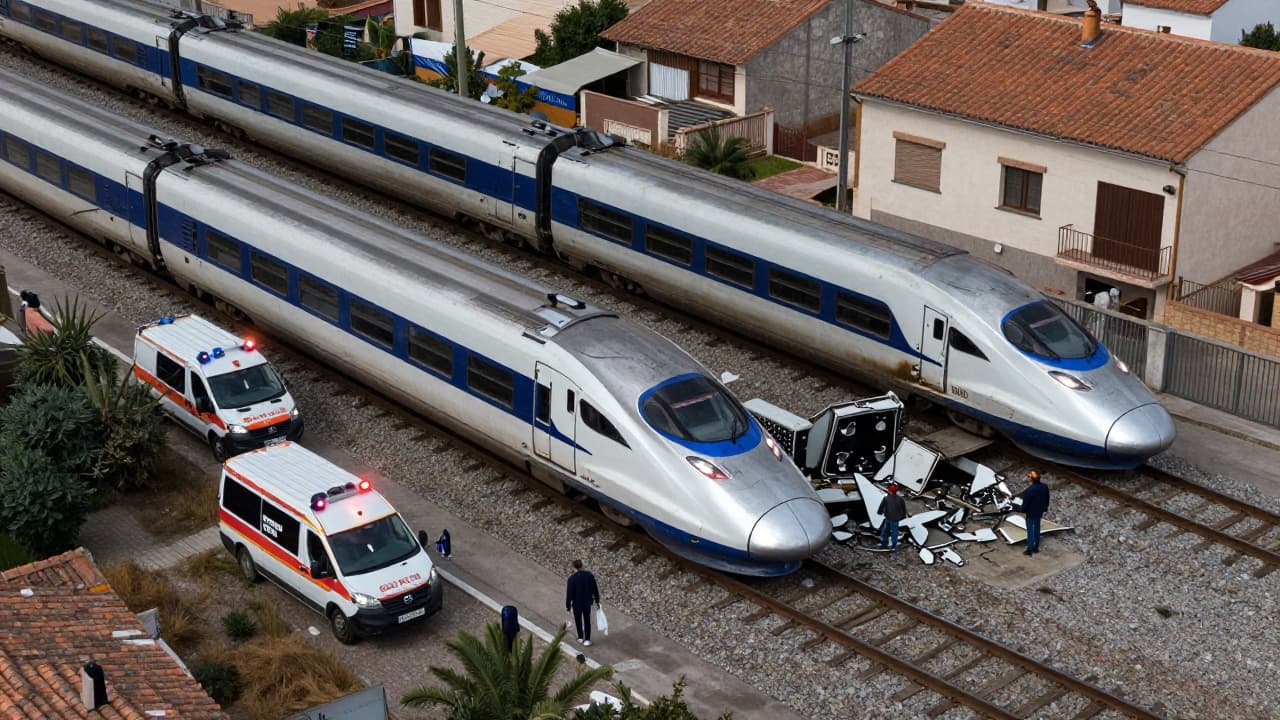
In the collision, a state-owned high-speed Renfe train rammed into the rear of a stationary Iryo train. The accident occurred on Wednesday morning near the town of Urda in the central province of Toledo. In the crash, the front carriage of the Renfe train became wedged in the rear of the stopped train.
According to a preliminary report by transport investigators published late on Thursday, the Renfe train was travelling at a speed between 160 and 200 kilometres per hour at the time of the collision. Puente said on Wednesday that a computer failure around 8:30 that morning had caused an initial stoppage of six trains in motion, including the two that subsequently collided.
Prime Minister Pedro Sánchez said earlier on Friday that public confidence in the Spanish high-speed rail network had been damaged. He reiterated that it was "unacceptable" that two similar tragedies had occurred within a year. In January, 46 people died in a collision on the same Madrid-Seville route in Adamuz, in southern Spain.
The release of audio recordings in Spanish media revealed conversations between drivers and the control centre minutes before the crash. Three recordings between the Madrid control centre and two drivers appear to show that one high-speed train was authorised to move even though another train was stopped on the track, about 25 kilometres ahead. Puente had previously said that the decision to restart trains without any speed restrictions was "inexplicable".
Some Spanish politicians criticised the leak of the audio recordings. Alberto Ibáñez, a member of Congress from the left-wing Sumar platform, wrote on X that the published recordings were "disgusting". Irene Montero, the prime ministerial candidate from the left-wing party Podemos, said that responsibility for the collision must not be shifted onto a single worker and that drivers and experts have been warning for years about the liberalisation of the rail sector.
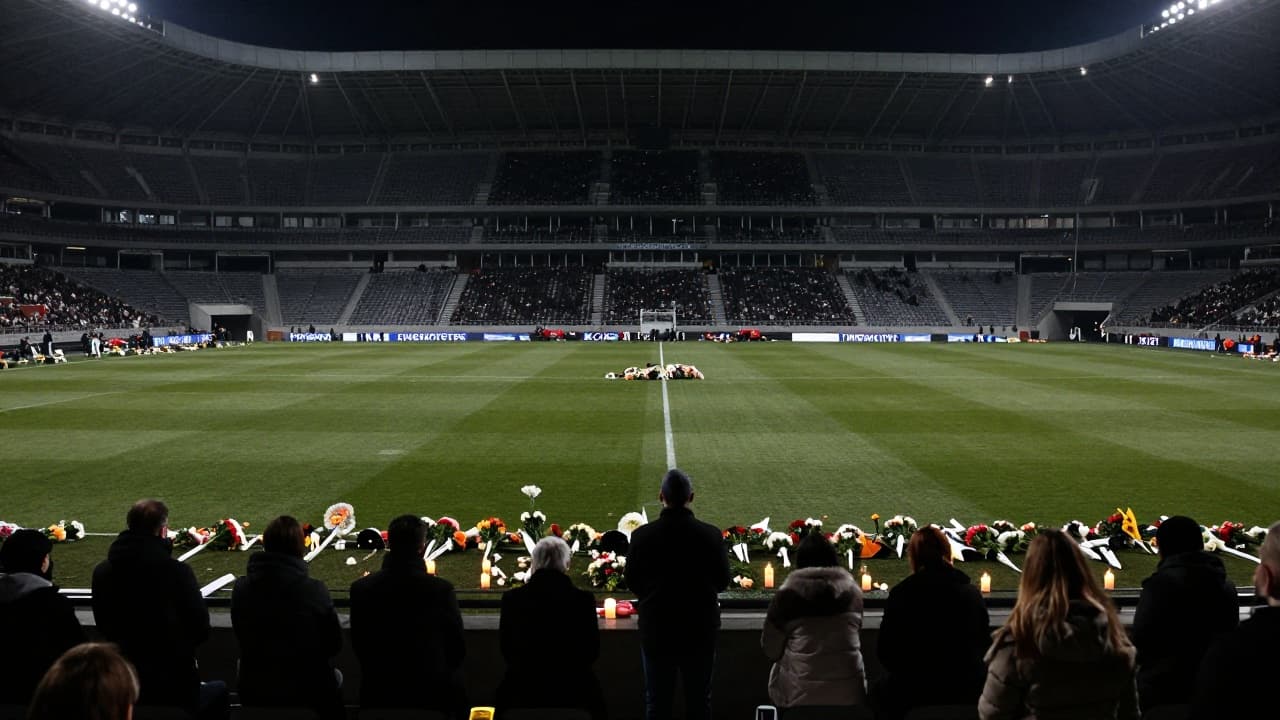
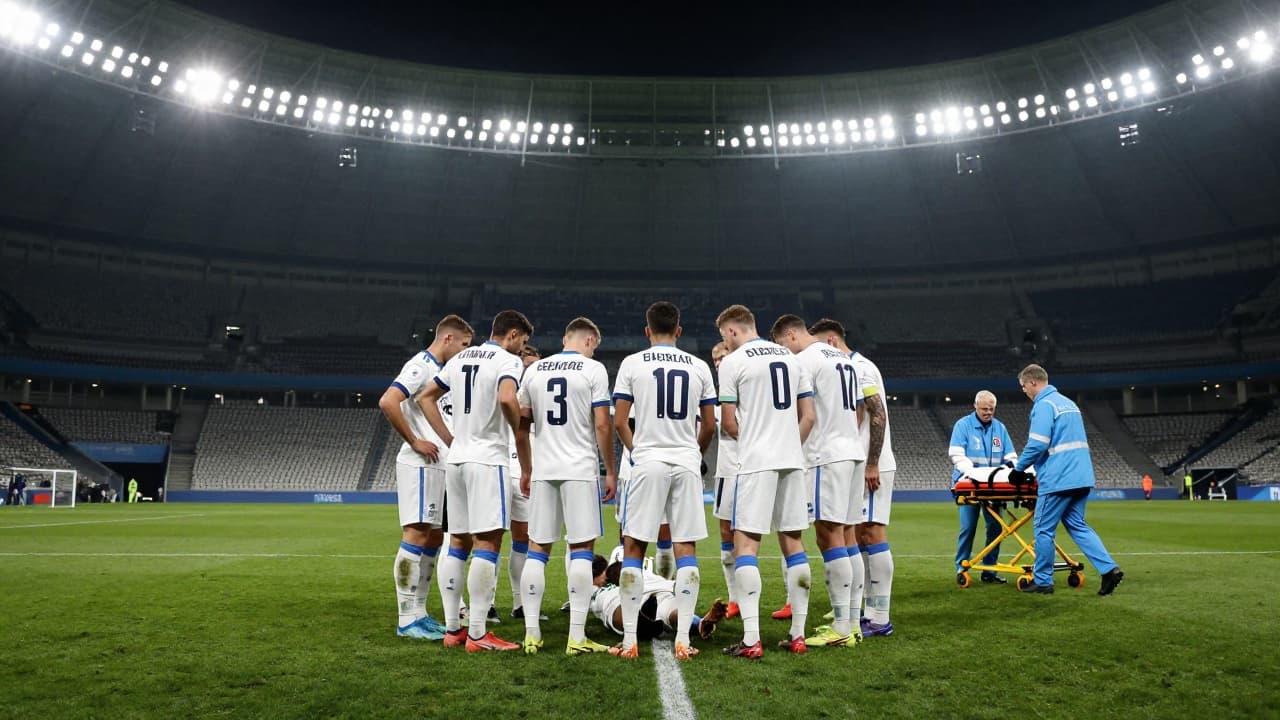
Spain is observing three days of mourning. Families of the victims and survivors are struggling to comprehend how the accident could have happened. Among the victims are a 24-year-old athlete and a former government member, and many families are still waiting for information from the authorities about their loved ones. Esther San Emeterio told journalists in Toledo, near Urda, that officials were forcing families to wait in "uncertainty". "We went to bed crying, angry and full of shame," she said. "We are desperate and I want all of Spain to know it. How can they keep us like this?"