Spain has entered a three-day national period of mourning following a rail accident in which at least 68 people died and dozens were injured. It is one of the worst rail disasters in modern European history.
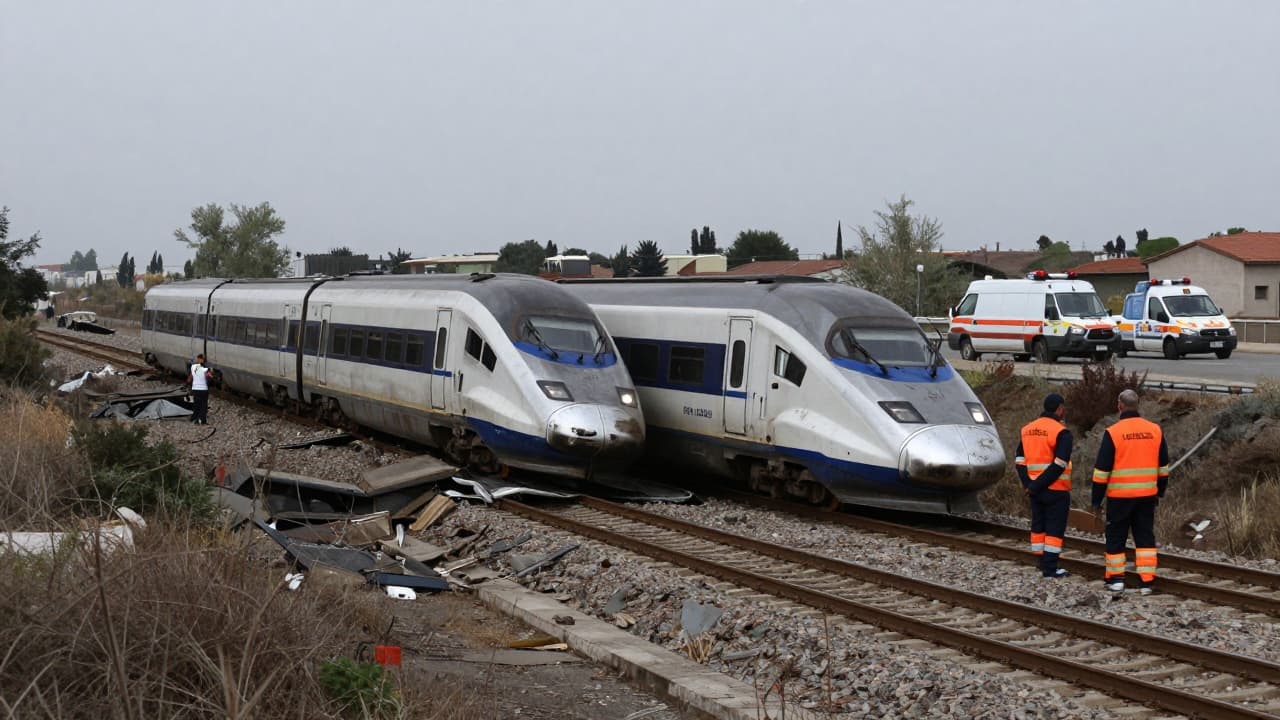
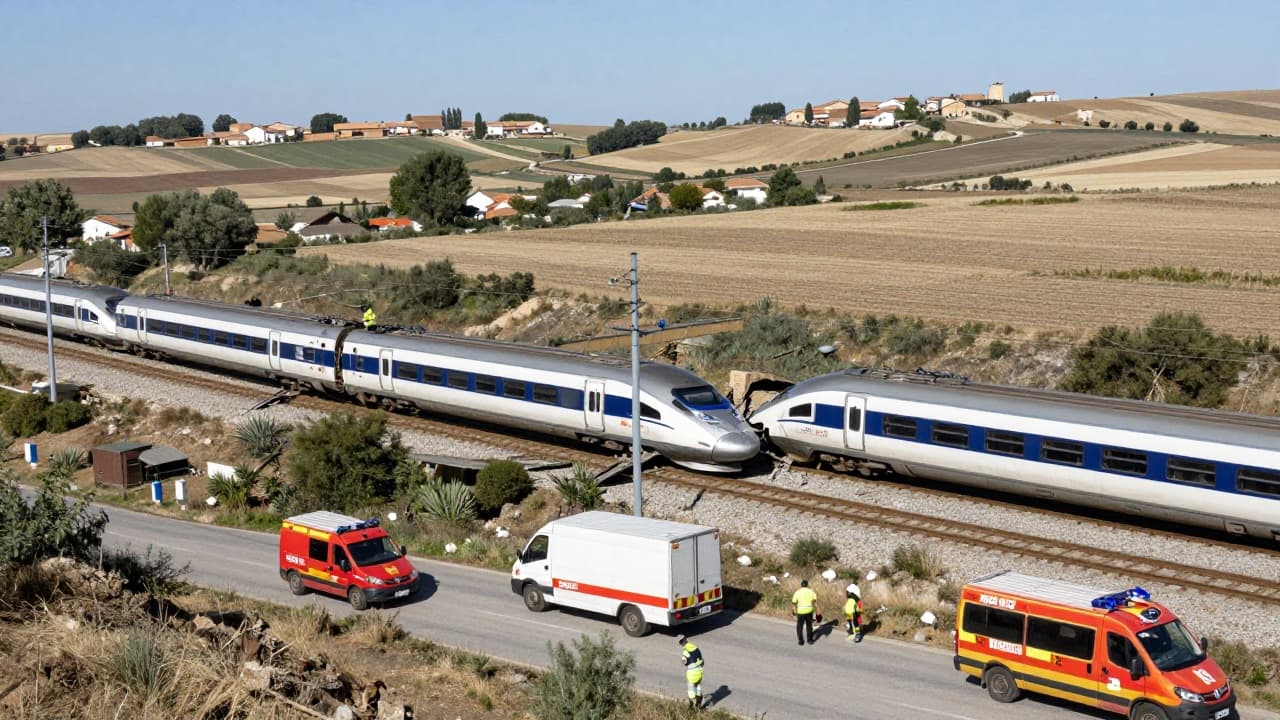
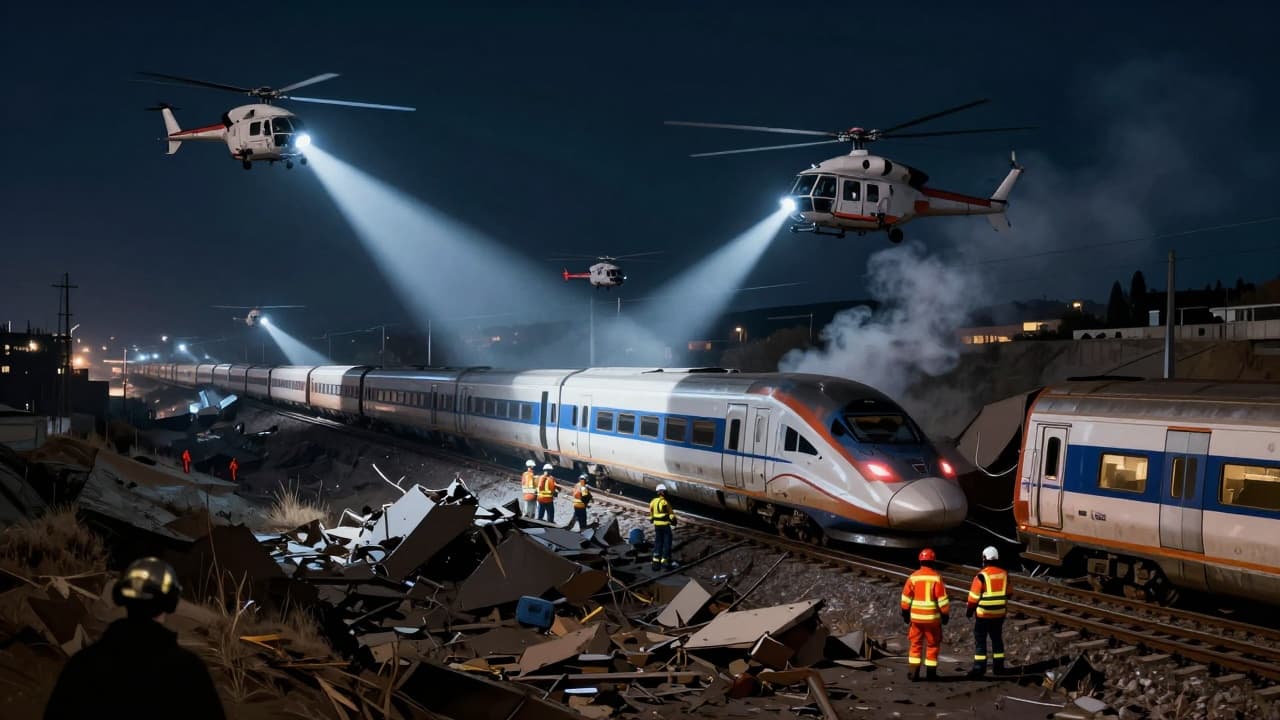
The accident occurred on Wednesday morning when a high-speed train travelling on the line from Madrid to Seville collided with a train that was stationary on the tracks. Rescue services worked all night under powerful floodlights, cutting through the metal structures of the carriages in search of victims, while drones and helicopters were used to search the area and clear debris. Hundreds of emergency service personnel were dispatched to the scene. Many of the victims have yet to be identified, and authorities are investigating the causes of the accident.
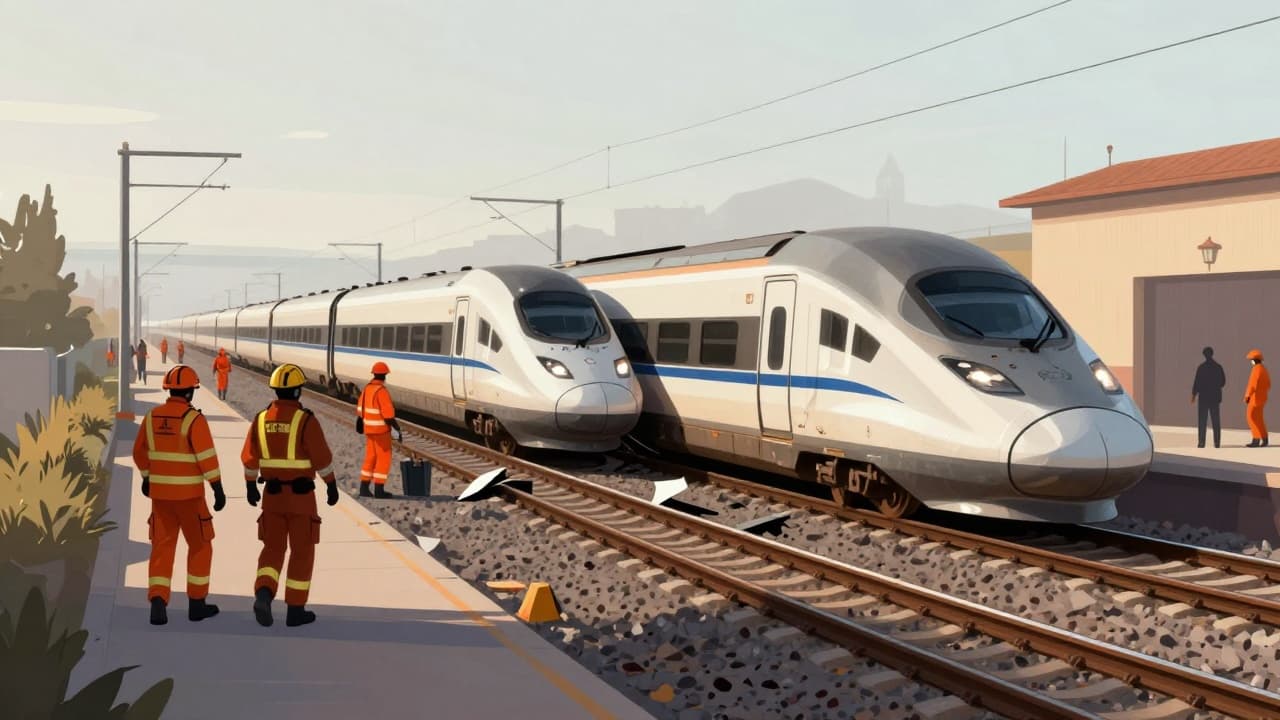
The stationary train, operated by private company Iryo, had been stopped on the line due to a computer system failure, confirmed Spanish Transport Minister Óscar Puente. There were 147 passengers on the Iryo train. Puente explained that in the event of a system failure, control is taken over by the on-duty control centre in Madrid, which operates 24 hours a day, and that the centre made an 'incomprehensible' decision to instruct trains to resume movement without any speed restrictions. Audio recordings of conversations between traffic controllers in Madrid and the drivers show that the high-speed train was given a green light to proceed even though the train ahead of it was malfunctioning and stationary. Iryo stated that its train was struck from behind by a train operated by Spain's state rail operator Renfe, which was carrying 397 passengers. The force of the impact caused several carriages to derail down the embankment. Witnesses described scenes of people crying and bleeding, passengers trapped in their seats, thick smoke billowing through the carriages, and one carriage catching fire.
Prime Minister Pedro Sánchez stated: 'All of Spain is in mourning', adding that 'lives have been destroyed, families shattered, and the pain is immense'. Sánchez said it was 'unacceptable' that Spain had experienced two serious rail accidents this year, recalling the high-speed train collision near Córdoba in January, in which 46 people died. That accident occurred on the same line, but significantly further south. Wednesday's accident is the worst rail tragedy in Spain since 2013, when 80 people died near Santiago de Compostela in the north-west of the country.
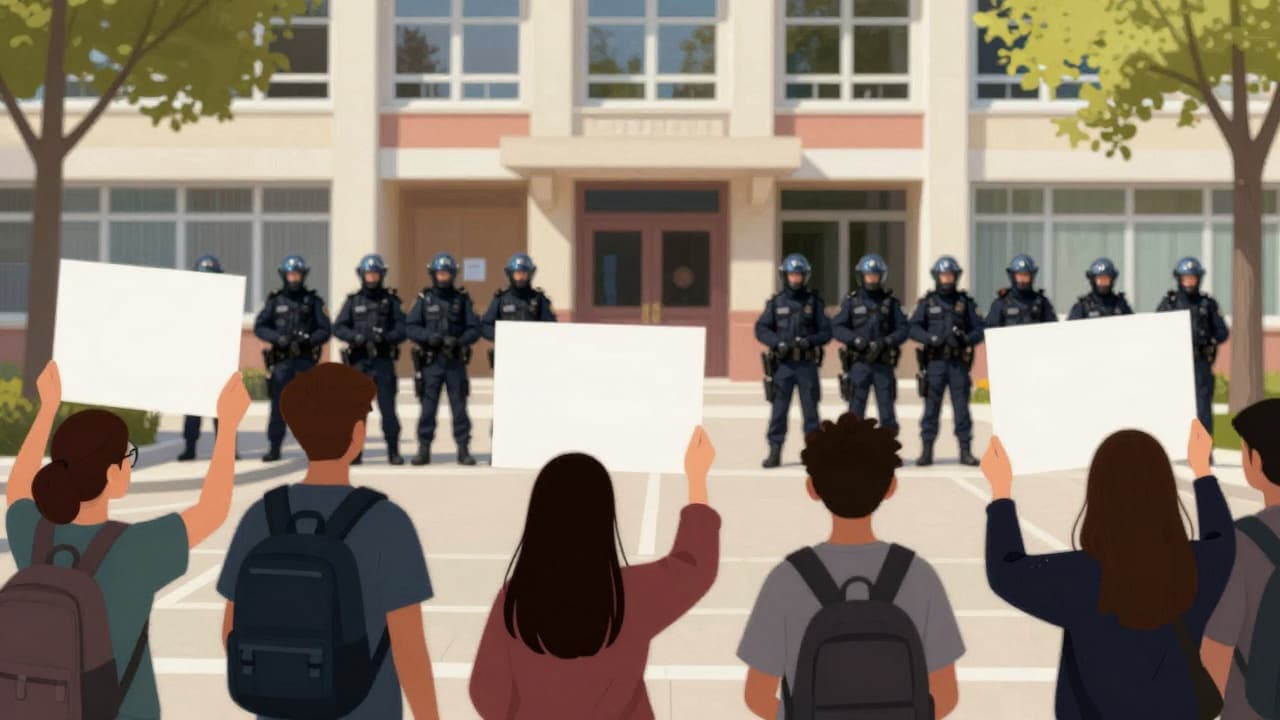
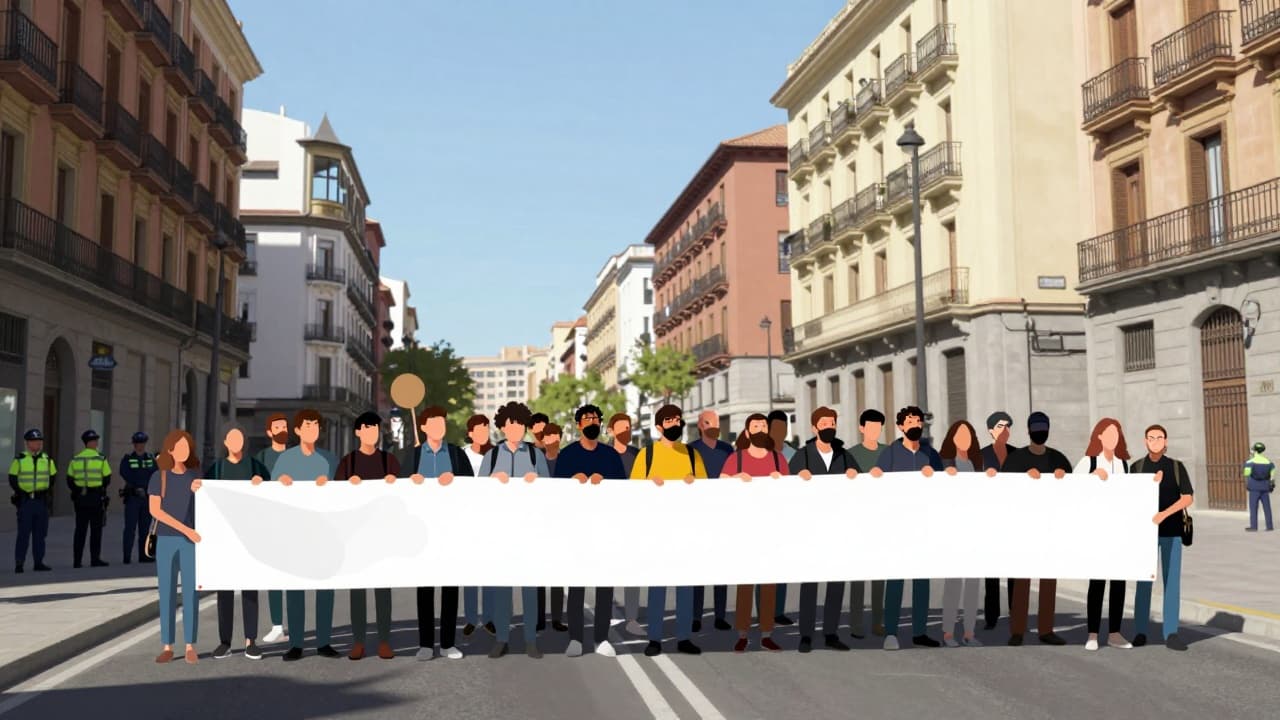
Most political parties immediately suspended their pre-election campaigns following the accident. The only exception was the right-wing party Vox, whose leader Santiago Abascal stated that his party would not participate in what he called attempts to 'silence criticism' of the state of the country's rail infrastructure through mourning. Leader of the leading opposition People's Party, Alberto Núñez Feijóo, stated: 'Spain has the right to know what is happening with its infrastructure'. During the night, around 1,500 people gathered outside the Ministry of Transport building in Madrid, with protesters mainly demanding the resignation of Prime Minister Sánchez and Minister Puente. Police used tear gas to disperse the crowd after protesters began throwing bottles and flares. No injuries or arrests were recorded.
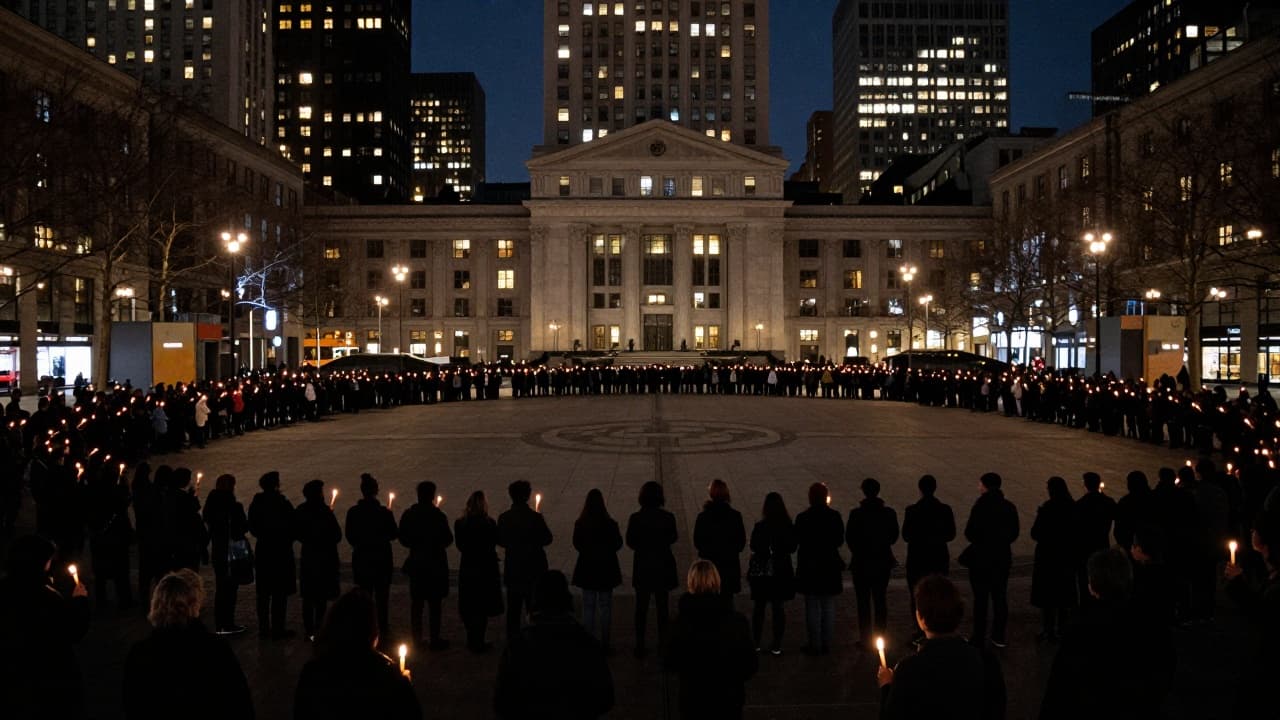
Train drivers are expected to proceed with their announced strike on Thursday. The Spanish Train Drivers' Union (Semaf) stated that the protest is being organised 'in defence of rail safety'. Late on Wednesday, families were still trying to obtain information about passengers who had been on the trains. Spain's Civil Guard opened special offices in Madrid, Toledo, Seville and Córdoba to receive reports on missing persons, and announced: 'The main priority is the identification of missing persons and the collection of DNA samples so that we can locate their families'. In Toledo, near the site of the accident, local residents gathered for a vigil and paid tribute to the victims with a minute's silence. Flags of the European Union were flown at half-mast on the buildings of European institutions in Brussels, and the European Commission called it a sign of European solidarity during the days of mourning in Spain.