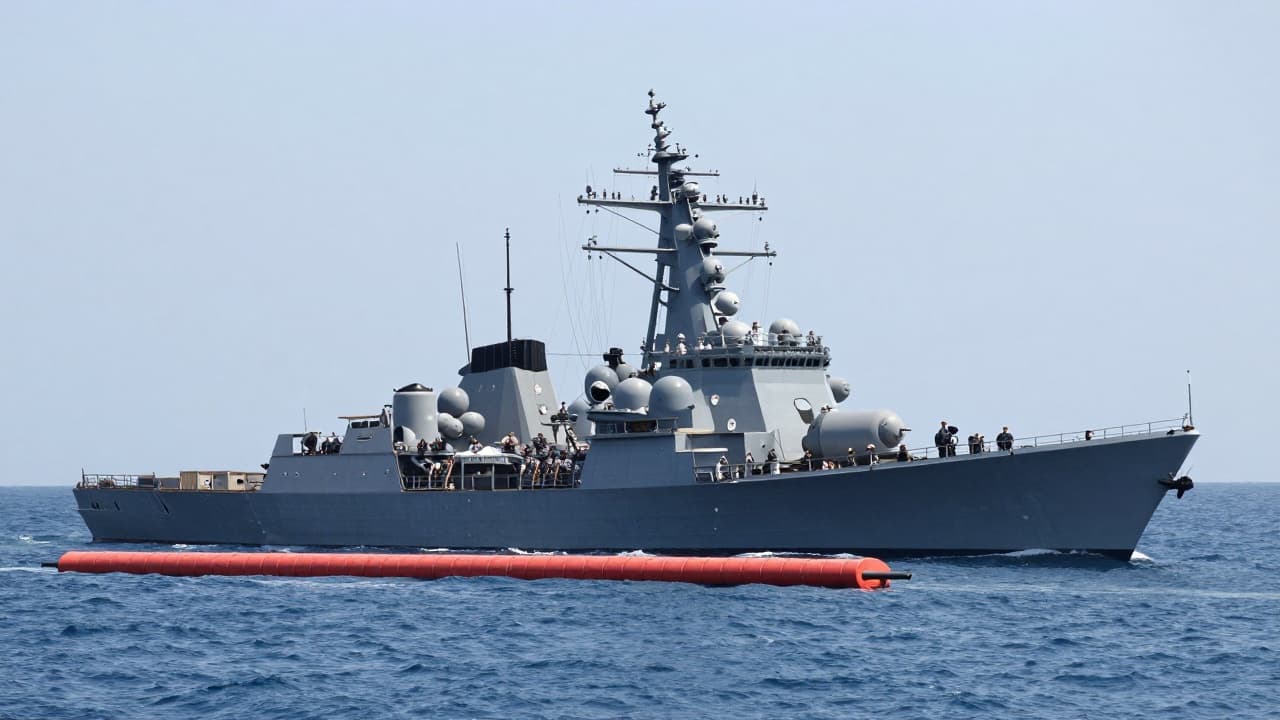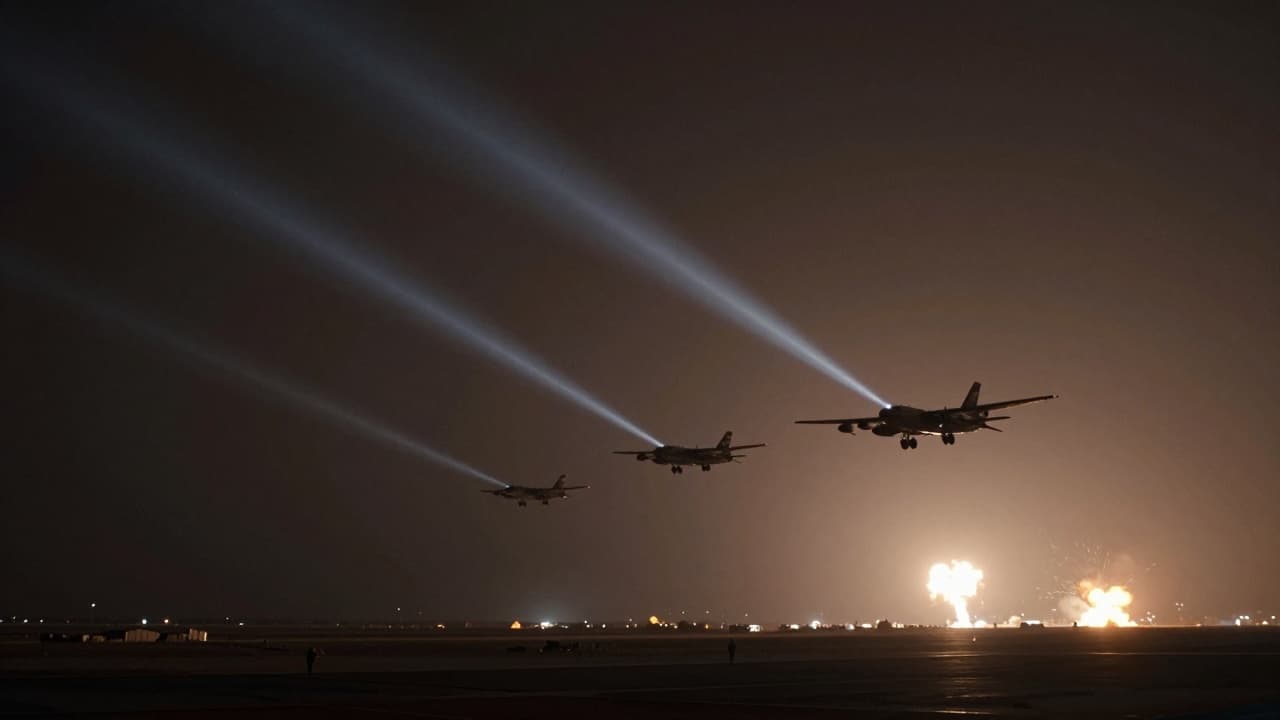
US President Donald Trump said on Monday that Iran is "militarily practically finished" and that renewed US strikes on the country are "unlikely". Speaking to reporters in the White House press room, Trump also stated that there is "positive momentum" in negotiations to end the conflict in the Middle East.
"We are just maintaining the status quo," the US president said. He added that they are doing this "really at the request of the countries that are their neighbours". Trump emphasised that the United States is "ready and charged" if circumstances change, leaving open the possibility of a change in course.
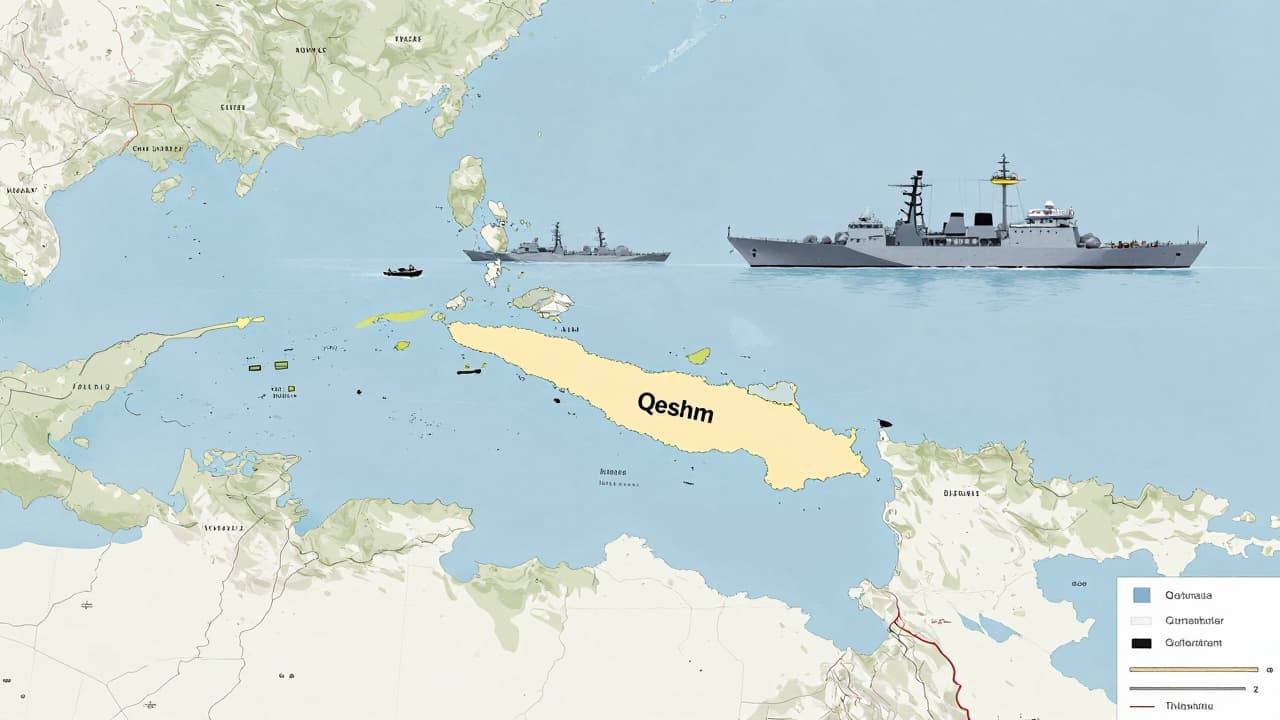
Trump had previously stated that the war with Iran is "militarily" over, and he signalled de-escalation towards Iran following poor results for Republicans in last week's mid-term elections. Officials, including Vice President JD Vance, attributed these poor results directly to the war with Iran. Before the mid-term elections, Trump said that US forces had carried out what he called "smaller strikes" on an Iranian island in the Strait of Hormuz.
In an interview for the programme 60 Minutes, broadcast on Sunday, Trump said he currently sees "no reason" for the conflict to escalate. Asked why he would not officially declare the end of the war, he replied that some Gulf allies might still be exposed to Iranian aggression. "We have some great allies there and we have to make sure they are not hurt," Trump said. He also suggested that the US naval blockade of Iranian ports helps make the region safer.
Earlier on Monday, Trump hosted Qatari Prime Minister Sheikh Mohammed bin Abdul Rahman Al Thani in the Oval Office. He said they had an "excellent conversation" about negotiations to end the war. The Qatari leader stated in a post on the X network that he had held "positive talks" with Trump and Vance on "reaching an agreement and bringing peace to the region".
Efforts to mediate peace between Washington and Tehran have largely been conducted indirectly through intermediaries since the war broke out following joint US-Israeli strikes in February. Saudi Arabia, Qatar and the United Arab Emirates are among the US Gulf allies that were hit by Iranian strikes during the war, and the threat of strikes led to major disruptions in air traffic in the region. Iranian officials have repeatedly expressed doubt about Trump's previous comments on resolving the conflict.
On Monday, Republican congressman Thomas Massie sharply attacked Trump's defence secretary Pete Hegseth over the war in Iran and called for a vote in the House of Representatives for his impeachment. Trump supported Hegseth, calling Massie's move a "farce". Hegseth said he was not worried about the looming impeachment threats. This move is unlikely to succeed because Republicans are still in control of Congress until January, but Democrats have expressed readiness to impeach Hegseth after the start of the new session, when they will control both the House of Representatives and the Senate.