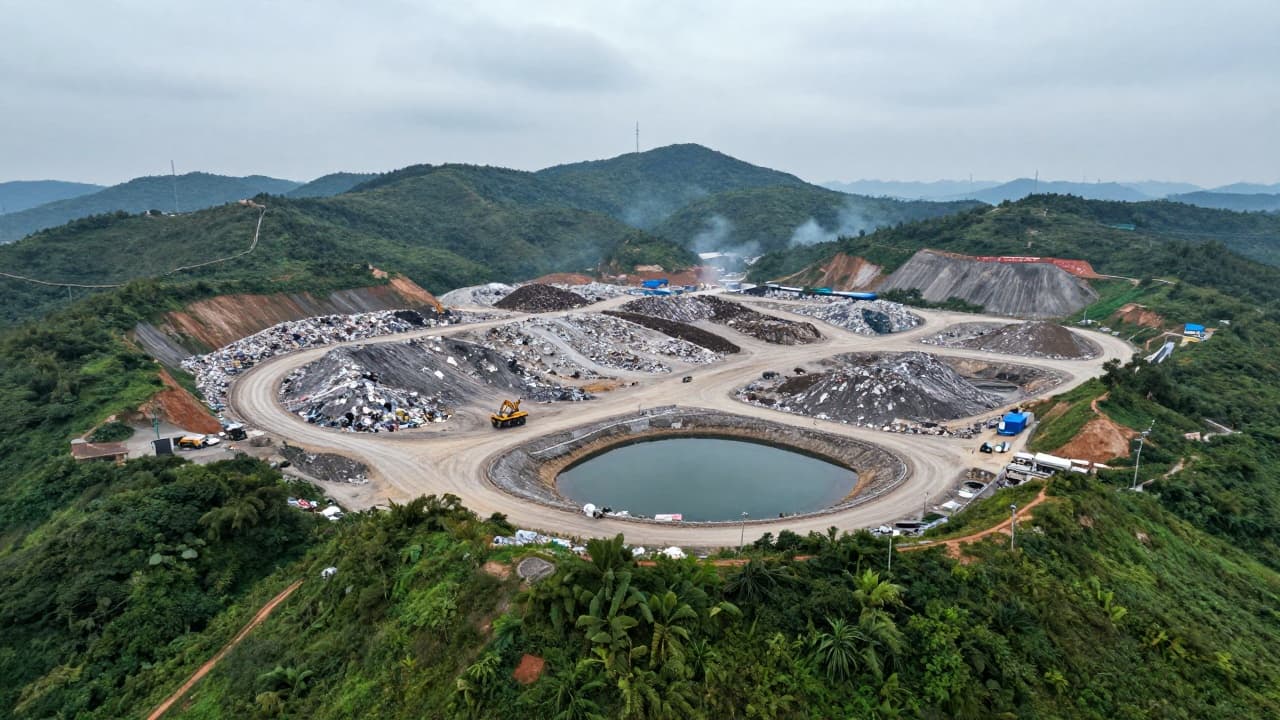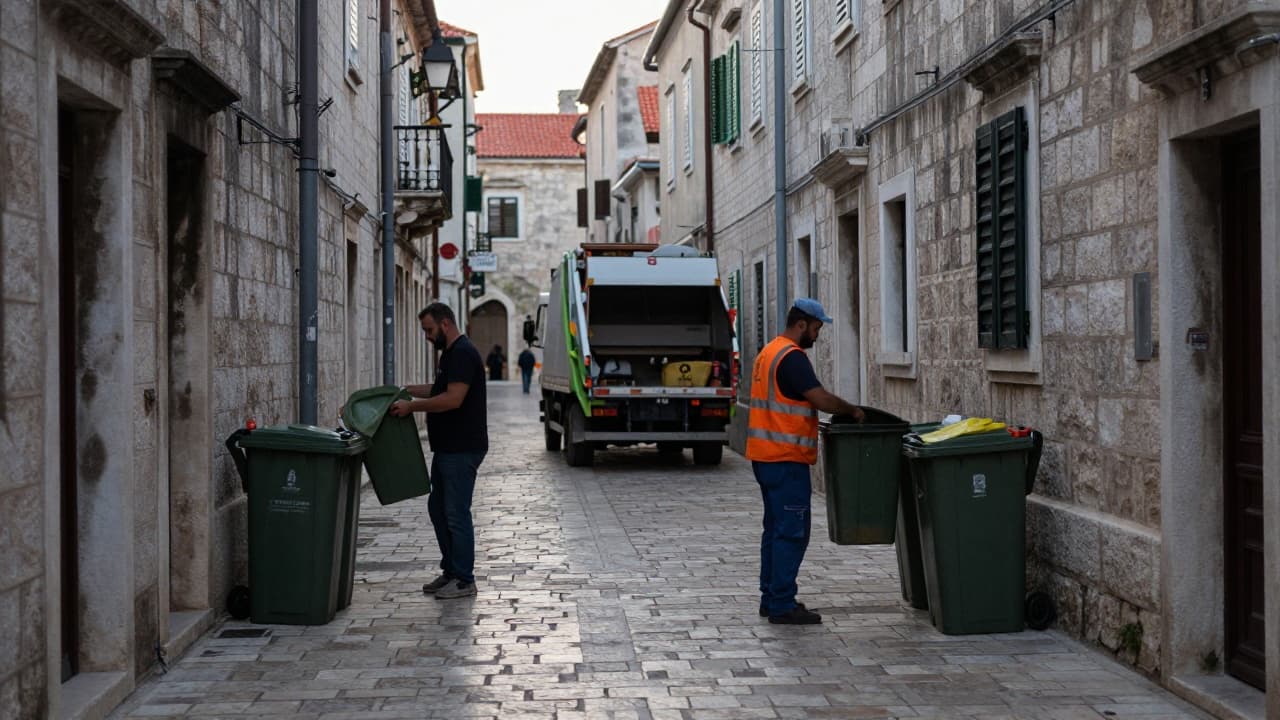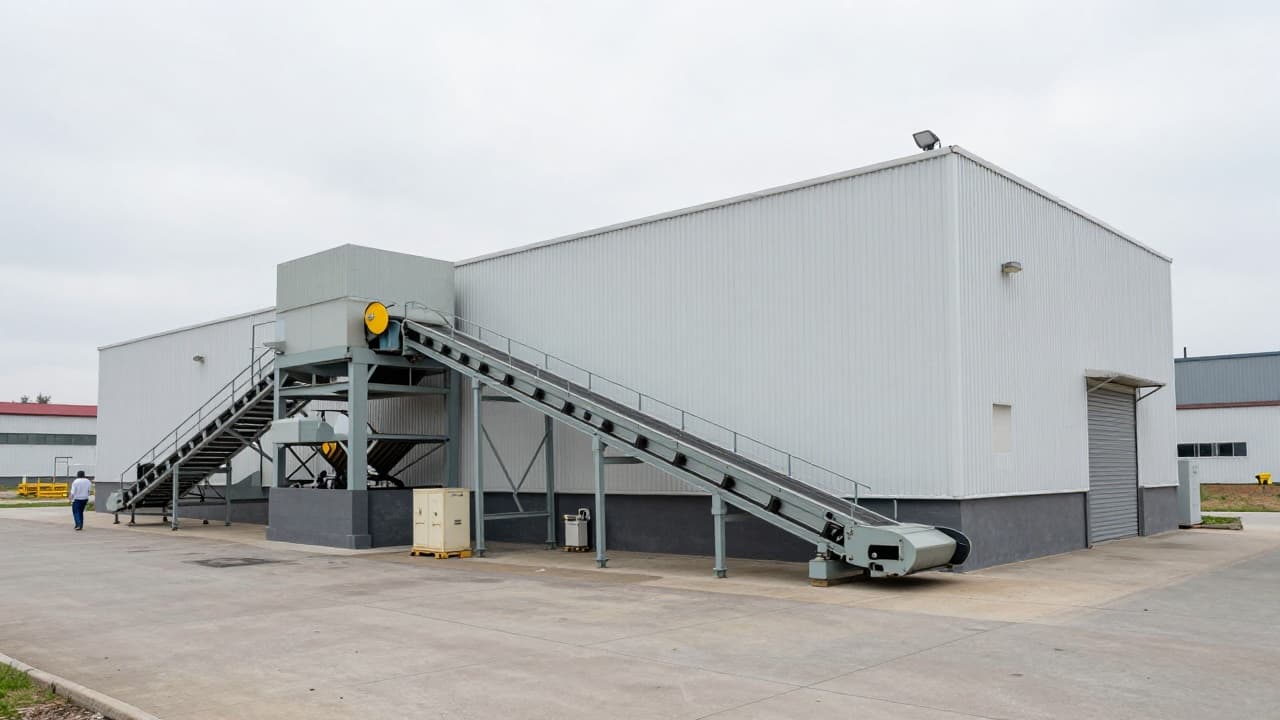
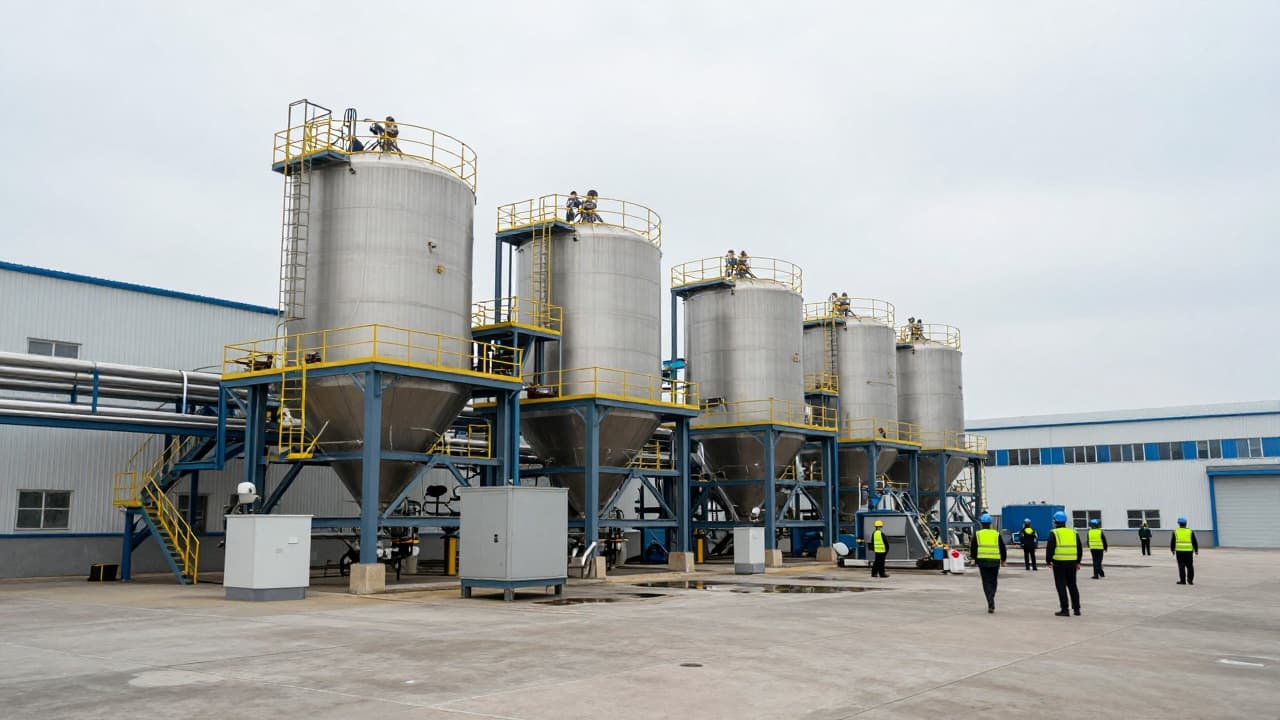
The waste management centre in Biljani Donji, operated by Eko Zadar, has been facing challenges in securing an adequate workforce since the beginning of its operations. Director Toni Kozina highlights that working conditions in the plants are extremely demanding, primarily due to the unpleasant odours of waste that accompany the daily processing.
Despite these difficulties, the centre operates continuously in two shifts, processing a total of 400 tons of waste daily. Each shift handles 200 tons of material, which requires the constant presence of skilled staff. Some 130 families currently depend on the wages paid at this centre, with an average net salary of 1,500 euros.
The recruitment process has gone through a series of difficulties, including situations where tenders received no applications. However, the situation is gradually stabilising. A new mechanical engineer is set to join the workforce, addressing the specific technical needs of the plant.
There are currently no major issues with securing staff, allowing the system to function without interruption. Director Kozina emphasises that staff stability is key to operational continuity, particularly given the intensity of the waste processing.
Looking at the financial side of operations, Toni Kozina has announced the possibility of raising workers' salaries in the future. This measure, however, is contingent solely on the company's financial capabilities, indicating a cautious approach to cost management despite the stabilisation of the workforce.