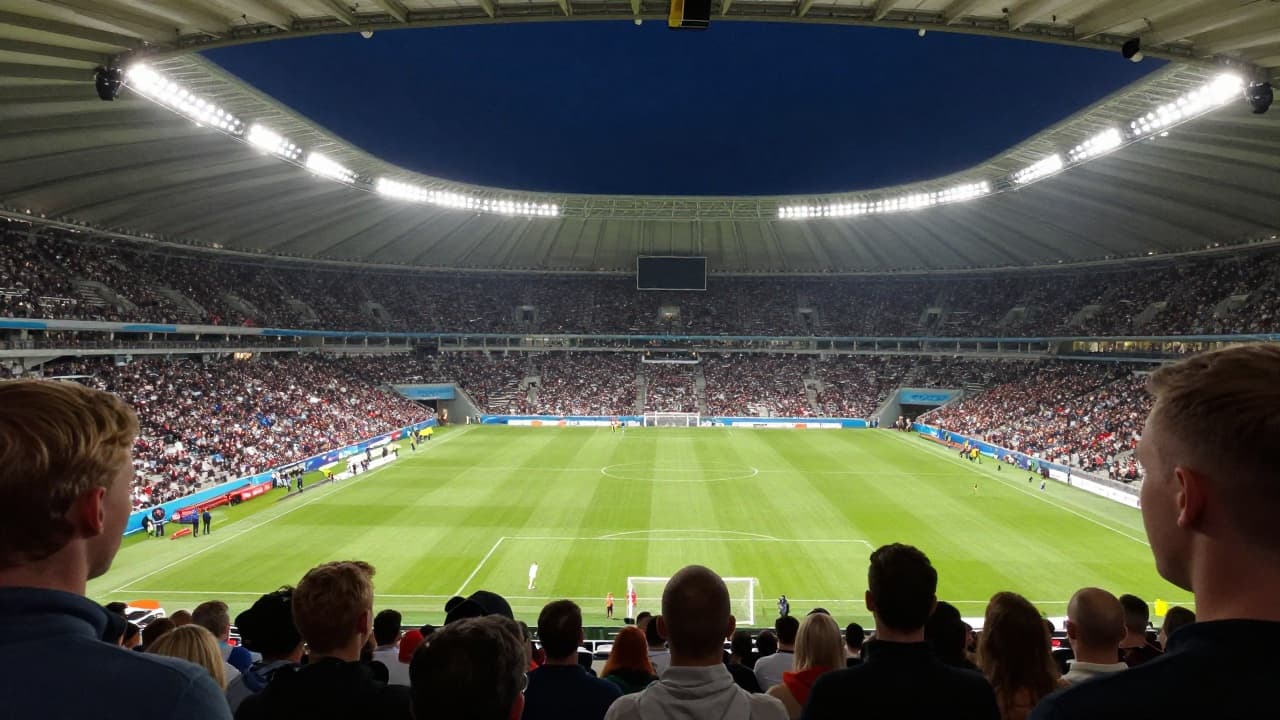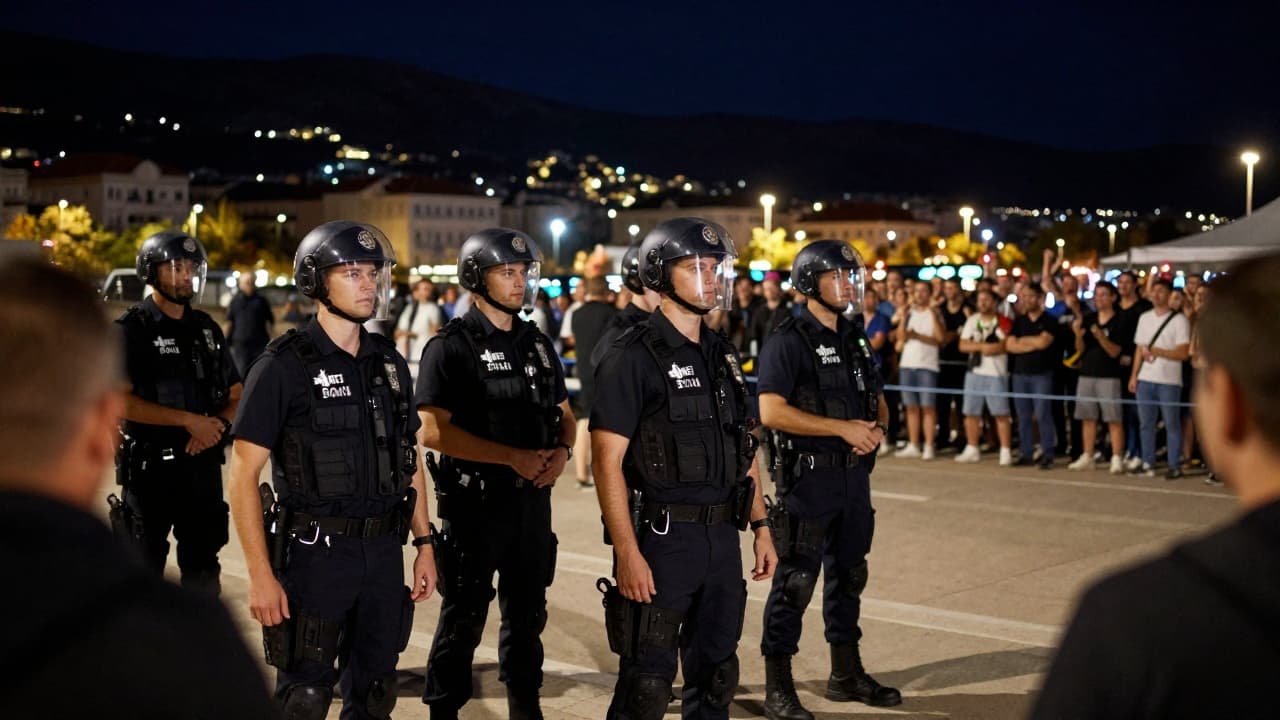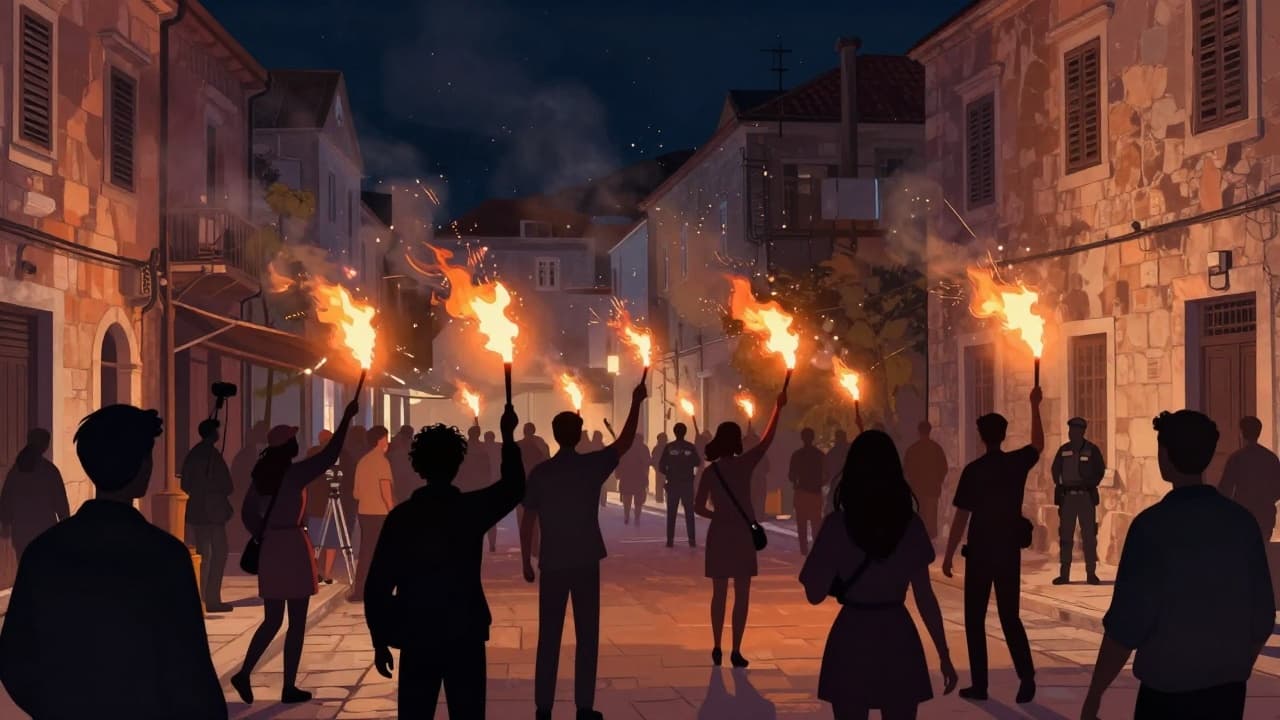
Political analyst Žarko Puhovski commented on the situation regarding the glorification of Nazism in Split and the outbursts by some Hajduk fans, which took place during a match against Ajax. He stated this on the 'Studio 4' programme.
Puhovski stated that he did not see why the public should be more scandalised by someone glorifying Hitler than by Pavelić, or by Nazis rather than Ustaše. He noted that this had become an issue of international significance. He stated that it was as if Torcida had a PR team that dictated how it could enter the global public sphere. He added that the world was not interested in Ustaše and Partisans, but this was a global issue.
Puhovski said that Hajduk had played against a serious team, monitored by serious media, for the first time in a long while, and that it was an opportunity they had seized. He assessed this as very rational from their perspective, but potentially catastrophic for normality in Croatia.
Puhovski described the statement by the Hajduk leadership following the incident as highly problematic, calling it 'impotent'. He cited the chairman of the board of Hajduk: 'We are neither an educational institution nor the police.' He stated that they should declare that this group of neo-Nazis would be banned from using their insignia, for which they had the right. He stressed that they were not responsible for events on the street, but these people were walking around with Hajduk's insignia.
He stated that it was necessary to consider that, in accordance with the Law on Associations, the Torcia should be placed on the agenda for banning, as it had crossed the boundaries permitted by law. Torcia was described by Puhovski as 'neonacist shrebers'. 'Here we saw a kind of neon shreber,' Puhovski said. He added that they had quickly learned the songs so that it would not be thought that they did not know what they were talking about. He said that these were songs in which one spoke of furnaces, of burning, of killing. He pointed out that one could not say that they did not know what the Auschwitz was.
Puhovski said that they were now inserting themselves into the game that existed in the subcultures of some larger cities and clubs. The problem, he said, was that almost all cities had their wild fans, but Torcia had Split. He said that there was no Split to Torcia, but Torcia controlled Split. That was a peculiarity, he assessed. He said that it had come to a point where the city was rebelling. Puhovski pointed out that one was reacting only when one crossed the line, while one had been pretending not to see anything during the preparations for such outbursts. He added that Torcia was not set up as a military group, but as an alternative community. 'In order for something to be manipulated from outside, which is always possible, that something must exist,' he said.
Puhski said that in Croatia it was not the problem of Grmoja fantasising about 'fascistisation'. He said that in Croatia the problem was always the same: the majority of the people were dominated by the Ustaše, and the minority was dominated by the Ustaše. He said that the state authorities had to ensure that the responsible were punished by law. He said that the problem was that the authoritarian structure was reflected in the tradition, in the traditional family, in the new generations. He said that one did not have a rebellion against the old values, but that one was taking the old values, for example, the Ustaše, as the old values.