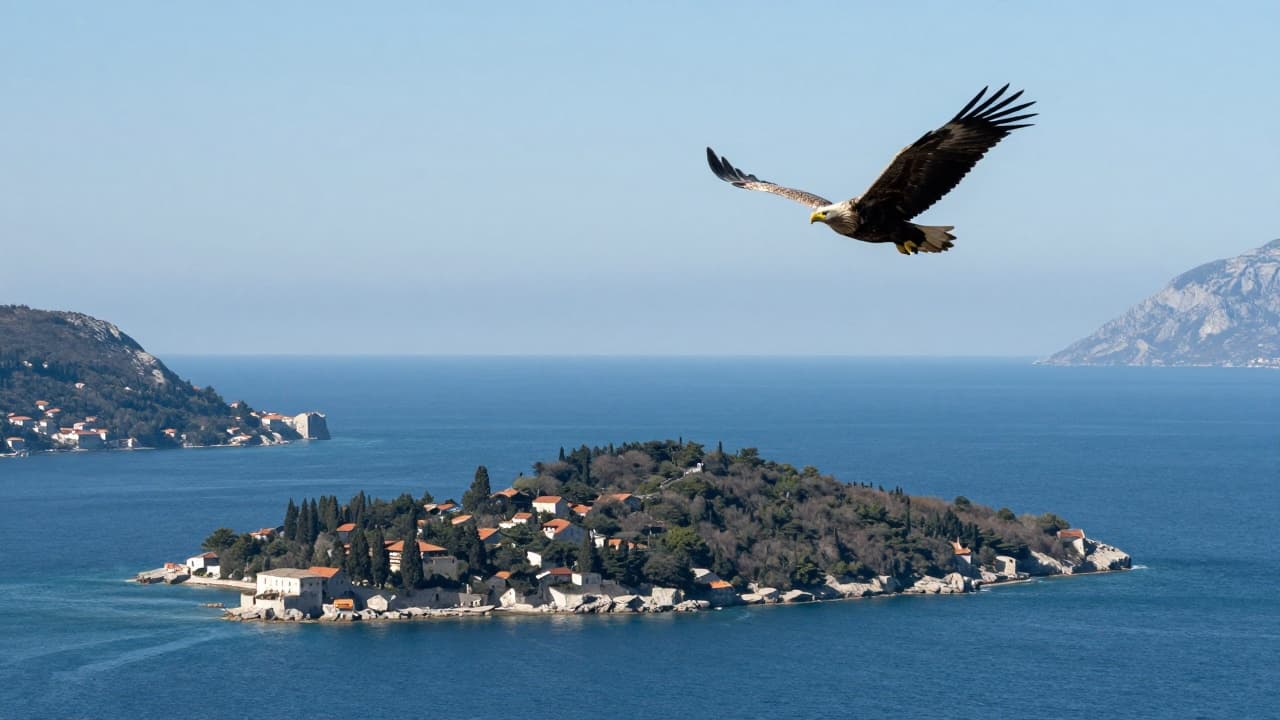
The Great Council in Dubrovnik passed a resolution on 15 September 1301 to fully occupy the island of Mljet. The same resolution stipulated that a duke would be appointed to govern the island on behalf of the Republic of Dubrovnik.
This decision marked one of the key chapters in the territorial expansion and diplomatic positioning of the early Dubrovnik commune. By passing the resolution, the Great Council formalised its claims and initiated the integration of the island into the legal framework of the commune.
The legal and historical context of the decision was rooted in the efforts of the Dubrovnik citizens to ensure the stability of shipping lanes and trade routes in the southern Adriatic. Mljet, due to its specific geographical location, held immense geostrategic importance; placing the island under the control of the commune was part of a broader consideration of the security of maritime traffic.
By bringing Mlvin under Dubrovnik's rule, a significantly better control of maritime traffic in that part of the Adriatic was achieved. In this way, the commune consolidated its position in the south, and the island, in legal terms, became part of its administration, with the duke acting as the representative of the central authority on the ground.
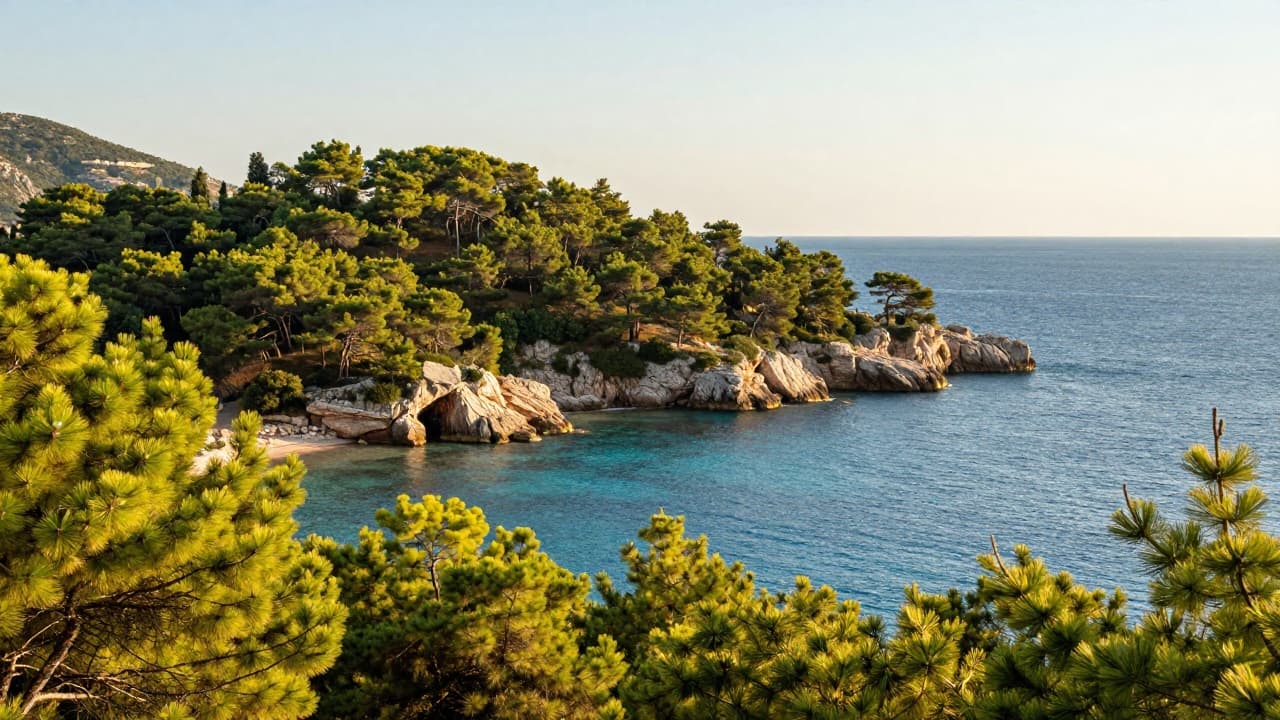
The island, over the centuries of rule by the Republic, became an important economic hub known for olive cultivation, fishing, and dense forests that provided timber for the Dubrovnik shipyards. Thus, the decision of 1301 had a long-term impact on the economic and maritime development of the region.