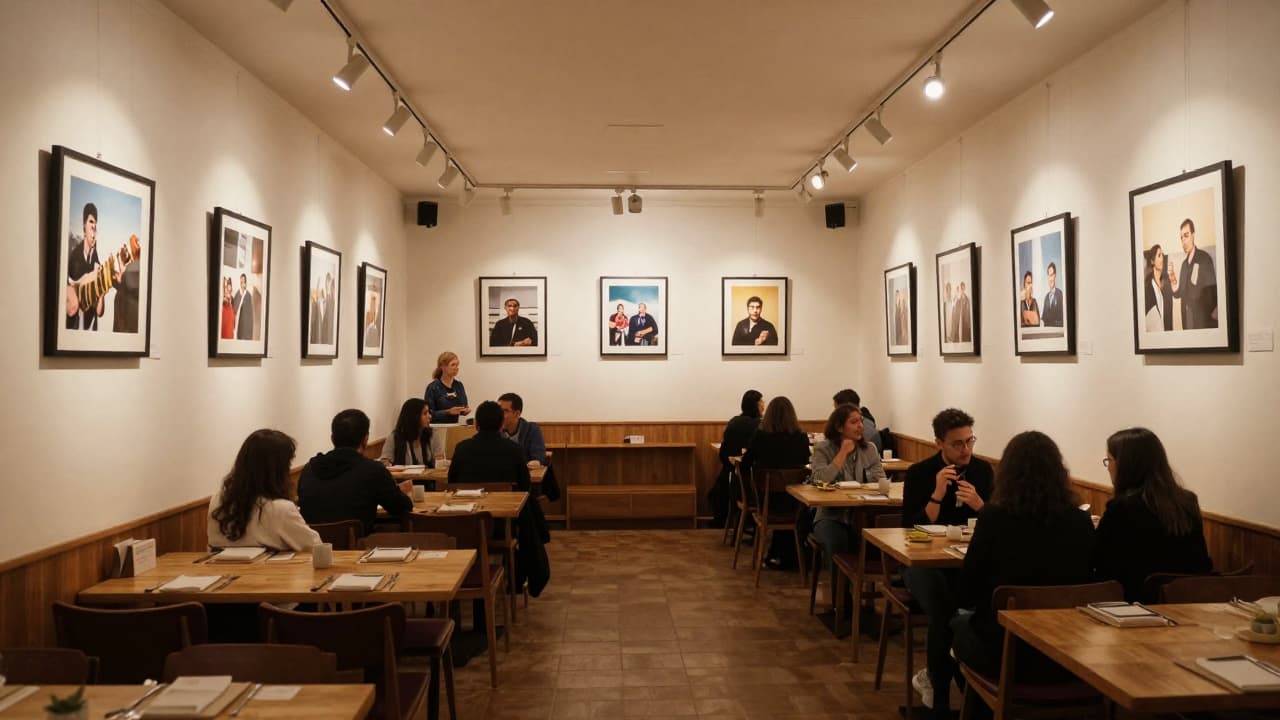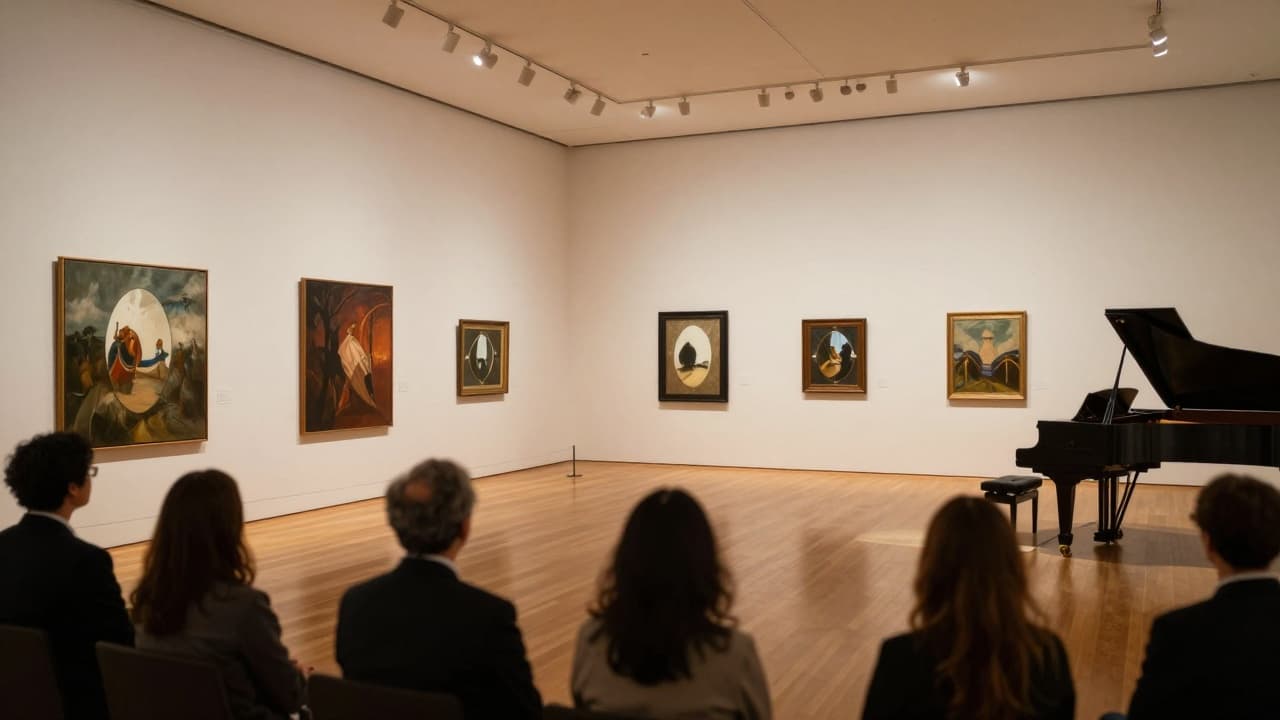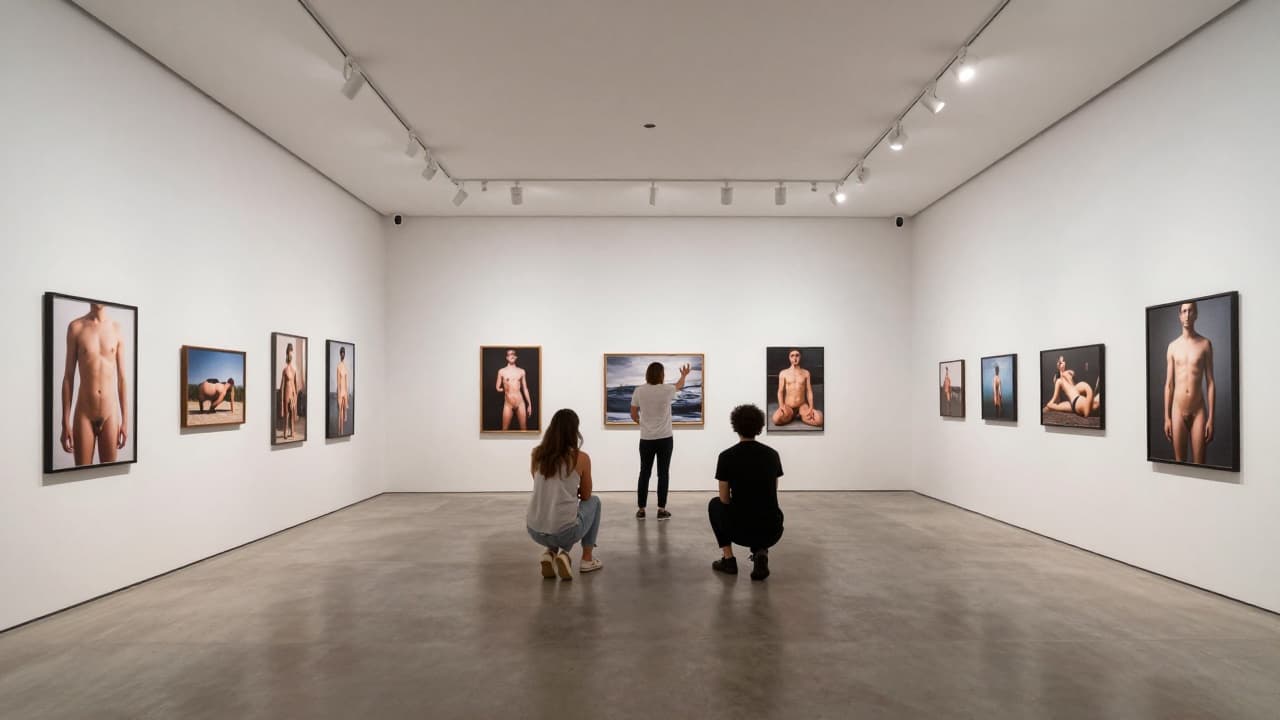
The exhibition Body. Norm. Resistance by Ines Borovac and Karlo Štefanek has opened at Galerija Novo. The installation examines the ways in which social norms shape, read, and direct the body, with the artists reflecting on gender, identity, belonging, and desirability, as well as the possibilities of their displacement and resistance, through various media.
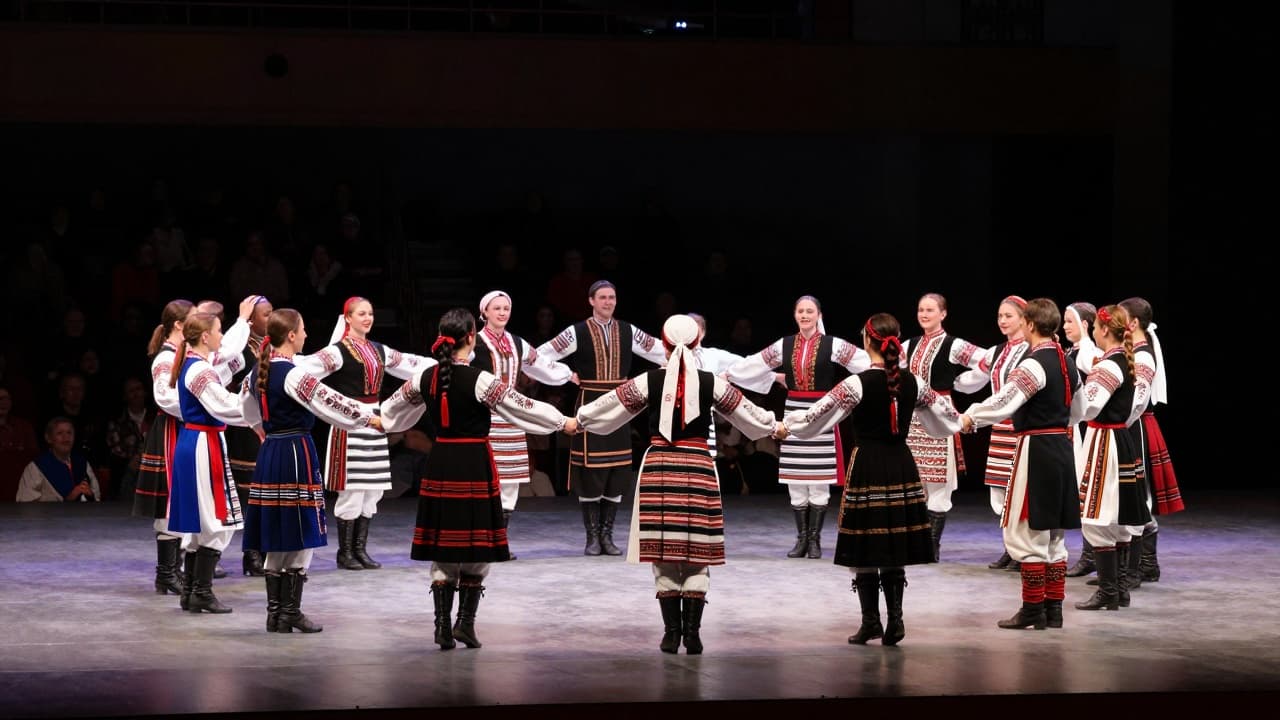
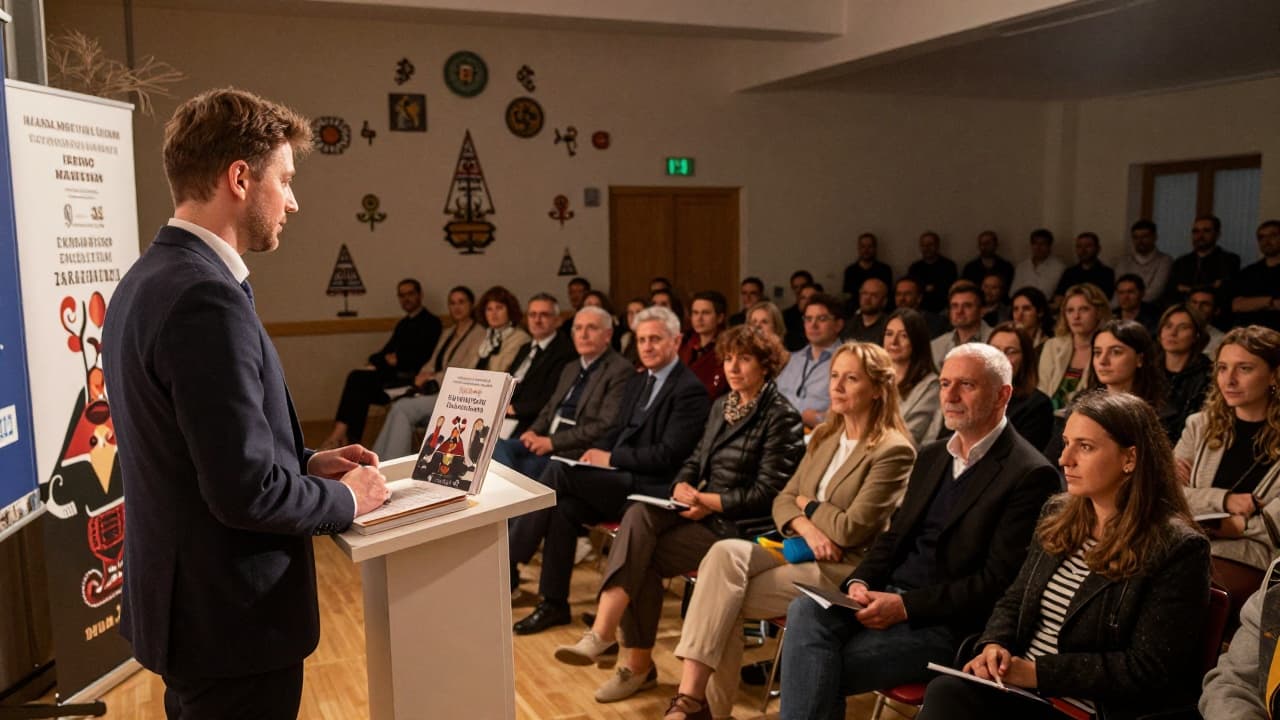
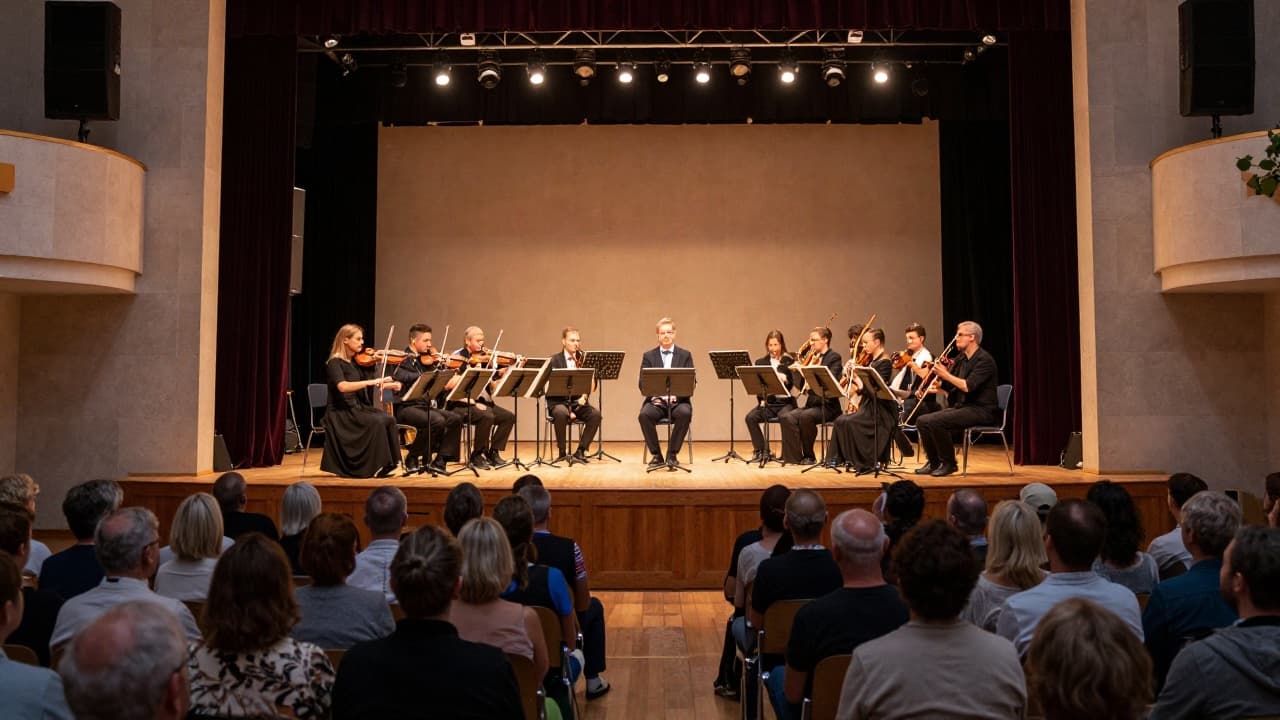
The exhibition is curated by Sabina Oroshi, with the process supported by the associations Proces and Metamed. Andrea Vidović from Proces and Marijeta Bradi, representing Metamed, welcomed the attendees. Karlo Štefan, together with his collaborators, performed a piece in which the research on the body and its social roles was extended into the space of performance and direct encounter with the audience.
Oroshi stated that the exhibition began with the simple idea that before we even speak, our body is already being read in some way. "When we see someone, we start making assumptions about that person very quickly," she said, adding that we read a person through gender, through clothing, through the way they move, through belonging, and even through desirability. She explained that all this happens long before the person has a chance to speak. When such readings are repeated again and again, we begin to expect them and to adapt to them, so the body learns how much space it is allowed to take, how it should present itself, when it is too much, and when it deviates from what is expected of that body.
Oroshi stated that they had created a dialogue between the artists Ines Borovac and Karlo Štefan, as their work had inspired them in two different directions. Ines starts from performance, but in her work too we see a kind of photograph, a courtship with the image of the female body, which already has a certain cultural history. In her work, the body is highlighted as knowing a certain gesture or role, but slightly different in some places. Sometimes the direction in which she moves changes, sometimes the distribution of authority in this work, sometimes the way we look at something familiar, which is courtship.
On the other hand, Karlo uses his self-portrait, using clothing, national symbols, and his own and queer symbols and codes to speak about how identity is formed and read by others. In his work, the body appears through his substitution, as can be seen in the performance, where he is seen either as a substitute body or as a photograph or cardboard figure, as an object or as another living body that takes over his recognisable identity and public persona. It is precisely because they know the rules by which they move and have a fairly precise knowledge of how they operate and where a small shift is possible, that they create a distance.
Oroshi stated that the norm does not disappear; it remains present in movement, image, clothing, language, and family heritage, but it is no longer stable. Thanks to Ines and Karlo, the norm has been disrupted, and the shift we expect has occurred.
Ines Borovac is a Croatian multimedia artist who currently works in Amsterdam. Inspired by the Balkan traditions and the tensions between Eastern and Western cultural frameworks, she uses the body as a space where visible and invisible forms of violence and desire meet. She has exhibited, among others, at the Kunstinstituut Melly, the Museum of Contemporary Art in Zagreb, the FRAC Champagne-Ardenne, and the Garage Rotterdam.
Karlo Štefan is an interdisciplinary artist whose practice explores how identity is constructed, deconstructed, and reconstructed through self-portrait and performance. He lives and works between Zagreb, Amsterdam, and New York, and is currently a student in the master's programme at the Sandberg Institute in Amsterdam.