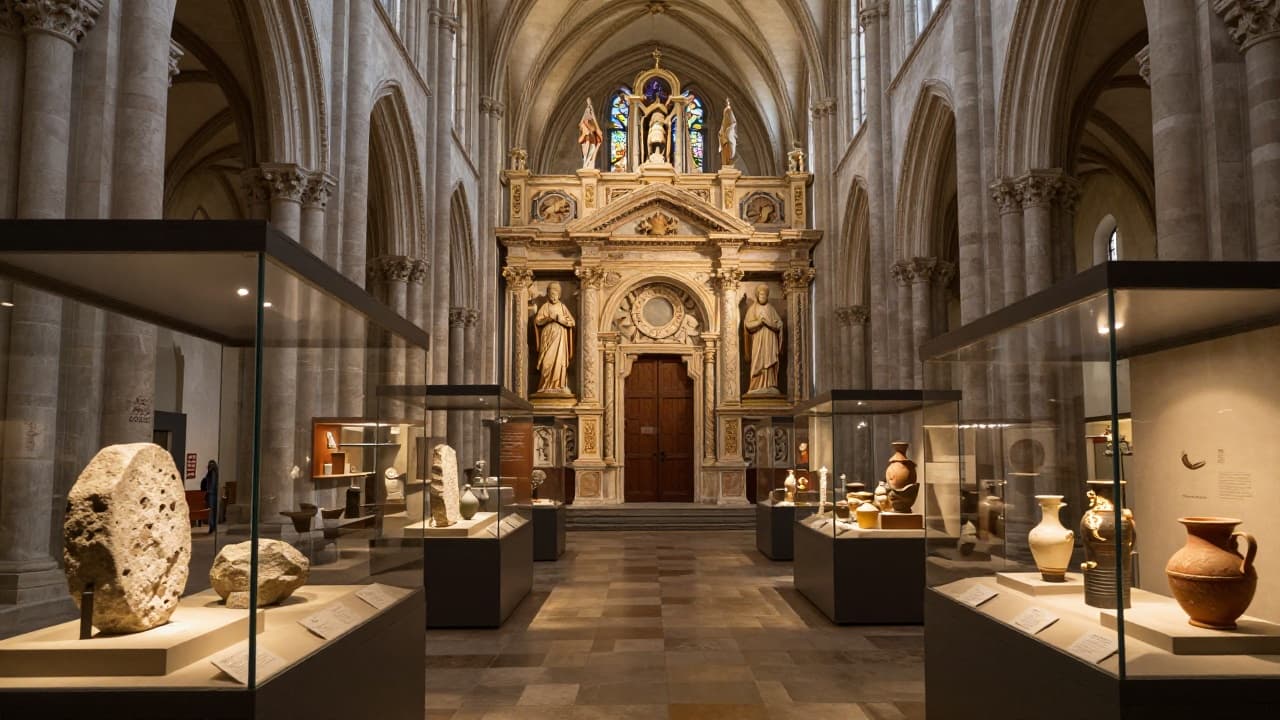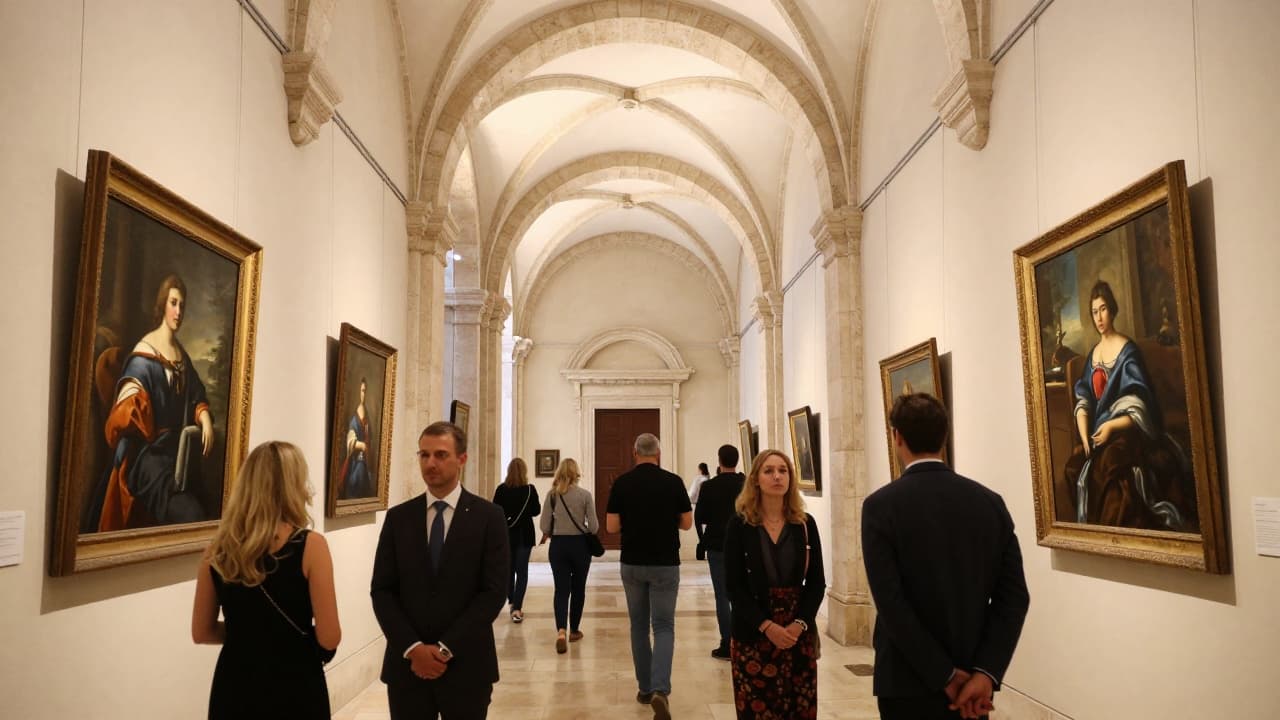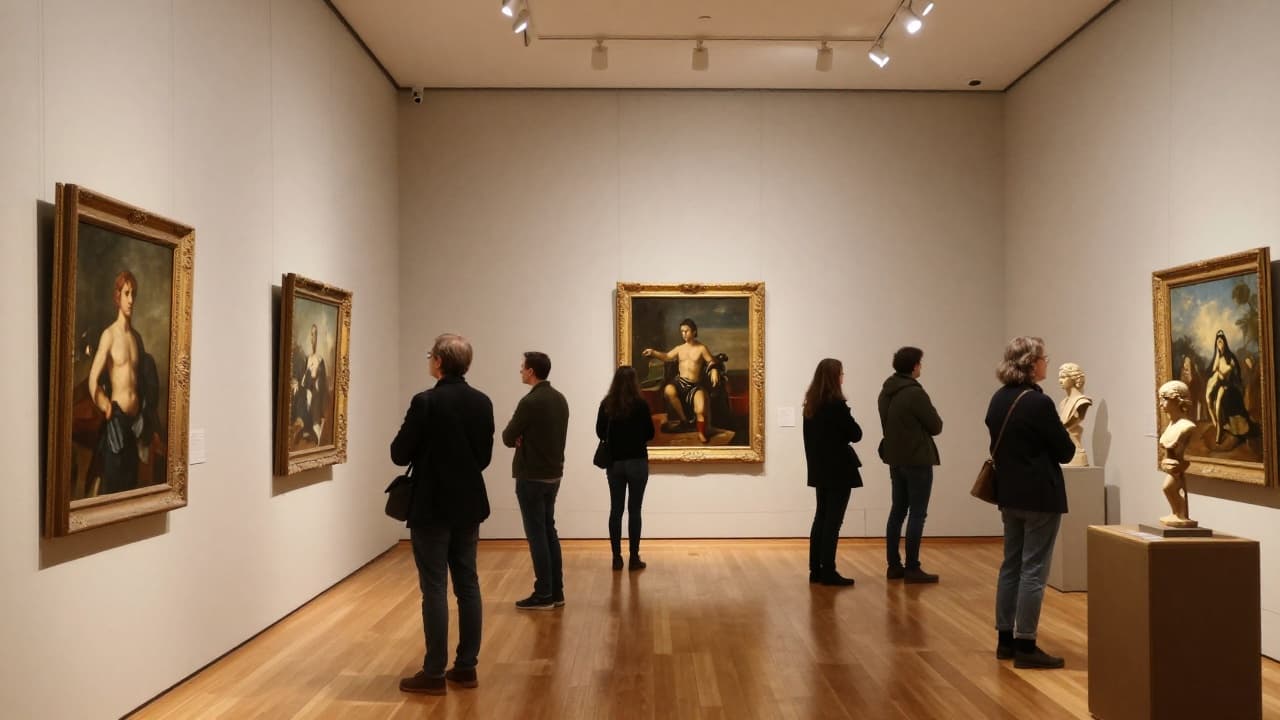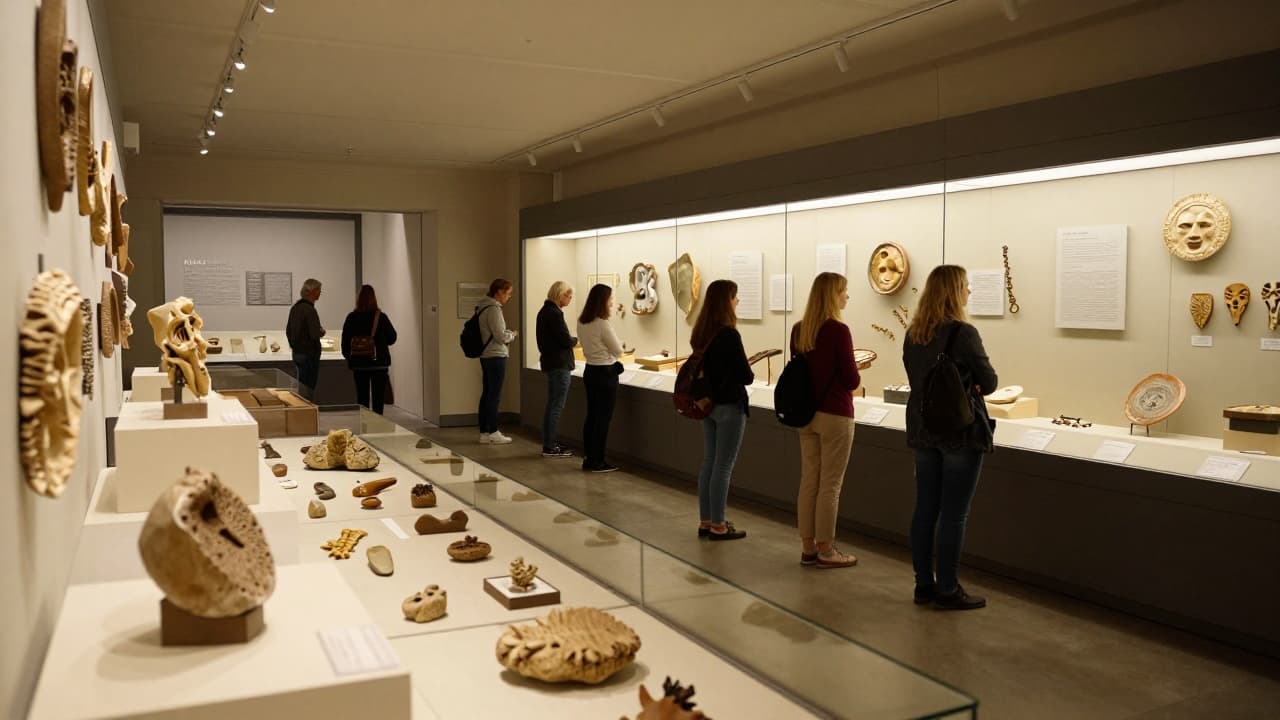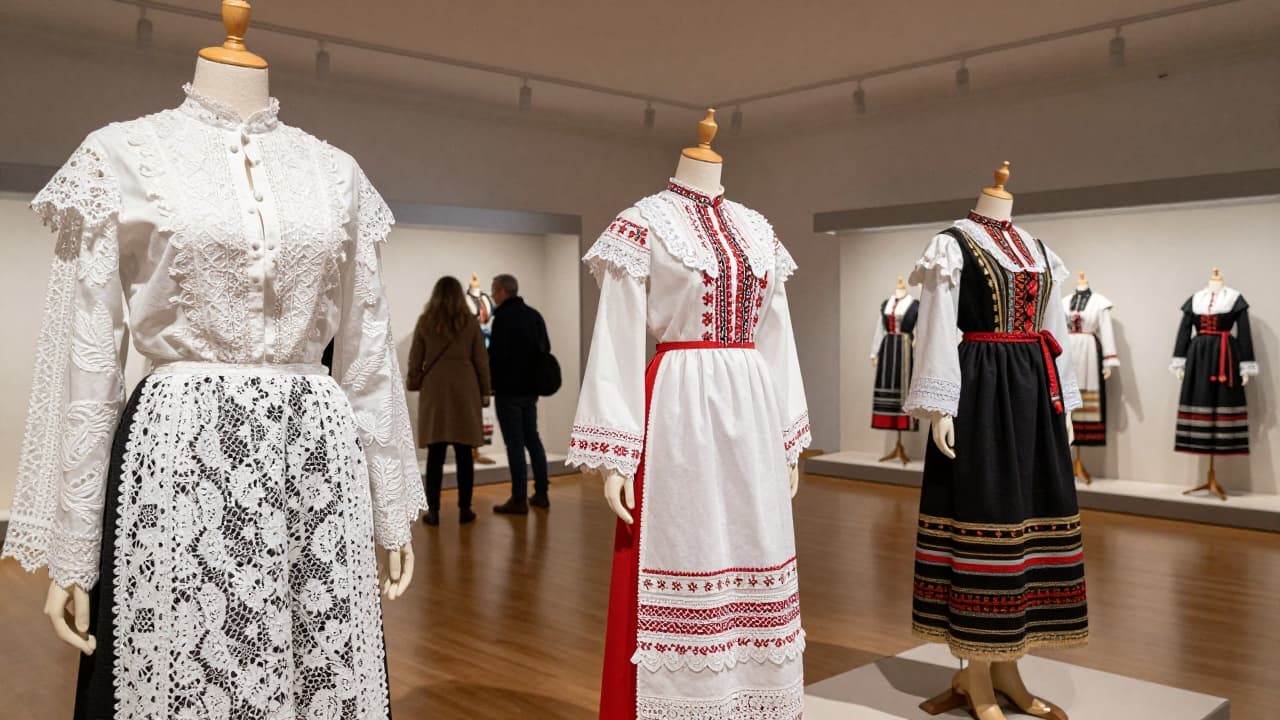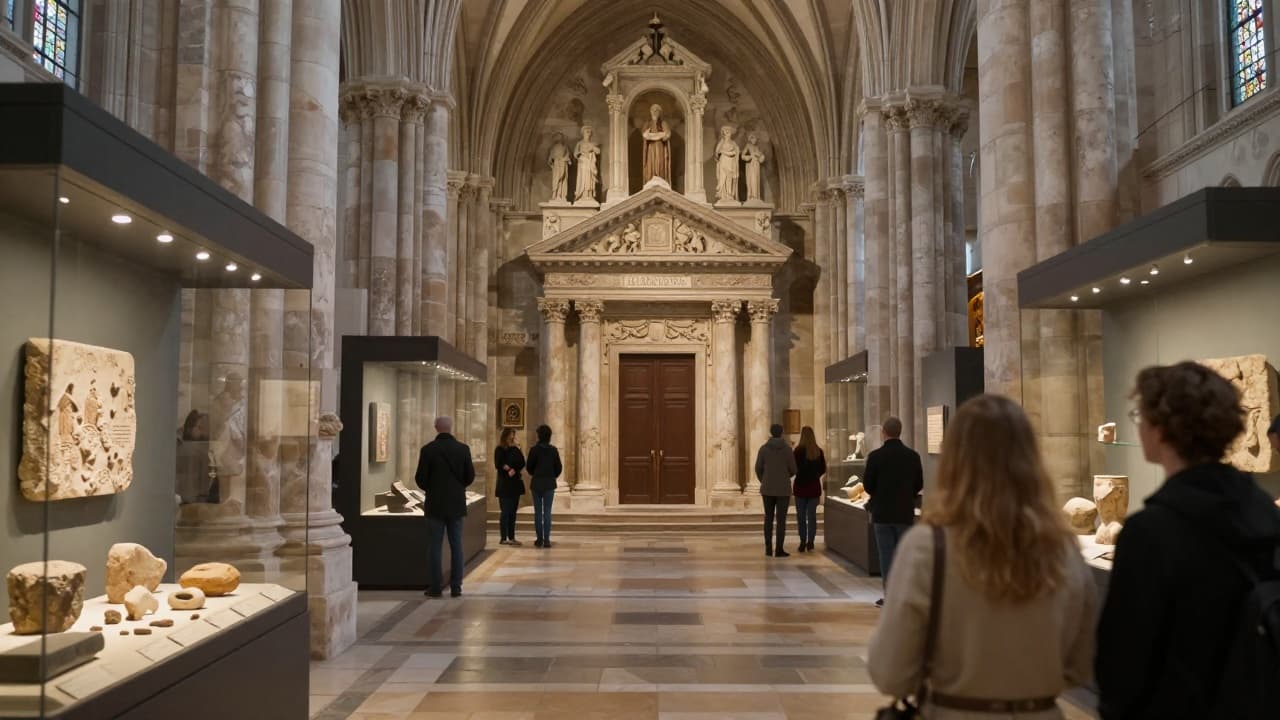
An exhibition titled "Đakovo - the Gothic Baroque Cathedral of St Peter" was opened on Saturday in the crypt of the Đakovo Cathedral. It was organised by the Archaeological Museum in Osijek and the Đakovo Bishop Josip Juraj Strossmayer Memorial Museum, with the Đakovo-Osijek Archdiocese as co-organiser.
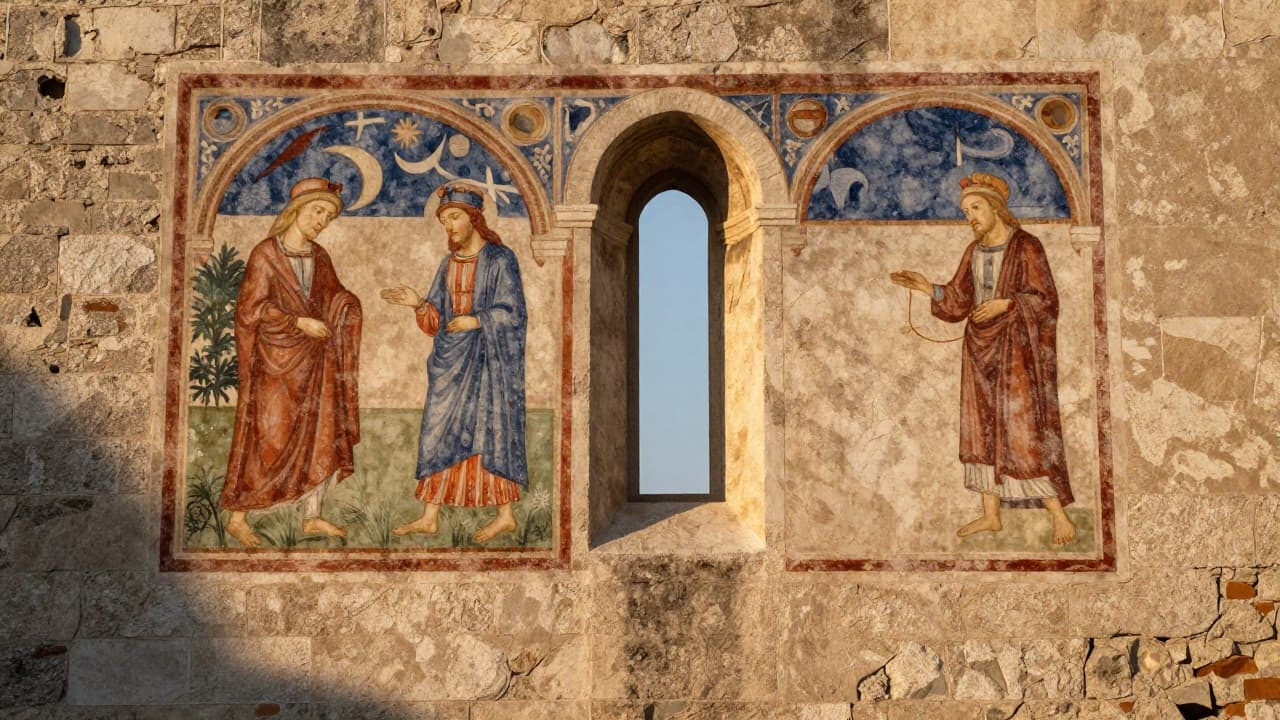
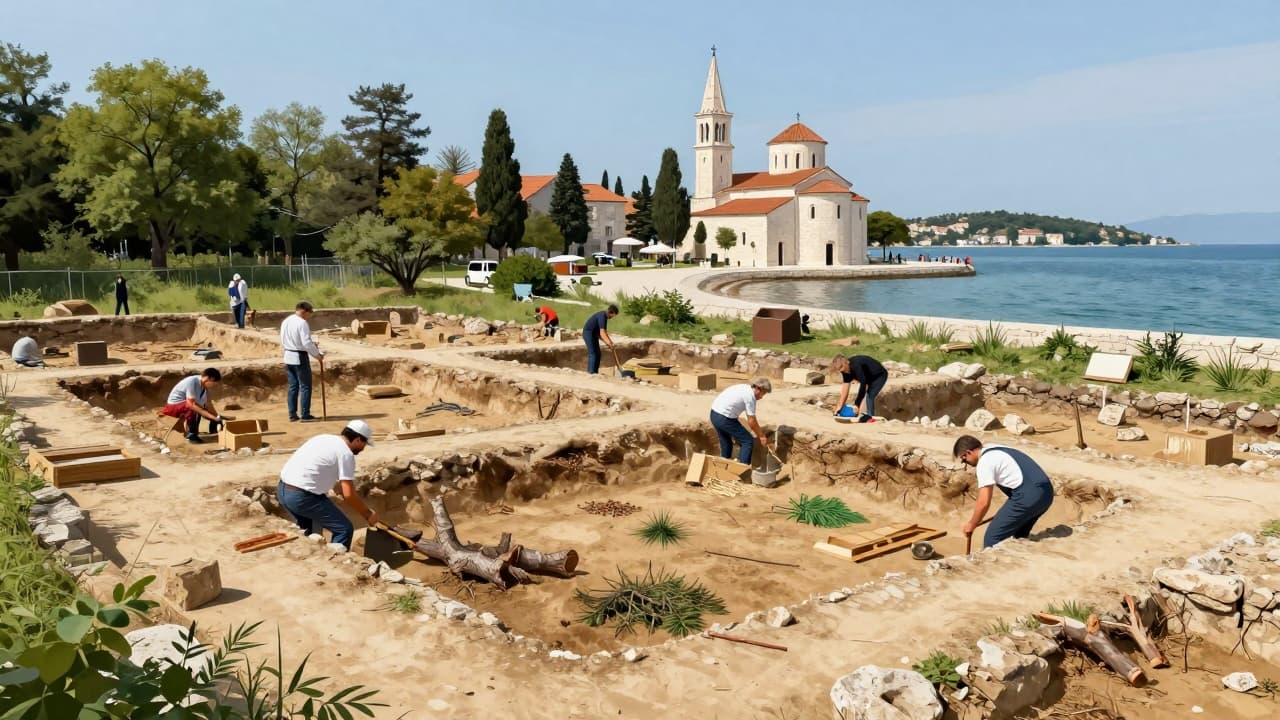
The display is the result of long-term archaeological investigations of the predecessor to the current Đakovo Cathedral, carried out within the episcopal complex. The remains of the Gothic Baroque Cathedral of St Peter are located in the courtyard of the Archbishop's House, and it is one of the most important monuments of the cultural and historical heritage of Đakovo. The cathedral was built in the second half of the 13th century, during the relocation of the seat of the Bosnian Diocese to Đakovo. Over the centuries, its appearance changed in accordance with historical circumstances and the artistic features of specific periods, and by the end of the 19th century it had been almost entirely removed.
At the opening, Đakovo-Osijek Archbishop Đuro Hranić spoke about the history of the Đakovo or Bosnian and Srijem Diocese. Archaeological investigations took place in several campaigns - in 1992, 2018–2019 and 2022 - and contributed to a better understanding of the former appearance and architectural development of the cathedral, as well as life in its immediate vicinity. One of the special features of the exhibition is the temporary return to Đakovo of four valuable items that Bishops Strossmayer and Ivan Krapac donated to museums in Osijek and Zagreb more than a century ago.
The introductory address was given by Tadija Crnjak, director of the Strossmayer Memorial Museum, who said that the history of Đakovo dates back to 1239 and the first bishop, Pons, who came from Bosnia. He also mentioned 1526, the year of the Battle of Mohács, after which Đakovo fell into Ottoman hands about a decade later. Strossmayer decided to build a new, current cathedral, and in 1880 the old church was removed, while its remains were preserved through the chapel of the Archbishop's House.
Tomislav Hršak, director of the Osijek museum institution, spoke about the exhibition as a project of the Archaeological Museum in Osijek and the Đakovo Memorial Museum, emphasising that the layered past of the former Đakovo Cathedral was gradually revealed during the long-term archaeological investigations. The main author of the exhibition is Danimirka Ivanušec, a senior curator at the Archaeological Museum in Osijek, who also opened the exhibition. She stated that the main focus is the Gothic Baroque Cathedral of St Peter, which is also known in the folk tradition as the Old Cathedral.
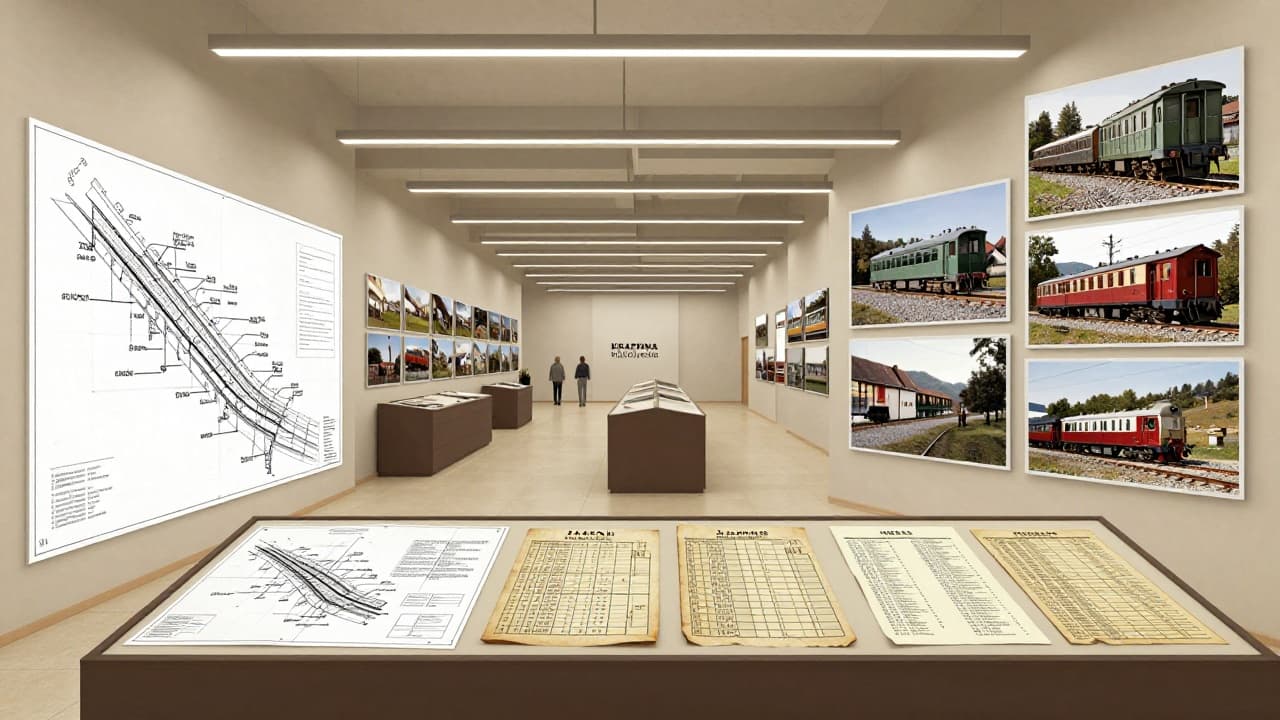
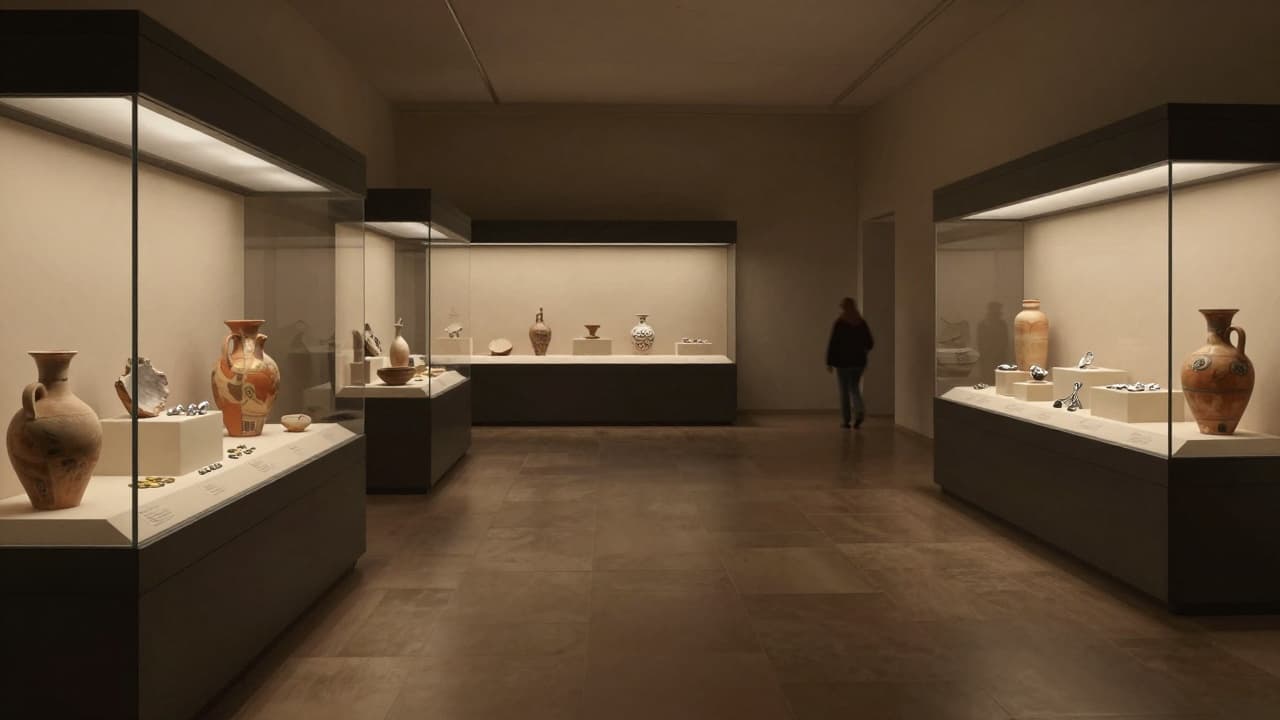
The exhibition consists of five cycles - from the architectural part to items for everyday use, such as ceramic and other tableware and glass objects. The Old Cathedral was extended and lengthened twice during the 15th century, when it acquired its final late Gothic volume, and its total length ultimately measured 47.5 metres. The investigations have made a significant contribution to the study of medieval sacred architecture in the eastern part of Croatia.
Vlasta Budiša, head of the Regional Service for Conservation Work in Slavonski Brod, attended the opening on behalf of the Ministry of Culture and Media, as did Đakovo-Osijek auxiliary bishop Ivan Ćurić.