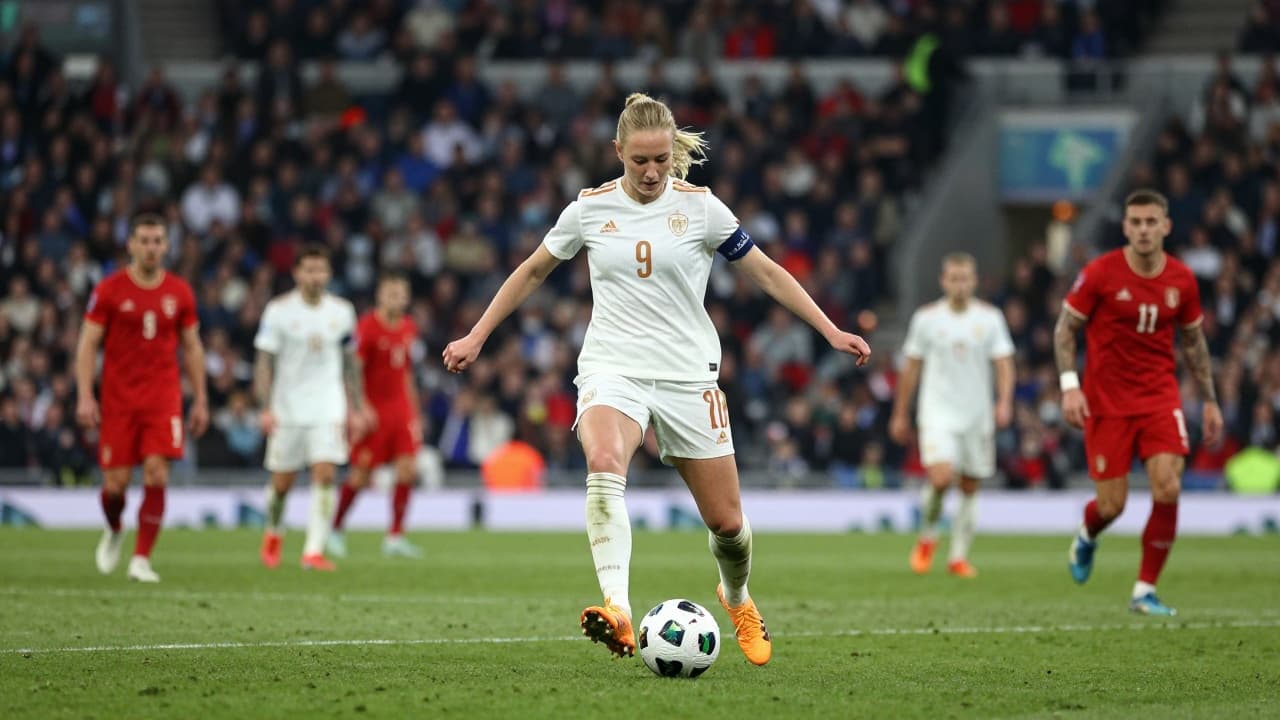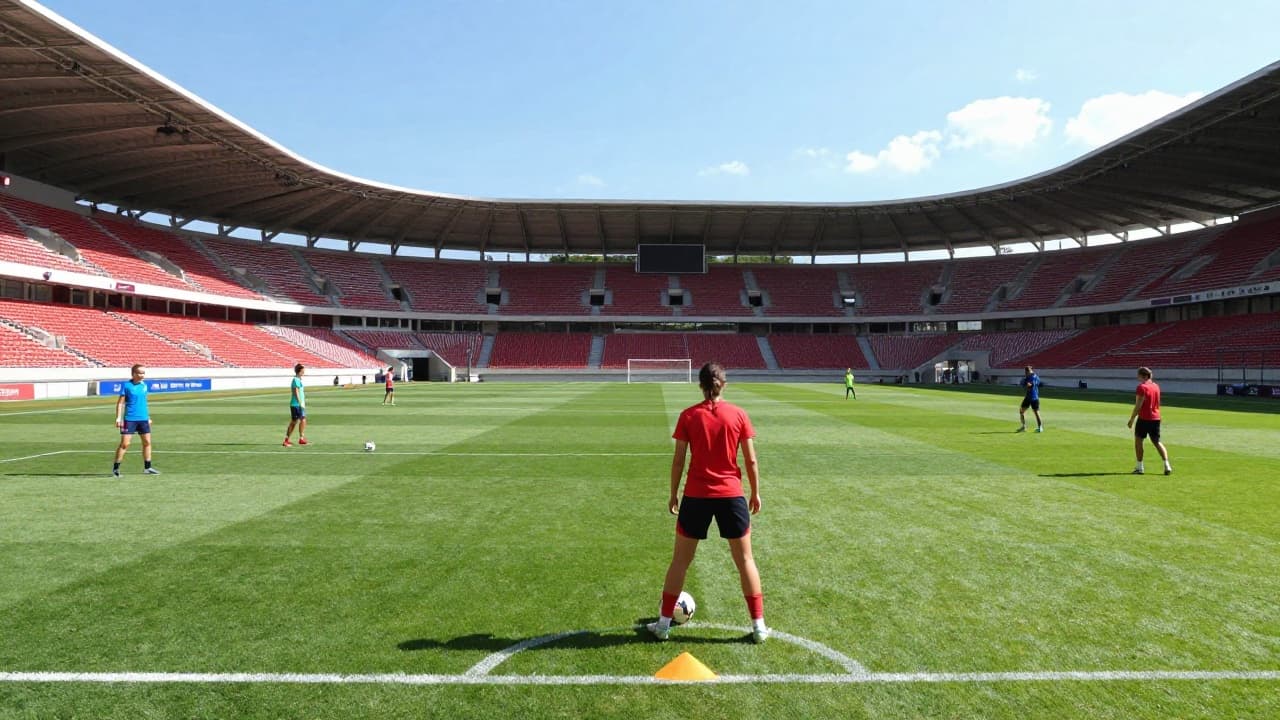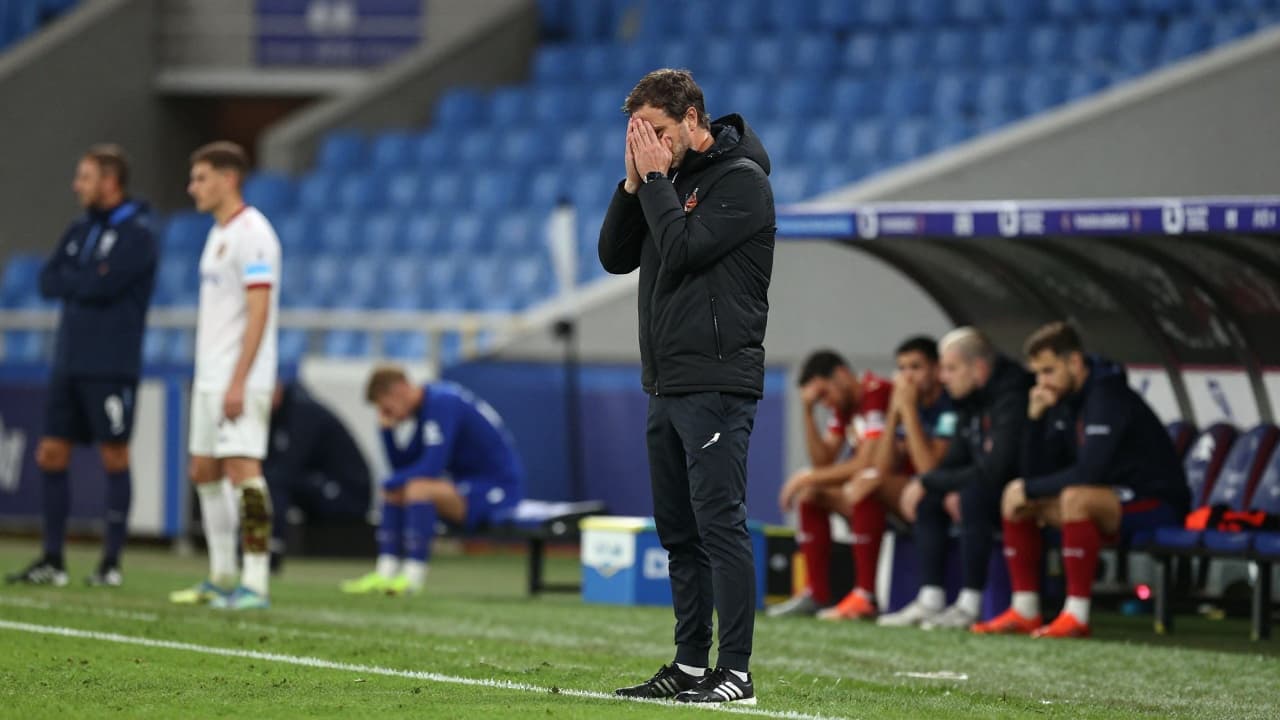
Just 7 per cent of people coaching football at grassroots level are women, according to a survey by the Bloomsbury Football Foundation in collaboration with the Football Association (FA). The same study found that 13 per cent of teenage girls play organised football at least once a week, while that figure is 46 per cent for boys.
Emily Handyside, head of the Professional Sports Trainers Association, states that female coaches must work twice as hard as men to be recognised and considered credible. Handyside, a former coach of the Welsh netball team and a leader at UK Coaching, points out that the three main barriers are the same for men and women, with costs being one of them. However, she adds that the cost is seen as a greater barrier for women, as the risk-reward ratio becomes disproportionate when one has to work twice as hard.
Data from UK Coaching shows a 6 per cent decline in the total number of female coaches in recent years, with a 10 per cent drop in the number of women volunteer coaches at grassroots level. The survey highlighted systemic barriers faced by female coaches, including harassment and unequal opportunities. Handyside warns that government intervention is needed to ensure greater access to coaching roles.
Licence fees are highlighted as a key barrier. The UEFA Pro Licence costs £14,000, with only 24 places available upon registration. The C Licence, the lowest level of certification, costs £650 and can be subsidised, but only if the candidate is currently linked to a club registered with the FA. Former England international Fara Williams states that the cost of sitting the B and A level exams, along with the salary or opportunities arising from that investment, do not fully align.
Zoe Conning, a coach at the community club Manchester Laces and a UEFA B licensed coach, has been in the coaching profession for five years, including full-time work in Macclesfield. She highlights the vast gap between elite and grassroots football. The B license, costing £1,250, requires an additional 12 months of training in an elite environment. Conning received assistance with funding for the B license, but had to cover travel costs between Wolverhampton and Manchester, where the course was held, for the A license, which costs £4,150, by herself.
The survey recorded a shift at the top of women’s football. In January 2023, only four of the 12 coaches in the Women’s Super League were women, but now eight of the 14 managers in the top flight are women. The managers of all three newly promoted clubs are women: Amy Merrick at Birmingham, Jo Potter at Crystal Palace, and Karen Hills at Charlton Athletic. The new quota, which requires women’s teams to have a woman in the head coach or assistant coach role, has helped to balance the scales in elite football.
Handyside led the Welsh netball team for four years before leaving after the Commonwealth Games. She now leads a new plan by her organisation, the Women in Coaching Plan. Her organisation has signed the Brighton Plus Helsinki Declaration, an international framework for promoting gender equality in sport. Half of all girls playing organised football say they would tell a female coach something they would not tell a parent or guardian, while that figure is one in eight for male coaches.