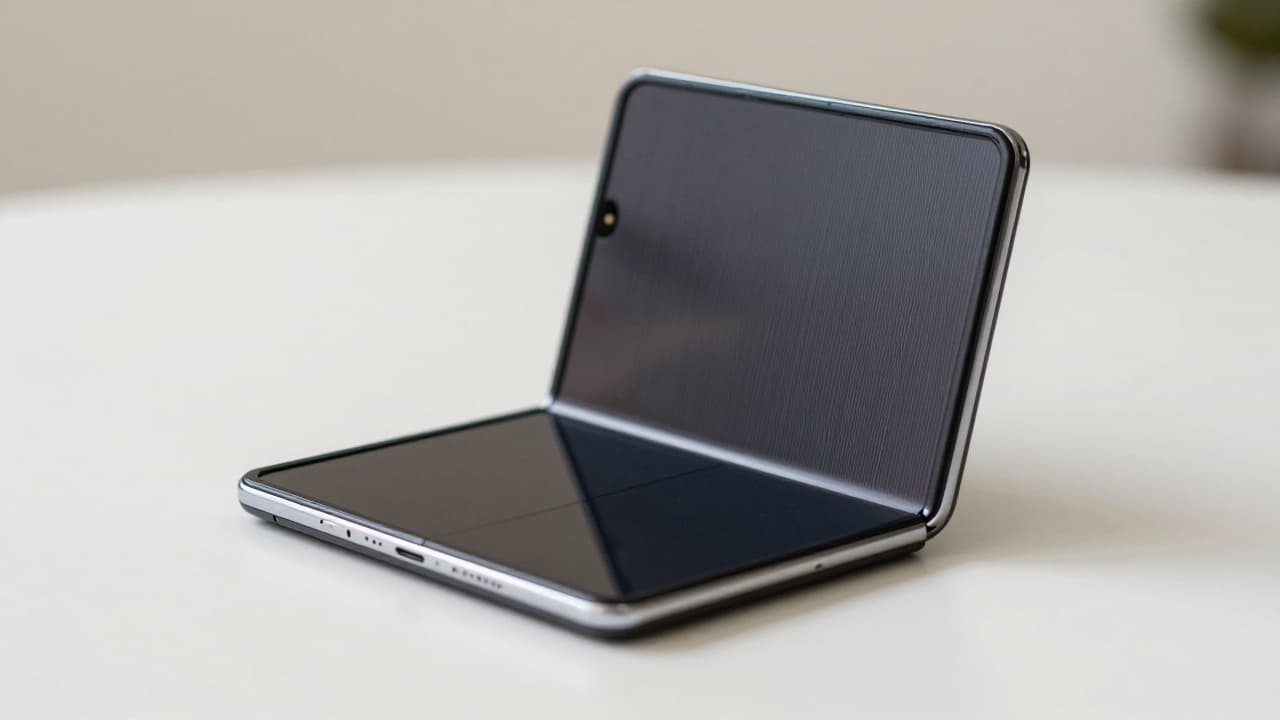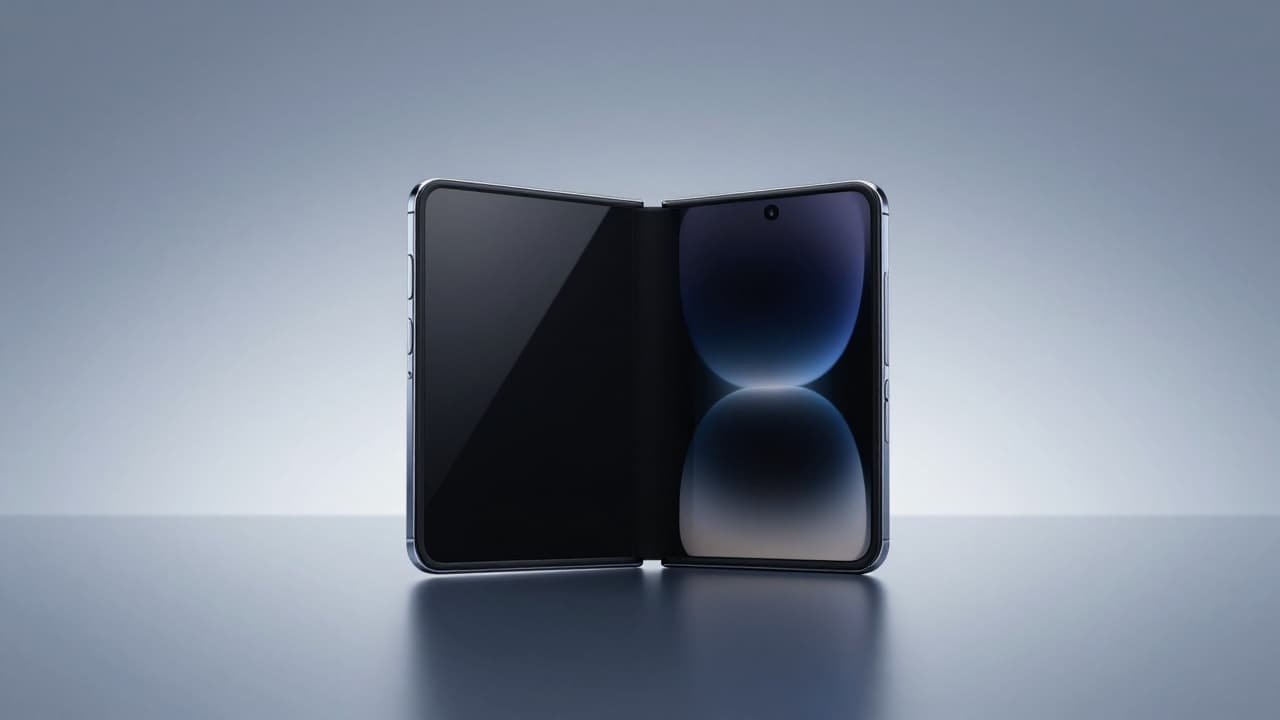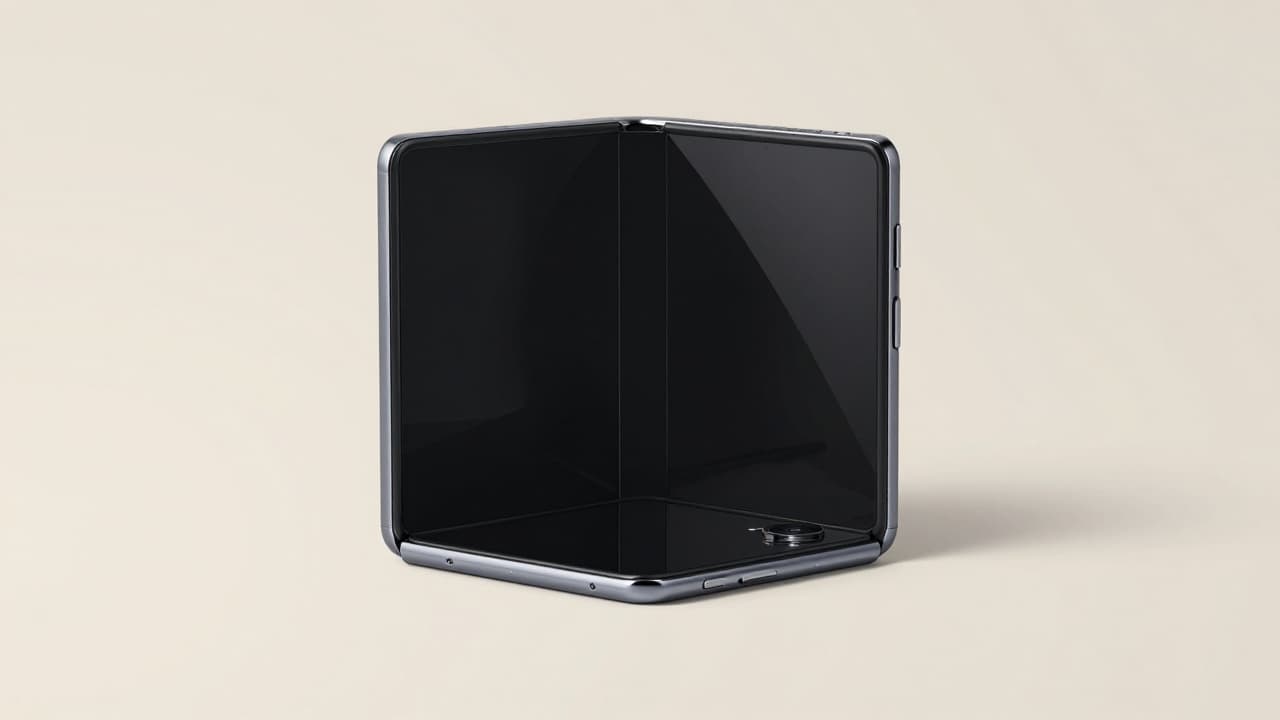
Apple's new foldable iPhone Duo sold out shortly after going on sale just over a week ago. Some buyers of the new model have faced cracked screens.
Apple announced last week that it would replace all phones affected by a problem that caused the inner part of the fold to crack on a "small number" of new devices.
Apple Chief Executive Officer John Ternus, who took over the role from Tim Cook in September, said on Monday that he was "delighted" with the early response to the iPhone Duo. Apple's new Chief Operating Officer Sabhi Kahn said the company did not know when additional quantities of the Duo would be available. "It is really hard to predict when supply and demand will be in balance," Kahn said. During the investor call, Apple executives did not mention any problems with the iPhone Duo.
Apple announced on Monday that it sold more iPhones globally last year than ever before. In the three months ending 26 September, iPhone sales rose 17 per cent to $57 billion. That period did not include sales of the iPhone Duo, which began selling at the end of October. Mac computer sales in that quarter rose 27 per cent, reaching $10.7 billion. Apple's total sales rose 15 per cent during the year to $479 billion. At the same time, iPad sales fell 10 per cent, and sales of Apple's wearable products, including headphones and the Watch, fell 7 per cent.
Kahn noted during the call that most Apple devices still face supply constraints, partly due to difficulties in procuring enough microprocessors with "advanced nodes". Apple produces most of these components through TSMC, based in Taiwan. Kahn said such supply constraints are expected to continue next year, particularly affecting iPads and Macs. The situation was worsened by what the company repeatedly calls "unexpected demand" for its products.
Ternus highlighted that Apple is still recording "unprecedented" increases in memory costs. A large part of this memory storage passes through data centres that have experienced huge growth in demand for space since AI chatbots and platforms, including those developed by OpenAI and Anthropic, became popular. As demand for memory grew, storage prices rose for technology companies like Apple. Cook earlier this year called the sharp rise in data centre costs facing Apple a "once-in-a-millennium flood". This led the company to raise the prices of almost all its hardware products by around 20 per cent.