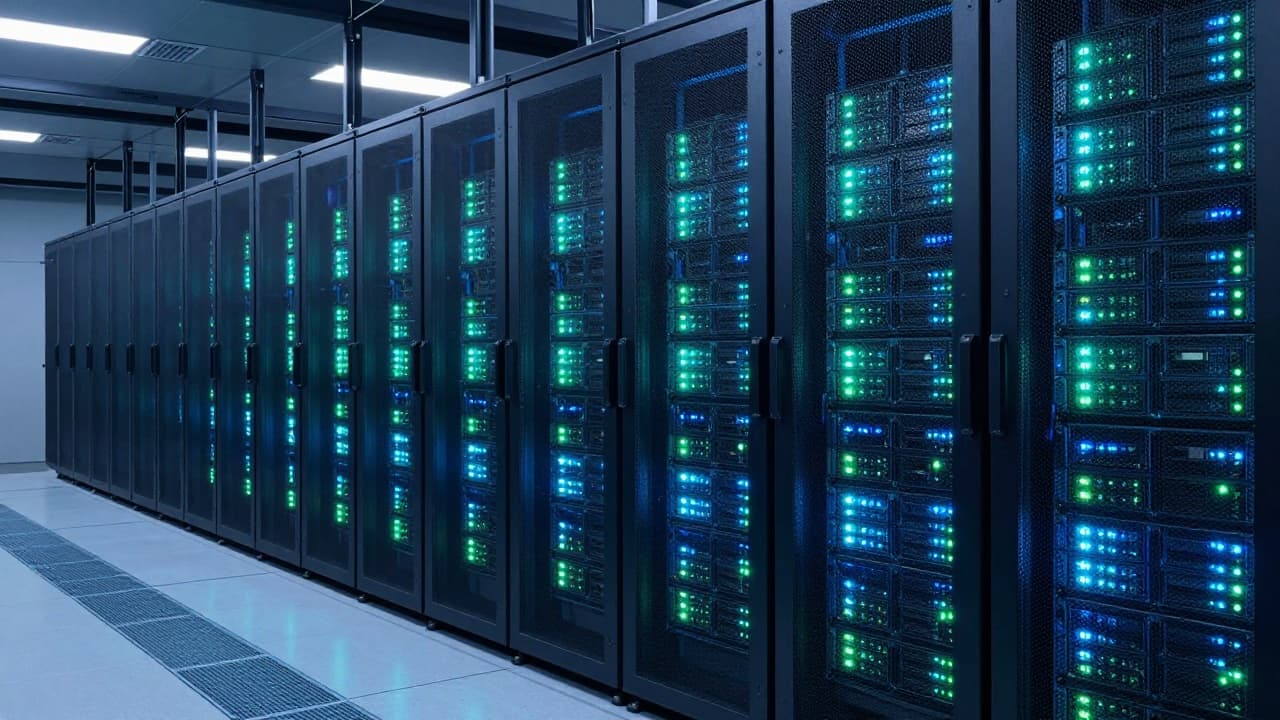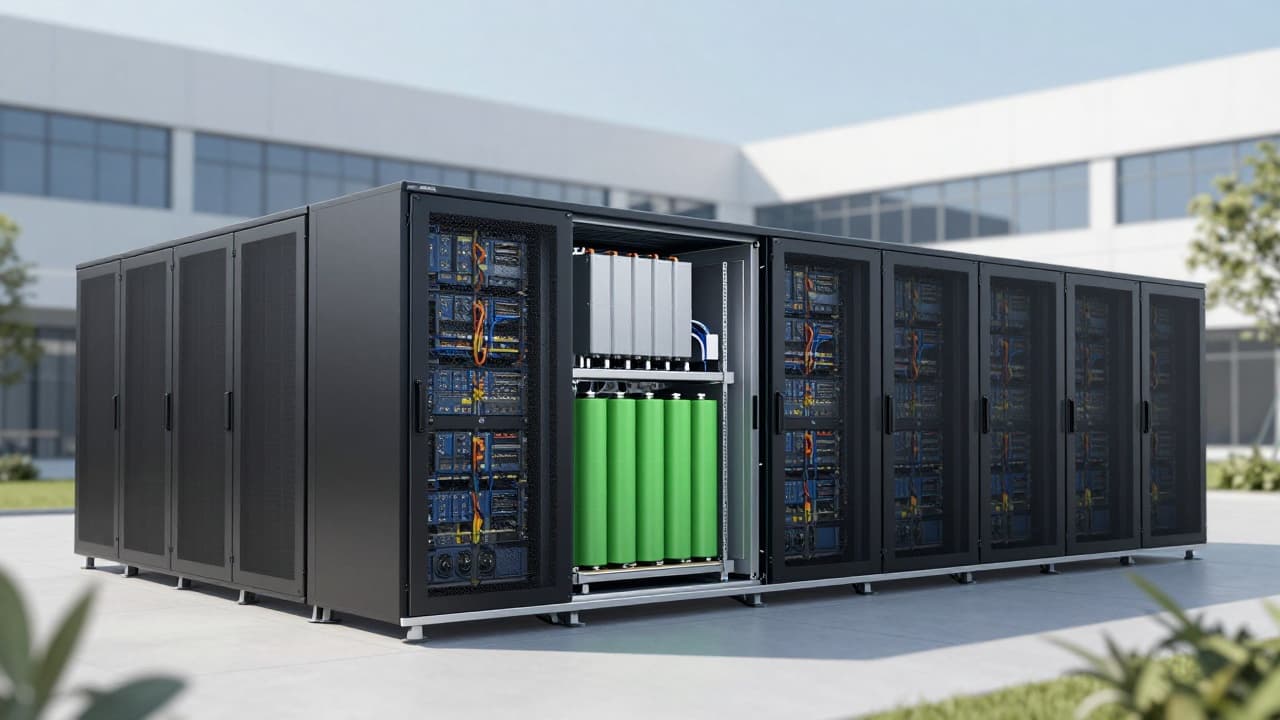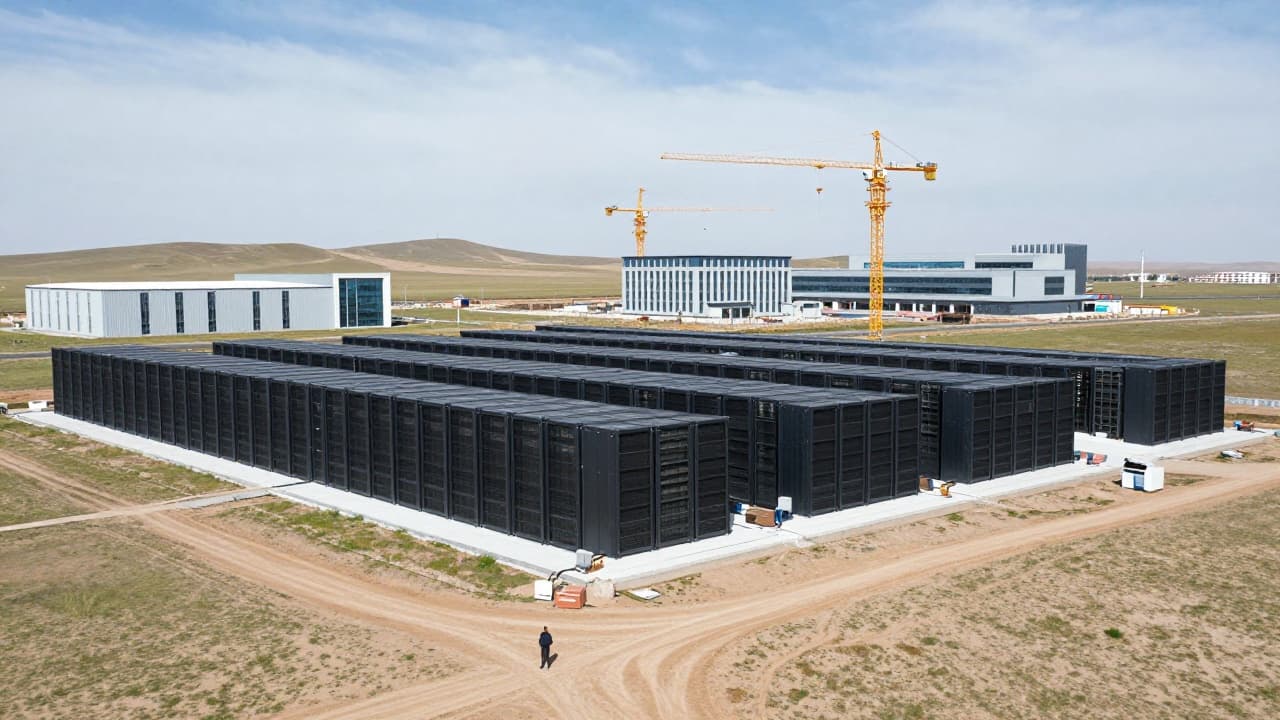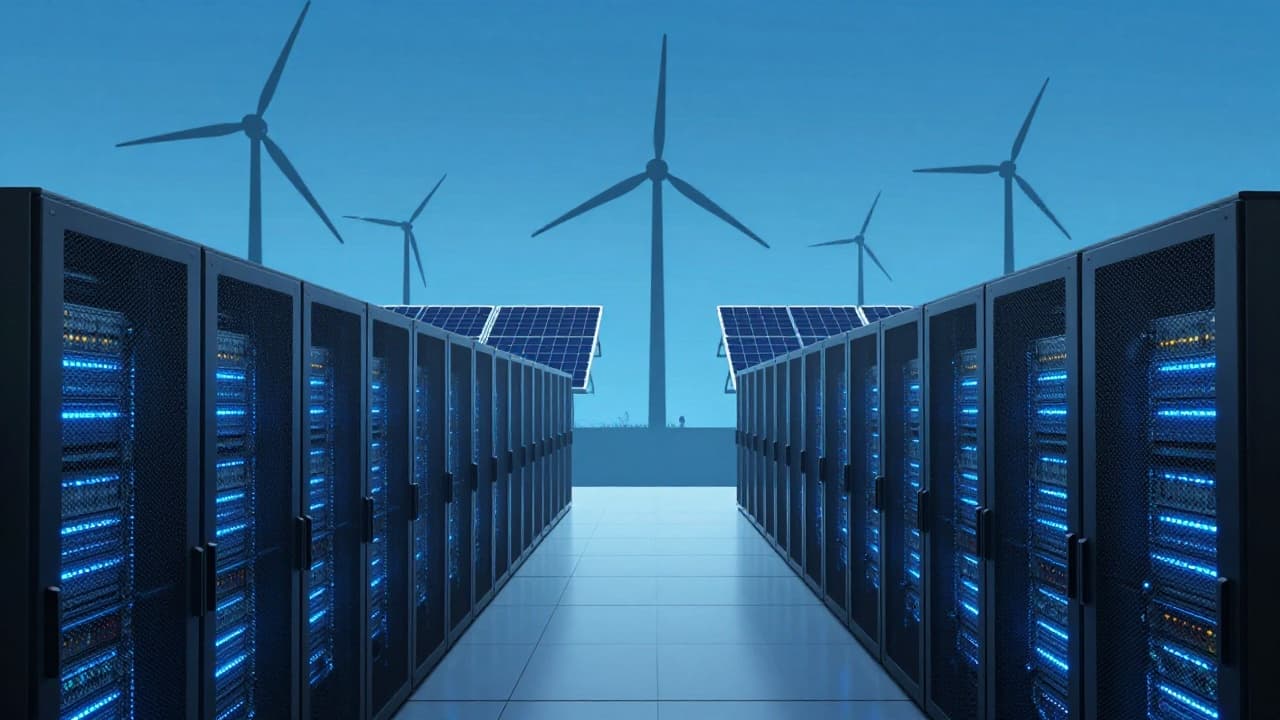
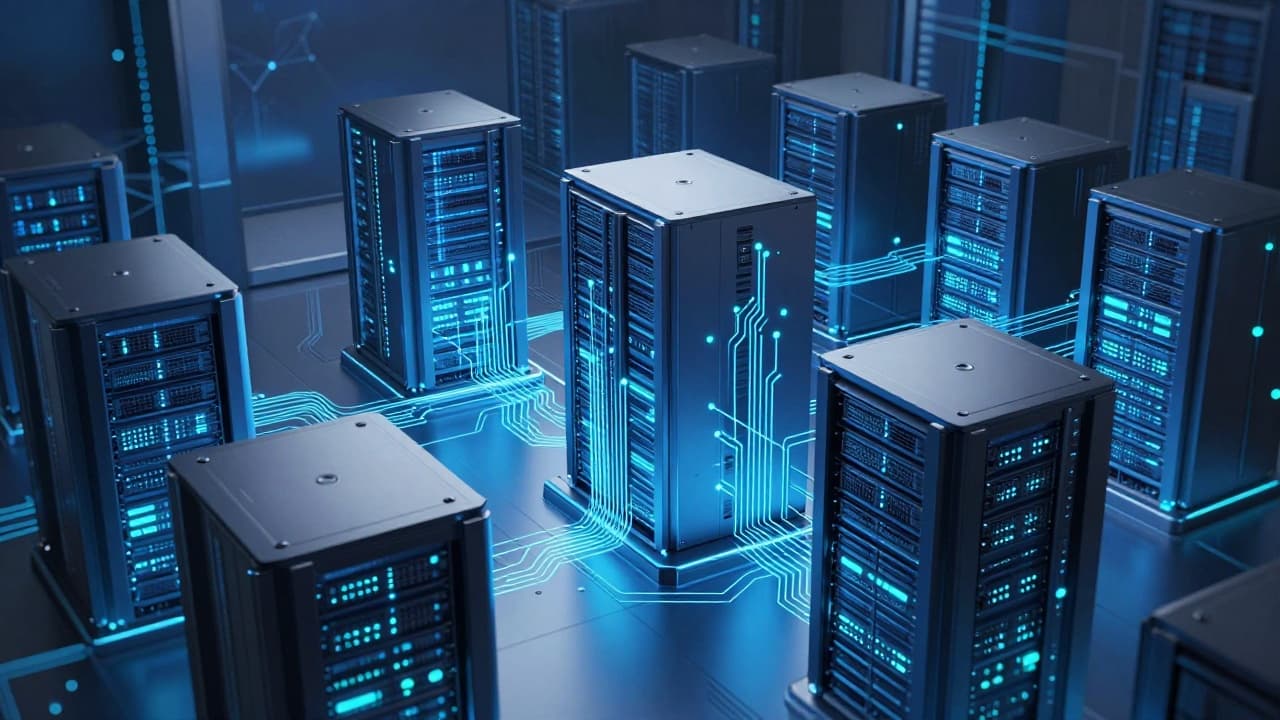
The IT market is witnessing significant changes in data architecture, with an increasing focus on edge computing. This shift is reflected in the growing use of edge data centres, which enable faster data processing and reduce reliance on traditional, centralised cloud solutions. Experts highlight that this change is not merely technical, but represents a key step in adapting infrastructure to modern market demands.
The key driver of this change is the growing need for artificial intelligence applications to have minimal latency. In a world where decisions must be made in milliseconds, traditional data processing models often become an obstacle. Edge data centres, by distributing smaller and distributed nodes closer to users, enable faster data processing and reduce latency. This is particularly important for applications that require immediate responses, such as autonomous vehicles, smart cities, and real-time industrial systems.
Moving computing closer to the edge, to users, devices, and data sources, represents a key step in modernising IT infrastructure. This change enables faster data processing, reduces network load, and improves the overall efficiency of the system. Edge data centres are becoming increasingly important in creating robust and reliable IT solutions that can meet the demands of modern digital services.
This shift in data architecture opens up new opportunities for the development of innovative solutions, but also presents new challenges in managing distributed systems. It is important that this change is viewed as an opportunity to enhance existing solutions, rather than as a threat to existing business models. Edge computing is becoming an increasingly important element in creating robust and reliable IT infrastructures, capable of meeting the growing demands of the digital age.