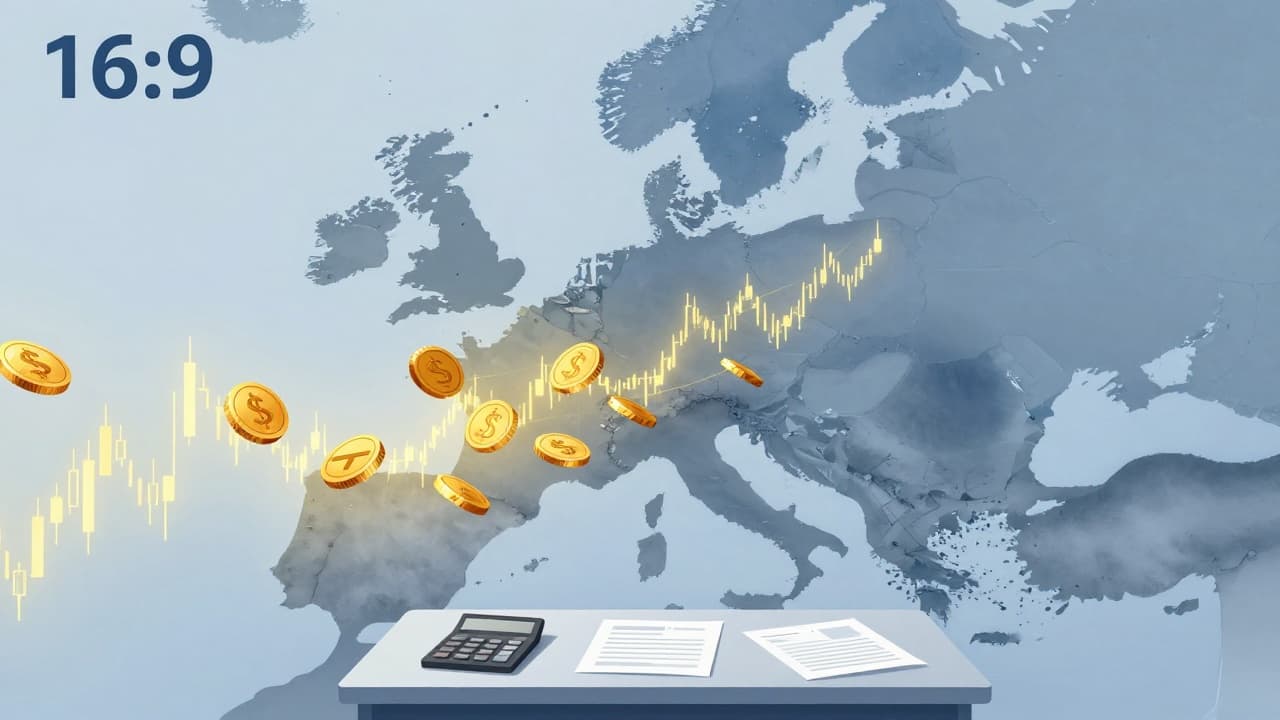
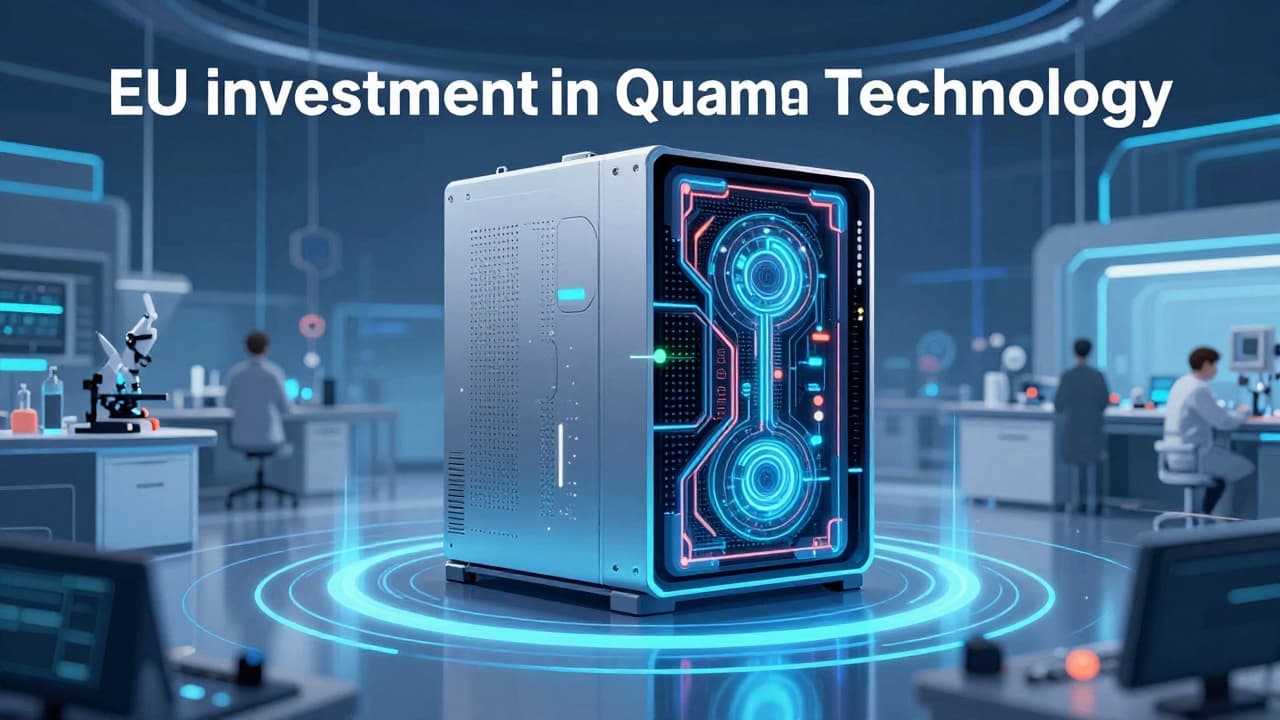
The European Union is preparing a €50 billion fund for quantum computing, proposed by the European Commission. The fund is based on equity financing and comes alongside other measures designed to favour European companies in public procurement tenders. The aim is for Europe to become a global leader in quantum technology by 2030.
The proposal follows a draft quantum technology act, aimed at helping Europe reduce its dependence on third countries. Europe currently lags behind the United States and China in the development of artificial intelligence, chips and cloud computing. The proposal comes at a time of concern over the ability of US companies to use so-called kill switches to block the functioning of their products in Europe.
EU Technology Commissioner Henna Virkkunen said: "We want quantum technologies developed in Europe to be made here and used here." She added that Europe is starting from a position of real strength and that there is a very successful industrial base, with one third of all quantum startups located in Europe. According to her, €50 billion marks the targeted scale of the fund.
Public funding for quantum technology in Europe last year amounted to €8.6 billion, compared with €5.3 billion in the United States. China spent €13.6 billion over the same period. Private funding for quantum startups in the EU totalled €1.1 billion, while in the US that figure reached €7 billion.
The draft act foresees that procurement procedures should be limited to products, systems and services provided by entities under EU control, due to the potential impact of quantum technologies on the security and strategic interests of the EU and its technological autonomy. However, entities from third countries with which the EU has established mutual partnership could also participate in tenders, for example if they take part in the Horizon Europe programme or come from countries that have acceded to the World Trade Organization Government Procurement Agreement. No specific countries are named in the act.
Théau Peronnin, chief executive officer and co-founder of Alice & Bob, which is working on developing the first universal quantum computer, said: "Europe is beginning to realise that in technology markets, the principle that the winner takes almost everything is becoming more prevalent, and when it comes to quantum technologies, we are playing to win." He added: "This means creating the foundation for the emergence of a global leader with deep European roots. This act is a significant step in that direction. The question now is how quickly that capital can be channelled to create the necessary momentum."
The draft act will have to be negotiated with EU member states and the European Parliament in the coming months before it becomes law. The time to implementation will depend on the speed of the negotiations.