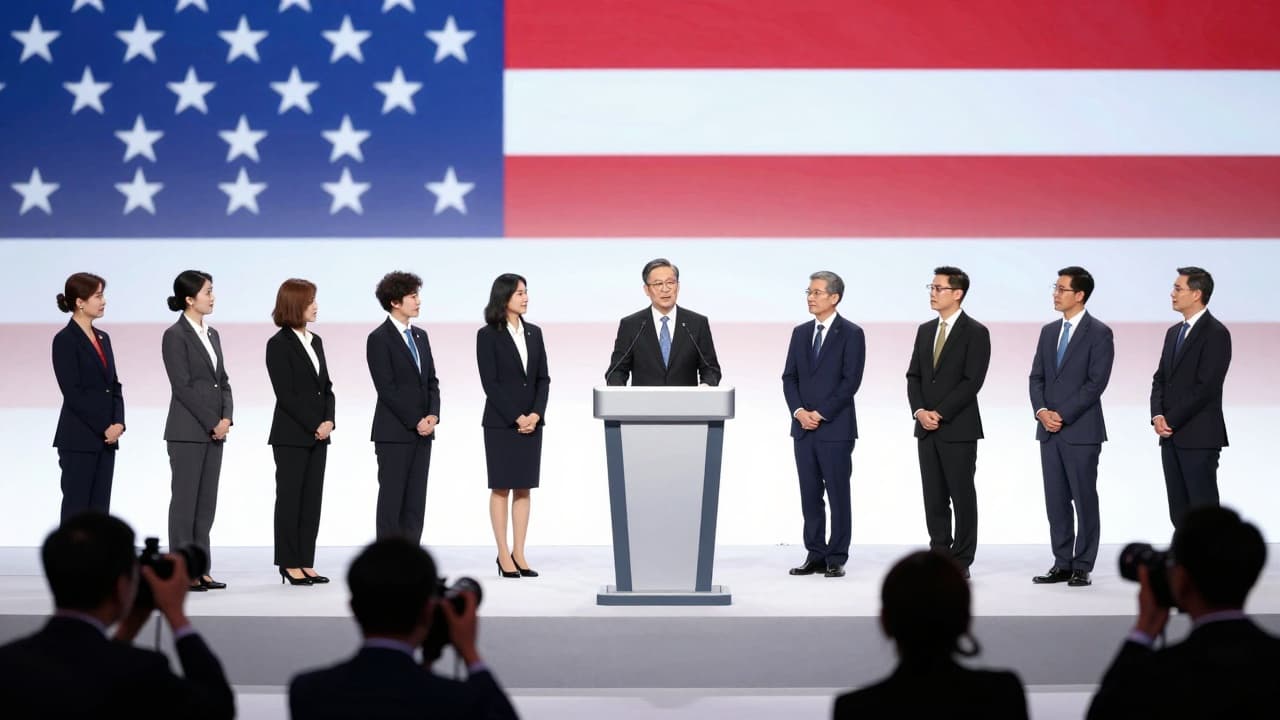
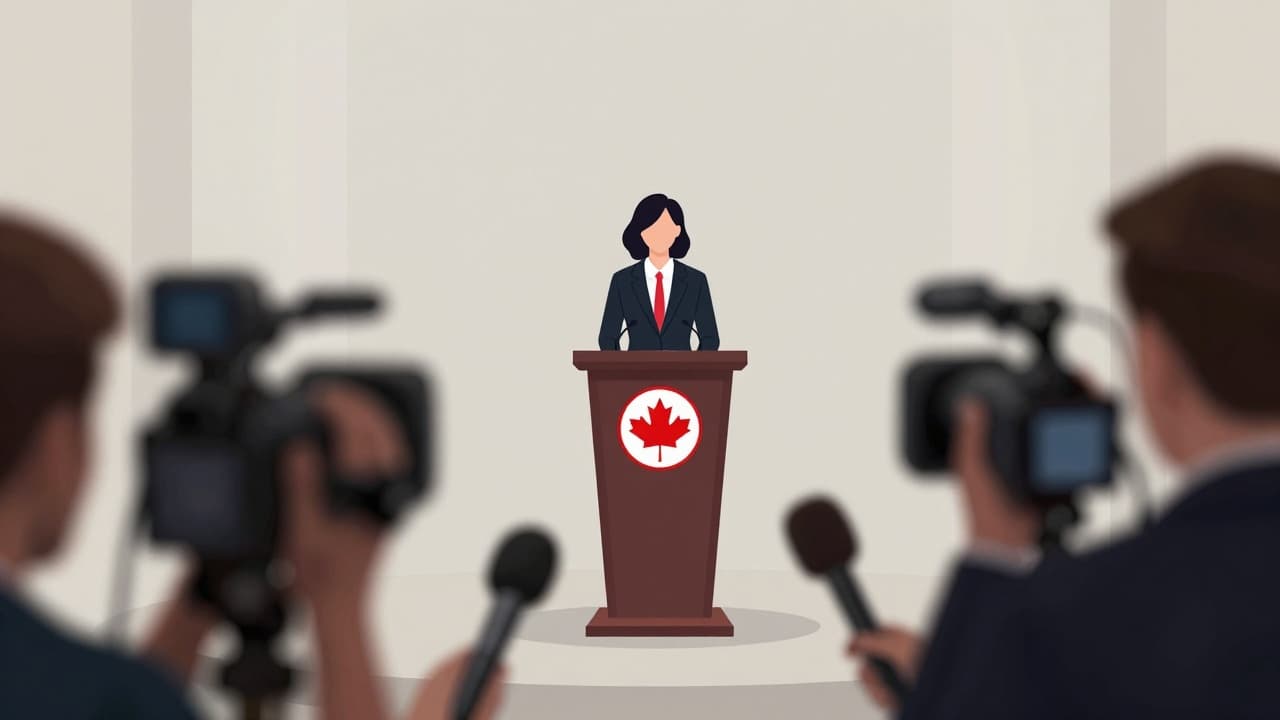
Canada and Europe have announced a new alliance of like-minded nations called the Alliance for the Future, presented at a summit in Montreal. The alliance is open to other countries joining and is envisioned as a protective canopy under which citizens can progress, as well as a strong shield against the unpredictable nature of geopolitics.
Prime Minister Mark Carney and European Commission President Ursula von der Leyen spoke to journalists in Montreal on Friday. They stated that the deepest possible partnership between Canada and the 27-member bloc has the potential to offer unprecedented stability and opportunity. Carney told reporters that our societies are being shaken by new storms, referring to the harmful effects of the climate crisis, the erosion of democratic norms and the weaponisation of trade.
At the conclusion of the two-day summit, Canada agreed to contribute to support for a €90bn loan for Ukraine. Leaders said that future discussions would lead to a more integrated market worth tens of billions of dollars, and they announced a reduction in trade and travel restrictions as well as new educational opportunities for both sides.
The trade war between Canada and the United States has prompted Carney to seek new geopolitical partners. Excessive reliance on American companies, particularly for defence, has given Canada cause for concern. Last week, Elon Musk slowed down Starlink and Starshield above Ukraine in mid-October, seriously disrupting Ukrainian military and defence operations. Carney has repeatedly expressed concern that Canadian defence technologies could be subject to political actors or companies with opposing interests. Musk, who holds dual Canadian citizenship, is a critic of Canada’s governing Liberal Party and has advocated for the secession of provinces.
Carney highlighted the planned merger of Canadian AI company Cohere Inc and Germany’s Aleph Alpha GmbH as a step towards reducing dependence on American AI giants. The newly formed company will have dual headquarters in Berlin and Toronto, and the Canadian federal government announced a stake in Cohere worth up to C$1.6bn. Carney said on Thursday: “We are not waiting for the future of AI to be decided somewhere else, by people we do not know or trust.” Brussels and Ottawa announced on Friday an agreement under which Canada joins the European supercomputer network, giving Canadians access to European machines for training AI models.
Canadian and EU leaders presented the new, deeper partnership as a response to key sources of public anxiety, including the cost of living. Von der Leyen said: “When trade becomes a tool of economic pressure, families pay the price, from supermarket shelves to the price of a new car.” She emphasised that previously reliable suppliers of energy, critical minerals or semiconductors are increasingly becoming instruments of pressure. Carney had said earlier that day: “More competition, more choice,” suggesting that the alliance could find ways to build security around supply chains and withstand shocks together.
Leaders reiterated the possibility of Canada becoming an associated member. Von der Leyen said that this status is uncharted territory and added: “We have the ambition, trust and creativity to shape this together.” She also stated that this partnership is not against someone else, but for our joint strength. Leaders committed to the idea of associated membership but said that a clearer scope for this role would come at the 2027 summit. Some EU member states were dissatisfied with the idea of Canada receiving a legally insignificant label that they fear could confuse other nations seeking membership. Germany and other states had worked behind the scenes to remove the phrase from the draft summit statement. Von der Leyen, who first proposed the term, and Carney again mentioned associated membership at the summit.
European Council President Antonio Costa had earlier said that Canada is the most European of non-European countries. Costa said that the two sides would strive for the closest, deepest and strongest association ever between the European Union and a non-European country. The summit itself caused friction in the province of Quebec, where the separatist Parti Québécois was recently elected to a minority government. Quebec Premier Paul St-Pierre Plamondon skipped the event after Ottawa did not allow him to give a public speech there. St-Pierre Plamondon wrote: “The federal government wants us to believe that the Quebec Premier being allowed to serve shrimp cocktails at a reception is an acceptable and sufficient form of influence for representing Quebec’s interests.”