Canada has accepted the European Union's offer of associated membership, with Brussels and Ottawa setting a deadline of June next year to define the details of the new relationship. The deadline was agreed following a two-day summit, with Canadian Prime Minister Mark Carney supporting the proposal from European Commission President Ursula von der Leyen despite weeks of hesitation, a sharp reaction from US President Donald Trump, and resistance from Germany.
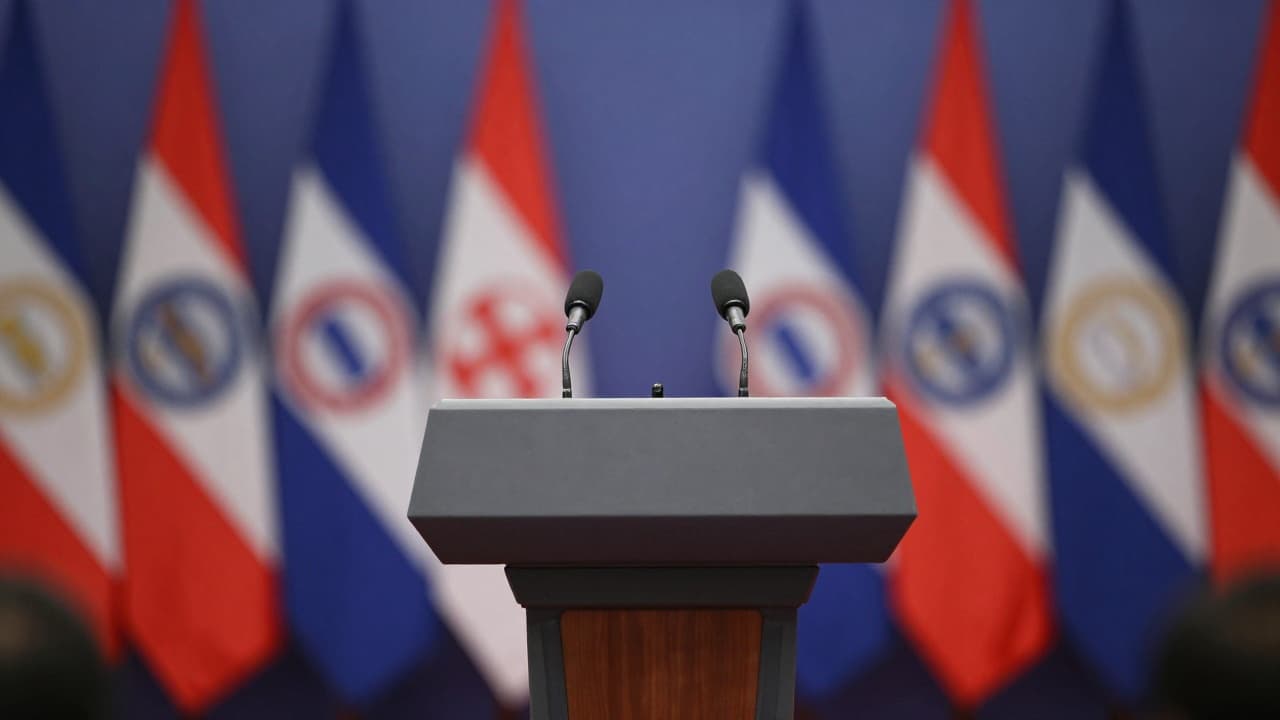
Carney stated that the exact content, scope and reach of this new form of membership would be determined in the coming months. At a press conference at the end of the summit in Montreal, he said Canada was moving towards associated membership, describing the status as the deepest possible partnership without full accession. The two sides set June 2027 as the final deadline for establishing the terms and framework of the partnership, including a financing plan. Carney avoided answering directly how much associated membership would cost Canadian taxpayers, saying he personally did not see it as a payment and that it was a positive project.
Von der Leyen and European Council President António Costa stood beside Carney and presented this experiment as a necessary strategy in an increasingly uncertain global environment. Von der Leyen said the concept of an associated member was uncharted territory, but that they had the ambition, trust and creativity to shape it together, adding that this was not a partnership against anyone, but for joint strength. Costa stated that their relationship was so special that they wanted to create something new and wanted to go a step further than ordinary association, right up to the limit of full EU membership. He proposed a new model for tighter integration of non-European countries with the Union, adding that their association would be the hardest, deepest and most unique of its kind. Canadian government officials confirmed after the press conference that no new laws would need to be passed to formalise the status of an associated member.
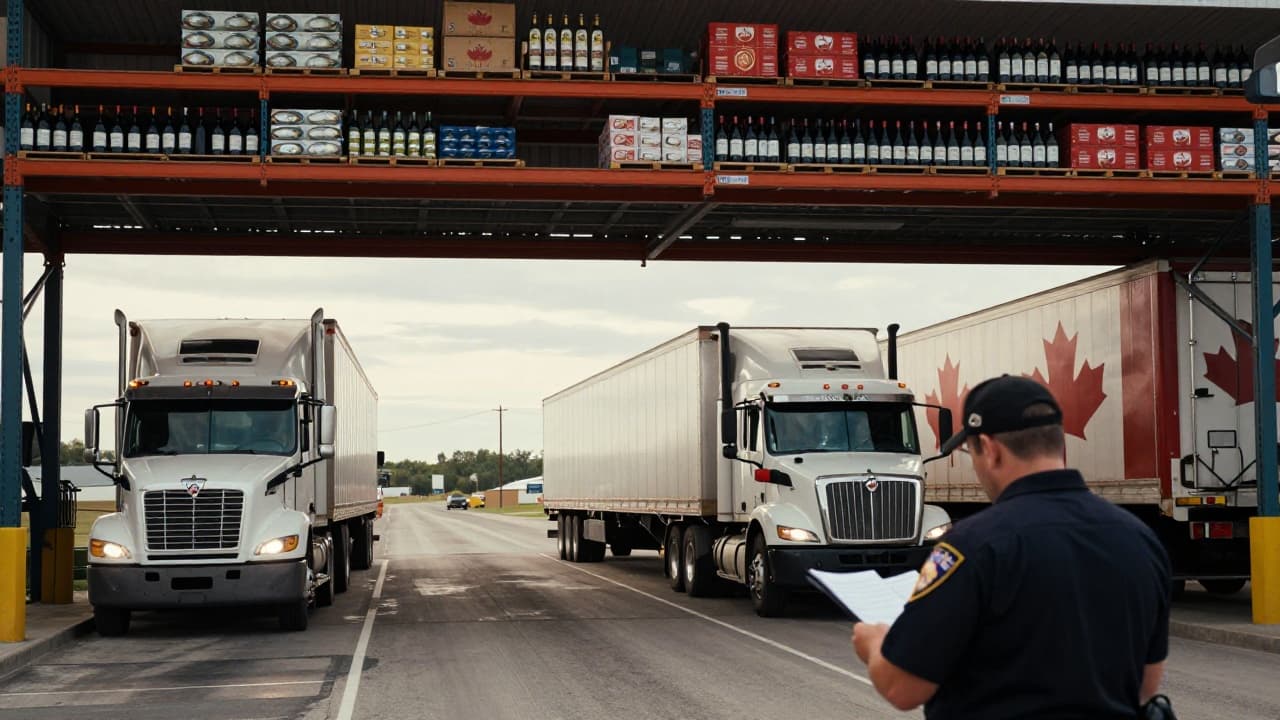
Some long-standing trade disputes remained unresolved even after the summit. Carney stated that an agreement had been reached on exemptions from the key EU regulation on deforestation, but Canadian officials later retracted that claim. One official, who wished to remain anonymous due to the sensitivity of the negotiations, said the issue of exemptions was still a subject of trade talks and that there was progress in resolving what Canada considers deficiencies in the regulation. It is also disputed whether Canada will receive 'Made in Europe' status under the Industrial Acceleration Act, a key measure by which the EU intends to direct public procurement in sectors from green energy to the automotive industry towards goods produced within the Union. Von der Leyen clarified that the Commission had previously included Canada as a free trade partner in the draft regulation earlier this year and that the proposal now had to be considered by Members of the European Parliament and member state governments. She added that the Commission had proposed that the Industrial Acceleration Act cover all countries with which they have free trade agreements, which would automatically include Canada, but that the proposal now had to go through the legislative process.
The summit, despite months of preparation, was organisationally chaotic. Details of the programme were confirmed only at the last minute, and bilateral meetings were held at two different locations. The purpose of such informal arrangements was to enable more direct contact between EU Commissioners and Canadian ministers, who will meet significantly more frequently in the future. Canadian ministers were invited to a series of meetings with their EU counterparts as part of a plan to strengthen political alignment, and the participation of Foreign Minister Anita Anand and International Trade Minister Maninder Sidhu in recent informal EU meetings served as a test for such a model of cooperation. Prime Minister Carney is travelling to Dublin in two weeks, where, at the invitation of António Costa, he will participate in an informal meeting of the European Council. Carney and von der Leyen announced Canada's associated membership in the EU from Strasbourg in September, but the status of associated membership currently does not exist within the EU system. The term associated membership divides EU member states so much that it is not mentioned at all in the final statement of the Canadian-EU summit in Montreal.
Carney said that Canada and the EU are launching an alliance for the future focused on resilience in areas such as artificial intelligence, energy and critical minerals. He said they were working to achieve the deepest possible partnership that does not include full membership and that this would result in Canada becoming the first associated member of the European Union. In a joint statement published at the end of the summit, Canadian and European leaders highlighted their unwavering commitment to effective multilateralism, democracy and the international rule-based order. The statement notes that Canada and the EU will cooperate in resolving conflicts in Ukraine and the Middle East and will deepen security ties in other regions, including the Arctic. US President Donald Trump threatened potential trade sanctions last month in response to von der Leyen's proposal for a new status in EU-Canada relations. A statement from Ottawa and Brussels highlights that negotiations on a new digital trade agreement, which will complement the existing comprehensive trade agreement between Canada and the European Union, have been concluded.
Carney is probably the most European leader outside Europe. He is a former governor of the Bank of Canada and then the Bank of England, and until taking office in 2025, he held both Irish and British passports. In early 2025, he attracted global public attention with a speech in which he announced the end of the era of geopolitical naivety and called for the alliance of middle powers to be at the table, not on the menu. Associated membership is considered the first step in that direction.