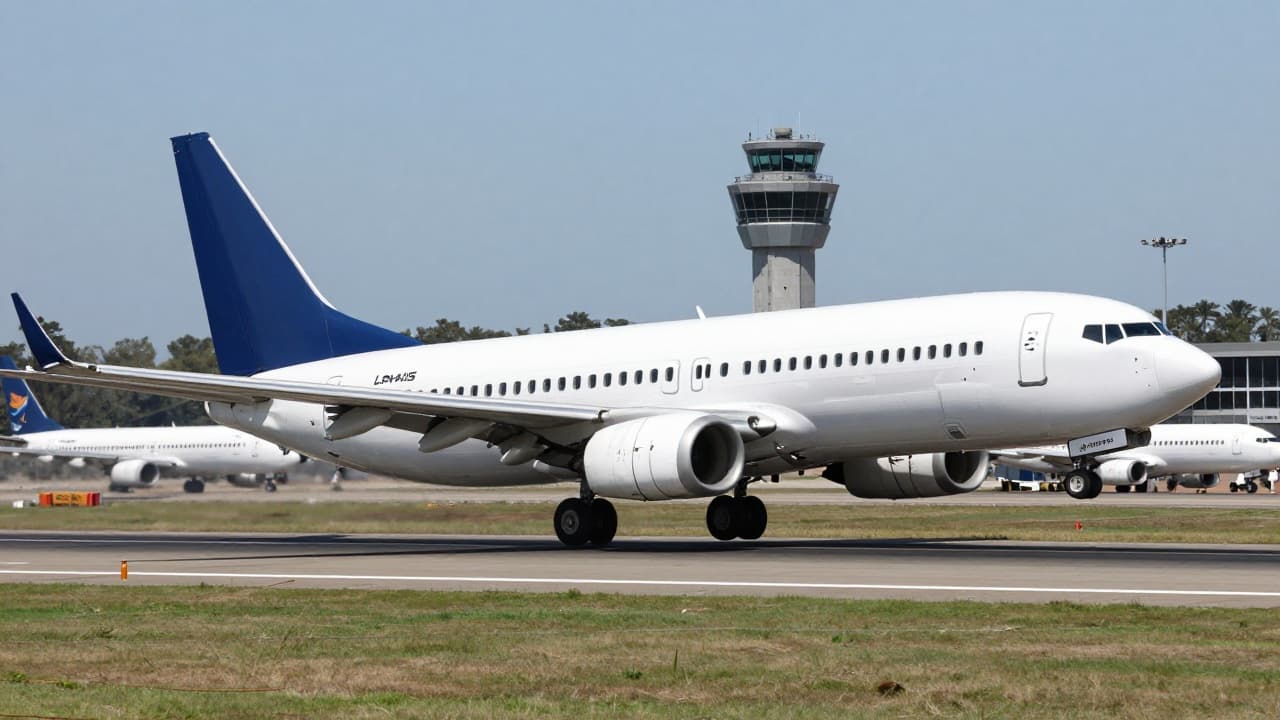
The Australian Transport Safety Bureau (ATSB) has launched an investigation into an incident at Sydney Airport in which a Qantas aircraft aborted its landing after spotting another aircraft crossing the runway during descent. According to an ATSB statement, Qantas flight 426 from Melbourne was due to land shortly before 10:15 on Wednesday.
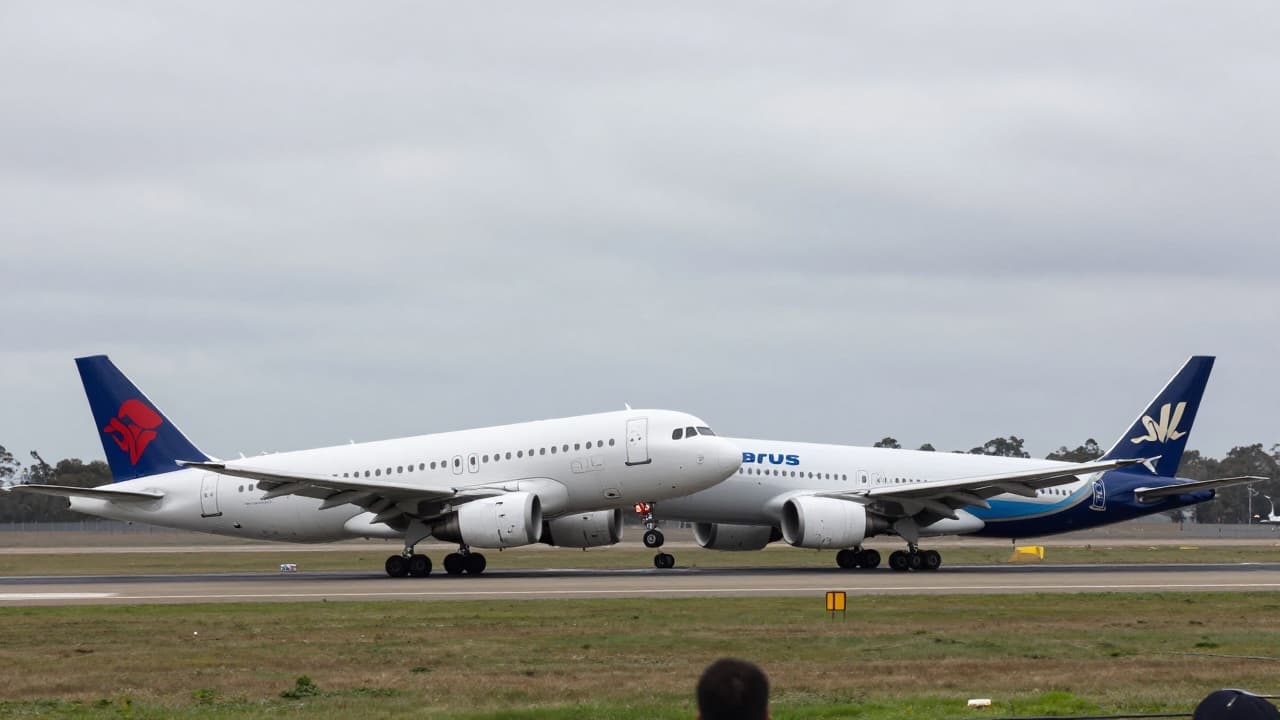
The Boeing 737 received an instruction to expect a late clearance to land due to an aircraft crossing the runway. As the aircraft continued to approach the airport, and before it was given clearance to land, the crew reported seeing an Air New Zealand aircraft crossing the runway. The Qantas crew then decided to perform a go-around, aborting the landing before attempting a second approach.
The ATSB said it will investigate what it describes as an aircraft separation issue. The agency will gather evidence, including interviews with the flight crew, a review of flight data, and monitoring of air traffic control audio recordings and available CCTV footage. The investigation will seek to determine what information was provided to the crews of both aircraft and what mental models those crews had.
The ATSB noted that important safety defences were in place and acted during the incident, including the flight crew's decision to go-around. A preliminary report is expected to be completed in approximately eight weeks. Qantas did not immediately respond to a request for comment, but told the Sydney Morning Herald that its pilots followed air traffic control instructions and decided to perform a go-around because another aircraft was crossing the runway.
Sydney Airport has recorded a series of near-miss incidents this year. In August, a Jetstar aircraft narrowly avoided a collision with a Qatar Airways aircraft on the platform, and in a separate incident a Virgin aircraft was forced to abort a takeoff when a Qantas aircraft began crossing the runway ahead of it.
Angus Mitchell, the chief commissioner of the ATSB, published preliminary investigation reports in September which found that staffing levels at Sydney Airport had emerged as a recurring area of investigation. The review found that runway incursions and near-misses at Sydney Airport were 20 per cent above the national average. Mitchell then said this should be viewed in the context of Sydney Airport being the most complex in the country.
The ATSB emphasised that it has not yet determined whether staffing allocation factors directly contributed to any of the incidents, or were merely underlying conditions that Airservices, the Australian air traffic control service provider, had identified and effectively managed. On Friday, it added that its inquiry into the recent incident would seek to examine safety defences in place and identify or rule out any underlying safety issues and contributing factors that are common to other incidents at Sydney Airport currently under investigation.