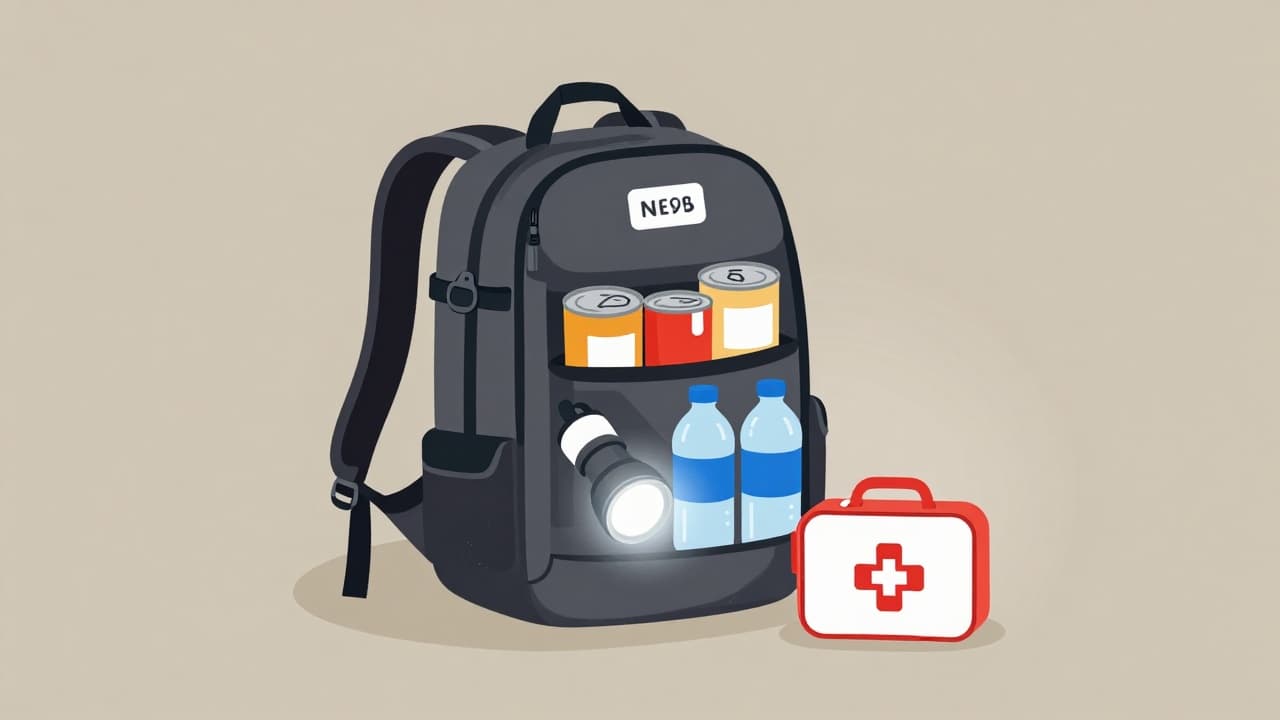
The European Commission has published new guidelines for preparing citizens for emergencies and disasters. It recommends that every household secures sufficient food, water and basic necessities for at least 72 hours, as well as preparing a go-bag with essential items in case of urgent evacuation.
The guidelines were presented at the European Civil Protection Forum in Brussels by European Commissioner for Preparedness and Crisis Management Hadja Lahbib. She emphasised that the first hours after a crisis breaks out are particularly important and that every citizen needs to know how to protect themselves, their family and help others.
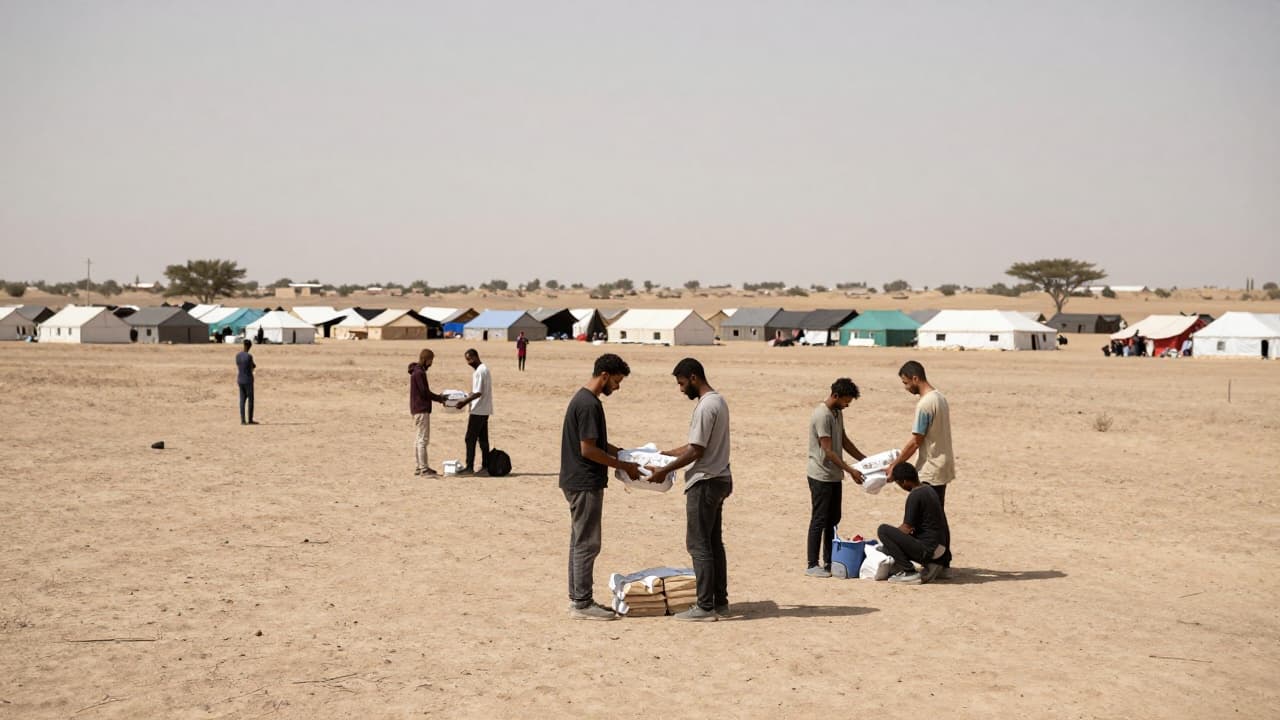
The European Commission’s message is that preparation for crisis situations begins in one’s own home, school and local community. Citizens should be ready to meet their basic needs independently until organised help arrives on the ground, with the core of the recommendations focusing on the ability of households to be self-sufficient during the first three days after an emergency. Therefore, it is advised to prepare stocks of food, drinking water and other basic necessities in advance, and to pack a bag or backpack for emergencies containing the most essential items that citizens might need to carry with them in the event of a rapid evacuation.
The Commission has also proposed introducing crisis situation education in nurseries and primary schools, through age-appropriate activities designed not to cause fear. Special attention is given to people with disabilities, for whom appropriate protection and assistance measures need to be ensured. One of the priorities is also improving communication between authorities and citizens, with information on dangers needing to be timely, clear and accessible to the public.
The introduction of a European Preparedness Day has also been proposed, to be observed annually on 23 October, starting from 2027. The date was chosen to commemorate the establishment of the European Civil Protection Mechanism in 2001, and the proposal is also based on the recommendations of a panel of European citizens in which 150 residents from all European Union member states participated.
The European Commission has called on member states to regularly stress-test their civil protection systems. They are expected to draw up plans to ensure continuity of operations in crisis circumstances, and national civil protection centres are expected to be able to function continuously 24 hours a day, even in the event of major disruptions. Among the possible scenarios mentioned are prolonged power outages, communication network failures and cyber attacks.
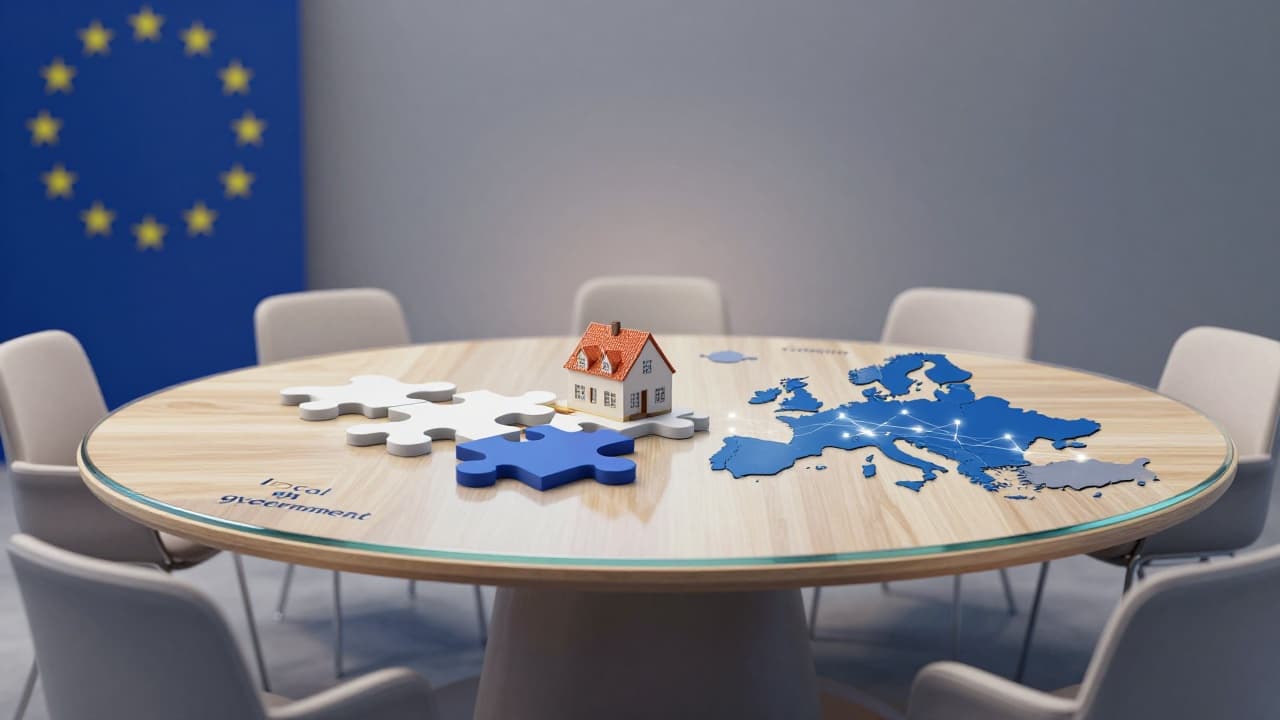
The new guidelines are not legally binding for member states. The strategy relies on last year’s report by former Finnish President Sauli Niinistö, which warned that Europe must better prepare for unforeseen events due to increasingly frequent climate disasters and geopolitical threats. The main goal is to develop a culture of preparedness across society – from individuals and families to schools, local communities and state institutions.