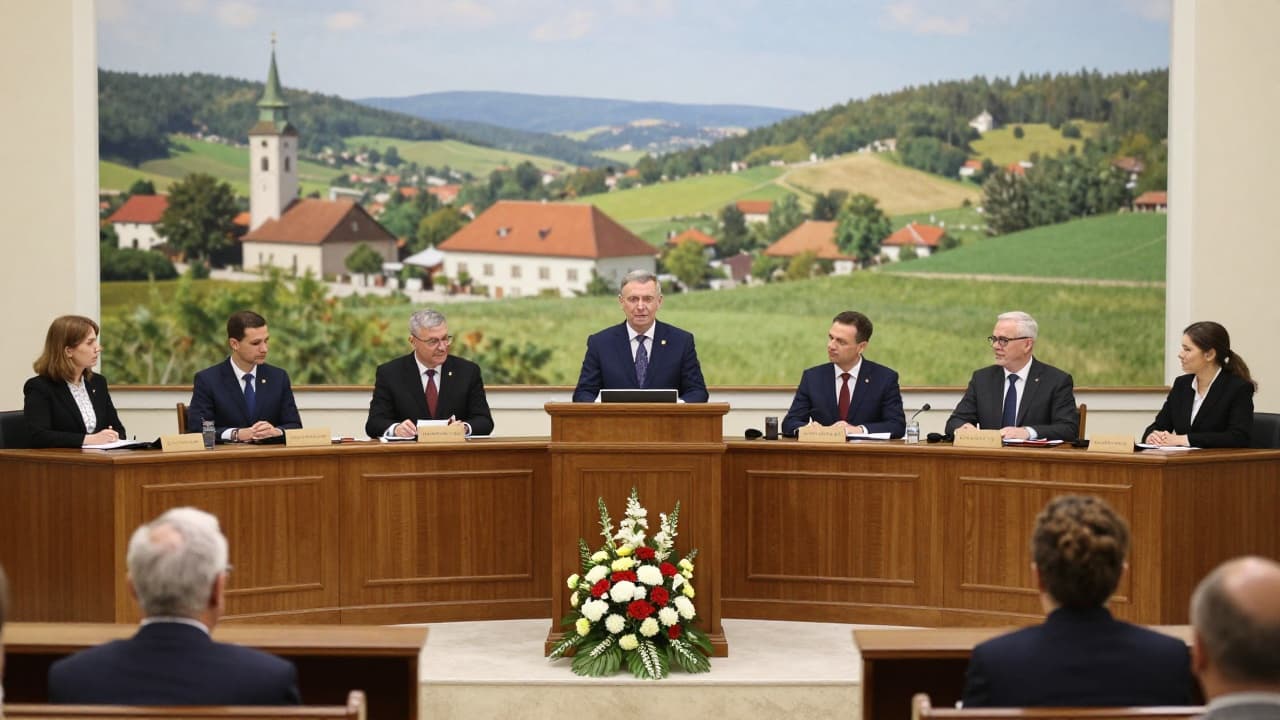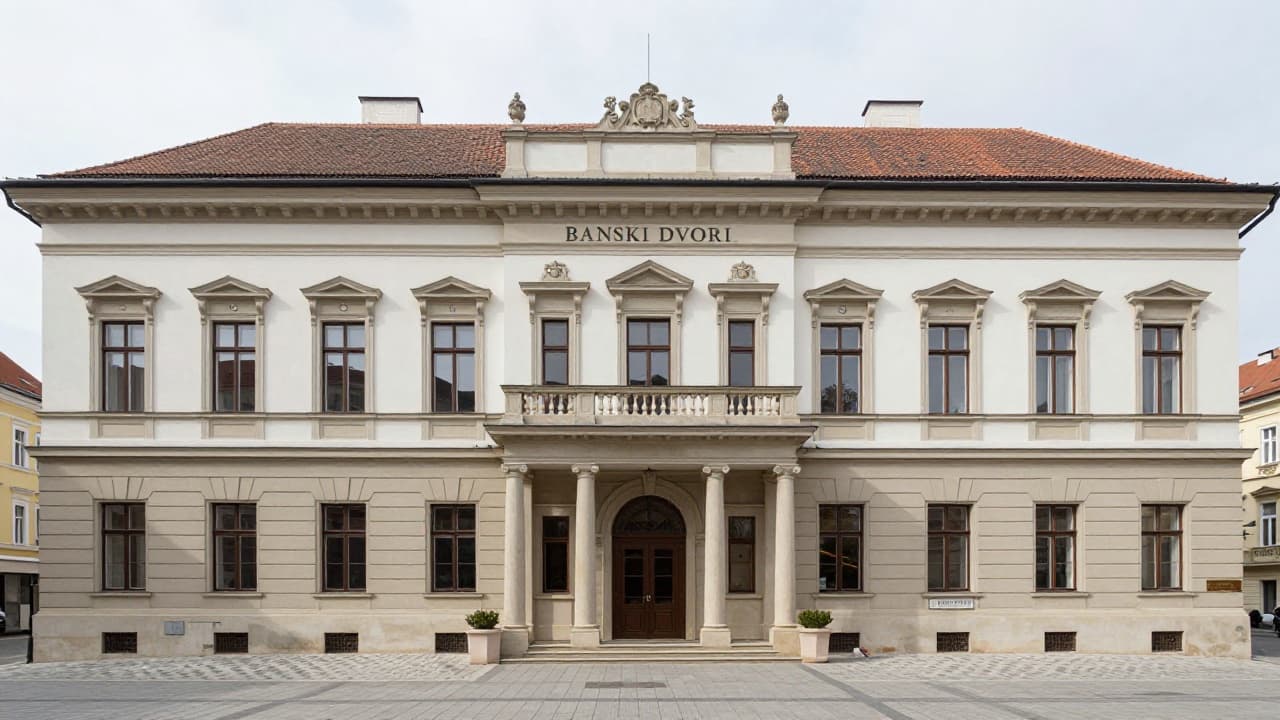

The simulated exercise, titled 'Grecale 2026', took place in the offices of the county administration, known as the County Palace. The exercise was conducted as part of the GRECALE international project, with its primary aim being to verify the ability of local and county-level systems to respond in the event of natural disasters. The simulation focused on assessing the efficiency of operational coordination and testing the functionality of communication channels in the initial, critical phases of a crisis event.
Based on the simulation, the scenario involved an earthquake in the area of the town of Ivanč, highlighting the fact that natural disasters do not respect administrative boundaries. Therefore, local communities, such as the town of Ivanč, and wider regional units, such as the Varaždin County, must be prepared for an emergency response. The exercise covered all key aspects of initial response, including the gathering and exchange of information, coordination of operational forces, decision-making, and communication with the public. Special attention was paid to the preparation of requests to involve higher levels of the civil protection system, which is essential for coordinating aid beyond local frameworks.
A key element of this simulation was the first-time use of a web tool within the project. This digital platform enables networking among partners and facilitates communication and the exchange of information on actions taken and stakeholders involved in the civil protection system. This ensures faster and more precise coordination among various stakeholders, which is crucial for an effective response to complex crisis situations.
The GRECALE project, within which this simulation was conducted, began on 1 July 2024 and will run until 30 June 2027. The total value of the project is €1,489,987.10, of which 85 per cent, or €1,266,489.03, is funded by the Interreg VI-B programme, specifically the Interreg Adriatic-Ionian European Fund. This project addresses the risks of floods and earthquakes, with a focus on strengthening territorial resilience and recovery capacity from major disasters in the region.
Numerous partners are participating in the project, including the Eastern Macedonia region as the lead partner, along with organisations from various European countries. Among the participants are the National Confederation of Craft and Small and Medium Enterprises of Abruzzo, the Athena Research and Innovation Centre from Athens, the ARIF Puglia regional agency, the ACT for business development and support agency from Cetinje, and the Directorate for Fire Protection and Firefighting of Herzegovina. The aim of this cooperation is to draw concrete conclusions and lessons learned to improve the civil protection system, ensuring more effective and coordinated protection of the population in the event of natural disasters.