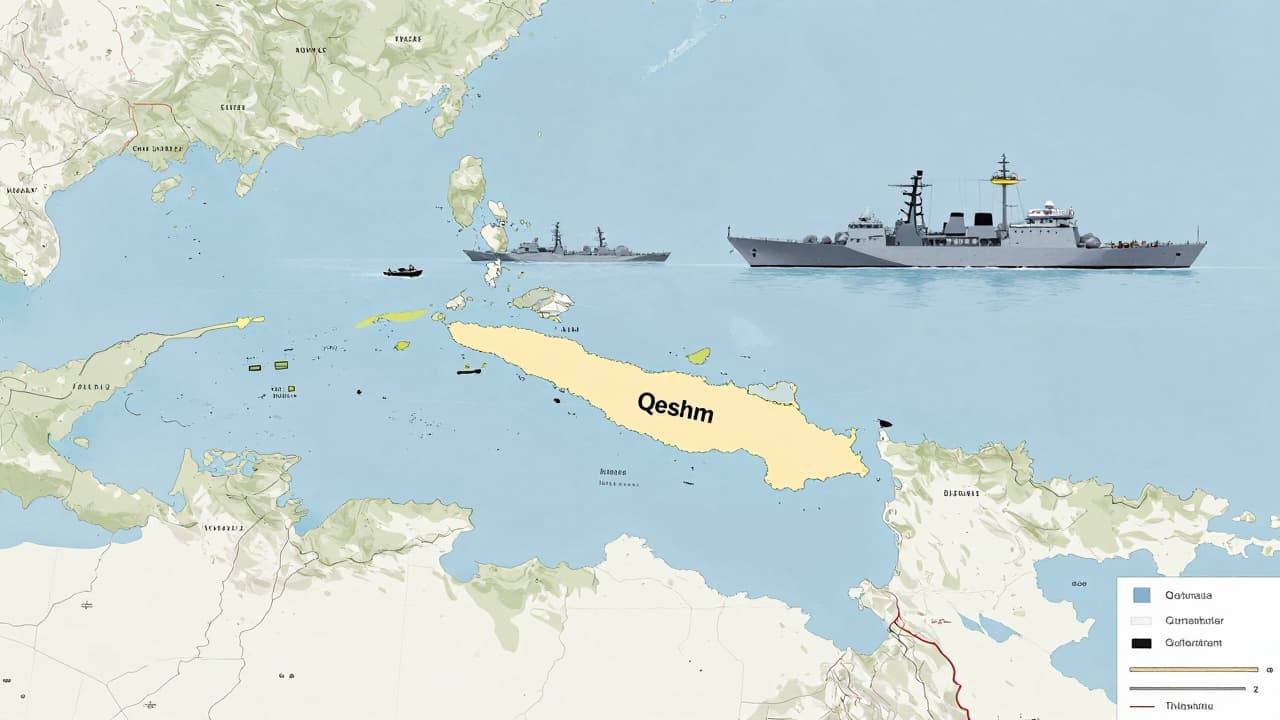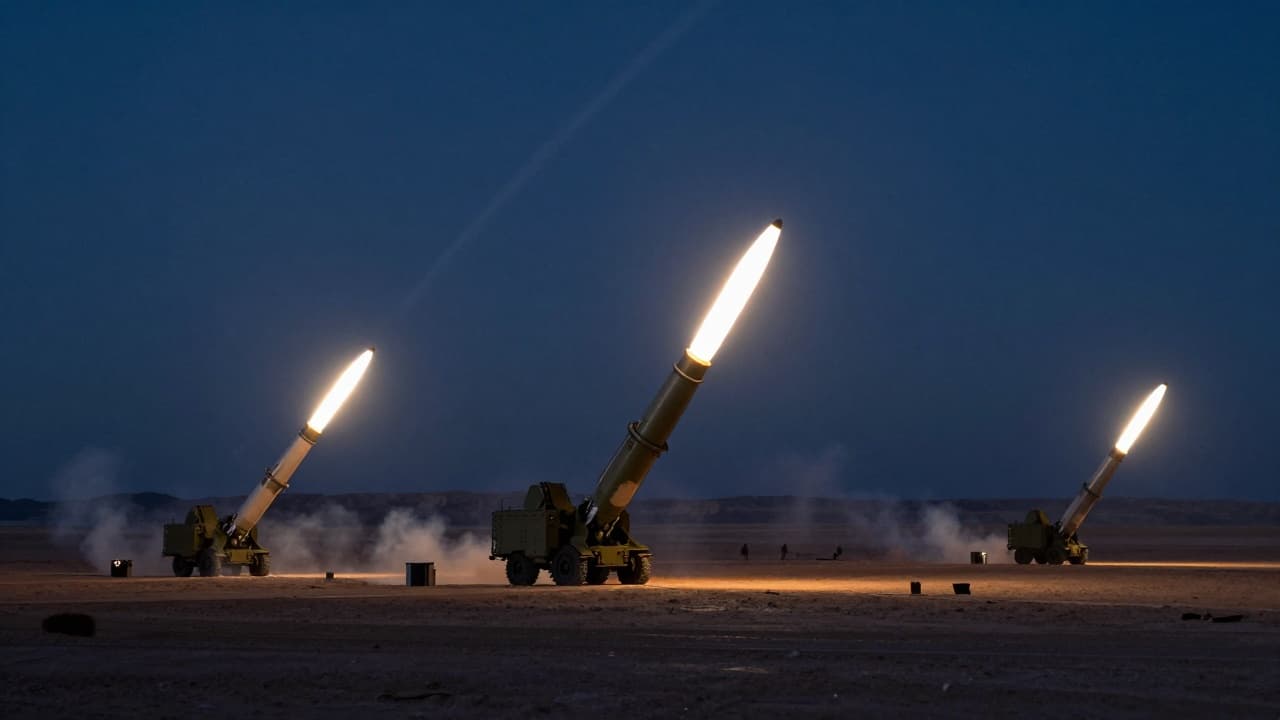
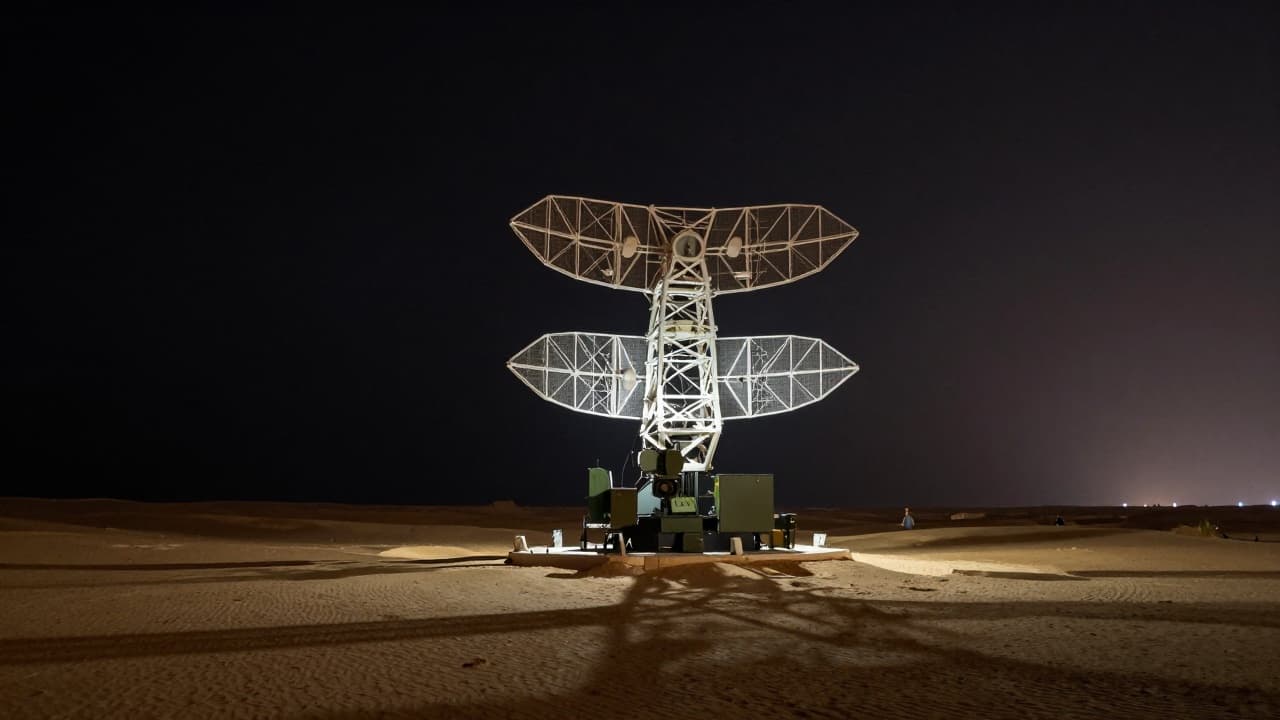
The Iranian Revolutionary Guard Corps announced that it had targeted and destroyed a US early warning radar system in Bahrain. It stated that the strike was a response to a US air attack on a communications tower in Sirik overlooking the Strait of Hormuz. This marks the first direct Iranian attack on US military installations in several months.
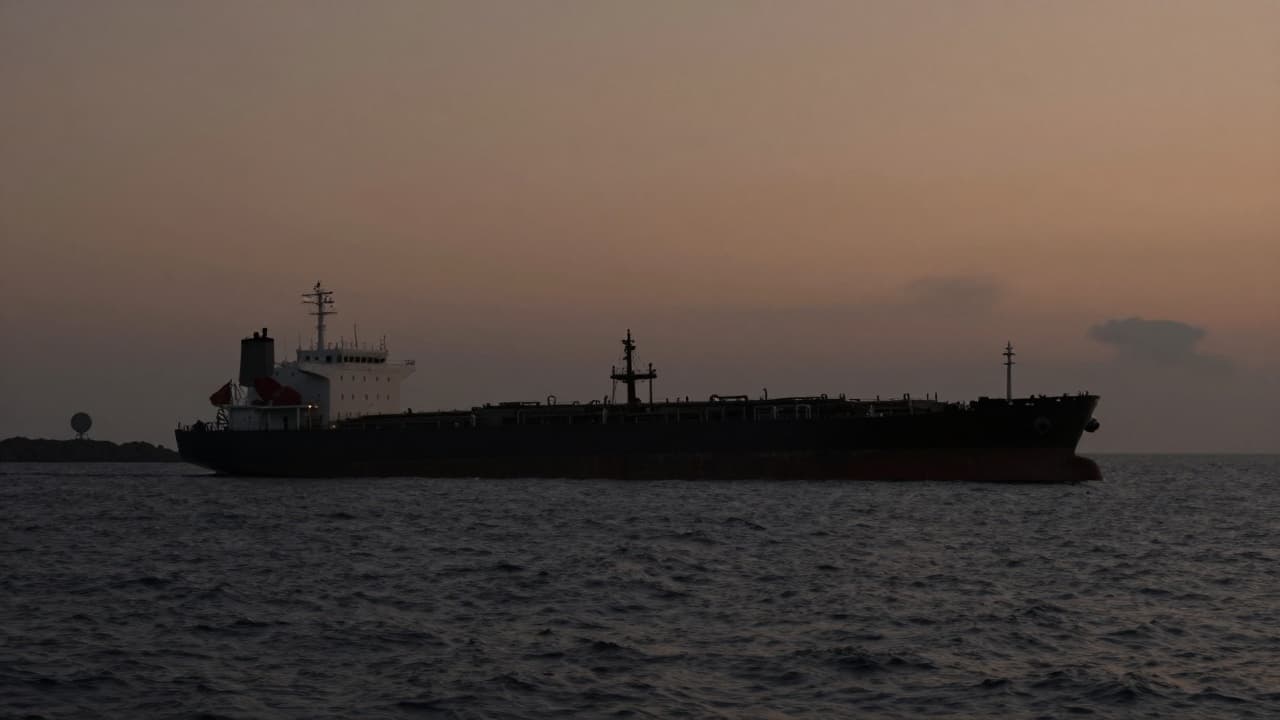
In a statement, the Revolutionary Guard Corps described the action as a "serious warning to the aggressive enemy to cease its aerial violations and oil smuggling in the Strait of Hormuz". It added that, "in the event of repeated violations and aggression, the air power of the Revolutionary Guard Corps will be fully prepared to confront the enemy without restriction".
US Central Command rejected the claims that the radar system had been destroyed. It also stated that US forces had intercepted two Iranian drones flying towards Bahrain.
Donald Trump said in a series of media interviews over the past 24 hours that he would only attack Iran if necessary. He claimed that Gulf states, such as Saudi Arabia, had urged him to refrain from planned massive military strikes. Trump also said he had asked Vice President JD Vance to pause work on negotiations for a new agreement with Iran and instead focus on corruption and fraud in cities and states led by Democrats.
Iranians had considered Vance the most reliable person close to Trump. Iranian negotiators had rejected his request for a personal meeting to discuss the terms of a peace agreement. Vance was among prominent Republicans who argued that the war had caused widespread Republican losses in the elections.
Trump said he was disappointed with the American public because higher diesel prices were a small price to pay to prevent Iran from acquiring nuclear weapons.
A survey conducted in the United Kingdom showed that 65 per cent of the British public would be opposed to the US restarting a war in Iran. Only 14 per cent of respondents would support such a move. The survey was conducted by YouGov for the Council for Arab-British Understanding (Caabu).
According to the survey, 54 per cent of respondents opposed the use of British bases for US strikes on Iran, while 29 per cent supported it. Support for additional British sanctions against Iran stood at 45 per cent, with 22 per cent opposing them. The survey was conducted on Tuesday and Wednesday this week, before two Iranians were found guilty of espionage and plotting attacks on journalists in the United Kingdom on Thursday. The Iranian embassy rejected the court verdict as an attempt to advance a political objective.
Chris Doyle, director of Caabu, stated: "The British public is sceptical about any war with Iran and what it might achieve." He added: "What might prompt the Burnham government to pay attention is the very high level of opposition to further war among Labour voters from 2024, which stands at 79 per cent."
The Iranian Assembly of Experts became the first governing institution in Iran to call for a review of the country's defence doctrine, which could potentially lead to religious permission for Iran to attempt to acquire nuclear weapons. The Assembly of Experts is a body of elected Islamic jurists responsible for selecting the Supreme Leader.
In a statement published on Thursday, the assembly called for a review of Iran's membership in the Treaty on the Non-Proliferation of Nuclear Weapons. It described this move as an "inevitable necessity" and a "public and national demand". The assembly comprises 88 members, mostly senior clerics, most of whom should be qualified for independent Islamic legal reasoning.
Iran has a long-standing ban on nuclear weapons, based on a fatwa by the late Supreme Leader Ali Khamenei. The relevance of that fatwa following US attacks on Iran has been widely questioned in political and security circles. Whether Iran possesses uranium stockpiles or technology for making nuclear weapons is disputed.
The UN nuclear inspection body expressed concern over the persistent lack of information from Iran regarding its nuclear sites. It stated: "Our concern is growing due to Iran's refusal to allow access to project information or inspections of facilities in Isfahan." It added: "We do not know the exact location of the uranium enrichment facility in Isfahan nor whether it contains nuclear materials." It concluded: "It is imperative that we conduct our verification activities in Iran without further delay."