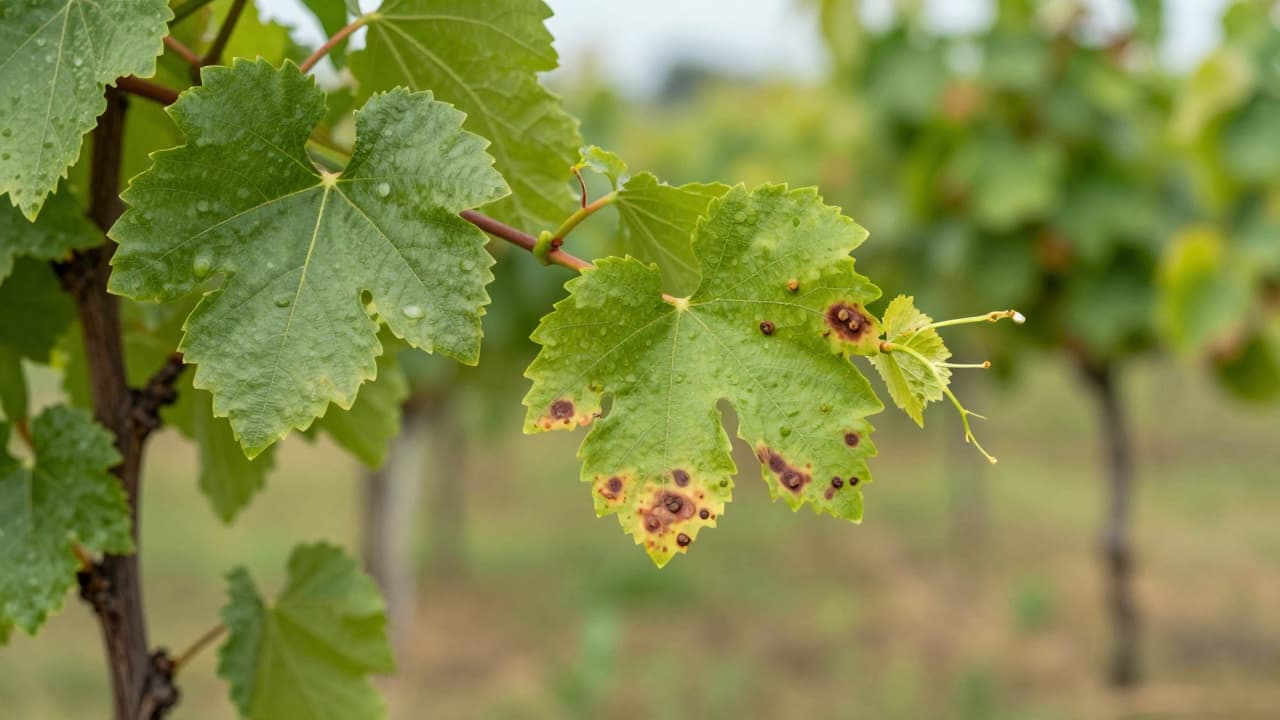
Phytosanitary inspectors from the State Inspectorate (DIRH) carried out targeted inspections of vineyards during September and the first half of October to combat golden yellowing of the vine. The disease was confirmed in 127 vineyards, and their uprooting has been ordered to prevent further spread.
As part of the operation, inspections were conducted in 133 vineyards across eight counties, with a total of 44.27 hectares of vineyards reviewed. The inspections covered Međimurska, Zagrebačka, Sisačko-moslavačka, Varaždinska, Virovitičko-podravska, Koprivničko-križevačka, Bjelovarsko-bilogorska and Istarska counties.
Golden yellowing of the vine is one of the most dangerous diseases of the vine in Europe. The disease causes the withering of vines, a reduction in grape yields and quality, and an increase in production costs, while in severe cases it leads to the abandonment of viticulture. The disease is actively spreading in Croatian vineyards via its vector, the American cicada, and there is increasing evidence that it attacks other plant species, such as hazelnut and others.
Targeted inspections were conducted primarily in infected viticultural areas to verify the implementation of prescribed phytosanitary measures and to prevent the further spread of the disease. The Plant Health Act prescribes financial penalties for failing to meet legal obligations. Penalties relate, among other things, to the failure to submit data and documentation required for inspection, the failure to report the occurrence of a quarantine pest, and the failure to implement ordered phytosanitary measures within the prescribed timeframe.
Penalties range from 1,990 to 3,890 euros for a legal entity, from 660 to 920 euros for a responsible person within a legal entity, and from 330 to 460 euros for a natural person. Phytosanitary inspectors inspect vineyards throughout the entire growing season, and inspection activities will continue in the coming period.
DIRH continuously carries out activities aimed at curbing the spread of the golden yellowing epiphytotic and protecting viticultural production. Timely identification of the source of infection and the consistent implementation of prescribed phytosanitary measures are key to preserving viticulture and winemaking as an important economic activity of the Republic of Croatia.