Studenac (Studenac) management board chair Teo Vujčić stated that the implemented changes aimed at reducing operating costs will yield annual savings of €33 million. With additional measures from 2027, a total annual impact of €41 million is expected.
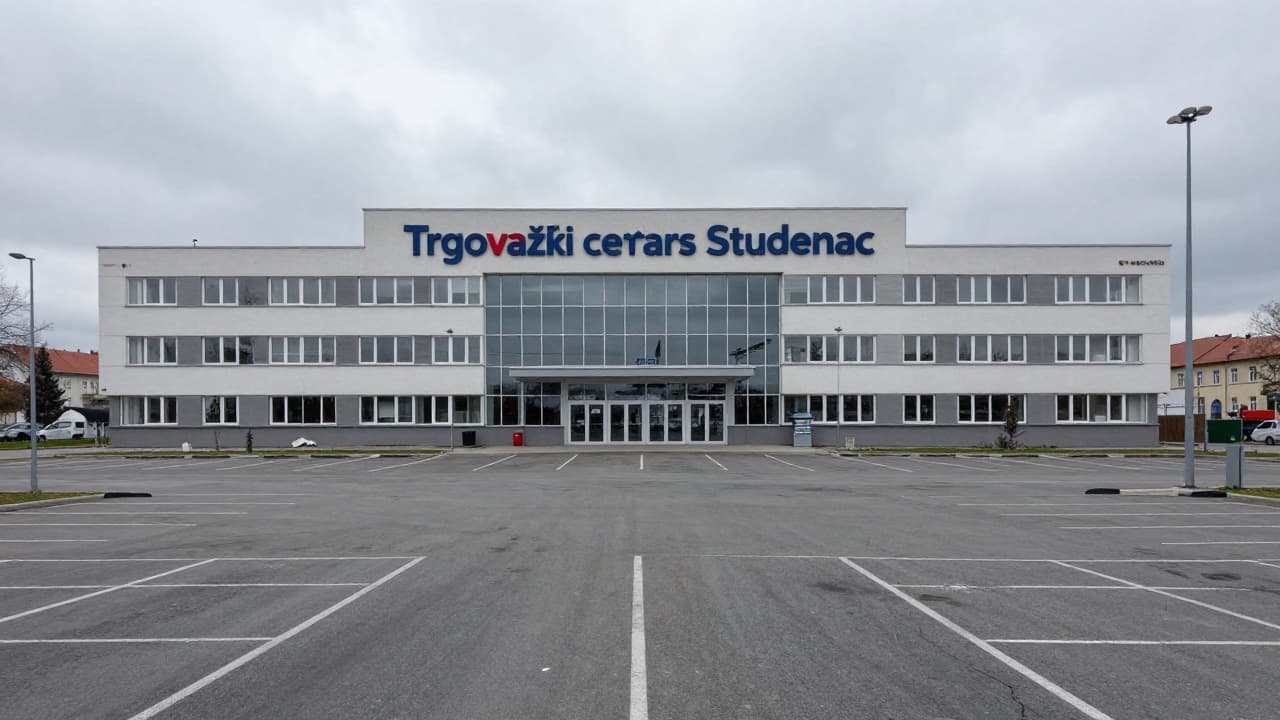
Studenac will permanently close 79 stores, fewer than the 106 previously mentioned. Management said that numerous local authorities contacted them, requesting that stores which are the only ones in a village remain open. Due to social sensitivity, the company will retain some unprofitable branches.
The five implemented measures bring expected annual savings of €33 million, and the operational changes were carried out in less than a month from the opening of the pre-bankruptcy proceedings. These changes are intended to serve as the basis for drafting the restructuring plan. The largest individual saving, €16.3 million annually, is expected to come from the reorganisation of logistics. Studenac has halted further centralisation of deliveries and established a hybrid supply model: 75 per cent of goods will be delivered directly to stores by suppliers, while the remaining 25 per cent will go through Studenac’s warehouses. Optimisation of teams at the headquarters is expected to bring €7 million annually, other reductions in operating costs €5 million, the closure of unprofitable stores €3 million, and optimisation of the vehicle fleet €2 million. Studenac has abolished wholesale as a separate business segment and focused on retail. An additional approximately €8 million annually is expected from more efficient inventory management and a reduction in stock shortages and write-offs. These measures are in preparation, with the impact expected from 2027.
It is not yet known how many workers will lose their jobs. In logistics, the number of jobs has been reduced by 348, leaving 181 after reorganisation. In stores and wholesale, the number of jobs has been optimised by 380, and in administration, including managerial functions, it has been reduced by 185, or approximately 40 per cent. These figures refer to optimised job positions, not the final number of people who will be dismissed. Consultations with social partners and the determination of the final surplus of employees are still ongoing. Most employees of the stores being closed will continue working in nearby Studenac branches.
The company’s presentation states that employees in the process up to the formal delivery of dismissal and the start of the notice period are relieved of the obligation to work, and that all their rights are respected during that period. Studenac is agreeing on possibilities for continuing the employment of some staff in domestic logistics companies or through an employment agency, while some employees continue working in Studenac stores. Company representatives said they believe that workers who lose their jobs will quickly find new ones, and that some companies have already enquired about them.
Studenac is in talks with lenders and potential equity investors regarding the refinancing of financial obligations and securing new funds. The company expects the first tranche of interim financing for operations in December, and full refinancing and an agreement with creditors is planned between February and April 2027. Vujčić said that the operational changes must be accompanied by a financial solution. “In a very short period, we have implemented extensive changes and made a significant step towards more rational and efficient business. It is now crucial that this operational turnaround is accompanied by a financial solution,” he stated. He added that it is important for them to reach a sustainable agreement with suppliers to re-establish a stable and long-term business relationship. The company says that agreements with suppliers on more regular deliveries are progressing and that positive shifts are visible on the shelves, with the priority being to ensure the availability of key products. In the long term, Studenac plans to adapt its assortment to customer needs and store formats, manage inventory more efficiently, and stabilise payment terms to suppliers. The hearing for the examination of creditors’ claims is scheduled for 10 February 2027.