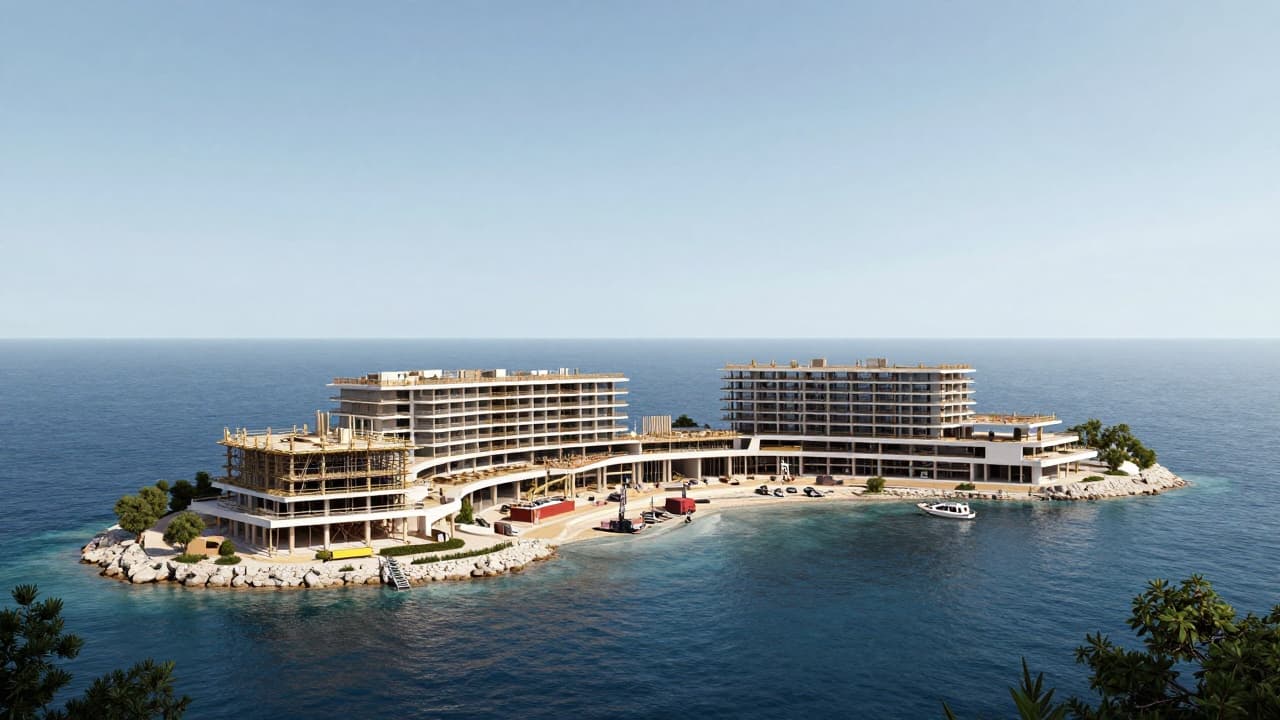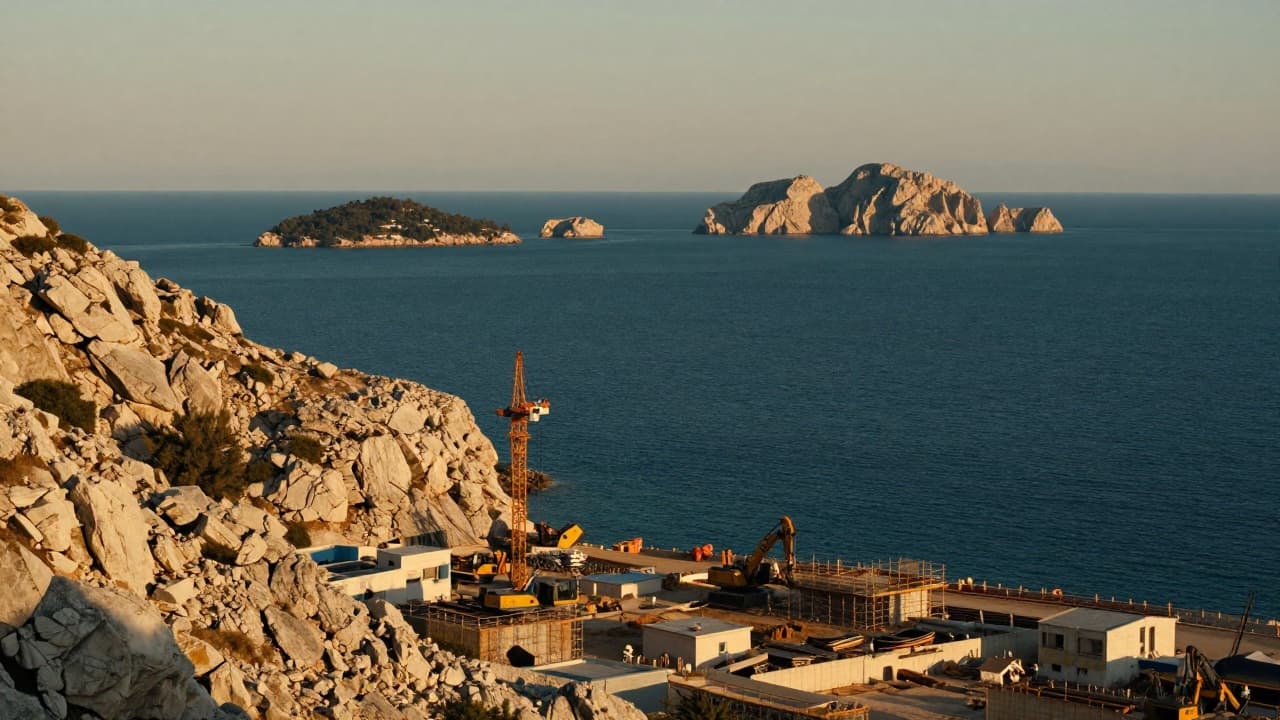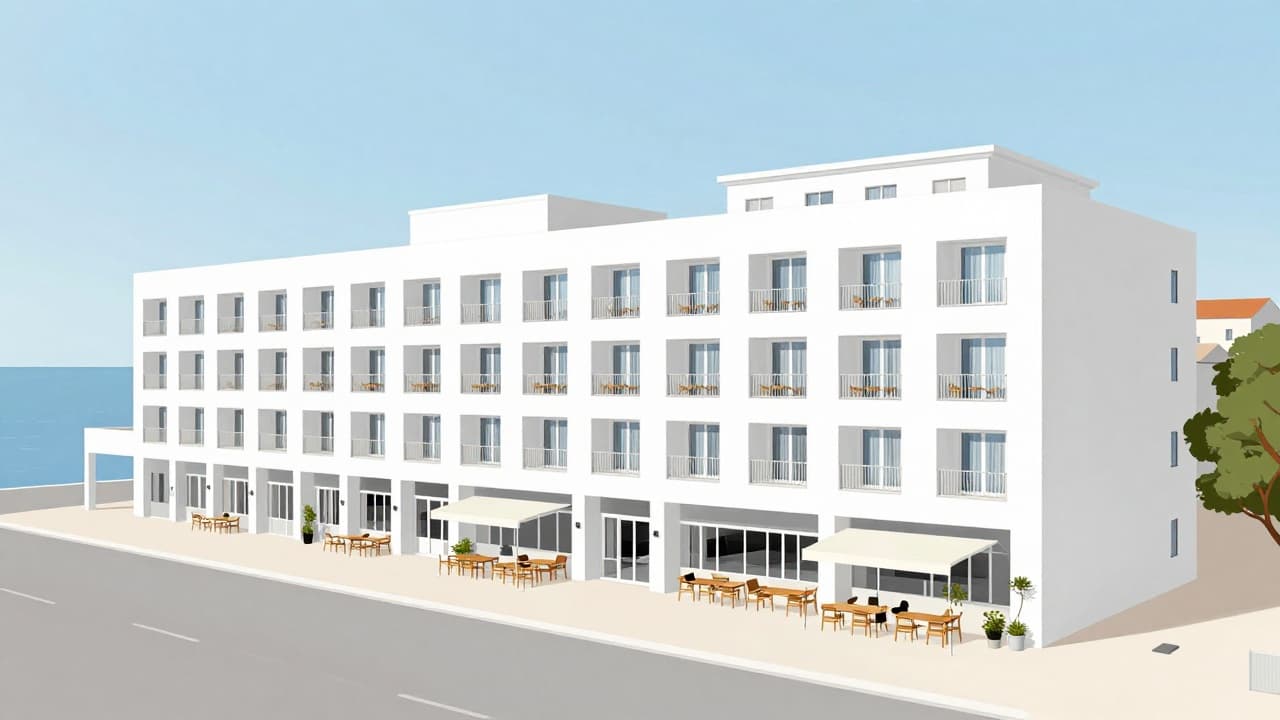
Međimurje family firm Sobočan from Mursko Središće has furnished the interiors of the newly opened Resort Pical in Poreč, completing one of the largest investments in Croatian tourism worth €200m. Resort Pical is part of the Valamar hotel chain, and the complex consists of three buildings: Pical Family Hotel, Pical Hotel and Pical Suites, with a total accommodation capacity of 1,650 guests.
Sobočan’s work included equipment, interior decoration and assembly, with a large portion of the equipment manufactured and assembled in Mursko Središće. In addition to Resort Pical, the company worked this year on the Pelegrin hotel in Umag, Luxury Resorts Imperijal Riviera on Rab, the Garden Istra hotel in Umag, and Mövenpick Hotel & Residences.
Over the past five years, Sobočan has more than doubled its revenue – rising from €13.7m in 2020 to more than €27m in 2025. The number of employees increased from 180 to 224, a growth of around 24 per cent. The company began operations in 2000 in Hlapičina with five employees, and is now among the leading furniture and equipment manufacturers in this part of Europe.
Production in Mursko Središće is divided into sectors for wood, metal and plexiglass processing, as well as upholstery, and the company has its own paint shop with modern technology. The company operates its own Design studio with six specialists, while the technical preparation team consists of 20 engineers. The average age of workers is 37.5 years, and the company has had its own educational centre InTeC since 2015, providing scholarships to pupils and students.
Sobočan furnishes hotels, petrol stations and service stations, as well as retail food and “non-food” spaces. The company organises joint gatherings twice a year – on 12 December a tent is set up for employees’ children, with catering, music and gifts, and Father Christmas will distribute 136 presents. In June, the gathering is held at the pond behind the factory, where volleyball and bocce courts have been set up, and drawings by employees’ children are displayed in the factory corridors.
The green transition began in 2016 with the construction of a facility for burning wood waste from production. A solar power plant with a capacity of 1.4 MW on the roofs covers 60 per cent of production energy needs. The company plans to build a fifth hall of 2,000 m² as a warehouse, with completion in February next year, and to invest in recycled materials and further develop cooperation with partners.