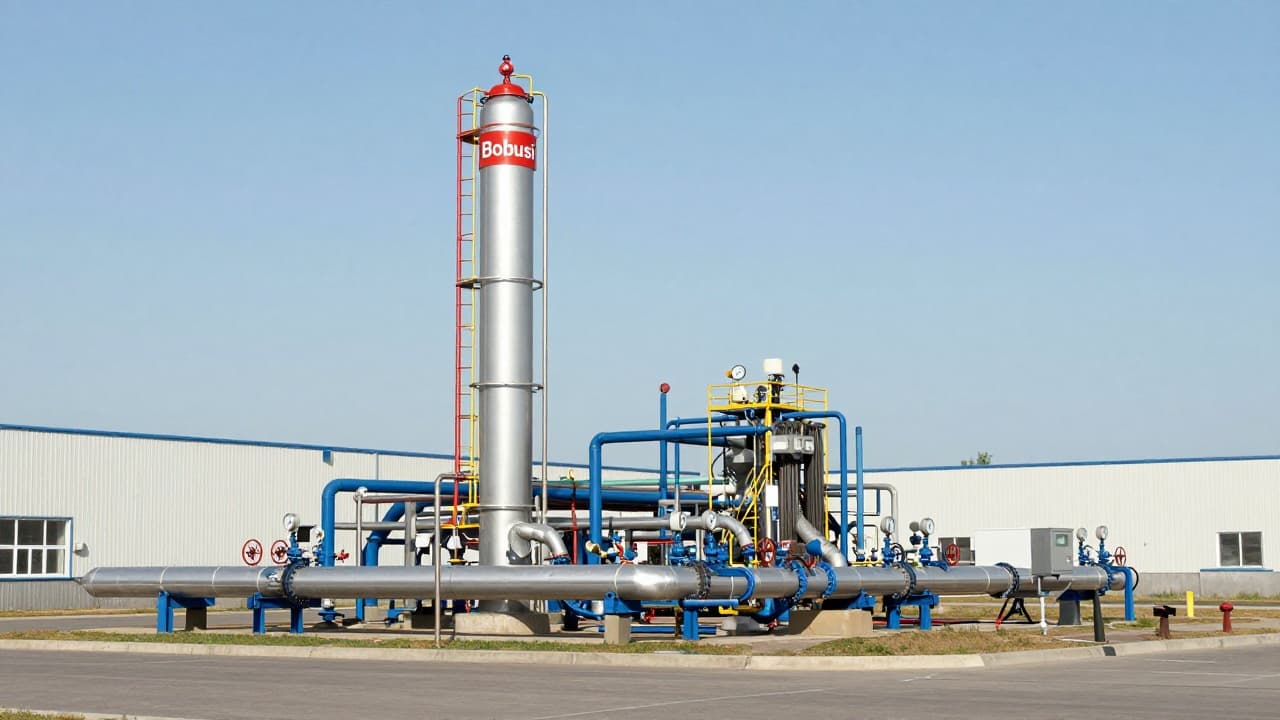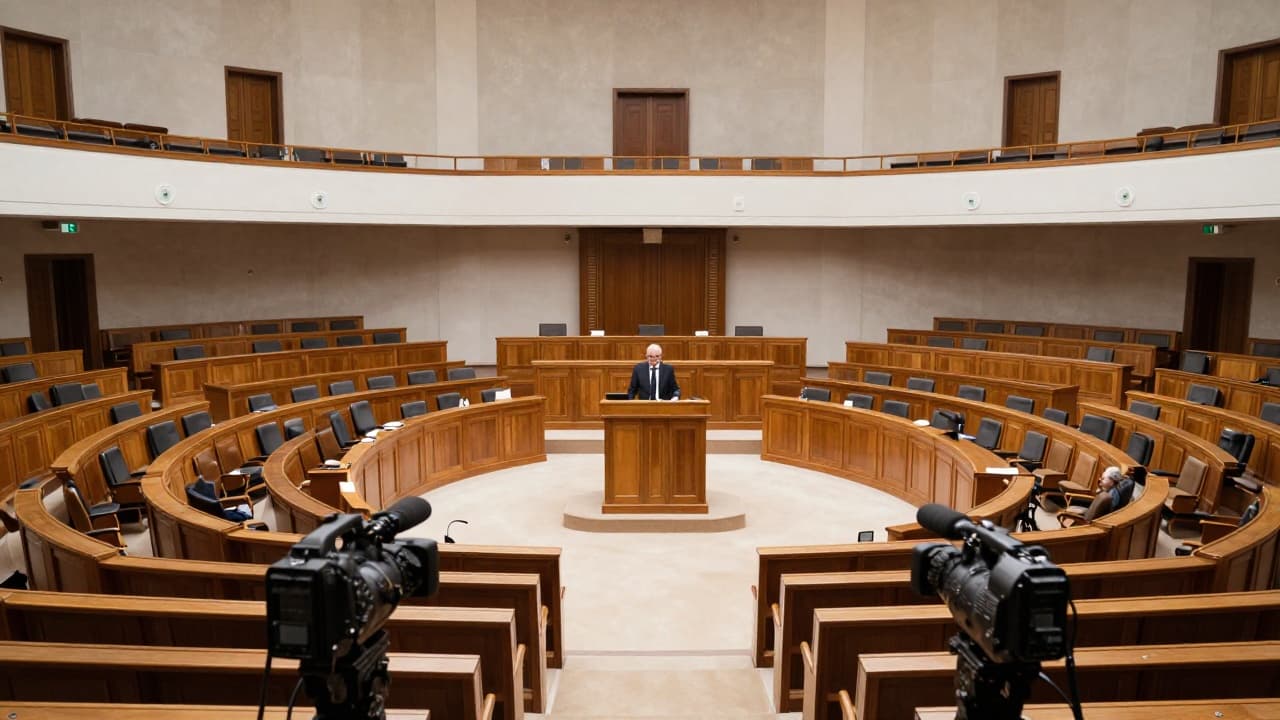
Croatian Parliament (Sabor) MP Zvonimir Troskot of the Most party has proposed the construction of a gas-fired power plant in Rijeka, arguing that it could cover a significant portion of the current shortfall in domestic electricity production. He cited the proximity of the LNG terminal on Krk as a key advantage.
Troskot presented data indicating that Croatia consumes approximately 18 terawatt-hours (TWh) of electricity annually, while producing around 13 TWh. Electricity imports therefore amount to roughly 5.7 TWh, of which about 2.5 TWh relates to the Krško Nuclear Power Plant, leaving 'net' imports at approximately 3 TWh. According to his estimate, a gas-fired power plant in Rijeka would offset these imports, reducing them to zero.
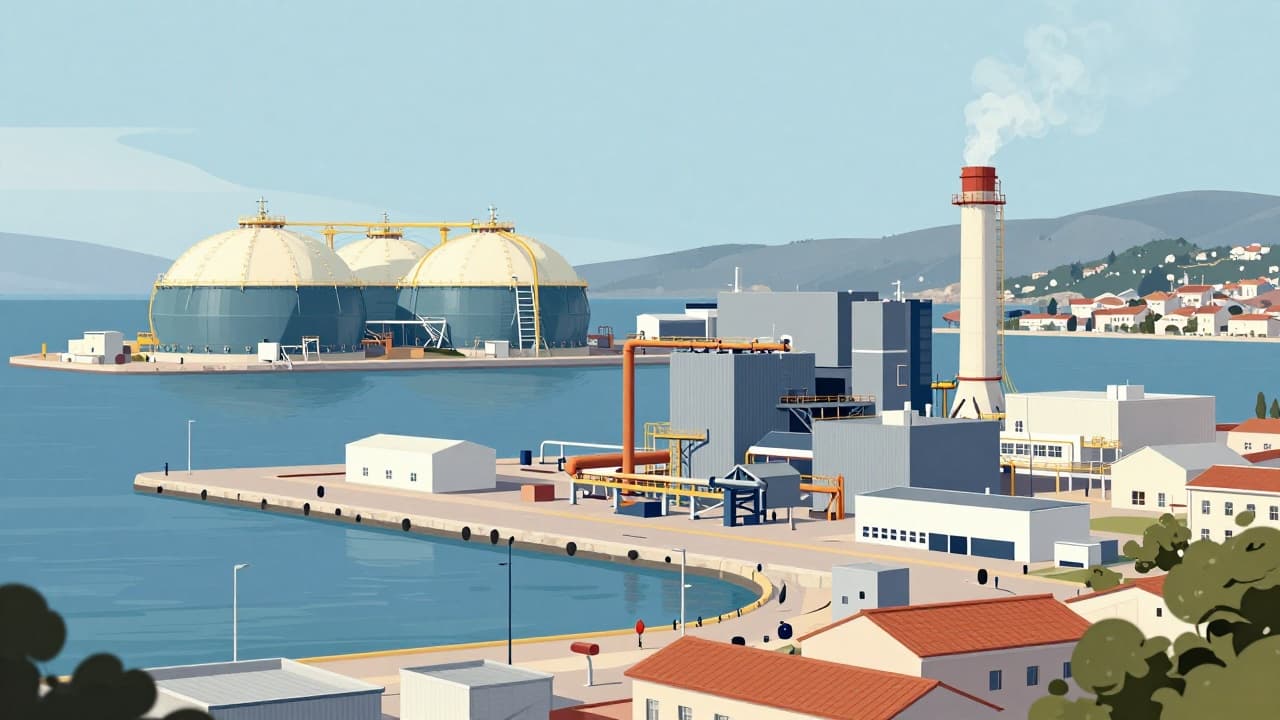
He considers Rijeka a suitable location due to its industrial infrastructure and proximity to the LNG terminal in Omišalj on the island of Krk. He proposes that a portion of the gas arriving via the LNG terminal be used for electricity generation in Croatia, rather than Omišalj serving solely as a transit zone. Troskot did not provide data on the planned capacity of the power plant, construction costs, or potential completion timeline.
He also warned about the planned construction of a large data centre in Topusko, which he believes will further increase Croatia's electricity needs. According to his estimate, supplying that centre would require two nuclear power plants. During the summer months, he claimed, citing data from the Croatian Transmission System Operator (HOPS), electricity imports reach 60 per cent.
Troskot also criticised the operations of Croatian Electricity Company (HEP), asserting that the state-owned company can no longer obtain bank loans without state guarantees. He believes HEP's financial problems are the result of erroneous energy policies and warns that citizens may ultimately bear the costs. Most therefore demands the public disclosure of data on the average price at which HEP purchases electricity.
Troskot described Croatia's energy transition as a fraud. In his view, renewable energy sources should not form the basis of the national power system; instead, base-load generation should be ensured by gas-fired and nuclear power plants, with renewables serving as an alternative solution in case of issues with gas and nuclear facilities.