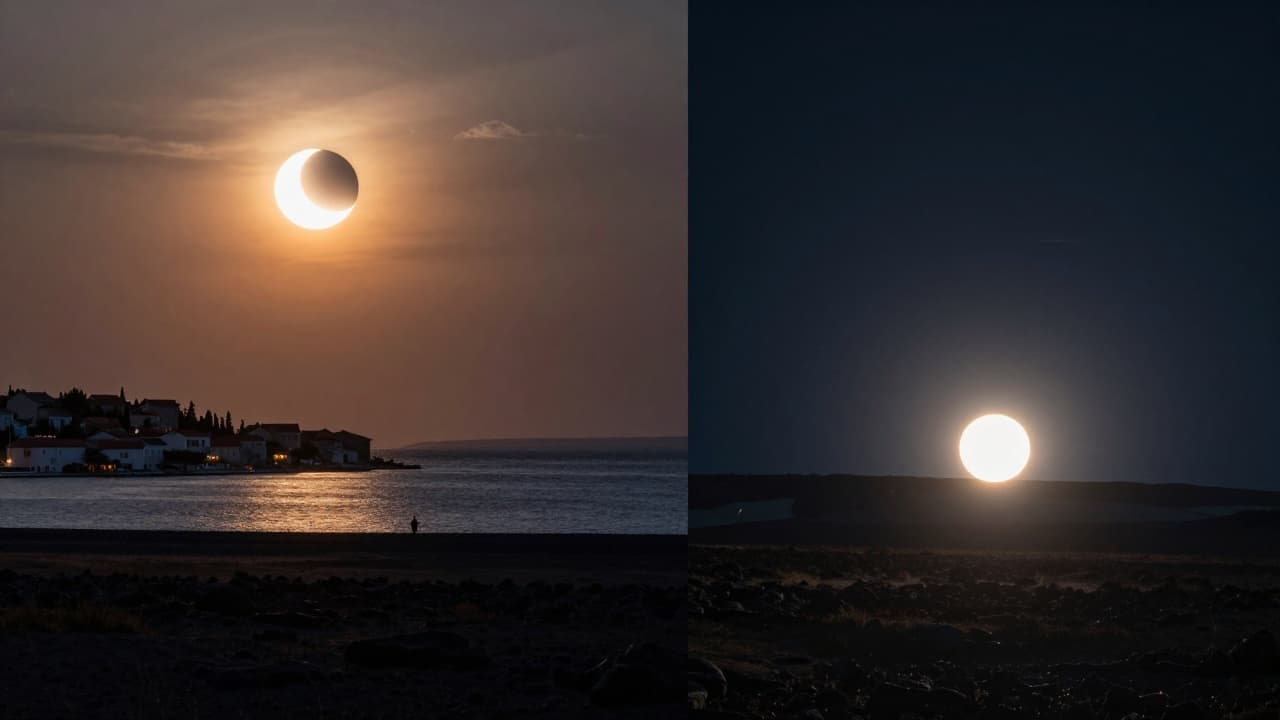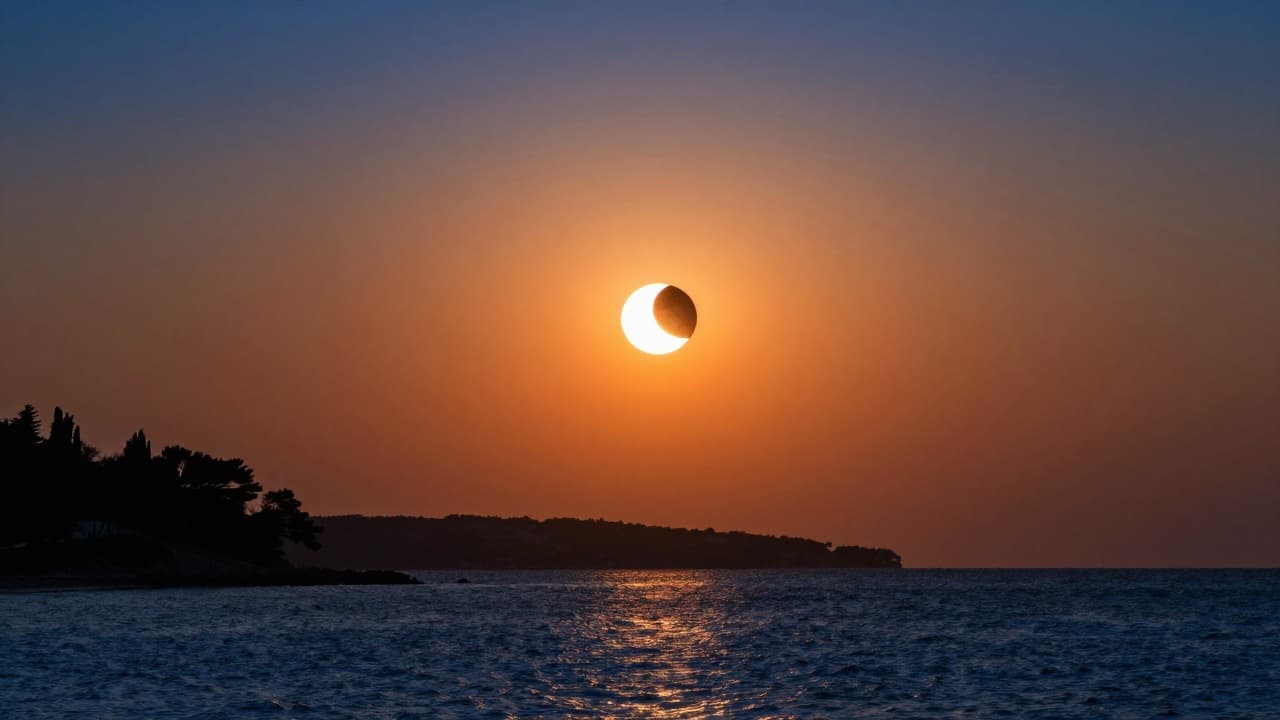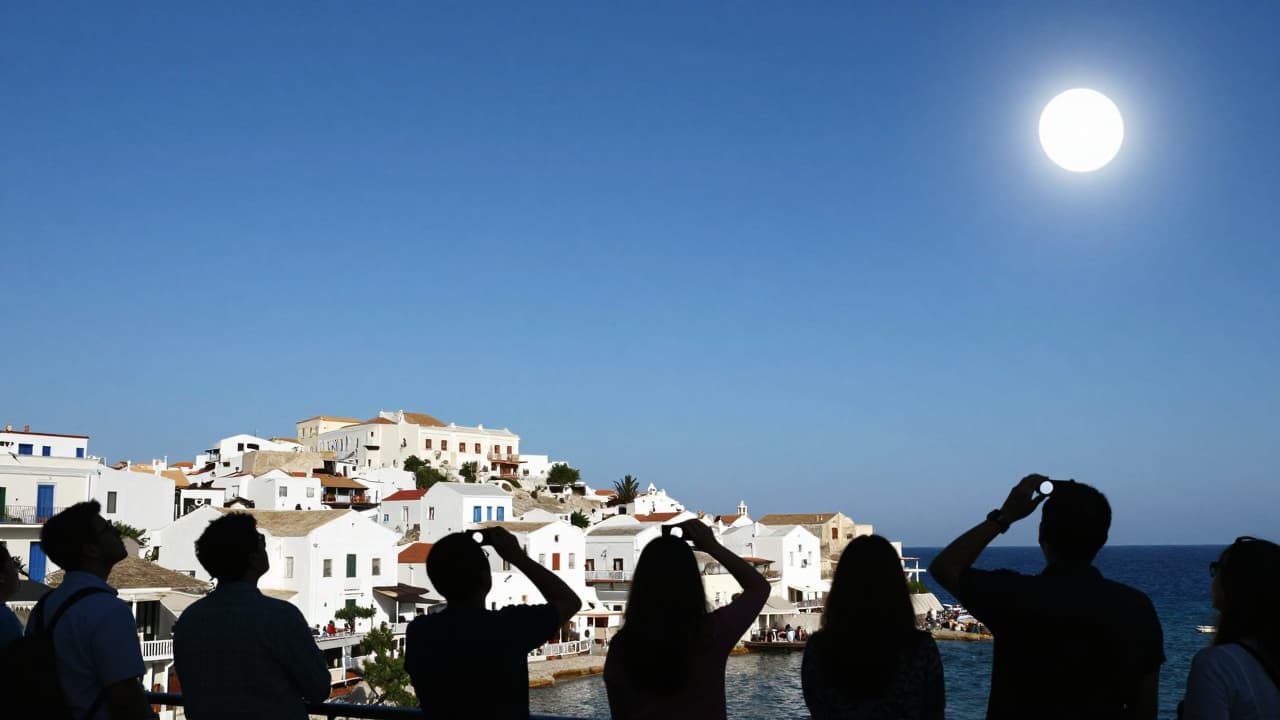
A partial solar eclipse was visible yesterday in many parts of Croatia, providing citizens with the opportunity to observe this celestial event. The phenomenon could be seen in various parts of the country, from northern to southern regions, indicating widespread visibility within the state's borders.
The capital, Zagreb, was one of the places from which the eclipse could be observed. In addition to the city centre itself, the phenomenon was visible in Novi Zagreb and in neighbouring settlements such as Sesvete and Ivanić-Grad. This fact confirms that the phenomenon was available to observers in the wider Zagreb area.
In central Dalmatia, the eclipse was visible in Split, as well as in the surrounding towns of Solina and Zadar. Observers could also follow the phenomenon in Brodarica, while in the hinterland it was visible in Zagvozd. These figures indicate that many Dalmatian towns had clear visibility of the celestial event.
Islanders also had the opportunity to observe the eclipse. The phenomenon was visible on Brač and Hvar, as well as on smaller islands such as Zlarin. In coastal areas, the phenomenon could be seen in Komiža and Vela Luka, locations known for their exposure to the sky.
In western Croatia, the eclipse was visible in Kastav and Karlovac. On the Istrian peninsula, the phenomenon could be observed in Vrsar, while in the Istrian hinterland it was visible in Lovreć and Sveti Filip i Jakov. Additionally, the phenomenon was recorded in Mali Lošinj, extending the geographical range of visibility to the north-western part of the country.
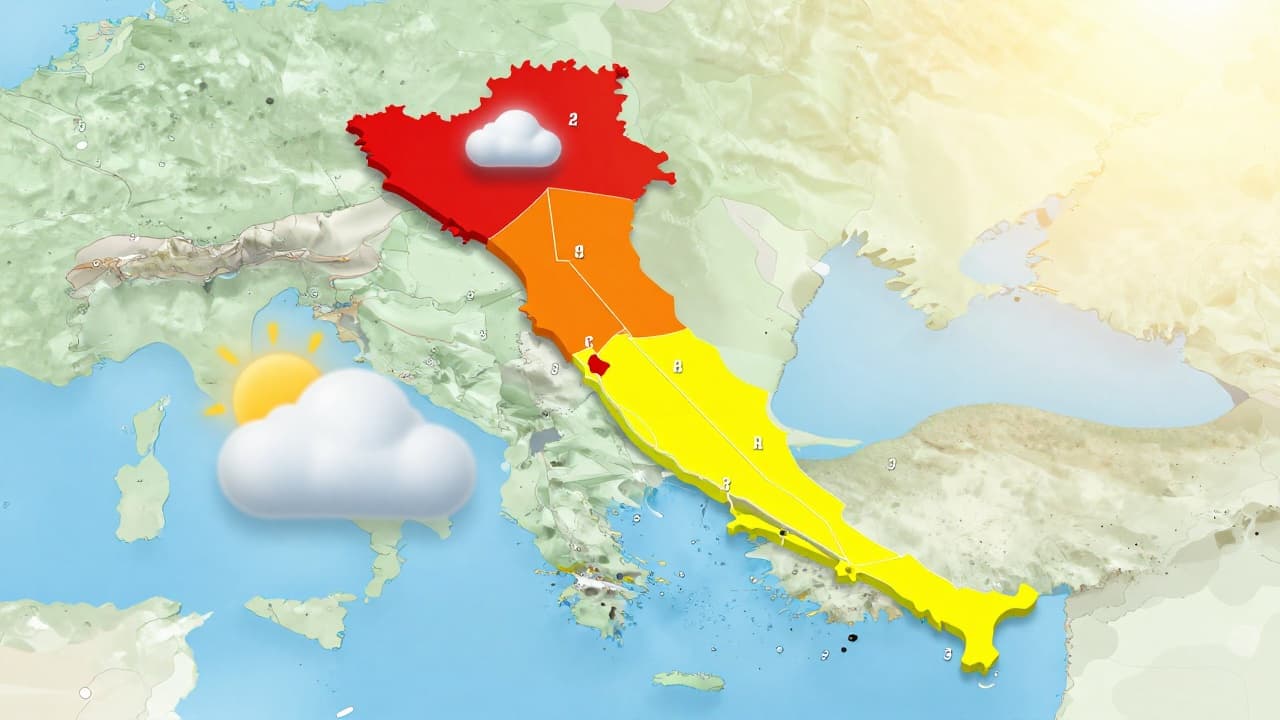
All the aforementioned locations confirm that the partial solar eclipse was a widespread phenomenon that affected different parts of Croatia, from continental centres to coastal towns and islands.