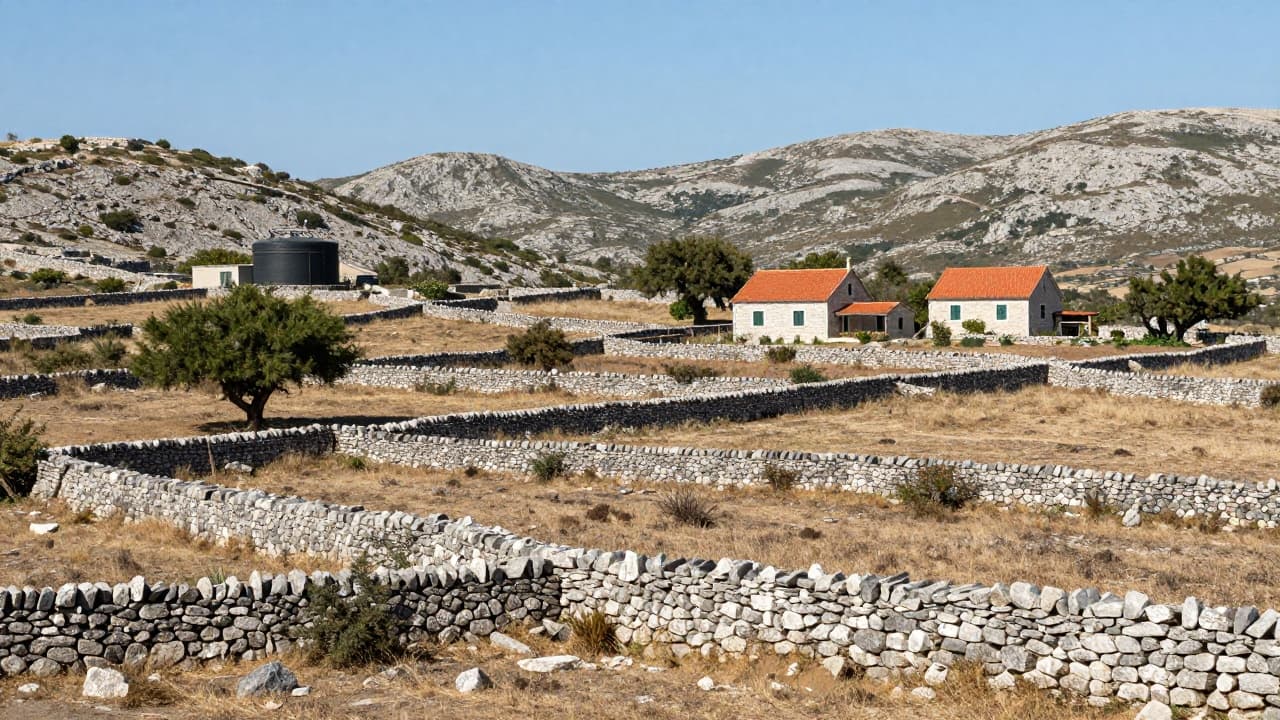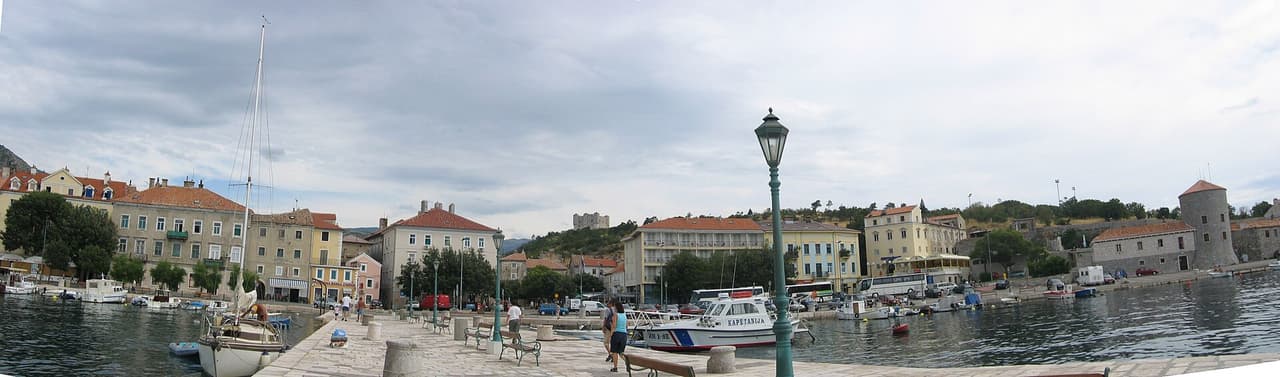
In the area of the City of Senj, there are still settlements and parts of settlements where residents do not have the option to connect to the public water supply. The City of Senj therefore proposes co-financing half of the costs of water delivery, according to a draft decision published on 26 October. Public consultation on the document ends on 26 November.
Under the proposed rules, the City would cover 50 per cent of the costs of water and its transport, while users would pay the other half. Aid would be available to residents who have a registered residence in the Senj area, who live there and who do not have the possibility of connecting to the public water network. Tradespeople, landlords and holders of family farms are explicitly excluded from the proposed co-financing. This means that a resident living in a house without water mains, but who has a registered family farm, would, under the current proposal, be left without aid for water needed for their own household, while their neighbour, if they meet the other conditions, could receive aid.
It is not possible to determine from the published documents how many households are without a connection, what such supply would cost, or when residents could receive water from the public network. It is also unclear how much the new measure will cost the city budget. The explanation states that the cost will depend on the number of users, the quantity of water, transport and the current price list, but there is no approximate annual estimate of the cost of the new measure. There is also ambiguity in the decision text regarding calculation: one article refers to half of the total cost of water and transport, while another specifically mentions co-financing part of the transport cost.
The City of Senj already has a special programme for co-financing water transport for farmers. The agricultural support programme for the period from 2026 to 2030 provides for covering 70 per cent of water transport costs, up to a maximum of 170 euros per month, for holdings with a larger number of livestock, and 40 per cent of costs, up to a maximum of 100 euros per month, for holdings with a smaller number of animals. These are two different measures, one intended for agricultural production and the other for housing.
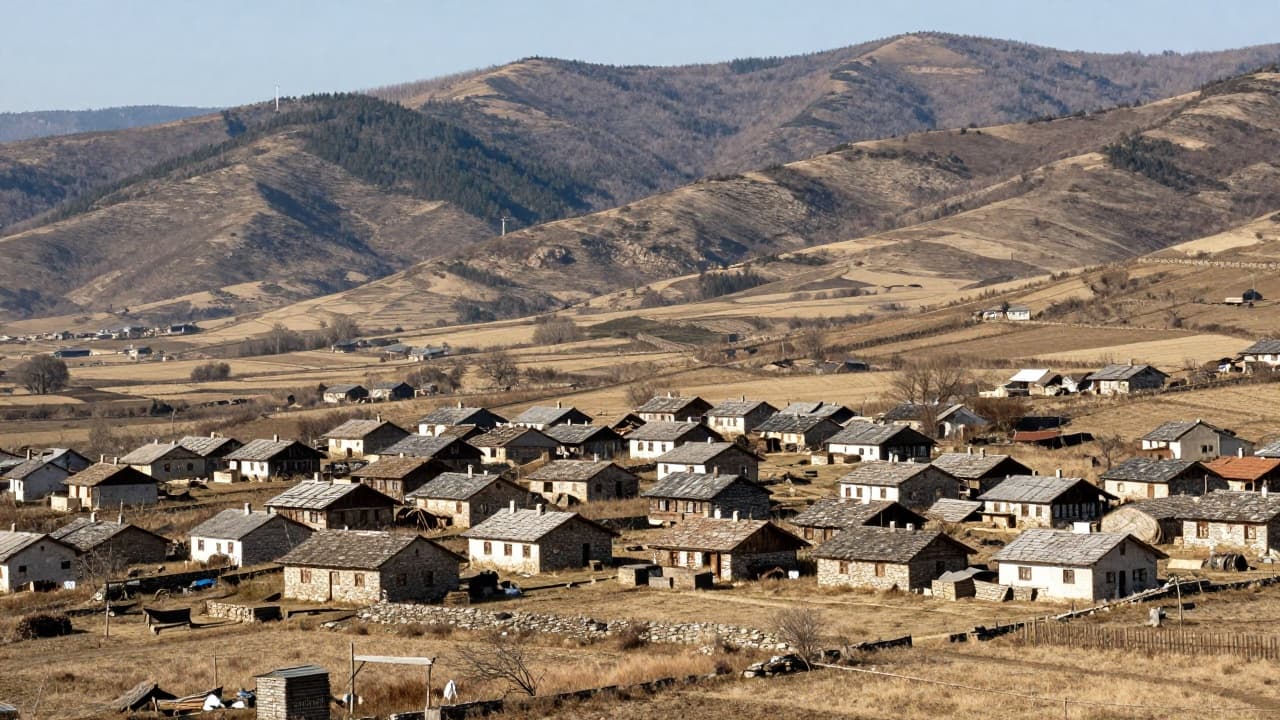
The 2006 spatial development plan of the City of Senj listed Prizna, Kladu, Starigrad, parts of Jablanac and a number of smaller Velebit hamlets among areas without public water supply. In its 2026 budget guide, the City lists the Ivetići – Glavaši Water Supply project among its key investments. It is not clear from the draft decision on water delivery whether there is a comprehensive plan for the remaining areas without connections, which settlements are a priority, or when residents could expect a permanent solution.
Lika Express requested data from the City of Senj on 20 November regarding settlements and the number of households without water, the costs of water delivery and planned budget allocations, the reasons for excluding certain groups from aid, and plans and deadlines for extending the water network. By 25 November, when the check was concluded, no responses had been received, and the City did not answer the journalistic inquiry.