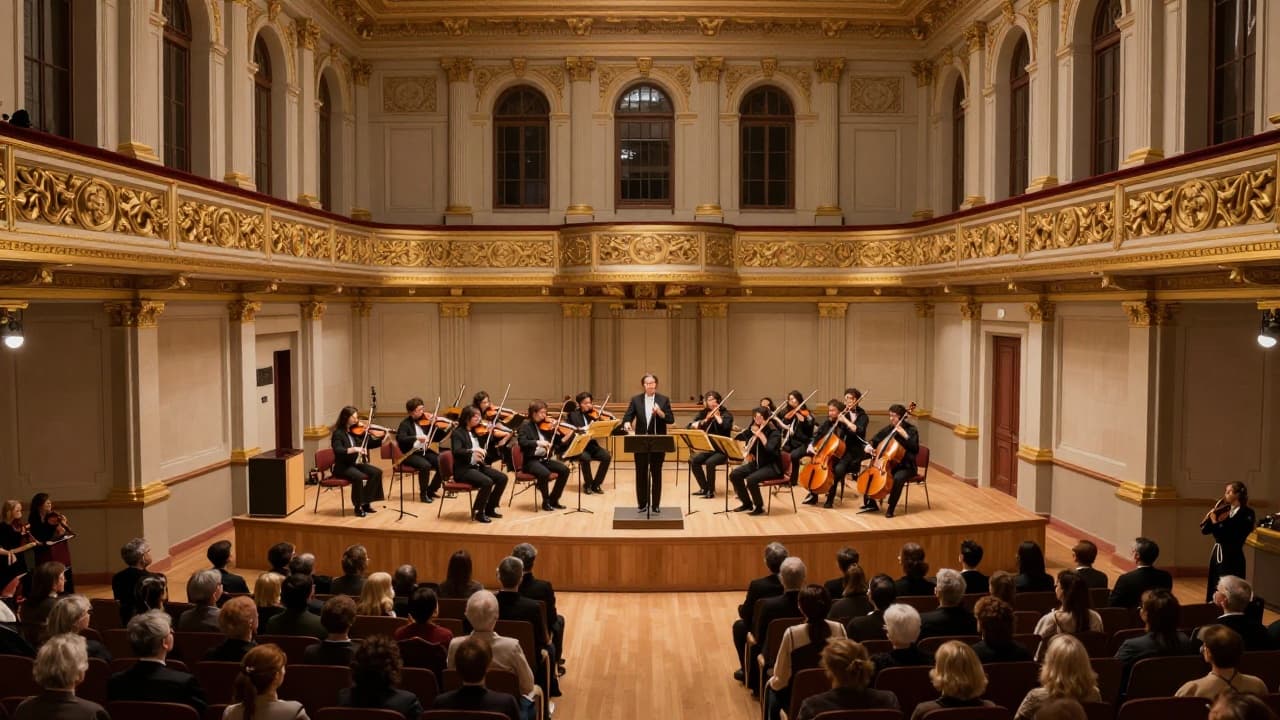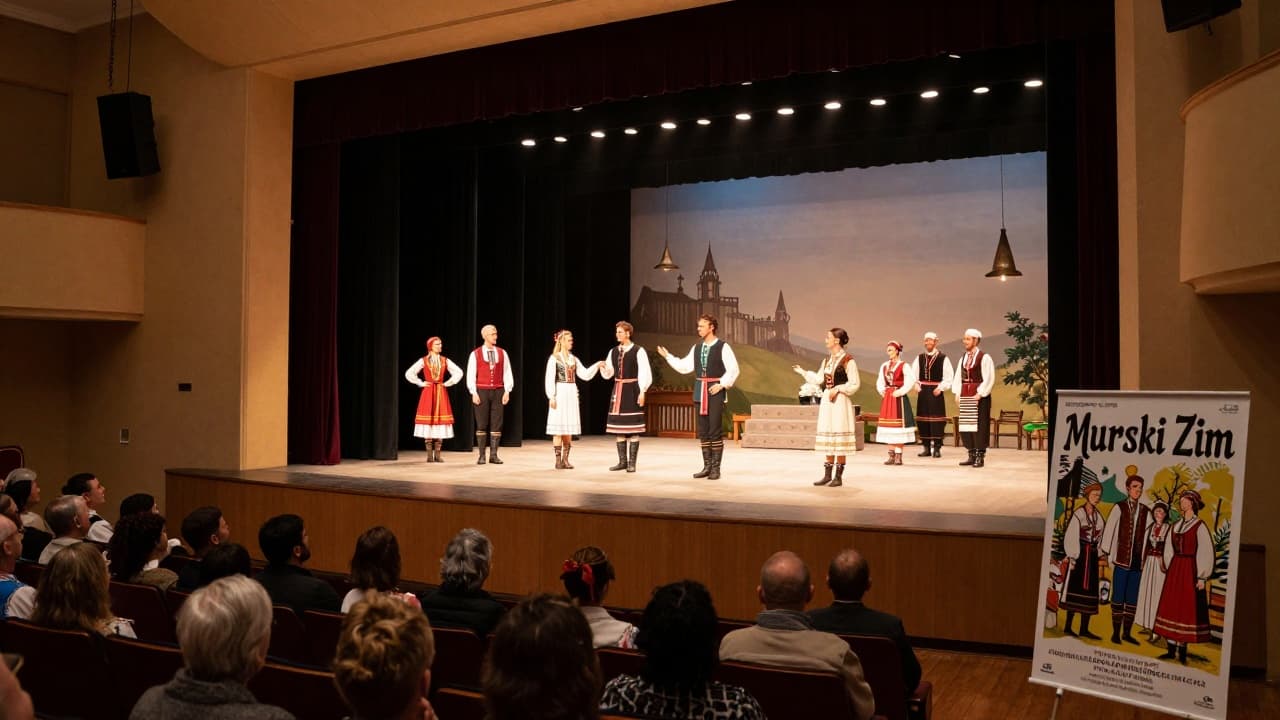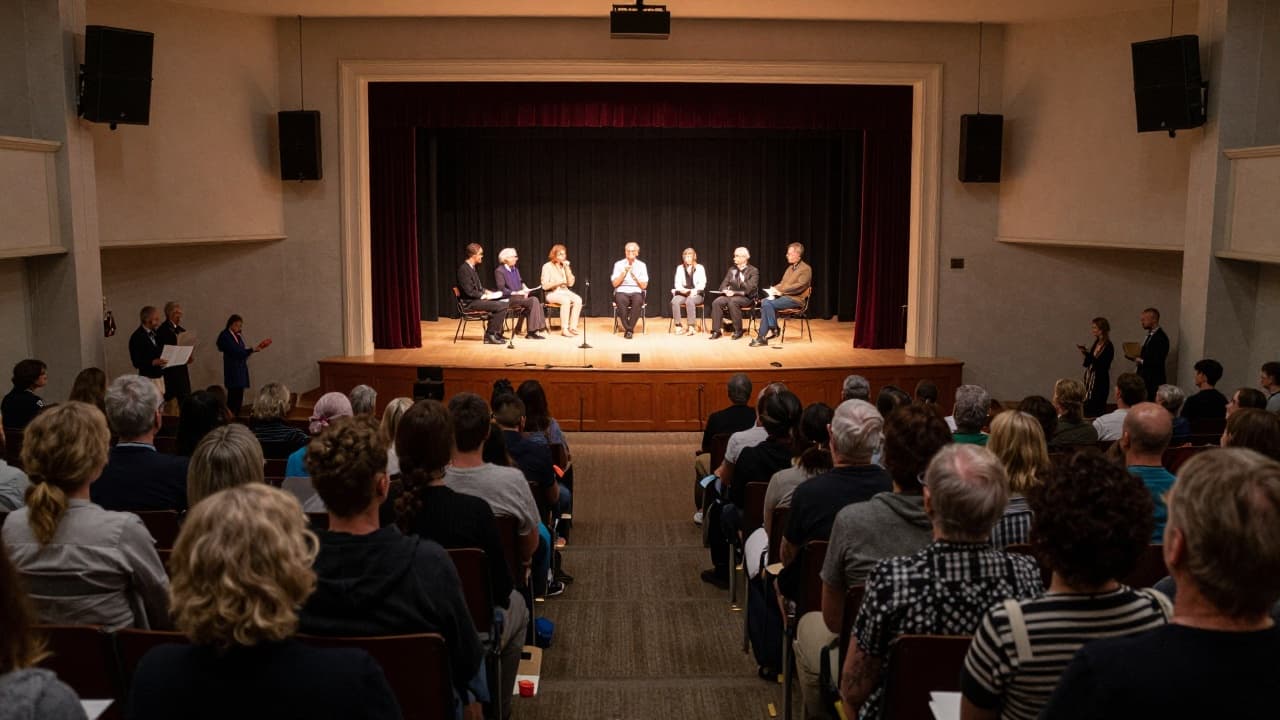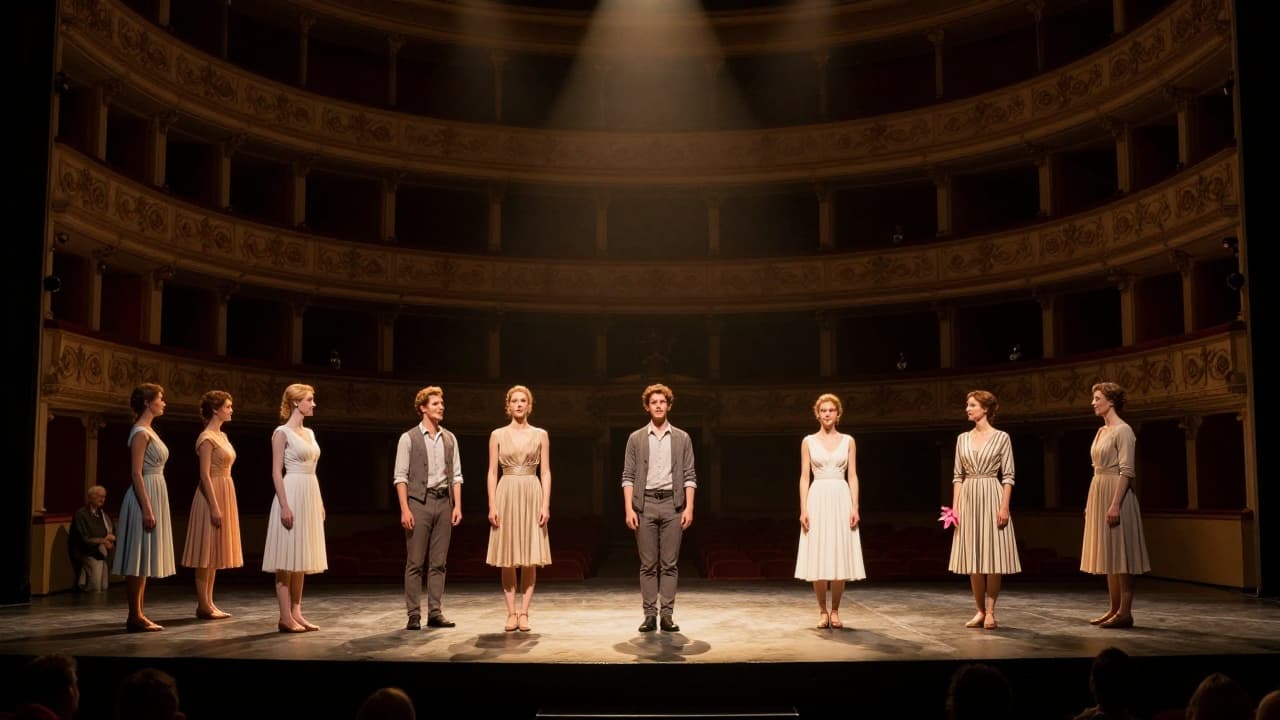
The Italian drama in Rijeka marks its 80th anniversary of operation this year, and on this occasion, acting director Noemi Dessardo gave an interview to Večernji list. In the conversation, she spoke about a family history marked by war, Fiuman identity, growing up in a bilingual environment and the theatre she now leads.
Dessardo grew up in a family of Rijeka Italians, or Fiumans, who have lived in Rijeka for generations. Fiuman was spoken in their home, and her parents wanted her and her sister to learn Croatian in addition to the language and culture of their community. They enrolled them in a Croatian kindergarten, after which Noemi attended an Italian primary school, and later she herself wished to enrol in a Croatian secondary school, which her parents supported.
Her grandmother was born in 1942 and as a girl ended up in a camp in Italy with her mother. Her father was an Italian partisan who participated in the demining of the Rijeka area, where he lost his life. These events were not much discussed in the family, and her grandmother is still alive today but does not wish to open up painful memories. Dessardo decided as a child to respect her silence.
She studied theatre studies and multimedia production in Bologna, and also completed dance pedagogy. In Italy, she worked as an assistant to directors, and after returning to Croatia, she continued her professional path in theatre. She was employed at the Italian drama in 2020 and took over the production of plays, and in May 2026 became acting director.
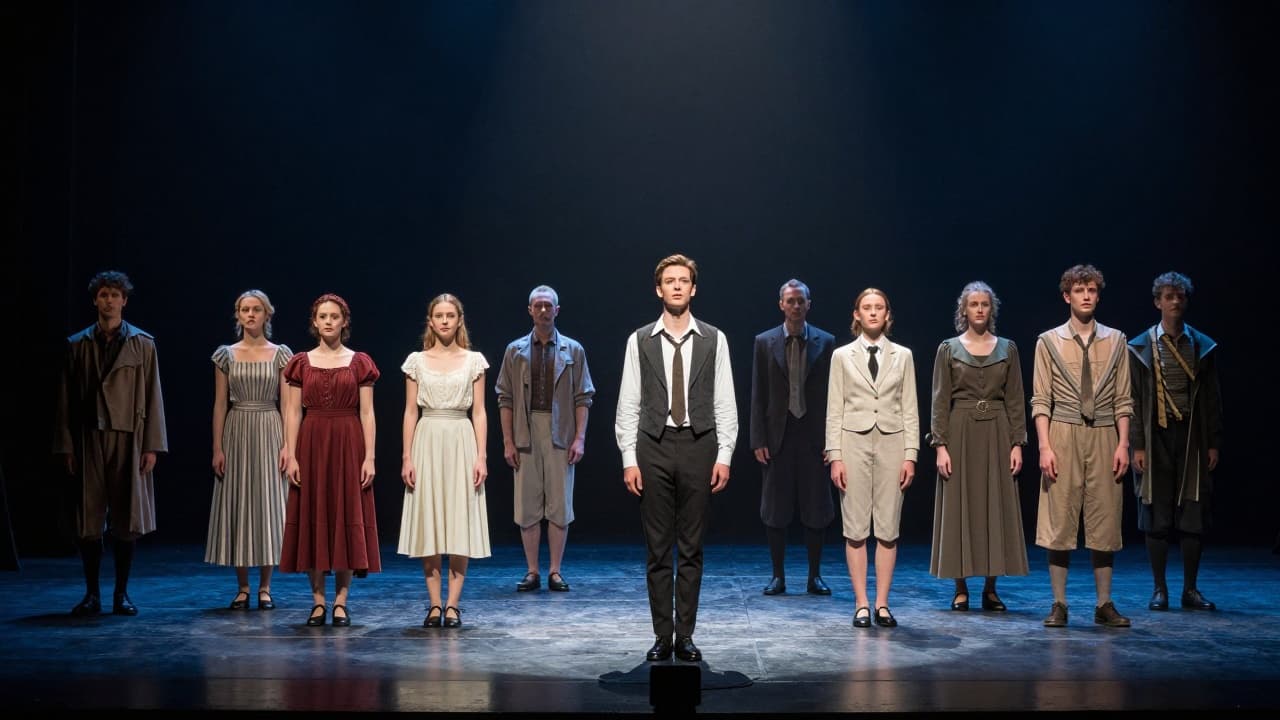
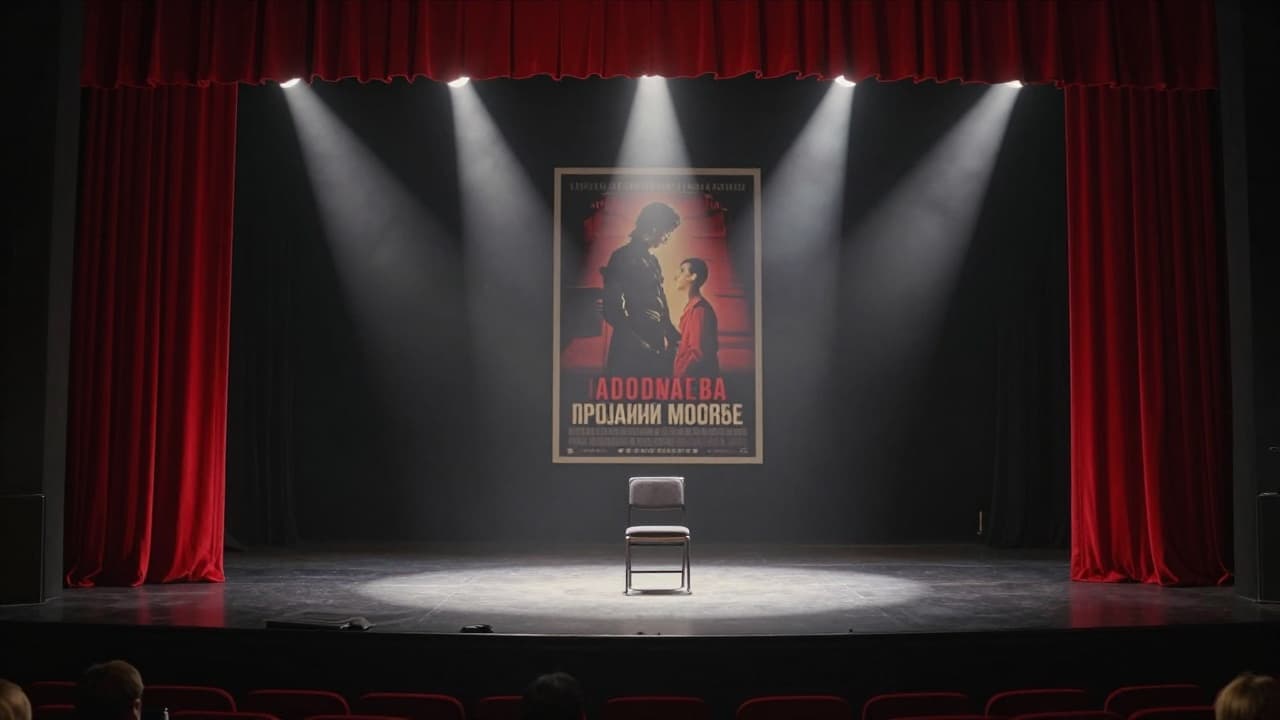
The central part of the jubilee celebrations is the premiere of Pirandello's play Six Characters in Search of an Author, which is on the programme on 26 November. The production is a co-production with the Swiss cultural institution LAC – Lugano Arte e Cultura, directed by Carmelo Rifici, and the text adaptation was prepared by Italian dramaturg Fabrizio Sinisi. The day after, on 27 November, a concert of Songs That Connect Us and an Italian festa open to citizens will be held in front of the theatre.
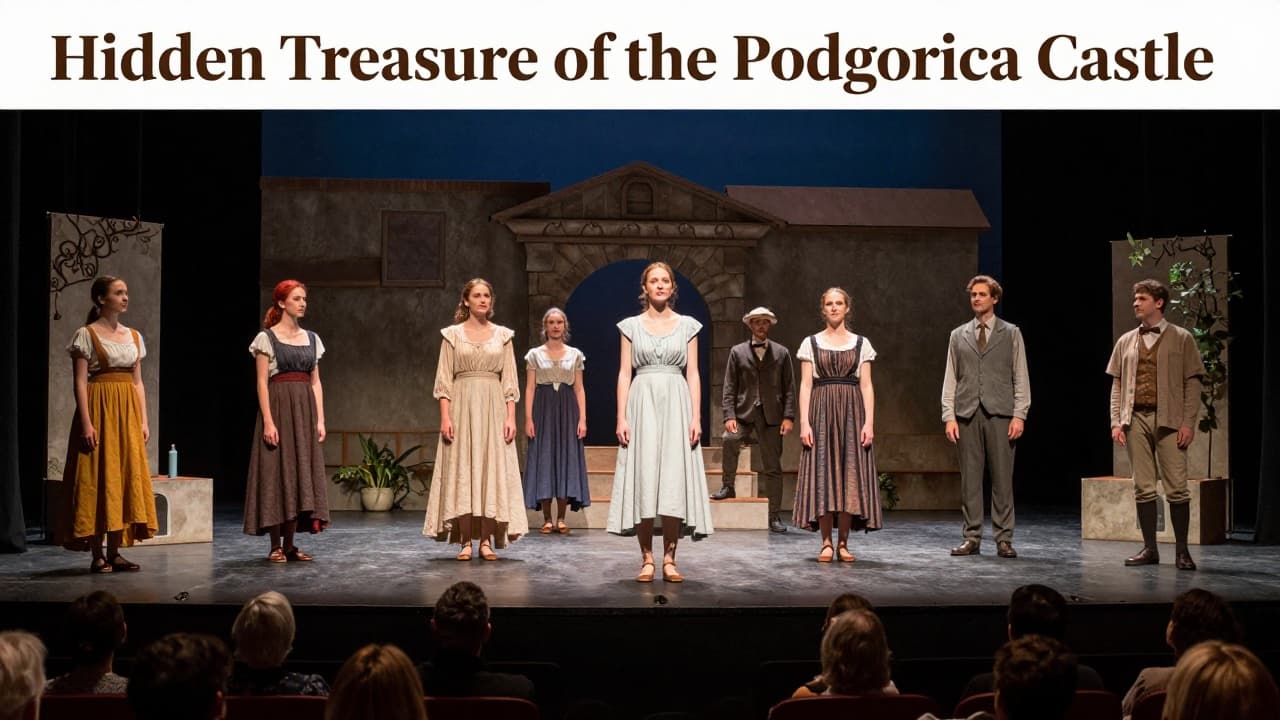
Dessardo believes that the Italian drama is a professional acting ensemble that is an important part of the Croatian National Theatre Ivan pl. Zajc, but also of the cultural life of Rijeka. She emphasises that the ensemble produces plays that can compete with productions from larger theatres and that it has the potential for much greater visibility in Croatia and abroad. She considers international collaborations particularly important, which allow Rijeka actors to perform on other stages and connect with theatre artists from different backgrounds.
She wants the Italian drama to stop constantly having to prove its worth to justify its existence and funding. A theatre in the Italian language in Croatia has special value precisely because of the cultural space in which it operates, and it does not need to be limited to Italian authors and directors only.