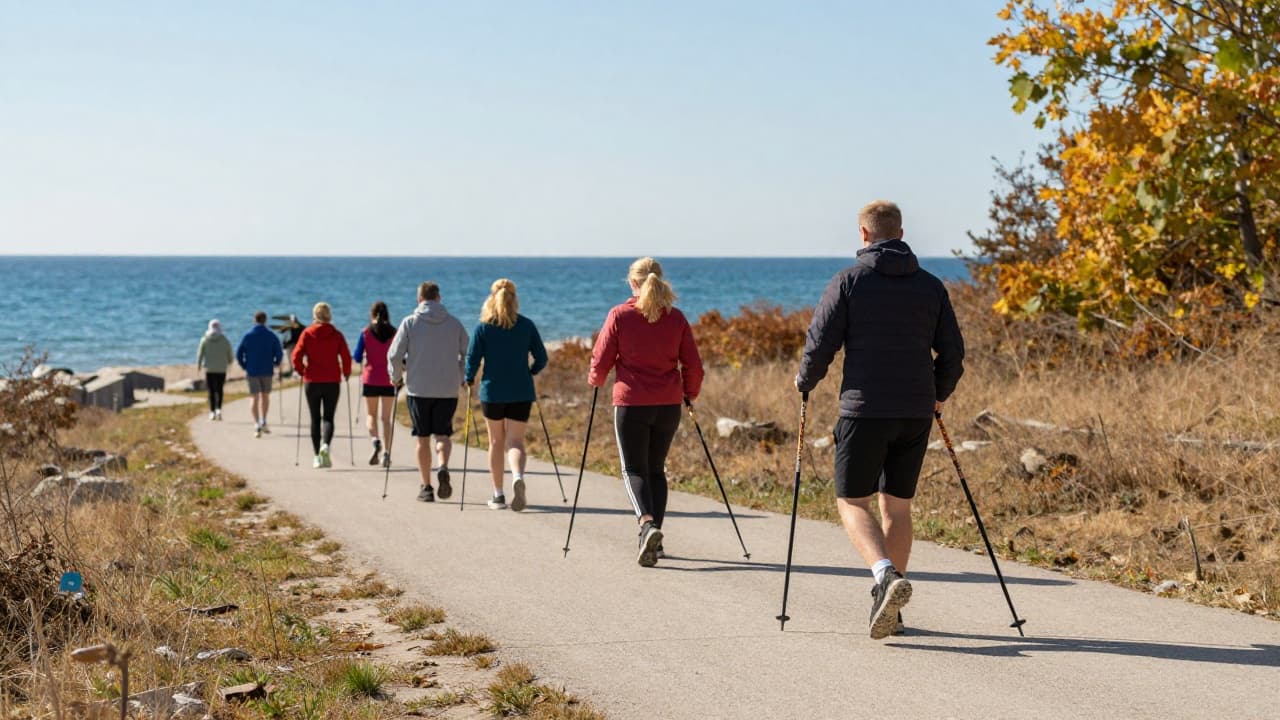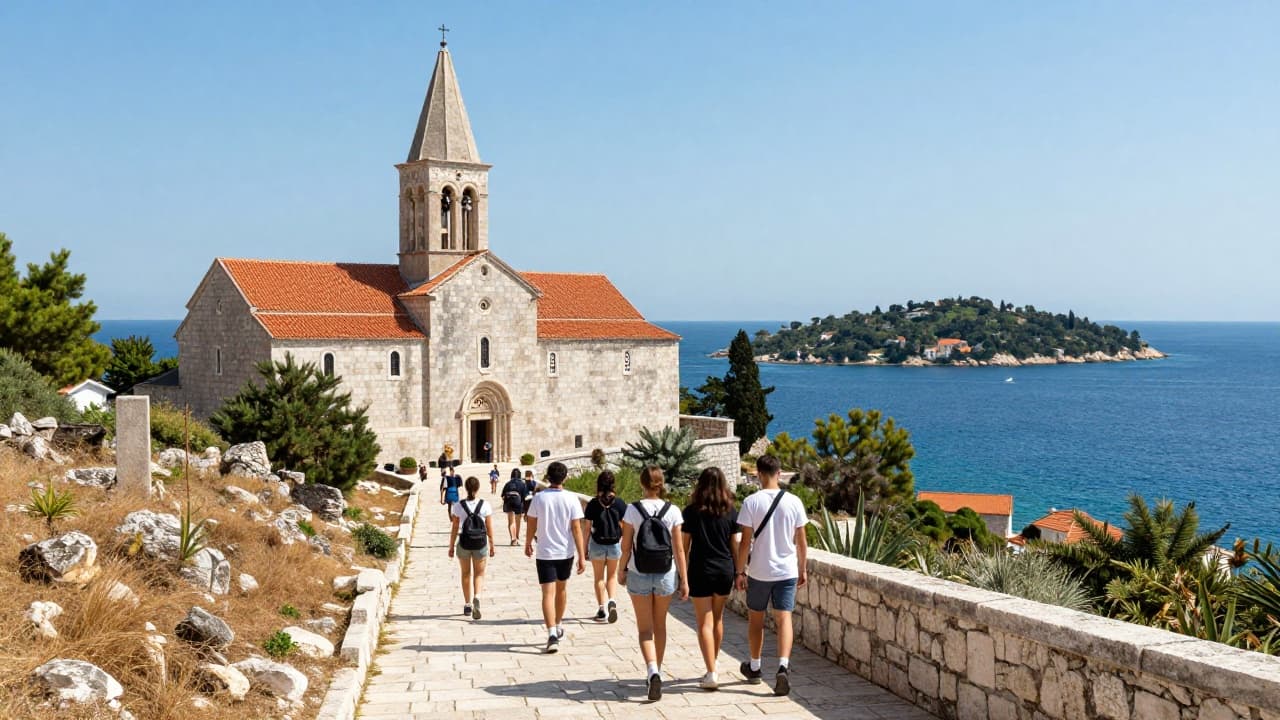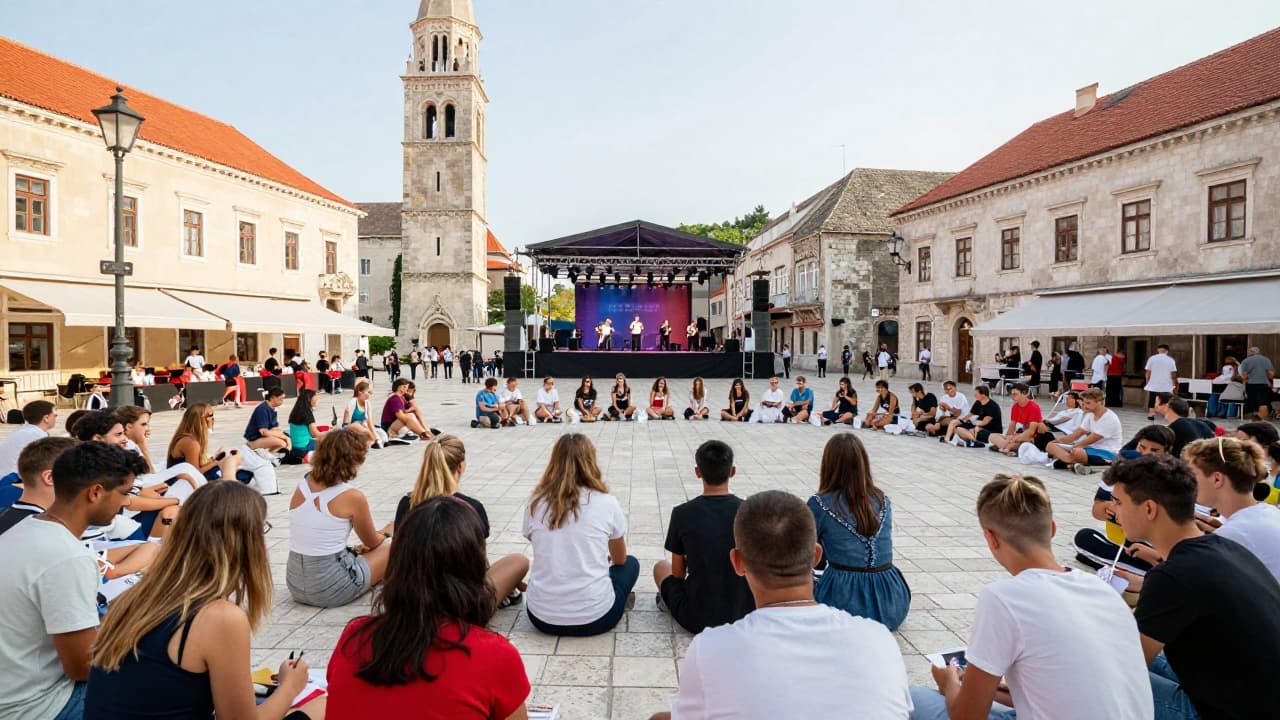
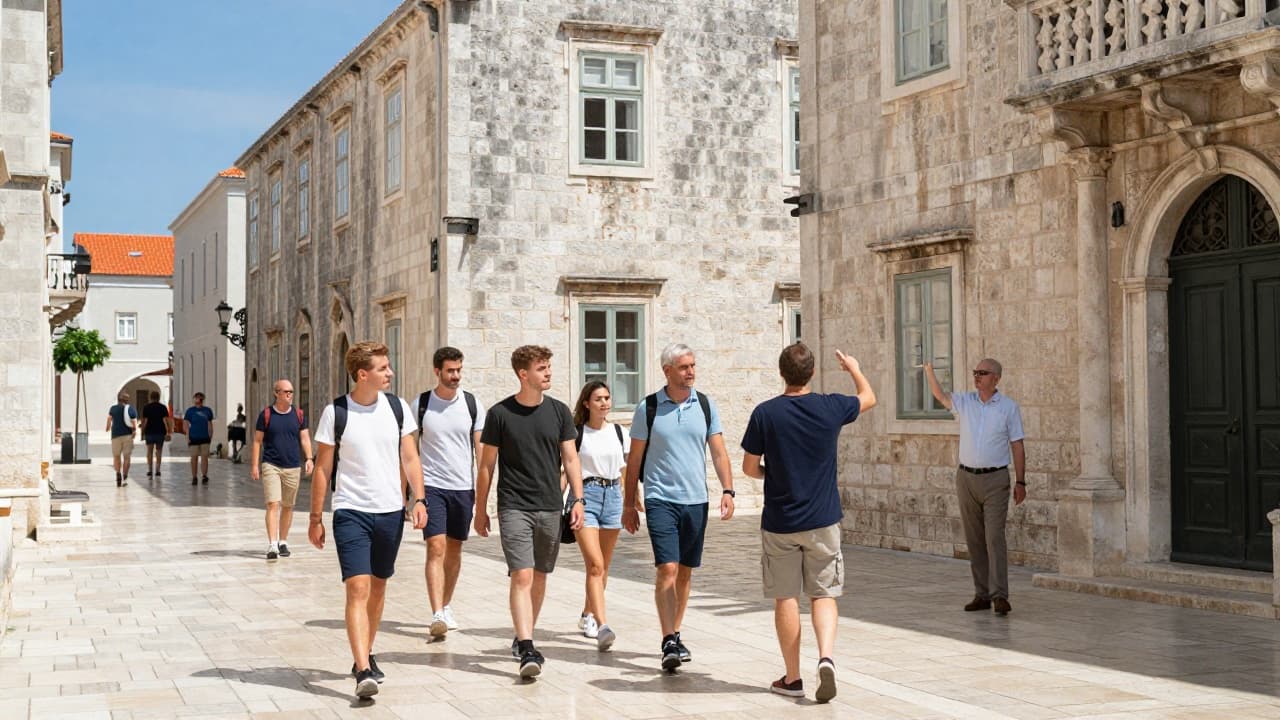
Novigrad could receive new interpretive walks and other content from 2027, through which visitors will learn about the city's history, traditions and the daily life of its residents. The foundation for developing this content was laid during a five-day "Certified Interpreter Guide" course. The course was held in November, organised by the Novigrad City Tourist Board in cooperation with the Centre for Events and Culture.
The education was held from 13 to 15 and 21 to 22 November, following the methodology of the European heritage interpretation association, Interpret Europe. It gathered a dozen participants of various professions — among them were tourist guides, museum and tourism workers, hospitality staff and education workers.
Participants learned how to connect historical facts with human experiences and values. In this way, they aim to bring the significance of specific places, buildings and customs closer to visitors. In the practical part, they prepared ten-minute presentations, practised engaging the audience in conversation and learned the process of shaping one-hour thematic walks.
The Mauricijev ciborium in the Lapidarium Museum, Poceto Square, the Gothic windows in Velika Ulica, the Rigo Palace, the Belvedere loggia, and fishing tools and items from the Visitor Centre served as starting points for their work. Special attention was given to Mandrač, where former mooring posts for boats were used to develop stories about the lives of Novigrad's fishermen.
Dolores Mihelić Malbašić, principal of the Vladimir Gortan Secondary School in Buje and a tourist guide, believes that such an approach opens up new possibilities for presenting local heritage. She stated that heritage interpretation opens a completely new dimension of tourist guiding. It is based on a more personal, deeper and more emotional approach that allows visitors to connect with the values that Novigrad residents cherish and carry in their hearts.
Among the participants was Orieta Vrcelj, owner of the Novigrad café bar Piazza Grande. She sees the possibility of applying what she learned in connecting the hospitality offer with local traditions. Petra Šekerija, a teacher at the Rivarela Primary School, emphasised the importance of passing on knowledge about heritage to younger generations, especially through educational activities that introduce children to the history of their own city.
According to announcements from the organisers, participants will continue to develop content based on the works created during the education in cooperation with the Novigrad Tourist Board. The goal is to offer ways of getting to know the city that, in addition to its landmarks, include lesser-known spaces, customs and stories of the local population.